
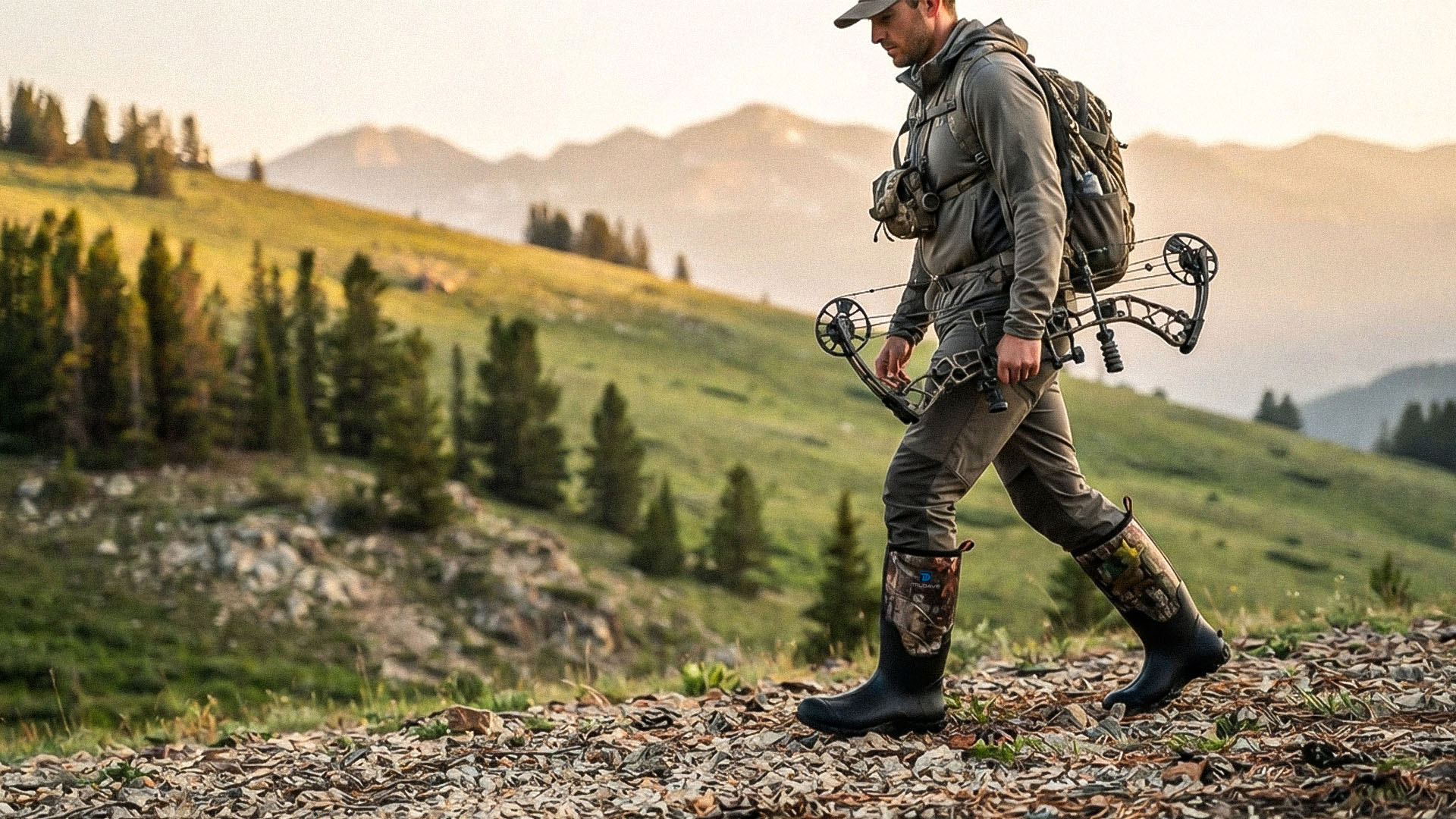
Dall sheep country does not look like normal hunting terrain.
There are no easy trails.
No predictable fields.
No simple approach.
Instead, there are endless ridges.
Sharp mountain faces.
Glaciers in the distance.
Loose rock under every step.
Wind that changes without warning.
A hunter stands on one ridge and looks across a valley.
The mountain appears empty.
Then binoculars reveal a tiny white shape high above a cliff.
A ram.
Thousands of feet away.
The hunt has not started.
It has only been discovered.
That is Dall sheep hunting.
The animal itself is only one part of the challenge.
The real test is everything between hunter and sheep:
Distance.
Elevation.
Weather.
Navigation.
Physical endurance.
Decision-making.
Successful sheep hunters understand one thing:
The mountain always sets the rules.
Dall Sheep Live in Extreme Country
Dall sheep are among North America’s most iconic mountain animals.
They inhabit northern alpine environments, especially areas of:
- Alaska
- Yukon
- Northwest mountain regions
Their habitat commonly includes:
- Alpine ridges
- Rocky slopes
- Mountain basins
- Sheep cliffs
- High elevation grass areas
- Open tundra
- Talus fields
These environments provide:
- Visibility
- Escape terrain
- Feeding opportunities
Dall sheep survive because they are comfortable where most predators and humans struggle.
Finding Sheep Starts With Optics
A common mistake in sheep hunting is walking too soon.
The mountains are too large.
The terrain is too difficult.
The best hunters spend enormous amounts of time glassing.
Good glassing locations include:
- Opposite ridges
- High points
- Valley overlooks
- Mountain benches
Look carefully at:
- Rock ledges
- Snow edges
- Grass patches
- Ridge lines
A ram may remain motionless for hours.
Patience is often the difference between seeing sheep and walking past them.
Sheep Blend Into Mountain Landscapes
Dall sheep are white.
Many hunters assume they should be easy to see.
But alpine environments contain:
- Snow
- Light rock
- Clouds
- Bright sunlight
A sheep can disappear against the background.
Look for:
- Movement
- Horn shape
- Body outline
- Shadow changes
Do not scan randomly.
Break the mountain into sections.
Search systematically.
Learn to Read Sheep Country
Not every mountain is equal.
Good sheep habitat usually includes:
- Escape cliffs
- Feeding areas
- Open visibility
- Safe bedding locations
A perfect cliff with no food may not hold sheep.
A grassy slope with no escape terrain may not either.
The best areas combine both.
Rams Often Use High Ground
Mature rams frequently prefer terrain that provides:
- Visibility
- Security
- Escape routes
Look at:
- High benches
- Ridge shoulders
- Cliff edges
They may not always be on the highest point.
Often they choose locations where they can watch the surrounding country.
Weather Changes Sheep Movement
Mountain weather controls everything.
Cold.
Wind.
Rain.
Snow.
Fog.
All influence where sheep spend time.
Storms may push animals toward:
- Protected slopes
- Lower elevation
- Sheltered rock
Clear weather may allow movement higher.
The hunter who understands weather patterns understands sheep behavior.
Snow Can Create Opportunity
Fresh snow can make sheep easier to locate.
It provides:
- Contrast
- Tracks
- Movement clues
But snow also creates hazards.
Conditions can change quickly.
Consider:
- Avalanche danger
- Slippery slopes
- Reduced visibility
- Cold exposure
Snow helps hunting.
It also demands respect.
Glassing After Storms Can Be Productive
After bad weather, animals often become more visible.
They may move to:
- Feed
- Warm areas
- Open slopes
A storm ending can create a valuable observation period.
Do not immediately leave because the weather was poor.
Sometimes the best opportunities appear afterward.
Wind Is a Constant Challenge
Alpine environments create complicated wind.
Direction can change because of:
- Temperature
- Terrain
- Time of day
- Valley shape
A hunter may have perfect conditions at one elevation and poor conditions higher up.
Check wind constantly.
Never assume.
Thermals Matter in Sheep Country
Morning air often moves downhill.
As sunlight warms slopes, air changes direction.
A long stalk may cross several thermal zones.
Plan routes accordingly.
A good approach keeps scent away from sheep throughout the entire movement.
Distance Is the First Challenge
A sheep seen through binoculars may appear close.
Mountain perspective is deceptive.
Between hunter and animal may be:
- Deep valleys
- Hidden cliffs
- Long ridges
- Difficult climbs
Study terrain before moving.
The shortest line is rarely the best route.
Use Ridges to Move
Ridges provide advantages:
- Navigation
- Visibility
- Wind opportunities
Whenever possible, use terrain features rather than crossing exposed slopes.
A hunter moving intelligently can cover surprising distances without being detected.
Avoid Skyline Movement
Mountain animals are experts at detecting silhouettes.
Avoid walking:
- Directly on ridge tops
- Against bright skies
- Across exposed snow
Stay below ridges.
Use rocks and terrain.
The mountain is your camouflage.
The Final Approach Requires Precision
The last few hundred yards are often the hardest.
The sheep may be close.
That means:
- Less movement
- More patience
- More wind checks
Do not rush because the animal is finally visible.
Many successful hunts fail during the final approach.
Alpine Terrain Demands Serious Footwear
Dall sheep hunting is among the most demanding hunts in North America.
Conditions may include:
- Loose rock
- Snow
- Mud
- Wet tundra
- Talus slopes
- Steep climbs
Hunters working these environments may benefit from waterproof hunting boots for Alaska mountain hunting that provide strong traction, ankle stability, waterproof protection, and durability during long alpine approaches.
The wrong footwear can turn a difficult hunt into an unsafe one.
Waterproofing Matters in Alaska
Alaska weather changes quickly.
A sunny morning can become:
- Rain
- Snow
- Fog
- Wet ground
Wet feet create:
- Discomfort
- Reduced endurance
- Higher cold risk
Reliable waterproof boots are essential.
Traction Is Critical on Rock
Alpine rock can become dangerous when wet.
Good footwear should handle:
- Wet stone
- Loose gravel
- Mud
- Snow
Every step matters.
A slip in flat terrain is inconvenient.
A slip on a steep mountain can be serious.
Break Boots in Before the Hunt
Remote mountain hunts are not the place to test new footwear.
Break boots in beforehand.
Test:
- Uphill movement
- Downhill pressure
- Sidehilling
- Long distances
Comfort increases hunting efficiency.
Pack Weight Changes Everything
Dall sheep hunts often require carrying equipment over difficult terrain.
Every pound matters.
Heavy unnecessary gear creates:
- Faster fatigue
- More recovery time
- Slower movement
Choose equipment carefully.
Efficiency is a survival advantage.
Physical Preparation Is Essential
Sheep hunting demands fitness.
Training should include:
- Hiking
- Hill climbing
- Loaded pack walking
- Long-distance endurance
The goal is not just reaching sheep.
It is having enough energy to make good decisions afterward.
Navigation Is Critical
Alaska mountain landscapes can become confusing quickly.
Carry reliable navigation tools.
Know:
- Camp location
- Routes
- Escape paths
- Terrain changes
Fog can erase familiar landmarks.
Preparation prevents dangerous mistakes.
Fog Creates Serious Problems
Alpine fog can arrive suddenly.
Visibility may disappear.
When this happens:
- Slow down
- Avoid unnecessary movement
- Confirm location
Do not continue simply because you “know the direction.”
Mountains change perspective quickly.
Remote Hunts Require Emergency Planning
Dall sheep hunting often happens far from roads.
Prepare for:
- Weather delays
- Injury
- Navigation problems
- Communication issues
Carry appropriate emergency equipment.
Remote country rewards preparation.
Public Land Regulations Matter
Many Dall sheep hunts involve carefully managed areas.
Verify:
- Hunting units
- License requirements
- Season dates
- Permit rules
- Access regulations
Regulations can change.
Always use current information.
Respect Wilderness
Alpine ecosystems are fragile.
Practice responsible hunting:
- Minimize impact
- Protect vegetation
- Pack out waste
- Respect other users
Preserving these landscapes protects future hunting opportunities.
Shot Selection Is Critical
A sheep hunt may involve days of effort.
Do not let excitement override judgment.
Consider:
- Distance
- Angle
- Animal position
- Recovery route
The goal is a clean, ethical harvest.
Recovery Is Often Harder Than the Hunt
A successful shot creates another challenge.
Consider:
- Steep terrain
- Pack-out distance
- Weather
- Available daylight
A ram in difficult terrain requires planning.
Meat Care in Remote Country Requires Preparation
Cold conditions help.
Warm weather creates urgency.
Plan:
- Game bags
- Transport
- Cooling strategy
Success requires preparation before the shot.
Common Dall Sheep Hunting Mistakes
Walking Before Glassing
Find sheep before spending energy.
Ignoring Weather
Alpine conditions change quickly.
Underestimating Distance
Mountains create illusions.
Poor Footwear Choice
Rock, snow, and mud require proper boots.
Moving Too Quickly
Patience wins mountain hunts.
Ignoring Wind
Scent destroys opportunities.
Forgetting Recovery Planning
The hunt continues after the shot.
Frequently Asked Questions
Where do Dall sheep live?
Dall sheep primarily inhabit northern alpine mountain environments, especially Alaska and surrounding northern mountain regions.
How do you find Dall sheep?
Long glassing sessions from strategic viewpoints are one of the most effective methods.
Is Dall sheep hunting difficult?
Yes. It is considered one of the most physically demanding big-game hunts because of elevation, weather, distance, and terrain.
What boots are best for Dall sheep hunting?
Waterproof hunting boots with strong traction, ankle support, durability, and comfort for long alpine climbs are ideal.
What weather is best for sheep hunting?
Stable weather helps, but changing conditions after storms can also create opportunities when animals become more visible.
Final Thoughts
Dall sheep hunting is not a test of how fast a hunter can climb.
It is a test of patience.
Observation.
Preparation.
Decision-making.
The sheep survives because it understands the mountain better than almost anything else.
The successful hunter learns to do the same.
Glass longer.
Move smarter.
Respect weather.
Protect your feet from rock, snow, mud, and cold.
And remember:
The mountain does not make hunting impossible.
It simply demands that you hunt differently.
