
A bull elk can make a mountain feel alive.
The first bugle echoes before sunrise.
Another answers from a distant ridge.
Then another.
The hunter grabs his gear and starts moving.
The sound feels close.
The excitement builds.
But twenty minutes later, the hunter realizes the truth:
The bull was not where it sounded.
It was across a canyon.
Above a ridge.
Or moving in the opposite direction.
That is elk hunting during the rut.
The challenge is not simply finding elk.
It is understanding how sound, terrain, wind, pressure, and animal behavior interact.
A successful elk hunter learns when to move.
When to call.
When to wait.
And when doing nothing is the smartest decision.
The Rut Changes Everything
The elk rut is one of the most exciting periods in western hunting.
During this time, bulls become more vocal and more focused on breeding.
Their behavior can change dramatically.
You may see:
- Increased bugling
- Herd movement
- Bull competition
- More daytime activity
- More aggressive behavior
However, the rut does not make elk careless.
A mature bull that survives multiple seasons still understands danger.
He may respond aggressively to another bull while remaining extremely cautious toward human pressure.
The hunter must think like an elk.
Elk Need Three Things During the Rut
Even during breeding season, elk still need:
- Security
- Food
- Water
The rut changes priorities, but it does not eliminate basic needs.
Good elk habitat often combines:
- Timber cover
- Open feeding areas
- Water sources
- Escape terrain
- Travel corridors
A mountain with constant bugling but poor habitat may not hold elk for long.
Look for the complete system.
Bugling Is Information—Not Just an Invitation
A bugle is exciting.
But experienced hunters treat it as information.
The sound tells you:
- A bull exists
- Approximate location
- Possible mood
- Direction of movement
It does not automatically mean:
“Run directly toward me.”
Before moving, analyze:
- Wind
- Terrain
- Distance
- Other elk sounds
The first reaction should be observation.
Not movement.
Mountain Echoes Create False Distance
Western mountains distort sound.
A bull may sound:
- Very close
- Above you
- Behind you
when the actual location is completely different.
Rock walls and timber can bounce bugles across valleys.
Before committing to a route:
Listen carefully.
Wait for another sound.
Compare direction.
Many failed elk hunts begin with a hunter chasing an echo.
Morning Bugles Reveal Movement
Early morning is one of the best times to locate rutting bulls.
Listen from:
- Ridges
- Glassing points
- Roads
- Meadows
- Canyon overlooks
You are not only searching for the loudest bull.
You are learning:
- Where herds spend the night
- Where bulls move after sunrise
- Which drainages are active
One morning of listening can provide a week of information.
Evening Bugles Reveal Bedding Areas
Evening activity can show where elk return before dark.
Watch and listen around:
- Timber edges
- Mountain benches
- Creek bottoms
- Open slopes
A bull that consistently bugles from one drainage is giving you valuable information.
Do not pressure him immediately.
Map the pattern.
Repeated observations create better opportunities.
Wind Controls Every Elk Hunt
Elk have excellent noses.
A perfect call sequence means nothing if your scent reaches the herd.
Always consider:
- Current wind
- Thermal movement
- Future wind changes
Mountain air is not constant.
Morning.
Midday.
Evening.
All can be different.
A route that works at sunrise may fail two hours later.
Thermals Are a Major Factor
Cold air often moves downhill early.
As slopes warm, air begins moving upward.
This creates changing scent patterns.
Many elk hunters fail because they only check wind direction once.
Successful hunters monitor it constantly.
The mountain is always moving.
Your scent moves with it.
Use Terrain to Close Distance
Elk live in big country.
Trying to walk straight toward them usually fails.
Use:
- Ridges
- Creek bottoms
- Timber
- Terrain folds
to hide movement.
The goal is not speed.
The goal is remaining invisible.
A slow approach that keeps the wind correct beats a fast approach that gets noticed.
Do Not Cross Open Slopes Carelessly
Elk often live in areas with large open feeding zones.
These areas look tempting.
They are also dangerous for hunters.
Crossing open ground can expose:
- Movement
- Shape
- Human silhouette
Use cover whenever possible.
The mountain provides concealment.
Take advantage of it.
Timber Holds More Elk Than Hunters Expect
Many hunters focus on open meadows because elk are easier to see.
But during pressure or daylight hours, mature bulls often rely heavily on timber.
Look for:
- Dark timber
- North-facing slopes
- Creek drainage
- Thick escape cover
A bull may be only a few hundred yards away and completely silent.
Clearcuts and Burns Can Be Valuable
Disturbance areas can create excellent elk habitat.
Recent burns and cuts may provide:
- New vegetation
- Grass
- Browse
- Visibility
The edge between open feeding areas and timber security can be especially valuable.
Elk often use both.
The food is outside.
The safety is inside.
Water Sources Can Concentrate Activity
During warm early seasons, water can influence movement.
Look around:
- Springs
- Creeks
- Wallows
- Small ponds
But do not assume sitting directly on water is always best.
Elk may drink at night.
The travel route between water and bedding can provide better opportunities.
Rain Changes Elk Behavior
Rain can improve hunting conditions.
It may:
- Reduce human noise
- Improve scent conditions
- Cool temperatures
- Increase daytime movement
Wet ground also makes tracking easier.
After rain, check:
- Muddy trails
- Wallows
- Creek crossings
Fresh sign can reveal updated elk patterns.
Wet Conditions Create Footwear Challenges
Mountain elk hunting often happens during changing weather.
Conditions can include:
- Rain
- Mud
- Wet grass
- Creek crossings
- Snow
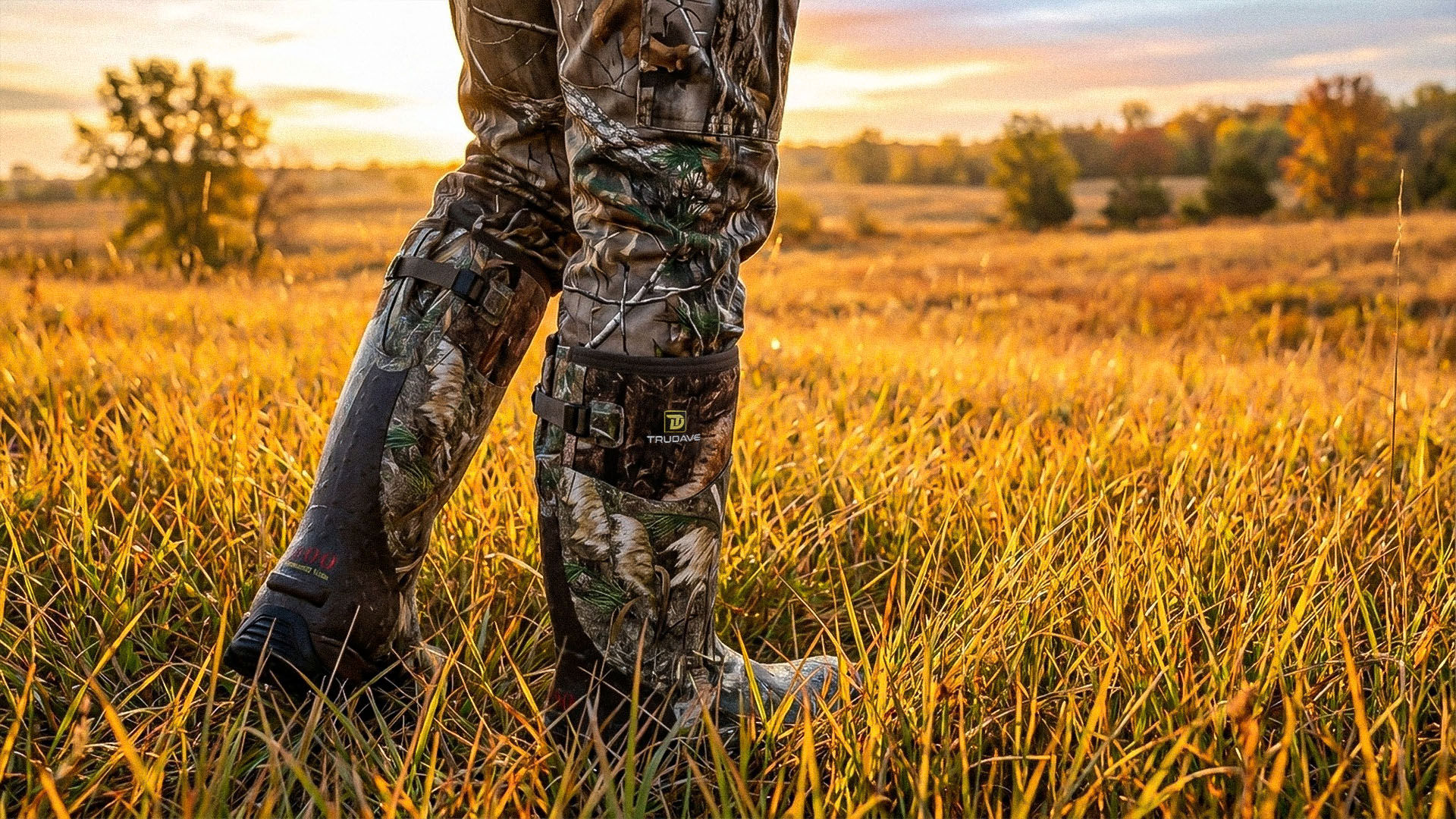
Hunters covering these environments may benefit from waterproof hunting boots for elk hunting in mountains that provide traction, support, moisture protection, and comfort during long approaches.
Elk hunts often require covering miles before the opportunity appears.
Elk Terrain Is Hard on Feet
A typical elk hunt may include:
- Steep climbs
- Sidehills
- Rocky trails
- Long descents
Foot problems can end a hunt before the elk ever appears.
Important factors include:
- Proper fit
- Heel retention
- Break-in time
- Sock choice
Comfort directly affects decision-making.
Heavy Boots Are Not Always Better
Many hunters assume heavier equals stronger.
But long mountain hunts require efficiency.
Excess weight on every step adds up.
Choose footwear based on:
- Terrain
- Weather
- Distance
- Pack weight
The best boot is one you can wear all day without thinking about it.
Elk Hunting Requires Physical Preparation
Mountain elk hunting is physically demanding.
Preparation helps with:
- Long climbs
- Heavy packs
- Recovery
- Cold conditions
Train with:
- Hiking
- Hills
- Loaded carries
The goal is not just reaching elk.
It is having enough energy left to make good decisions when you find them.
Do Not Overcommit to One Bull
A common mistake is becoming obsessed with one vocal bull.
Sometimes:
- The wind changes
- Another hunter pressures him
- The herd moves
- Terrain blocks access
Stay flexible.
The mountain contains more elk than one sound.
Calling Strategies Should Match Behavior
Not every bull wants the same interaction.
Some respond aggressively.
Some approach silently.
Some avoid competition.
Pay attention to:
- Frequency of bugles
- Movement
- Herd sounds
- Time of day
Calling should create a realistic situation.
Not simply make noise.
Silent Bulls Can Be Mature Bulls
Many hunters believe no bugle means no elk.
That is incorrect.
Pressure, age, and circumstances can make bulls quiet.
Look at:
- Fresh sign
- Habitat
- Travel routes
A silent bull may be exactly where elk should be.
Herd Bulls and Satellite Bulls Behave Differently
A herd bull may focus on protecting cows.
A satellite bull may be more willing to investigate.
Understanding this difference helps with strategy.
The loudest bull is not always the easiest opportunity.
Behavior matters more than volume.
The Final Setup Requires Patience
When a bull is close, hunters often become impatient.
They move.
They call too much.
They adjust constantly.
Those actions create mistakes.
Stay still.
Control breathing.
Let the situation develop.
Many elk encounters are decided in the final few minutes.
Shot Placement and Recovery Matter
Elk are large animals.
Before shooting, consider:
- Distance
- Angle
- Background
- Recovery route
A good shot is only the beginning.
A responsible hunter plans what happens afterward.
Recovery in Mountain Country Is Serious Work
A bull elk can create a difficult recovery.
Consider:
- Distance from vehicle
- Elevation loss
- Pack-out route
- Weather
- Available help
The best shot location is not always the closest shot.
Think beyond the trigger pull.
Weather After Success Matters
Cold weather helps.
Warm weather creates urgency.
Rain can complicate meat care.
Snow can slow movement.
Have a recovery plan before entering the field.
Preparation protects both the animal and the hunt.
Public Land Elk Hunting Requires Planning
Western elk hunting often involves public land.
Research:
- Unit boundaries
- Access points
- Trail systems
- Pressure areas
- Regulations
The best areas are not always the most remote.
Sometimes better habitat with smarter timing beats simply walking farther.
Avoid Road Pressure Patterns
Elk learn quickly.
Areas close to roads often receive more pressure.
Look for:
- Less obvious drainages
- Secondary ridges
- Difficult access areas
But do not ignore accessible habitat.
Elk behavior matters more than distance from pavement.
Respect Other Hunters
During elk season, multiple hunters may pursue the same animals.
Practice good ethics:
- Avoid calling over other hunters
- Communicate when possible
- Do not interfere with another active hunt
Good behavior protects everyone’s opportunity.
Common Elk Rut Hunting Mistakes
Running Toward Every Bugle
Analyze first.
Ignoring Wind
The fastest way to lose elk.
Moving Too Much
Let elk make mistakes.
Hunting Only Open Areas
Timber often holds pressured bulls.
Wearing Poor Boots
Mountain miles require reliable footwear.
Forgetting Recovery Planning
The hunt continues after the shot.
Ignoring Weather Changes
Mountain conditions can change quickly.
Frequently Asked Questions
What is the best way to hunt elk during the rut?
Combine glassing, listening, understanding terrain, managing wind, and using calling strategies that match elk behavior.
Are elk easier to hunt during the rut?
Elk are often more vocal and active, but mature bulls remain cautious and difficult to approach.
What weather is best for elk hunting?
Cooler conditions, light rain, and changing weather can increase movement, but every situation depends on local conditions.
What boots are best for elk hunting?
Waterproof hunting boots with traction, support, durability, and comfort for long mountain approaches are ideal.
How far do elk travel during the rut?
Movement varies greatly by habitat, pressure, weather, and breeding activity. Some elk remain localized while others cover large areas.
Final Thoughts
Elk rut hunting is not a race.
The hunter who runs after every bugle usually loses.
The hunter who listens, studies, and waits often wins.
The mountain gives clues.
A bugle.
A track.
A wallow.
A trail.
A change in wind.
A fresh patch of mud.
Successful elk hunters learn to connect those clues.
Move when the opportunity is right.
Stay still when patience matters.
Wear equipment that can handle wet forests, mud, steep slopes, and long days.
And remember:
The bull is not impossible to find.
You just have to learn the language of the mountain.
