
A pine plantation can look lifeless from the road.
Rows of planted pines stretch across the property. The ground beneath them appears shaded, quiet, and uniform. A hunter may drive past and assume there is nothing inside except needles, saplings, and maybe a few deer trails.
Then a bird dog locks up along a weedy firebreak.
The cover looks ordinary.
A little broomsedge.
A few blackberry canes.
Some ragweed, bare dirt, pine straw, and a brushy corner where the plantation meets an old field.
The hunter steps in.
A covey of bobwhite quail explodes from the edge, birds scattering in every direction through the pines and grass.
That is the lesson many hunters miss.
Bobwhite quail do not need a huge open field to survive. They need the right arrangement of food, bare ground, nesting cover, escape cover, brood habitat, and edges.
A pine plantation can be poor quail habitat when it is dark, closed-canopy, and clean underneath.
It can also become excellent habitat when sunlight reaches the ground and creates a patchwork of weeds, native grasses, shrubs, firebreaks, thinned timber, and brushy transitions.
Successful bobwhite hunting is not about walking every row of pines.
It is about finding the specific places where the plantation stops being a tree farm and starts functioning like quail habitat.
Bobwhite Quail Need More Than Pines
Pine trees alone do not create bobwhite habitat.
The important question is what grows beneath and between them.
Bobwhite quail need ground-level structure.
They use low cover for feeding, nesting, brooding, dusting, loafing, and hiding from predators.
A shaded plantation with a closed canopy often lacks this structure. The ground may be covered mostly with pine needles and little else.
A more productive plantation may contain:
- Native grasses
- Ragweed
- Partridge pea
- Beggarweed
- Blackberry
- Broomsedge
- Greenbrier
- Low shrubs
- Bare soil patches
- Firebreaks
- Brushy edges
- Thinned timber rows
The birds live close to the ground.
If the ground layer is empty, the habitat is probably empty too.
Sunlight Is the First Clue
Quail habitat improves when sunlight reaches the forest floor.
Sunlight encourages grasses, forbs, insects, seed-producing plants, and low brush.
When scouting pine plantations, look for places where the canopy opens.
These may include:
- Recently thinned stands
- Firebreaks
- Logging decks
- Road edges
- Utility corridors
- Old field corners
- Stand boundaries
- Prescribed burn areas
- Storm gaps
- Creek openings
A dark pine stand may hold few birds, while a sunny edge only fifty yards away may support feeding and loafing cover.
The best quail habitat is often not in the middle of the pines.
It is where the light reaches the ground.
Thinned Pine Stands Can Be Better Than Dense Pines
A young dense plantation may feel secure, but it can become too shaded for quality quail food.
A properly thinned stand allows more light to enter.
That can create a more useful understory.
Look for thinned pine areas with:
- Weedy growth
- Scattered grass
- Bare soil between plants
- Shrub patches
- Soft edges
- Insect activity
- Nearby escape cover
Do not assume every thinning helps equally.
If the ground remains clean, shaded, and heavily covered in pine straw, the stand may still lack useful habitat.
The value comes from plant response after thinning.
Firebreaks Are More Than Maintenance Lines
Firebreaks often become excellent quail travel and feeding areas.
They provide open ground, edge structure, and seed-producing vegetation.
Bobwhite quail may use firebreaks to move between cover types while staying close to escape habitat.
Search firebreaks that border:
- Weedy pine rows
- Old fields
- Young cutovers
- Brushy corners
- Creek cover
- Native grass patches
- Burned pine stands
Do not walk quickly down the middle and call it hunted.
Birds may hold in the grass and brush just off the edge.
A covey can sit five yards inside the cover while the hunter passes on the open strip.
Prescribed Fire Can Improve Quail Habitat
In many pine ecosystems, prescribed fire can improve ground cover conditions when used properly by trained land managers.
Fire can reduce thick litter, open the understory, stimulate native plants, and maintain the kind of ground-level structure bobwhite quail need.
After a burn, hunters should watch how the area regrows.
A recently burned stand may look bare at first.
Later, it may produce:
- New forbs
- Fresh grass
- Seeds
- Insects
- Bare ground travel lanes
- Improved visibility
- More diverse cover
The timing and intensity of fire matter.
A burn does not automatically make every acre good.
The best areas usually combine burned ground with nearby escape cover, food, and nesting habitat.
Too Clean Is Usually Bad
Some properties are maintained so neatly that they lose quail value.
Mowed edges, clean pine rows, sprayed understory, and open ground may look tidy, but bobwhite quail need a certain amount of mess.
Good quail cover often looks slightly rough.
It may include:
- Weeds
- Grass clumps
- Brush patches
- Standing seed heads
- Low shrubs
- Bare dirt pockets
- Tangled edges
A property can be attractive to people and poor for quail at the same time.
Bobwhite habitat is usually not manicured.
It is organized chaos at ground level.
Bare Ground Matters
This surprises many hunters.
Quail need cover, but they also need open space at ground level.
Chicks must be able to move through the vegetation and find insects. Adult birds need travel lanes beneath overhead cover.
A wall of solid grass can be difficult for birds to use.
Ideal habitat often contains a mix of:
- Clumps of cover
- Bare soil
- Seed-producing plants
- Low overhead protection
- Escape brush nearby
When scouting, kneel and look at the ground from a quail’s perspective.
Can a small bird walk through it?
Is there overhead protection?
Are there seeds and insects?
That ground-level view often tells the truth.
Field Edges Can Hold Coveys
Where pine plantations meet old fields, food plots, crop fields, pastures, or weedy openings, quail may find a useful mix of feeding and escape cover.
Focus on edges that are irregular rather than straight and clean.
Good edge habitat may include:
- Ragweed patches
- Blackberry thickets
- Native grass strips
- Low shrubs
- Brush piles
- Hedgerows
- Grown-up fence lines
- Young saplings
A covey may feed in the field edge and retreat into pine cover when disturbed.
The first twenty to fifty yards of transition can be more important than the middle of either habitat type.
Old Fields Are Often More Valuable Than They Look
An abandoned field beside a pine stand may appear neglected.
For bobwhite quail, it can be highly valuable.
Old fields may contain:
- Seeds
- Insects
- Nesting cover
- Brood cover
- Dusting sites
- Escape brush
- Travel lanes
The best old fields are not solid tall grass from one end to the other.
They include variation.
Patches of weeds.
Shorter openings.
Grass clumps.
Shrubby edges.
Bare ground.
A single overgrown field corner connected to pine cover may hold a covey even when the surrounding plantation seems empty.
Coveys Need Escape Cover Close By
Bobwhite quail live under constant pressure from predators.
They need quick access to cover when threatened.
Escape cover may include:
- Blackberry
- Plum thickets
- Brush piles
- Greenbrier
- Young pines
- Downed treetops
- Shrub patches
- Dense grass clumps
A feeding area without escape cover nearby may receive less use.
When you find seed-producing plants, ask where the birds can hide within seconds.
The closer the food and escape cover are, the better the location becomes.
Brush Piles Can Anchor a Covey Area
Brush piles are often overlooked.
A pile of limbs, logging debris, or storm-damaged material can provide security in an otherwise open area.
Coveys may loaf near brush piles during the day or use them after feeding.
Search around brush piles that sit near:
- Firebreaks
- Weedy fields
- Pine edges
- Food plots
- Thinned stands
- Old logging decks
Do not walk directly on unstable debris.
Work the edges carefully and watch the dog’s behavior.
Birds may flush from several sides.
Pine Plantation Roads Can Be Productive Edges
Access roads, two-tracks, and logging lanes create long strips of edge habitat.
They can also provide dusting areas and feeding opportunities.
Look for roads that are not overly clean.
The best ones may have:
- Weeds along the margin
- Bare soil
- Grass clumps
- Brushy corners
- Lightly used tire tracks
- Nearby escape cover
- Intersections with firebreaks
Main roads often receive more human disturbance.
Old spur roads and overgrown lanes may be better.
Dusting Sites Confirm Regular Use
Bobwhite quail use loose soil for dusting.
A dusting area may appear as shallow depressions in dry soil.
Look for:
- Small bowl-shaped spots
- Feathers
- Droppings
- Tracks
- Repeated disturbed soil
- Nearby cover
Dusting sites are often found along field edges, sandy roads, firebreaks, and open patches beneath light cover.
They do not guarantee the covey is present at that moment, but they show that birds use the area regularly.
Droppings Beneath Cover Are Useful Clues
Quail droppings near loafing sites can reveal where coveys spend time during the day.
Check beneath:
- Brush piles
- Blackberry cover
- Low shrubs
- Pine edges
- Plum thickets
- Grown-up field corners
A few droppings may mean brief use.
A concentration suggests repeated activity.
Combine droppings with tracks, feathers, dusting sites, and dog behavior to identify the core covey area.
Listen for the Covey Call
Bobwhite quail are known for their distinctive calls.
Listening during early morning or late afternoon can help locate coveys before hunting.
Stop at likely habitat and listen.
Calls may come from:
- Pine edges
- Old fields
- Brushy firebreaks
- Hedgerows
- Thinned stands
- Food plot margins
Sound can be misleading in rolling or wooded terrain.
Use the call to narrow the search, then hunt the cover carefully.
Do not rush directly toward the sound and scatter birds unnecessarily.
Morning Movement Can Reveal Feeding Areas
Early in the day, coveys may move from roosting cover toward feeding locations.
This is a valuable scouting window.
Look for birds crossing firebreaks, feeding along weedy edges, or calling near old fields.
If you see a covey moving naturally, do not immediately push it.
Watch where it goes.
The route may reveal the best hunting cover for later.
A covey’s daily pattern is more valuable than one quick flush.
Bobwhite Quail Often Roost on the Ground
Bobwhite coveys typically roost on the ground in a tight circle.
Roosting cover must provide protection while allowing birds to flush quickly.
Possible roosting locations include:
- Native grass patches
- Weedy openings
- Sparse pine understory
- Field edges
- Light brush
- Broomsedge clumps
Heavy, wet, matted vegetation may be less attractive than cover with structure and mobility.
Finding roosting areas helps explain where birds begin and end the day.
Wet Weather Changes the Hunt
After rain, pine plantations and old fields can hunt differently.
Wet grass holds scent.
Sandy firebreaks show fresh tracks.
Dry, dusty roads become quiet.
Birds may shift toward higher ground if low areas become saturated.
Rain can also soak hunters quickly.
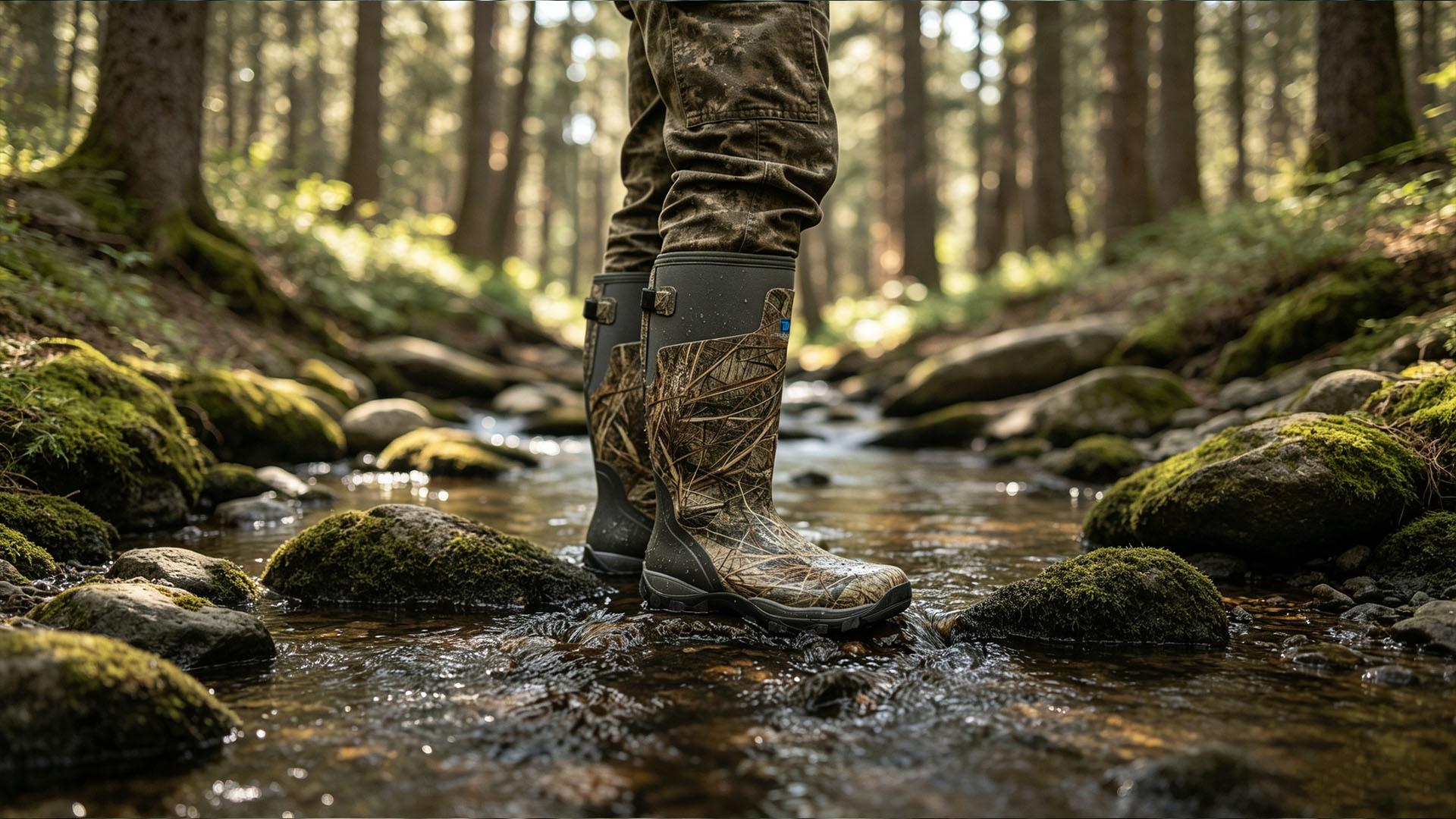
Walking through wet grass, muddy firebreaks, and damp pine straw often requires waterproof hunting boots for pine-plantation quail hunting that provide secure heel retention, reliable traction, and enough comfort for long upland walks.
The best footwear should not be overly heavy.
Bobwhite hunting involves steady movement, quick turns, and long days behind a dog.
Waterproof protection matters, but weight and flexibility matter too.
Wet Grass Can Soak You Faster Than Rain
Even after the sky clears, water remains on grass and weeds.
A hunter walking through knee-high cover may become soaked within minutes.
This moisture can run down pant legs and into boots.
Gaiters or brush pants can help.
Choose clothing and footwear that work together.
Waterproof boots are less effective when water enters from above.
Muddy Firebreaks Require Traction
Firebreaks and plantation roads can become slick after rain.
Clay soil may pack into outsoles.
Loose sand may shift underfoot.
Pine needles on wet clay can become especially slippery.
Move carefully near:
- Slopes
- Road cuts
- Creek crossings
- Rutted tracks
- Recently burned soil
- Logging decks
Quail hunting may feel less extreme than mountain hunting, but wet plantation ground can still cause falls.
Dogs Work Differently in Damp Cover
Moisture can improve scenting conditions in some situations.
It can also create swirling scent around thick vegetation and wet ground.
Watch the dog carefully.
The dog may slow down, circle, or return repeatedly to one patch before establishing point.
Do not rush in too quickly.
Let the dog work.
Bobwhite coveys may move on foot before flushing, especially in warm or pressured conditions.
Keep the Dog Close in Thick Edges
Pine plantations can limit visibility.
A dog may disappear behind rows, brush piles, or old field edges.
Use bells, beepers, GPS collars, or other legal tracking tools appropriate to the hunting style.
The correct dog range depends on:
- Cover density
- Wind
- Bird behavior
- Terrain
- Hunter experience
- Partner positions
A dog working too far ahead may flush birds out of range.
A dog working too close may not cover enough habitat.
Balance matters.
Hunting Without a Dog Is Possible but Harder
Bobwhite hunting is strongly associated with dogs, but a careful hunter can still find birds without one.
Focus on:
- Covey calls
- Fresh tracks
- Dusting sites
- Droppings
- Firebreak edges
- Old field corners
- Brush piles
- Weedy pine openings
Move slowly and pause often.
After a covey flush, mark where singles land.
Scattered birds may hold tighter and provide follow-up opportunities.
Without a dog, recovery becomes harder, so shot selection must be more conservative.
The Covey Rise Demands Control
A bobwhite covey rise is sudden and loud.
Birds flush in multiple directions.
The excitement can cause rushed shots.
Before entering likely cover, every hunter should know:
- Where partners are
- Where dogs are
- Safe shooting zones
- Property boundaries
- Nearby roads or buildings
- Livestock locations
- The direction of travel
Never fire at sound alone.
Never swing through another person or dog.
The safest shot may be the one you pass.
Singles Can Provide the Best Dog Work
After the covey rise, birds often scatter into nearby cover.
Singles may hold tightly.
This can create some of the best hunting of the day.
Mark landing areas carefully.
Look for specific landmarks:
- A pine row
- A brush pile
- A firebreak corner
- A clump of broomsedge
- A blackberry patch
- A stump
- A lone hardwood
Wait briefly before following.
Then approach slowly and let the dog work.
Singles can sit surprisingly tight in light cover.
Do Not Overpressure Small Coveys
Bobwhite populations can be fragile in many areas.
Habitat quality, weather, predators, land management, and hunting pressure all influence local numbers.
If a covey is small, avoid chasing it repeatedly.
After one covey rise and a limited attempt at singles, consider moving on.
Responsible hunting helps maintain future opportunity.
A good dog and a good day do not justify pushing a covey beyond reason.
Covey Size Matters
A large covey can usually tolerate more pressure than a small covey, but every situation is different.
Pay attention to:
- Number of birds flushed
- Habitat quality
- Time of season
- Weather stress
- Hunting pressure
- Local population trends
When numbers are low, restraint is part of good hunting.
Hunters should think like habitat stewards, not just shooters.
Property Management Shapes the Hunt
Bobwhite quail are strongly tied to land management.
A property that looks similar on a map can change dramatically based on how it is managed.
Important practices may include:
- Prescribed burning
- Thinning pines
- Creating field borders
- Managing native grasses
- Reducing clean mowing
- Maintaining brushy escape cover
- Disking strips
- Controlling invasive plants
- Protecting brood habitat
Hunters should learn what good habitat looks like so they can identify productive areas and support better management decisions.
Food Plots Are Not Enough
Food plots can help wildlife, but quail need more than planted food.
A clean food plot surrounded by closed-canopy pines may attract little covey activity.
More useful areas combine food with:
- Bare ground
- Insect-rich brood cover
- Nesting grass
- Escape brush
- Shrubby edges
- Safe travel lanes
The plot edge may matter more than the plot center.
Quail habitat is about structure, not just food.
Brood Cover Is Often Overlooked
Young quail need insect-rich areas where they can move easily beneath overhead cover.
Good brood habitat may look weedy and imperfect.
It often includes:
- Bare soil between plants
- Low overhead cover
- Insects
- Forbs
- Light grass
- Nearby escape cover
A property without brood cover may struggle to produce strong coveys even if adult birds have food.
Hunters interested in long-term quail numbers should pay attention to what chicks need, not only where adult birds flush.
Clean Mowing Can Hurt Edges
Mowed lanes and neat field borders may look attractive, but excessive mowing can remove seed heads, nesting cover, and escape structure.
A better edge often includes irregular growth.
Some cover should remain standing.
Birds need vertical and horizontal structure.
A perfectly trimmed edge may be easy to walk but poor for quail.
Habitat that scratches your pants may be doing more for birds than habitat that looks clean from a truck window.
Predator Pressure Is Part of the System
Bobwhite quail face many predators, including hawks, owls, snakes, raccoons, foxes, coyotes, bobcats, and domestic cats in some areas.
Good habitat helps quail survive predation by providing escape cover and reducing exposure.
Hunters often focus only on predator numbers, but cover quality is equally important.
A covey in open, clean habitat is vulnerable.
A covey surrounded by usable escape cover has more options.
Do Not Ignore Small Properties
A small pine tract with the right edge cover can hold birds.
Especially when nearby properties provide additional habitat.
Look for small parcels containing:
- Weedy firebreaks
- Thinned pines
- Old fields
- Brushy boundaries
- Native grass patches
- Creek edges
- Lightly managed openings
Quail do not read property lines.
They use the habitat available.
A small tract can become part of a larger covey range when it contains the right structure.
Public Land Can Be Productive but Patchy
Public pine lands may hold quail, but habitat quality varies widely.
Look for recent management activity.
Good signs include:
- Prescribed burn units
- Thinned stands
- Native grass restoration
- Wildlife openings
- Rough field edges
- Managed quail areas
- Firebreak networks
Avoid spending the whole day in dark, closed-canopy pines.
Move until you find sunlight, ground cover, and edge complexity.
Respect Other Hunters and Dogs
Quail hunting often involves multiple hunters and dogs working through cover.
On public land, give other groups space.
Do not cut ahead of someone working a covey.
Do not shoot toward another dog or handler.
Communicate clearly when meeting other hunters.
Good etiquette protects both safety and hunting quality.
Watch for Deer Hunters
Quail seasons may overlap with deer seasons.
Pine plantations often attract deer hunters using stands, blinds, and food plots.
Wear required hunter orange.
Avoid walking directly through occupied stand areas when possible.
Communicate politely.
Know the property rules.
A quail hunt should not ruin another person’s deer hunt.
Snakes Can Be a Concern in Warm Weather
In southern pine country, warm days may overlap with snake activity.
Watch where you place hands and feet.
Keep dogs under control around logs, brush piles, and warm sunny openings.
Know local snake risks and veterinary options.
If a snake is encountered, move away and give it space.
Do not attempt to handle it.
Check Dogs After Every Hunt
Pine plantations and old fields can contain hazards.
Inspect dogs for:
- Cuts
- Thorns
- Grass awns
- Ticks
- Eye irritation
- Paw damage
- Heat stress
- Barbed wire injuries
Carry basic canine first-aid supplies.
Know the nearest veterinarian, especially when hunting remote properties.
Ticks and Chiggers Are Part of Southern Quail Cover
Warm-season and early-season hunts may expose hunters to ticks, chiggers, and other insects.
Use appropriate prevention methods.
Check clothing and skin after the hunt.
Dogs should also be checked carefully.
Brushy quail habitat is excellent for birds, but it can also hold plenty of insects.
Carry Less but Carry Smart
Quail hunting requires movement.
Heavy, loose gear becomes tiring and catches on brush.
Useful equipment may include:
- Water for hunter and dog
- Ammunition
- First-aid supplies
- Dog gear
- Navigation
- Licenses
- Game vest
- Weather protection
- Eye protection
Keep straps secure.
A streamlined setup moves through pine edges more quietly.
Eye Protection Is Important
Pine limbs, blackberry canes, briars, and brush can strike at face level.
Protective glasses reduce risk.
This is especially important when following dogs into thick cover or working through old field edges.
Clear or lightly tinted lenses can protect eyes without reducing visibility too much.
Regulations Must Be Verified Locally
Bobwhite quail regulations vary by state, property, and season.
Hunters should verify current rules involving:
- Season dates
- Daily limits
- Possession limits
- Licenses
- Legal shooting hours
- Public-land rules
- Dog restrictions
- Non-toxic ammunition requirements in specific areas
- Hunter-orange requirements
Use current official wildlife-agency information before hunting.
Do not rely on old articles or another hunter’s memory.
Common Bobwhite Quail Hunting Mistakes
Hunting Dark Pine Rows
Closed-canopy plantations often lack usable ground cover.
Ignoring Firebreak Edges
Firebreaks can provide food, travel, dusting, and edge habitat.
Walking Too Fast
Coveys may hold tight or move quietly through cover.
Focusing Only on Food Plots
Structure, bare ground, brood cover, and escape cover matter too.
Letting Dogs Range Too Far
Thick pine edges and scattered coveys require control.
Overpressuring Small Coveys
Responsible restraint matters for future hunting.
Wearing Heavy or Poorly Fitted Boots
Quail hunting requires long walking, wet grass protection, traction, and comfort.
Shooting at Sound or Movement
Always identify birds and confirm safe shooting zones.
Judging Habitat From the Road
The best cover is often visible only at ground level.
Frequently Asked Questions
Are pine plantations good for bobwhite quail?
They can be when sunlight reaches the ground and creates grasses, forbs, seeds, bare soil, insects, and escape cover. Dark closed-canopy plantations are usually less productive.
Where should you look for quail in pine plantations?
Focus on firebreaks, thinned pine stands, old field edges, brush piles, weedy roads, prescribed burn areas, and transitions between pines and openings.
Do bobwhite quail need open fields?
They need a mix of feeding cover, bare ground, nesting cover, brood habitat, and escape cover. Open fields alone are not enough.
Can you hunt bobwhite quail without a dog?
Yes, but it is harder. Hunters without dogs should focus on covey calls, fresh sign, dusting areas, firebreak edges, and slow movement through high-quality habitat.
What boots are best for pine plantation quail hunting?
Choose lightweight waterproof boots with secure fit, good traction, and enough comfort for long walks through wet grass, sandy roads, muddy firebreaks, and brushy edges.
Why are bobwhite quail hard to find?
They often use small patches of specific habitat. A property may look good from a distance but lack the ground-level structure coveys need.
Final Thoughts
Bobwhite quail are edge birds.
They need food, but not just food.
Cover, but not solid cover.
Bare ground, but not open exposure.
Pines, but only when sunlight reaches the floor.
The best pine plantation quail cover is usually a patchwork.
A thinned stand.
A weedy firebreak.
An old field corner.
A brush pile.
A burned edge.
A strip of ragweed beside young pines.
Hunters who walk only the clean rows may never see birds.
Hunters who study the messy edges may find coveys where the plantation comes alive at ground level.
Slow down.
Watch the dog.
Listen for calls.
Look for dusting sites, droppings, tracks, seeds, bare soil, and escape cover.
And remember that a pine plantation becomes quail habitat only when the ground beneath the trees gives the birds everything they need.
