
The forest looks almost impossible to hunt.
Young trees grow tightly together. Branches block visibility. Fallen logs cover the ground, and every step through the brush creates noise.
Most hunters naturally walk past this type of cover.
It looks too thick.
Too messy.
Too difficult.
That is exactly why it often holds ruffed grouse.
Ruffed grouse are specialists of young forests. They thrive where many hunters feel uncomfortable walking—regenerating timber, alder edges, abandoned fields, brushy cuts, and mixed-age forests where dense cover meets mature trees.
Unlike birds that depend on wide open feeding areas, ruffed grouse survive through quick bursts of movement, camouflage, and their ability to disappear into thick vegetation.
Finding them is not about walking the biggest forest.
It is about identifying the small pockets where food, cover, and escape routes overlap.
Ruffed Grouse Follow Forest Change
A mature forest may look beautiful.
Large trees.
Open understory.
Easy walking.
But it may not provide the habitat ruffed grouse need.
These birds are strongly connected to forest succession.
As forests change after:
- Timber harvest
- Storm damage
- Fire
- Disease
- Abandoned farmland
- Natural regeneration
Young vegetation develops.
Shrubs grow.
Small trees compete for sunlight.
The forest floor becomes more complex.
This stage creates the structure grouse need.
Hunters who understand forest age often find birds faster than those who only look for remote wilderness.
Young Forest Is the Key
The best ruffed grouse habitat often contains trees and shrubs at different heights.
Look for:
- Aspen regeneration
- Birch stands
- Alder patches
- Blackberry and raspberry growth
- Dense saplings
- Brushy edges
- Young maple
- Thick creek bottoms
- Old clear-cuts
The ideal cover is usually not a completely open field and not an old mature forest.
It is the transition between.
Young forests provide:
- Food
- Nesting cover
- Protection from predators
- Escape routes
- Roosting locations
Aspen Is One of the Most Important Trees
Across much of ruffed grouse range, aspen is strongly associated with productive habitat.
Young aspen creates dense stems close together.
Older aspen provides buds and seasonal food resources.
A mixture of ages is often more valuable than one uniform stand.
When scouting aspen areas, look for:
- Small clear-cuts
- Regenerating timber
- Aspen mixed with shrubs
- Aspen near wetlands
- Aspen beside mature forest
The edge between young and old trees often provides the greatest variety of resources.
Do Not Ignore Abandoned Fields
Old farm fields slowly transform into excellent grouse habitat.
Over time they develop:
- Shrubs
- Young trees
- Grass
- Berry plants
- Brush piles
- Edge cover
These locations may look less “wild” but can produce excellent bird numbers.
Look for abandoned fields connected to:
- Woodlots
- Creek bottoms
- Young forest
- Wet areas
- Hedgerows
A small overgrown field surrounded by cover can hold more birds than a large uninterrupted forest.
Thick Cover Requires Slow Hunting
Ruffed grouse hunting is not a high-speed activity.
Many birds are located only because the hunter notices a tiny clue:
- A leaf moving
- A shadow shifting
- A bird running ahead
- A faint wing sound
- Dog behavior changing
- Fresh droppings beneath cover
Walking too quickly pushes birds before the hunter understands what happened.
Take a few steps.
Stop.
Look.
Listen.
The forest becomes more informative when movement slows down.
The Best Grouse Cover Often Feels Uncomfortable
Experienced grouse hunters learn that difficult walking is often a positive sign.
Good habitat may contain:
- Thick saplings
- Fallen trees
- Wet ground
- Thorny shrubs
- Uneven terrain
- Dense brush
These areas discourage predators and people.
A hunter willing to work through uncomfortable cover may find birds others ignore.
However, difficult terrain also increases safety concerns.
Plan routes carefully.
Forest Edges Create Travel Routes
Ruffed grouse often use edges between different habitats.
Important transitions include:
- Young forest and mature timber
- Aspen and conifers
- Wetlands and hardwoods
- Fields and woods
- Logging roads and regeneration
- Brush and open forest
Edges provide multiple resources within a small area.
A bird can feed near one habitat and escape into another within seconds.
Walk edges slowly.
Do not only search the center of the thickest cover.
Creek Bottoms Can Hold Birds
Small streams create unique habitat.
They often support:
- Alder
- Willow
- Dense shrubs
- Moist soil
- Insects
- Berry-producing plants
Creek bottoms can provide excellent escape cover.
They can also be difficult to walk.
Expect:
- Mud
- Slippery rocks
- Fallen trees
- Wet vegetation
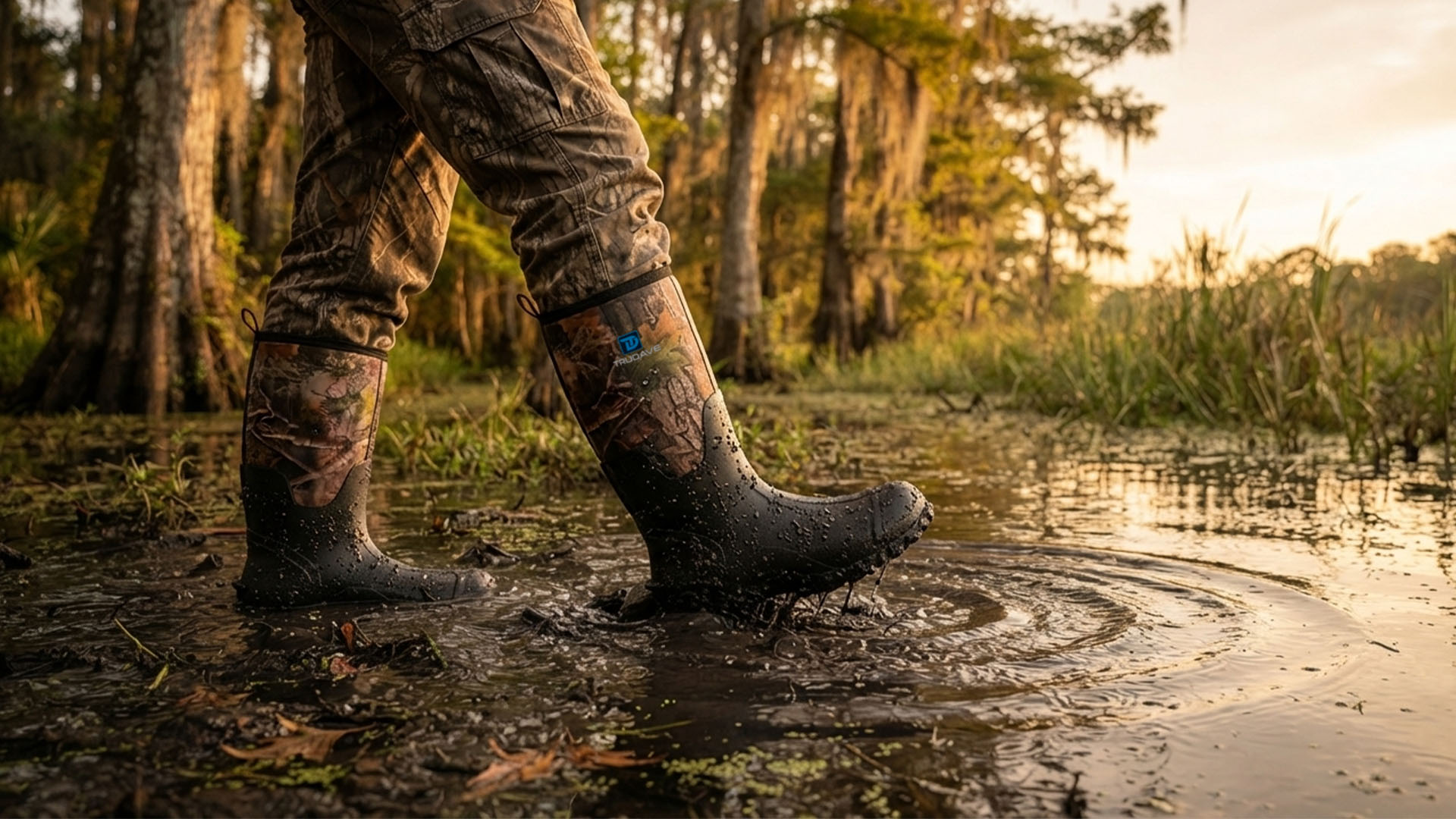
Hunters exploring these areas may benefit from waterproof hunting boots for thick forest grouse hunting that provide traction, moisture protection, and stability during long walks through uneven terrain.
The best footwear choice depends on temperature, distance, and ground conditions.
Logging Roads Are More Than Access Trails
Old logging roads create habitat edges.
They allow sunlight into the forest and encourage vegetation growth.
Look for:
- Overgrown road edges
- Brushy intersections
- Young timber nearby
- Water crossings
- Abandoned spurs
Avoid assuming the road itself is the hunting location.
The best cover is usually beside it.
Old Clear-Cuts Can Become Prime Habitat
A clear-cut does not immediately become good grouse habitat.
The timeline matters.
Early stages may provide limited food and cover.
After several years, shrubs and young trees create ideal structure.
Look for cuts with:
- Dense regeneration
- Mixed vegetation
- Nearby mature trees
- Berry-producing plants
- Limited disturbance
Aerial maps help identify timber age, but walking the ground reveals actual habitat quality.
Hunt the Transition From Food to Cover
Many hunters focus only on where birds feed.
The better question is:
Where do they feed and escape within seconds?
A productive location often connects:
- Berry-producing shrubs
- Dense young trees
- Mature roosting trees
- Water
- Escape cover
The closer these features are together, the more valuable the habitat.
Grouse do not need to travel far when everything they need exists in one small area.
Berry Patches Matter in Early Season
During early fall, berries can influence movement.
Look for:
- Blackberry
- Raspberry
- Blueberry
- Dogwood berries
- Wild grapes
- Other local fruit-producing plants
Berry patches near dense cover can become feeding locations.
Do not hunt only the berry patch.
Study where birds go after feeding.
The nearest thick escape cover may be the real opportunity.
Snow Reveals Grouse Movement
Fresh snow changes forest hunting.
Tracks can reveal:
- Travel routes
- Feeding areas
- Roost locations
- Preferred cover
- Frequently used edges
Look for:
- Tracks beneath trees
- Wing marks
- Droppings
- Scratch marks
- Feeding sign
Snow does not guarantee success.
Weather can also push birds into different habitat.
Use tracks as information, not a guarantee.
Roosting Trees Provide Clues
Ruffed grouse may spend nights in trees depending on conditions.
Look beneath likely roost areas.
Signs include:
- Droppings
- Feathers
- Tracks
- Disturbed snow
- Repeated use
Do not repeatedly disturb roosting areas.
Understanding where birds rest helps explain where they travel during daylight.
Wind Changes How Grouse Use Cover
Strong wind can alter bird behavior.
Grouse may seek:
- Protected slopes
- Dense conifers
- Brushy bottoms
- Sheltered edges
Quiet pockets become more valuable during harsh weather.
Wind also affects hunting strategy.
A noisy forest can make it harder to hear birds moving.
Slow down and rely more on visual clues.
Weather Influences Daily Movement
Cold mornings, warm afternoons, rain, and snow all change grouse activity.
During colder periods:
Birds may spend more time feeding.
During warm conditions:
They may seek shade and cooler cover.
After rain:
Forest edges and berry patches may become more attractive.
Successful grouse hunters adjust rather than following the same route every day.
A Pointing Dog Changes the Hunt
A trained pointing dog can be extremely valuable in thick cover.
The dog may detect birds before the hunter sees movement.
Watch for:
- Slowing pace
- Tail changes
- Increased focus
- Sudden stops
- Tight searching
However, dense forest creates challenges.
Branches, hills, and thick vegetation can hide the dog quickly.
Maintain awareness of location before every shot.
Flushing Dogs Can Work Well Too
A flushing dog can cover brushy terrain efficiently.
The key is control.
A dog running too far ahead may push birds beyond shooting distance.
The best range depends on:
- Cover density
- Hunter visibility
- Terrain
- Dog training
- Bird behavior
Keep the dog close enough to work effectively.
Hunting Without a Dog Requires More Observation
Many successful grouse hunters hunt without dogs.
The strategy changes.
Focus on:
- Habitat selection
- Slow movement
- Listening
- Fresh sign
- Likely escape cover
After a flush, mark the landing direction.
A bird often remains close.
Rushing immediately after it usually reduces the chance of another opportunity.
The Flush Happens Fast
Ruffed grouse are famous for explosive flushes.
One second the forest is silent.
The next second:
Branches move.
Wings beat.
A bird disappears.
Preparation matters.
Keep the shotgun ready in a safe position.
Avoid unnecessary movement.
Know where partners and dogs are located.
Do not swing through thick vegetation without identifying the target.
Passing Shots Are Often Better Than Immediate Shots
The first reaction is often to shoot the moment the bird appears.
That creates rushed shots.
A brief pause can improve:
- Identification
- Safety
- Shot placement
- Follow-through
The bird may provide a better angle after clearing nearby branches.
Never sacrifice safety for a fast opportunity.
Dense Woods Create Safety Challenges
Thick forests reduce visibility.
Before hunting, discuss:
- Travel direction
- Shooting zones
- Communication signals
- Meeting locations
Wear required visibility clothing.
Never shoot at movement without confirming it is legal game.
Branches and vegetation can hide people and dogs.
Footing Is Often the Biggest Challenge
Grouse habitat is rarely flat and clean.
Expect:
- Wet leaves
- Roots
- Rocks
- Fallen logs
- Mud
- Slippery slopes
- Hidden holes
Most hunting injuries happen from simple footing mistakes.
Look where you step.
Do not stare only at the next likely bird location.
Waterproof Boots Matter More in Dense Woods Than Hunters Expect
Many grouse hunters focus on camouflage and firearms.
They underestimate footwear.
A full day in young forest can mean repeated exposure to:
- Wet leaves
- Morning dew
- Creek crossings
- Mud
- Snow
- Cold ground
Waterproof hunting boots with secure fit and dependable traction help maintain comfort and stability during long forest hunts.
Wet feet reduce endurance.
Cold feet reduce concentration.
Footwear directly affects how long a hunter can remain effective.
Avoid Overly Heavy Boots
Ruffed grouse hunting involves constant movement.
Heavy insulated boots may create unnecessary fatigue.
Consider:
- Distance
- Temperature
- Terrain
- Activity level
- Snow depth
A mobile hunter often benefits from a lighter boot with enough support and protection.
Protect Your Eyes in Young Forest
Branches are everywhere.
Low saplings and broken limbs can strike unexpectedly.
Eye protection can reduce injury risk.
Move carefully through thick cover.
Do not push blindly through brush while focused only on finding birds.
The safest hunter is usually the most controlled hunter.
Mark Productive Cover
Grouse habitat often repeats.
If one area produces birds, note why.
Record:
- Tree species
- Forest age
- Moisture
- Weather
- Elevation
- Vegetation
- Time of day
You are building a habitat map.
The goal is not remembering one spot.
It is learning what productive habitat looks like.
Small Parcels Can Produce Birds
Hunters often search large forests.
Small woodlots can be overlooked.
A small patch containing:
- Aspen regeneration
- Creek cover
- Brush
- Young trees
- Nearby mature timber
may hold birds.
Especially when surrounded by less suitable habitat.
Do not judge a property only by acreage.
Habitat quality matters more.
Public Land Requires Flexibility
Popular grouse areas receive pressure.
Birds may move away from:
- Roads
- Parking areas
- Easy trails
- Frequently hunted covers
Explore secondary areas.
Look for:
- Less obvious access
- Smaller cuts
- Older abandoned roads
- Difficult terrain
- Overlooked edges
Preparation often beats distance.
Respect Timber Operations
Many grouse habitats exist because of forestry activity.
Hunters should respect:
- Active logging areas
- Equipment
- Roads
- Workers
- Posted closures
Do not enter dangerous active operations.
Return after harvesting creates suitable habitat.
Forest management and hunting can coexist when hunters act responsibly.
Common Ruffed Grouse Hunting Mistakes
Hunting Mature Forest Only
Young forest usually provides better habitat.
Walking Too Fast
Grouse are found through observation.
Ignoring Thick Cover
Difficult areas often hold the most birds.
Focusing Only on Roads
The habitat beside the road matters more.
Wearing Poor Footwear
Wet, uneven woods require reliable traction and protection.
Shooting at Unidentified Movement
Dense cover makes safety essential.
Following Every Flush Aggressively
Slow follow-up often works better.
Ignoring Small Habitat Pockets
Small areas can hold surprising numbers of birds.
Frequently Asked Questions
What is the best habitat for ruffed grouse?
Young forests, especially aspen regeneration, mixed brush, alder edges, and early-successional areas with nearby mature timber.
Can you hunt ruffed grouse without a dog?
Yes. Slow movement, habitat knowledge, and careful observation can produce success.
What time of day are ruffed grouse most active?
Activity varies, but morning and late afternoon periods are often productive, especially when birds are moving between feeding and resting areas.
Why do ruffed grouse like thick cover?
Dense vegetation provides food, nesting areas, predator protection, and quick escape routes.
What boots are best for grouse hunting?
Waterproof boots with good traction, secure fit, and manageable weight are useful because grouse habitat often includes wet leaves, mud, uneven ground, and long walking distances.
Final Thoughts
Ruffed grouse are not usually found where walking is easy.
They live in the messy places.
The young forest.
The brushy edge.
The abandoned field.
The wet creek bottom.
The thick regeneration nobody wants to push through.
Successful grouse hunters learn to appreciate those places.
They study forest age.
They follow habitat transitions.
They move slowly.
They listen.
They protect their feet because the best cover is often the hardest ground to travel.
The next time a section of woods looks too thick, too wet, or too inconvenient to hunt, remember:
That may be exactly why the grouse are there.
