
Ask five experienced hunters what they carry into the woods, and you’ll probably get five different answers.
One hunter packs enough equipment for an overnight emergency.
Another carries little more than water, ammunition, and a knife.
Neither approach is automatically right or wrong.
The best hunting backpack isn’t the one that’s packed the fullest—it’s the one that carries exactly what you need without slowing you down.
Too much gear creates unnecessary weight, increases fatigue, and makes quiet movement more difficult. Too little gear can leave you unprepared when weather changes, an unexpected delay occurs, or a successful harvest turns into a long pack-out.
A well-organized day pack should support your hunt, not become a distraction.
Start With Your Hunting Style
Before filling your backpack, consider the type of hunt you’re planning.
A two-mile hike into public land requires different equipment than sitting in a box blind overlooking a food plot.
Ask yourself:
- How far will I walk?
- How long will I stay?
- Will the weather change?
- Am I hunting alone?
- How difficult is the terrain?
- What is the likelihood of packing game out?
The answers determine what belongs in your pack.
Water Is Always a Priority
Even during cold weather, hunters lose water through walking, climbing, and layered clothing.
Carry enough drinking water for the expected conditions.
On longer hunts, consider a hydration bladder or multiple bottles instead of relying on a single container.
Avoid waiting until you’re thirsty to drink.
Steady hydration helps maintain focus and physical performance throughout the day.
Dress for Changing Conditions
Morning temperatures often differ dramatically from afternoon temperatures.
Instead of wearing every layer at once, pack lightweight clothing that can be added or removed easily.
Common choices include:
- Lightweight rain jacket
- Insulating layer
- Extra gloves
- Neck gaiter
- Warm hat
Dry clothing also becomes valuable if unexpected rain or creek crossings leave you wet.
Navigation Tools Still Matter
Smartphones have become excellent navigation tools.
They also run out of battery.
Carry more than one navigation option whenever practical.
Examples include:
- Offline mapping apps
- Printed maps
- Compass
- Portable battery pack
Knowing where you are is just as important as knowing where the deer are.
A Compact First Aid Kit Is Worth the Space
You don’t need a large medical bag.
But every day pack should contain basic supplies appropriate for your trip.
Consider including items such as:
- Adhesive bandages
- Gauze
- Medical tape
- Blister treatment
- Antiseptic wipes
- Elastic wrap
- Personal medications
Hopefully, you never need them.
If you do, you’ll be glad they’re there.
Pack Food That Travels Well
Energy matters during long hunts.
Choose snacks that tolerate changing temperatures and don’t require preparation.
Examples include:
- Trail mix
- Jerky
- Protein bars
- Nuts
- Dried fruit
Small amounts eaten throughout the day often work better than one large meal.
Organize Your Backpack
A messy backpack wastes time.
Frequently used items should remain easy to reach.
Group similar equipment together.
Examples:
- Emergency gear
- Food
- Navigation
- Optics
- Calls
- Clothing
Knowing exactly where everything is helps reduce unnecessary movement in the field.
Keep Electronics Protected
Weather changes quickly.
Protect:
- Phone
- GPS
- Battery pack
- Headlamp
- Rangefinder
Use waterproof storage whenever possible.
A simple dry bag or waterproof pouch can prevent expensive problems.
Don’t Forget Lighting
Every hunter expects to return before dark.
Not every hunt goes as planned.
Carry a dependable headlamp plus spare batteries.
Hands-free lighting makes walking safer while keeping both hands available for balance.
Knife and Field Care Supplies
If your hunt is successful, you’ll need equipment to process game safely.
Depending on your location and hunting style, consider carrying:
- A sharp knife
- Disposable gloves
- Small sharpening tool
- Game bags where appropriate
Practice safe knife handling and know local game transport regulations.
Weather Can Change Your Entire Plan
A forecast isn’t a guarantee.
Rain.
Wind.
Snow.
Rapid temperature drops.
Preparing for moderate weather changes allows you to remain in the field safely and comfortably.
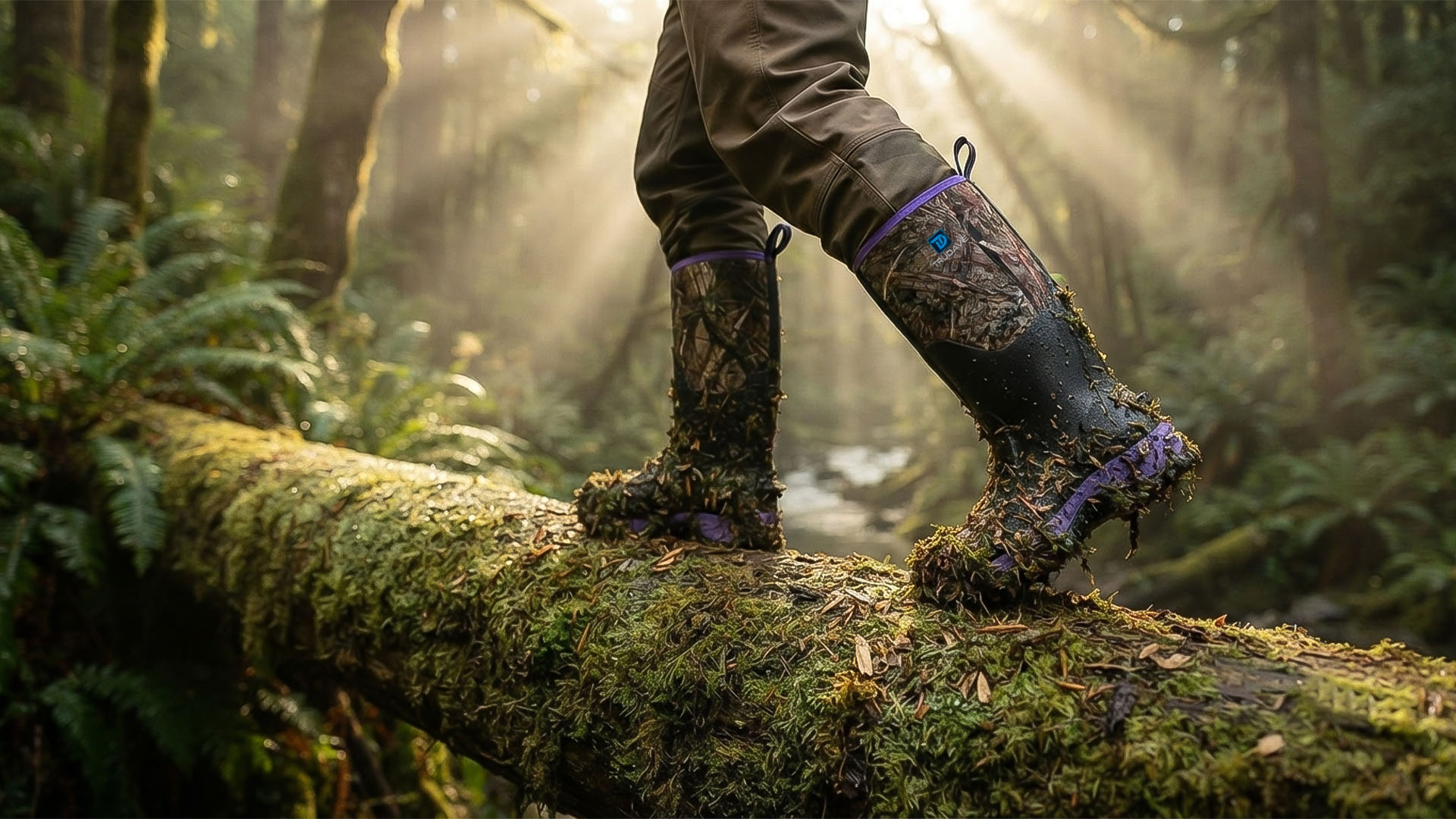
Hunters spending long hours covering changing terrain often rely on waterproof hunting boots built for all-day hunts to stay comfortable during muddy trails, wet grass, creek crossings, and unpredictable weather.
Dry feet don’t guarantee success, but discomfort often shortens otherwise productive hunts.
Keep Weight Under Control
Every unnecessary pound becomes noticeable after several miles.
Before each season, empty your backpack completely.
Ask yourself:
Did I use this last season?
Will I realistically need it today?
Can something lighter replace it?
Packing smarter usually beats packing more.
Prepare for a Longer Walk Out
Harvesting game changes everything.
The easy hike in becomes a difficult hike out.
Plan for extra effort.
Carry enough water.
Know your exit routes.
Think about how you’ll transport equipment and harvested game before the hunt begins.
Learn From Every Hunt
After returning home, unpack your backpack.
Notice what remained untouched.
Notice what you wished you’d carried.
Adjust your system.
Over time, your pack becomes more efficient because it’s built around your own experience rather than someone else’s checklist.
Common Day Pack Mistakes
Carrying Too Much
Extra weight creates unnecessary fatigue.
Forgetting Water
Hydration affects decision-making and endurance.
Ignoring Weather
Conditions often change throughout the day.
Poor Organization
Searching for equipment creates noise and wasted movement.
Depending Entirely on One Phone
Always have backup navigation and lighting options.
Packing Heavy “Just in Case” Gear
Balance preparedness with mobility.
Never Updating Your Pack
Review equipment after every season.
Frequently Asked Questions
What should you carry on a day hunt?
Essentials often include water, food, navigation tools, weather protection, lighting, first aid supplies, and equipment appropriate for your hunting method.
How heavy should a hunting day pack be?
The ideal weight depends on terrain, distance, weather, and hunting style. Carry only what supports the day’s objectives.
Do you need a first aid kit while hunting?
A compact first aid kit is recommended for addressing minor injuries and helping manage unexpected situations until additional assistance is available.
Should you carry extra clothing?
Packing lightweight layers allows you to adapt to changing temperatures and weather throughout the day.
How do you organize a hunting backpack?
Store frequently used equipment where it can be reached quickly and group similar items together to reduce unnecessary searching in the field.
Final Thoughts
A successful day hunt rarely depends on carrying the most equipment.
It depends on carrying the right equipment.
Plan around your hunt.
Stay organized.
Prepare for changing weather.
Protect essential electronics.
Carry enough water.
Reduce unnecessary weight.
And review your gear after every trip.
The best hunting backpack isn’t the one with the most pockets.
It’s the one that allows you to move quietly, stay comfortable, and remain focused on the hunt from the first step to the last.
