
Spruce grouse country can feel quiet enough to be empty.
Black spruce grows along a wet lowland.
Jack pine covers the drier ridge.
Moss softens every step.
A narrow logging road curves through the timber.
Nothing flushes.
Nothing calls.
Nothing seems to move.
Then one bird steps onto the road edge.
Another is sitting low beneath a spruce.
A third remains motionless on a branch only a few yards above the ground.
That is spruce grouse hunting.
These birds can be surprisingly difficult to detect because they often rely on stillness rather than distance.
Successful hunters learn to search the places where:
- Conifer cover
- Young forest
- Bog edges
- Gravel roads
- Berry-producing vegetation
- Seasonal food
come together.
The best habitat may not look dramatic.
It may simply look darker, wetter, younger, or slightly more open than the surrounding forest.
Spruce Grouse Are Birds of Northern Conifer Forest
Spruce grouse are closely associated with northern boreal and conifer-dominated habitats.
Productive areas may include:
- Black spruce
- White spruce
- Jack pine
- Fir
- Tamarack
- Young conifer regeneration
- Bog margins
- Forest roads
They differ from many other grouse because they are strongly tied to conifer systems.
Start With Conifers
If the landscape is dominated by mature hardwoods, you may be looking in the wrong place.
Look for areas where spruce and pine become more common.
Young Conifer Stands Can Be Productive
Regenerating forest may provide:
- Dense low cover
- Food
- Security
Mature Conifers Matter Too
Older stands can provide feeding and roosting habitat.
The Best Areas Often Mix Age Classes
A combination of:
- Young spruce
- Mature pine
- Open road edge
can be better than one uniform block.
Bog Edges Are One of the Best Habitat Features
Northern bogs often create a transition between:
- Wet lowland
- Spruce
- Open moss
- Shrubby ground
Hunt the Edge, Not the Middle
Deep bogs can be difficult to walk.
Birds may use the firmer transition zone.
Tamarack Margins Can Be Worth Checking
Seasonal color and open structure create distinct habitat.
Small Wet Pockets Matter
A shallow muskeg opening may provide enough diversity to hold birds.
Mossy Ground Can Be Productive
Soft forest floor supports:
- Insects
- Berries
- Low vegetation
But Moss Can Hide Water
What looks like solid green ground may be saturated.
Test Footing Carefully
Especially around bog margins.
Spruce Grouse Often Remain Very Still
One of the defining traits of hunting them is how easily they can disappear without moving.
Look Before You Step
A bird may stand only a few yards away.
Scan Low Branches
Spruce grouse may perch relatively low.
Search the Ground Beneath Conifers
Their plumage blends extremely well with:
- Bark
- Needles
- Shadow
Movement Is Often the First Clue
A head turn can reveal an entire bird.
Do Not Expect Explosive Flushes Every Time
Some birds may:
- Walk
- Hop onto a branch
- Move slowly through cover
before flying.
Slow Hunting Works Better
Move a short distance.
Stop.
Look.
Listen.
Logging Roads Can Be Extremely Useful
Northern forest roads create:
- Visibility
- Gravel
- Feeding edges
- Easy walking
Birds May Use Road Shoulders
Especially where grass, berries, and grit are available.
Slow Down Around Bends
A grouse may be standing just beyond sight.
Road Edges Can Hold Multiple Habitat Types
One side may be:
- Young spruce
The other may be:
- Mature pine
That transition can be excellent.
Gravel Can Provide Grit
Birds may visit roads or exposed soil.
Early Morning Road Hunting Can Be Productive
Low disturbance and cooler conditions may bring birds toward open edges.
But Do Not Hunt From Vehicles
Follow current access and hunting laws.
Walk the Roads
Where legal.
Closed Logging Roads Can Be Excellent
If foot access is allowed, they may receive less disturbance.
Verify Access First
A gate does not automatically mean public walk-in permission.
Forestry Changes Habitat Constantly
A cut made several years ago may now contain perfect young conifer growth.
Recent Clearcuts Can Be Too Open
Birds may prefer areas after regeneration develops.
Older Cuts Can Become Dense
That can improve security but reduce visibility.
Hunt the Transition Zone
Where young growth meets mature timber can be especially useful.
Slash Piles Can Provide Cover
But they can also be dangerous to walk around.
Watch for:
- Sharp branches
- Unstable logs
- Hidden holes
Do Not Climb Unstable Timber Debris
Berries Can Influence Early-Season Habitat Use
Depending on region, spruce grouse may feed around low vegetation and berry-producing plants.
Look for Forest Openings With:
- Blueberries
- Low shrubs
- Ground vegetation
Berry Patches Near Conifers Can Be Good
Food and security remain close together.
Late Season Changes Diet
As winter arrives, conifer needles become more important.
This Can Shift Birds Deeper Into Spruce and Pine
Early-season road edges may become less important later.
Seasonal Food Changes Habitat Use
Do not assume September and December birds will be in identical places.
Snow Can Make Spruce Grouse Easier to Pattern
Fresh snow reveals:
- Tracks
- Feeding areas
- Current movement
Look Around Conifer Edges
Tracks may show birds moving between:
- Trees
- Road shoulders
- Low cover
Snow Can Reveal Roosting Activity
Small concentrations of tracks or droppings can indicate repeated use.
Track Freshness Matters
Sharp tracks after new snow carry more information than older weathered sign.
Wind Fills Tracks Quickly
Northern forest openings can erase sign fast.
Snow Also Changes Walking
Forest roads can become:
- Icy
- Packed
- Slippery
Hidden Roots Disappear
Snow covers obstacles beneath the surface.
Take Short Steps
Bog Ice Can Be Dangerous
Wetlands may freeze unevenly.
Do Not Assume Snow-Covered Bog Ice Is Safe
Wildlife tracks do not prove human safety.
Stay on Known Firm Ground
Late-Season Cold Changes Everything
Northern grouse hunts can involve:
- Deep cold
- Wind
- Snow
- Short daylight
Insulation Matters
But activity level matters too.
Do Not Overdress During Long Walks
Sweat becomes a problem later.
Vent Before Overheating
Add Layers During Stops
Dry Clothing Matters More Than Maximum Bulk
Gloves Need Dexterity
Hunters still need to handle:
- Optics
- Navigation
- Equipment
safely.
Carry a Backup Pair
Snow and wet branches can soak gloves quickly.
Face Protection Can Help
Cold northern wind can be severe.
Eye Protection Can Be Useful
Branches, snow, and brush all create hazards.
Rain Changes Boreal Forests Too
Northern fall weather can include prolonged wet conditions.
Spruce Grouse Hunting After Rain Can Be Productive
Rain can:
- Quiet forest litter
- Freshen mud sign
- Push birds toward road edges
Wet Needles Make Movement Quieter
But footing becomes slicker.
Moss Becomes Slippery
Logs Become Dangerous
Wet deadfall can be nearly frictionless.
Step Around Logs When Possible
Roots Become Slick
Especially on sloped ground.
Muddy Logging Roads Can Be Difficult
Heavy equipment ruts collect water.
Stay Out of Deep Ruts
Use firmer shoulders.
Clay Roads Can Become Nearly Impassable
Do not damage forest roads unnecessarily.
Park and Walk if Needed
Vehicle Recovery in Remote Forest Is Difficult
Do not push into poor road conditions.
Northern Roads Can Look Better Than They Are
One dry section may lead to:
- Deep mud
- Washout
- Standing water
farther ahead.
Scout Before Committing
Remote Access Requires Planning
Spruce grouse habitat can be far from towns and cell service.
Carry:
- Offline maps
- Extra food
- Water
- Basic emergency gear
Mark the Vehicle
Forest roads repeat visually.
One Junction Can Look Like Another
Download Maps Before Entering
Do Not Depend on Cell Service
Carry a Headlamp
Northern daylight can disappear quickly.
Backup power matters
Cold reduces battery performance.
Fog Can Make Forest Roads Confusing
Use navigation tools.
Creeks Can Cut Across Logging Roads
Some crossings may be shallow.
Others may be washed out.
Do Not Force Water Crossings
Choose another route if necessary.
Spruce Grouse Hunting Is Hard on Footwear
A typical hunt may involve:
- Wet moss
- Muddy logging roads
- Bog edges
- Wet grass
- Shallow creek crossings
- Snow
- Roots
- Long forest walks
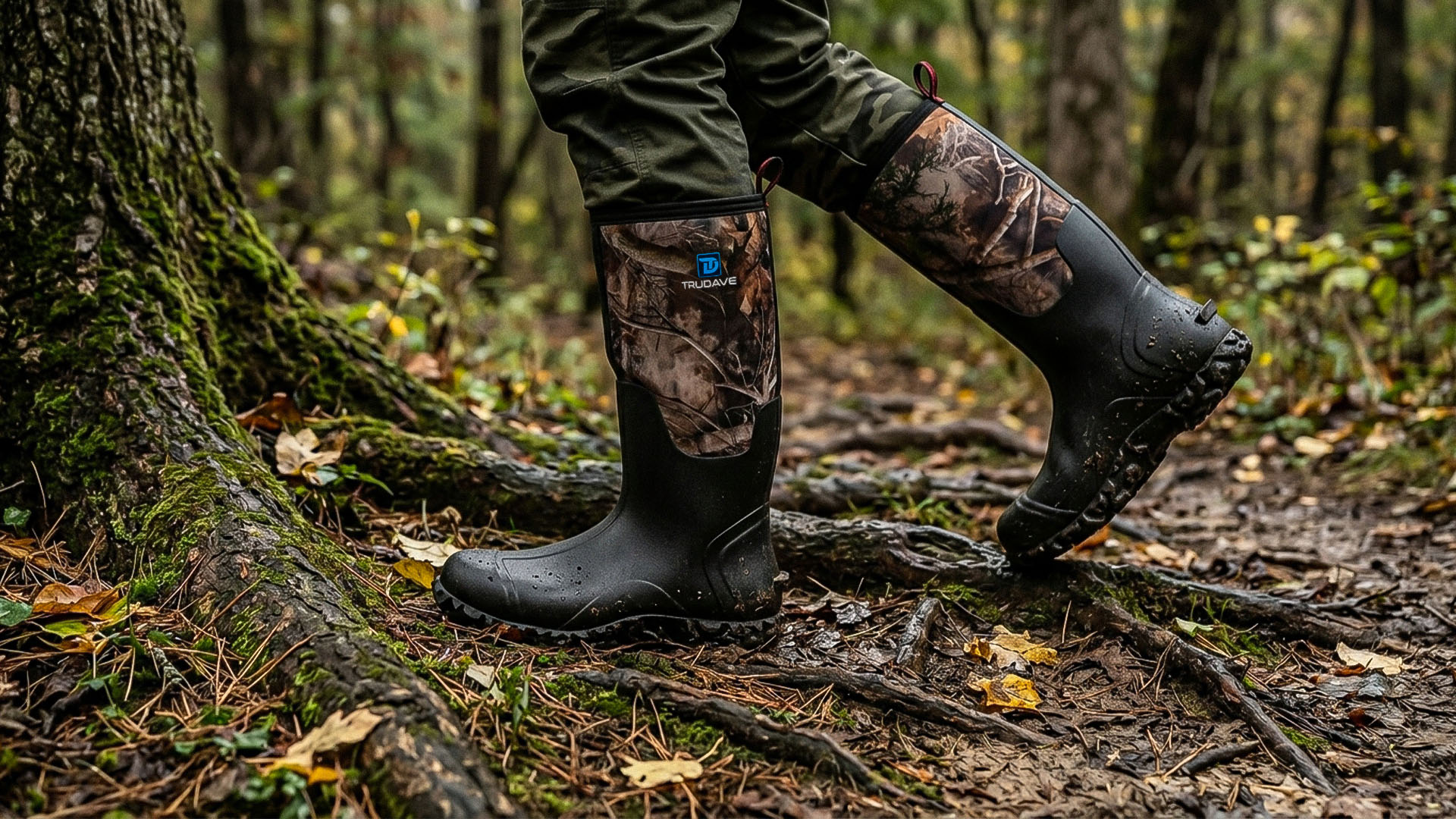
Hunters may benefit from waterproof hunting boots for northern grouse hunting that provide secure heel retention, dependable traction, and enough waterproof protection for cold, wet boreal terrain without becoming unnecessarily heavy.
Waterproofing Is Essential
Northern forest floors can stay damp for long periods.
Moisture Comes From More Than Rain
Hunters may encounter:
- Dew
- Bog water
- Snow
- Wet vegetation
Tall Rubber Boots Can Work Well in Wet Lowlands
They are useful around:
- Muskeg
- Bog margins
- Mud
- Shallow water
But Long Road Walks May Favor Lace-Up Boots
Supportive waterproof boots can provide better:
- Heel lock
- Walking comfort
- Ankle control
Choose Boots for the Entire Route
Think about:
- Road mileage
- Bog edges
- Temperature
- Snow
Secure Heel Fit Matters
Soft ground creates suction.
Loose boots create fatigue
Moderate Ankle Support Helps
Hidden roots and holes make footing unpredictable.
Toe Protection Is Useful
Forest debris can strike the boot repeatedly.
Gaiters Can Be Extremely Valuable
They help keep:
- Snow
- Moss
- Water
- Needles
out of boots.
Snow Down the Collar Soaks Socks Fast
Gaiters help prevent this.
Insulation Depends on Season
Early fall may be mild.
Late season may be extremely cold.
Do Not Use the Same Boot All Season Automatically
Match insulation to actual weather and activity.
Heavy Walking Produces Heat
Too much insulation causes sweat.
Wet socks reduce warmth
Carry Spare Socks
Protect them inside waterproof storage.
Traction Must Handle Mixed Surfaces
Northern hunts may involve:
- Wet moss
- Mud
- Gravel
- Ice
- Snow
No Sole Solves Everything
Foot placement still matters.
Icy Roads Can Be Especially Dangerous
Packed vehicle tracks may polish into ice.
Avoid Steep Frozen Roads When Possible
Dogs Can Be Useful
Where legal, pointing or flushing dogs can help find birds in dense conifers.
But Spruce Grouse Behavior Can Differ From Other Upland Birds
Some may hold extremely tight or move into trees.
Dogs Need Controlled Range
Dense forest hides them quickly.
Reliable recall matters
Remote Roads Create Traffic Hazards
Logging trucks may appear suddenly.
Keep dogs off active roads
Dogs Need Water
Even in cold northern conditions.
Do Not Depend on bog water
Carry fresh water.
Cold Wet Conditions Can Chill Dogs
Provide:
- Dry rest
- Wind protection
Paw Checks Matter
Dogs may encounter:
- Sharp sticks
- Ice
- Gravel
- Frozen crust
Snow Can Build Between Toes
Remove it.
Spruce Needles and Resin Can Collect in Fur
Inspect the dog after the hunt.
Young Conifers Can Scratch Eyes
Eye protection may be worth considering depending on conditions.
Partner Communication Is Important
Dense spruce can hide hunters only a few yards apart.
Establish Safe Shooting Zones
Never shoot through thick vegetation
A moving bird behind branches may hide:
- Another hunter
- Dog
- Road
Wait for a clear opportunity
Spruce Grouse Can Flush at Close Range
Stay ready in good cover.
But Do Not Rush the Shot
Positive identification and safe background come first.
Pick One Bird
If several birds flush together, choose one.
Do Not shoot into the group
Birds May Fly Into Trees
Watch where they go.
Do Not Take Unsafe Shots at Birds in Trees
Follow local regulations and safe shooting practices.
Know What Lies Beyond the Bird
Positive Identification Is Essential
Spruce grouse habitat may overlap with:
- Ruffed grouse
- Dusky grouse
- Ptarmigan in some regions
Learn Spruce Grouse Plumage
Males and females differ.
Females Can Be More Difficult to Identify
Study local comparison guides before hunting
Habitat Is Not Identification
A grouse under a spruce tree is not automatically a spruce grouse.
If unsure, do not shoot
Regulations Can Differ by Species
Before hunting, verify current official:
- Season dates
- Daily bag limits
- Possession limits
- License requirements
- Species-specific rules
- Public-land restrictions
Spruce Grouse and Ruffed Grouse Limits May Differ
depending on jurisdiction.
Do Not Use Last Year’s Regulations
Some Areas May Have Combined Grouse Limits
Check current rules.
Public Lands May Add Access Restrictions
Forest roads can be:
- Seasonal
- Gated
- Closed to vehicles
Respect Road Closures
Do Not Drive Around Gates
Private Timberland Requires Permission
A logging road does not automatically mean public access.
Ownership Can Change Mid-Road
Use current maps.
Active Logging Areas Require Extra Caution
Possible hazards include:
- Trucks
- Heavy machinery
- Falling timber
Stay out of active work zones
Do Not Block Road Access
Bright visibility clothing during access can help around forestry operations
while still following hunting regulations.
Bogs Create Unique Hazards
A bog can look flat and solid.
It may contain:
- Deep water
- Floating vegetation
- Hidden channels
Stay on firmer margins
Do Not Cross Unknown Muskeg Just Because Birds Are There
Use safer routes.
Beaver Activity Can Flood Forest Roads
A road open last year may be underwater now.
Recheck access every season
Flooded timber can create hidden holes
Step carefully
Insects Can Still Be Severe Early
Northern forests may contain:
- Mosquitoes
- Black flies
- Ticks
Use appropriate protection
Cooler weather does not eliminate ticks immediately
Check clothing and skin after hunting
Black flies can be especially persistent
Head nets may be useful in some early-season conditions
Wildlife Encounters Are Possible
Northern spruce habitat may overlap with larger mammals.
Maintain general wildlife awareness
Do not leave food or game waste carelessly
Follow local guidance.
Recovery Can Be Difficult
Spruce grouse blend extremely well with forest ground.
Watch every bird to the ground
Mark the fall immediately
Use fixed features such as:
- Road bend
- Stump
- Large spruce
- Rock
Dense forest distorts distance
A bird may land closer or farther than expected.
Dogs can improve recovery
Without a dog, search carefully
Use:
- Small circles
- Parallel passes
Look beneath low branches
A bird can disappear under very little cover.
Check downhill
On sloped ground, a bird may move or roll.
Warm early-season weather still requires game care
Keep harvested birds clean and cool
Follow current food-safety guidance.
Do not leave birds in a warm vehicle
Cold weather does not replace clean handling
Common Spruce Grouse Hunting Mistakes
Hunting Only Open Roads
Birds often sit just inside conifer cover.
Walking Too Fast
Spruce grouse may remain motionless until hunters are very close.
Ignoring Bog Edges
Transitions between wetland and conifer can be excellent.
Hunting the Same Elevation and Forest Type All Season
Food and snow change bird distribution.
Wearing Poorly Fitting Boots in Soft Ground
Bog suction and long road walks expose bad fit.
Assuming Cold Weather Means Dry Feet
Snow and wet vegetation create constant moisture.
Letting Dogs Range Too Far on Logging Roads
Traffic and dense cover create risk.
Assuming All Northern Grouse Have the Same Regulations
Always verify species-specific rules.
Frequently Asked Questions
Where do spruce grouse usually live?
Spruce grouse commonly use northern conifer forests containing spruce, fir, jack pine, tamarack, bog edges, young regeneration, and forest-road habitat.
Are logging roads good for spruce grouse hunting?
They can be excellent because road edges provide visibility, grit, low vegetation, and access to multiple forest age classes.
Are bog edges good spruce grouse habitat?
Yes. Bog margins can provide a productive transition between wet lowlands, spruce cover, moss, shrubs, and feeding habitat.
Is spruce grouse hunting good after rain?
Rain can quiet forest litter, create fresh mud sign, and make birds easier to spot along road edges, although moss, logs, roots, and roads become more slippery.
What boots are best for spruce grouse hunting?
Waterproof hunting boots with secure heel fit, dependable traction on wet moss, mud, gravel, snow, and roots, plus enough support for long forest walks are practical.
Are rubber boots good for spruce grouse hunting?
Tall rubber boots can work very well around bogs, muskeg, mud, and shallow wet ground, while longer logging-road and mixed-terrain hunts may favor supportive waterproof lace-up boots.
Can dogs help hunt spruce grouse?
Yes, where legal. Dogs can help locate birds in dense conifer habitat, but hunters should carefully manage road traffic, cold wet conditions, paw health, hydration, and limited visibility.
Do spruce grouse hunting regulations vary?
Yes. Seasons, bag limits, possession limits, species rules, licenses, public-land access, and combined grouse limits can vary by jurisdiction. Hunters should verify current official regulations before hunting.
Final Thoughts
Spruce grouse hunting teaches hunters that the northern forest is built from subtle transitions.
One young spruce stand provides dense cover.
One bog edge creates wetter feeding habitat.
One logging road provides grit and visibility.
One berry patch adds early-season food.
One snowfall pushes birds deeper into conifers.
From a distance, it may all look like endless evergreen forest.
The birds notice the differences.
Hunters need to notice them too.
Slow down.
Check bog edges.
Walk logging roads carefully.
Search young conifers.
Watch seasonal food changes.
Respect wet moss, muskeg, active forestry roads, snow, remote access, and property boundaries.
Wear boots that let you cross muddy logging roads, wet moss, bog margins, shallow water, snowy forest floor, roots, and miles of northern conifer country without making soaked feet, poor traction, heel slip, or unnecessary fatigue the reason the hunt ends early.
And when a spruce grouse finally steps onto the road shoulder after you walked past dozens of nearly identical conifers, remember the lesson.
The forest was never identical.
You just had to learn which pieces mattered to the bird.
