
Bobwhite country can look ordinary from a distance.
A grassy field meets a brush line.
Pines stand above low vegetation.
A dirt farm road runs toward an old fence row.
Weeds fill the corners around a harvested field.
Nothing about the landscape looks dramatic.
Then a dog freezes.
The hunter moves closer.
For one second, the field is silent.
Then the covey explodes.
Birds rise in every direction.
Wings beat through grass.
Several disappear behind brush.
A few cross the field.
Others drop into cover only a hundred yards away.
That is bobwhite quail hunting.
These birds are small.
Their habitat is subtle.
And the difference between a productive property and an empty one may be determined by only a few details:
- Grass structure
- Brush density
- Food
- Bare ground
- Winter cover
- Prescribed fire
- Agricultural edges
Successful hunters learn to stop looking for one perfect field.
Bobwhite habitat works as a system.
Northern Bobwhites Need Habitat Diversity
Bobwhites commonly use landscapes containing a mixture of:
- Native grass
- Forbs
- Brush
- Open pine
- Agricultural edges
- Hedgerows
- Early-successional cover
No single habitat type usually provides everything they need.
Think in Small Patches
Bobwhite coveys often use multiple habitat types within a relatively small area.
They may feed in one patch.
Rest in another.
Escape into another.
Grass Alone Is Not Enough
A solid field of thick grass can look excellent.
But if birds cannot move underneath it easily, habitat quality may be lower than expected.
Ground-Level Structure Matters
Look down.
Can a quail:
- Walk beneath the vegetation?
- Find seeds?
- Reach bare soil?
- Escape into cover?
Open Ground Under Cover Is Important
Bobwhites need overhead concealment without every inch of ground being packed with vegetation.
Native Bunchgrasses Can Create Useful Structure
Clumped grass often leaves small openings between plants.
These gaps help birds travel.
Dense Sod Can Be Less Useful
A continuous mat of vegetation may make movement difficult.
Forbs Matter
Broadleaf plants can provide:
- Seeds
- Insects
- Structural diversity
Insects Are Especially Important for Young Birds
Broods need abundant insect food.
Early-Successional Habitat Is Valuable
Bobwhites often thrive in landscapes that are neither mature forest nor clean agricultural ground.
Think:
- Weedy fields
- Regenerating openings
- Brushy edges
- Disturbed ground
Pine Savannas Can Be Excellent
Open pine habitat with a productive understory can support strong quail cover.
The Understory Matters More Than the Trees
A pine stand with little ground vegetation may offer poor habitat.
Open Pine With Grass and Forbs Is Different
That combination can provide:
- Food
- Cover
- Walking space
Prescribed Fire Can Shape Bobwhite Habitat
Where professionally managed and legally used, prescribed fire may help maintain open understory conditions.
Fire Prevents Some Habitat From Becoming Too Dense
Without disturbance, shrub and woody growth may eventually close in.
Burn Rotation Creates Diversity
Different-age burn patches can provide different habitat functions.
Do Not Assume Every Burn Is Good Immediately
Timing and habitat response matter.
Hunt Current Vegetation
Look at what actually grew back.
Hedgerows Can Be High-Value Cover
Old fence lines often collect:
- Shrubs
- Weeds
- Grasses
- Small trees
Coveys May Use Hedgerows as Escape Cover
Especially when feeding nearby in more open habitat.
Hunt Both Sides
Birds may sit just outside the thickest brush.
Fence Corners Can Concentrate Cover
Several vegetation types often meet there.
Field Corners Are Worth Extra Attention
Equipment may miss these spots during mowing or farming.
That leaves:
- Weeds
- Grass
- Brush
Agricultural Edges Can Provide Food
Bobwhites may use areas near:
- Grain stubble
- Food plots
- Weedy crop borders
But Clean Agriculture Offers Little Security
Food without cover can be risky.
Find Where Food Meets Escape Cover
That transition is usually more valuable than the middle of the field.
Weedy Margins Can Hold Coveys
Do not overlook unattractive-looking field edges.
Ragweed and Seed-Producing Plants Can Be Important
A messy edge may offer excellent feeding.
Manicured Ground Often Holds Less Cover
Over-clean landscapes may remove:
- Food
- Nesting cover
- Security
Bobwhite Habitat Often Looks Untidy
That is part of its value.
Brush Piles Can Offer Escape Cover
Where naturally present or intentionally managed, brush piles may give coveys quick protection.
Do Not Climb Onto Unstable Brush
Hidden:
- Wire
- Nails
- Sharp limbs
can cause injury.
Plum Thickets Can Be Excellent
Dense low woody cover gives birds protection from:
- Wind
- Predators
- Weather
Small Shrub Islands Matter
A patch only a few yards across may hold an entire covey.
Hunt the Edge Before Pushing Inside
Birds often sit close to openings.
Creek Draws Can Hold Birds
Small drainages can provide:
- Brush
- Water
- Green vegetation
But Bobwhites Do Not Need Constant Surface Water Everywhere
Habitat quality depends on the broader system.
Low Ground Can Stay Greener
During dry periods, slight depressions may support better vegetation.
Rain Can Change Feeding Conditions
Moisture can increase:
- Insects
- Green growth
- Seed production
Bobwhite Hunting After Rain Can Be Productive
Fresh mud may also show:
- Tracks
- Current covey movement
Dirt Roads Become Useful Scouting Surfaces
Check soft sections for small bird tracks.
Tracks Alone Are Not Enough
Use them with:
- Calls
- Dog work
- Visual observation
Bobwhites Are Famous for Covey Calls
The classic whistle can help reveal birds.
Early Morning Can Be Productive for Listening
Still conditions may carry sound farther.
Stop Frequently
A hunter walking constantly may miss distant calls.
Calls Can Be Deceptive Around Terrain
Brush and tree lines affect sound.
Move to Another Listening Position
Confirm direction before entering thick cover.
Coveys Often Roost Together
At night, birds may form a tight group on the ground.
Roosting Habitat Needs Security
Suitable grass structure helps protect birds.
Cold Weather Can Change Cover Use
Winter conditions may push coveys toward:
- Denser brush
- Windbreaks
- South-facing edges
Shelter Becomes More Important
Food still matters, but exposure can shape movement.
Sunny Edges Can Be Productive
Cold morning sun may warm:
- Field borders
- Brush edges
Wind Changes Bird Position
Strong wind may push coveys toward:
- Hedgerows
- Creek draws
- Brush patches
Leeward Cover Deserves Attention
Small windbreaks can make a major difference.
Early Season Can Be Hot
Many bobwhite regions remain warm during the beginning of hunting seasons.
Heat Changes Hunter and Dog Performance
Plan for:
- Water
- Rest
- Shade
Dogs Can Be Central to Bobwhite Hunting
Pointing dogs are closely associated with traditional quail hunting.
A Good Dog Helps Locate Coveys
Birds can remain completely hidden inside knee-high cover.
Watch Dog Behavior
A sudden change in pace or body posture may signal scent.
Do Not Rush a Point
Move into position deliberately.
Confirm Partner Locations First
Covey Flushes Are Chaotic
Several birds may rise simultaneously.
Pick One Bird
Do not swing wildly between targets.
Do Not Shoot Into the Covey
Target discipline improves:
- Safety
- Recovery
Maintain Hunter Spacing
Quail hunting often involves multiple hunters and dogs.
Everyone needs a clear position.
Establish Safe Shooting Zones Before Entering Cover
Do not wait for the flush.
Never Swing Through a Partner
Even if the bird crosses perfectly.
Low Birds Are Common
Quail may stay close to the ground after flushing.
Know Where Dogs Are
Never take a low opportunity if a dog may be in the direction of travel.
Bright Safety Gear Can Improve Visibility
Follow current local requirements.
Communicate Constantly
Tall grass and brush can hide partners quickly.
Coveys Often Scatter After the First Flush
This creates a different phase of the hunt.
Mark Where Singles Land
Use:
- Tree
- Fence post
- Brush clump
- Field corner
Singles May Hold Tighter
After separation, individual birds can sit very close.
Slow Down
Do Not Push Every Single Bird Immediately
Give scattered birds time and space where appropriate.
Responsible Covey Management Matters
In areas with small or pressured populations, hunters should follow current wildlife-agency guidance and property-specific harvest management.
Do Not Assume Every Covey Can Sustain Heavy Pressure
Population conditions vary.
Habitat and Weather Affect Annual Numbers
Quail populations can fluctuate significantly.
Dogs Need Careful Heat Management
Warm, humid conditions can become dangerous.
Carry Fresh Water
Never depend solely on:
- Ponds
- Drainage water
- Livestock water
Provide Frequent Breaks
Especially after long casts through grass.
Watch for Early Heat-Stress Signs
Reduced efficiency can appear before a severe problem develops.
Shade Helps
But humidity may still limit cooling.
Grass Seeds Are a Major Dog Concern
Quail country can contain seed-producing grasses that lodge in:
- Ears
- Paws
- Coat
Check Dogs Repeatedly
Burrs Can Build Up Fast
Remove them during breaks.
Eye Hazards Matter
Brush and stiff grass can injure eyes.
Dog eye protection may be worth considering
depending on habitat and experience.
Paw Wear Matters
Agricultural edges may contain:
- Gravel
- Stubble
- Dry clay
Check Pads
Barbed Wire Is Common
Old farm country often contains fences hidden by vegetation.
Dogs Can Hit Wire at Speed
Know the property layout.
Hunters Need to Watch for Wire Too
Tall grass can hide lower strands.
Cross at Safe Points
Do not damage fences.
Bobwhite Hunting Is Hard on Footwear
A typical hunt may involve:
- Dew-soaked grass
- Muddy farm roads
- Brush
- Pine needles
- Creek edges
- Crop stubble
- Long continuous walking
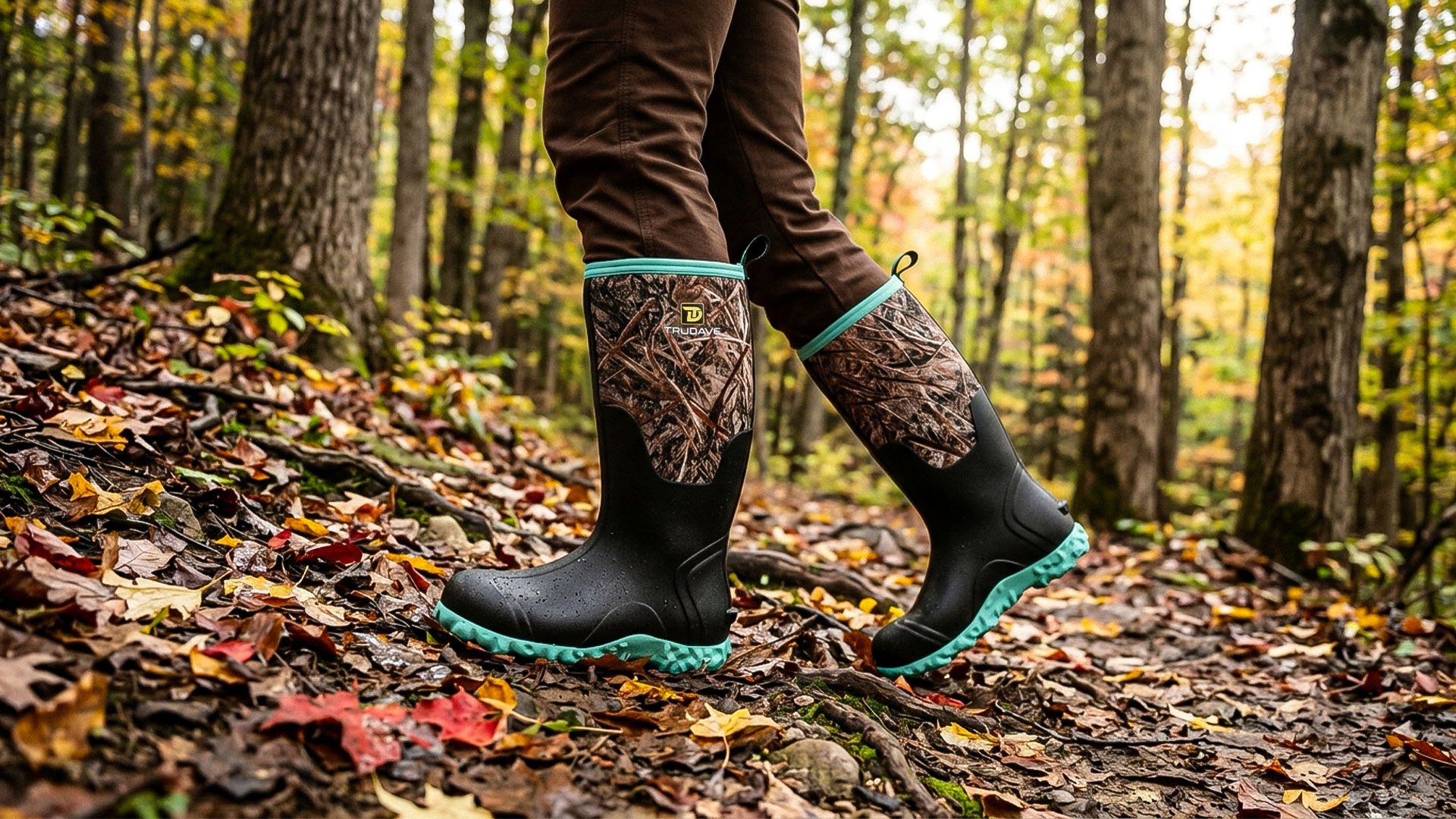
Hunters may benefit from waterproof hunting boots for bobwhite quail hunting that provide secure heel retention, dependable traction, and enough protection for grass, mud, brush, and agricultural edges without becoming unnecessarily heavy.
Waterproofing Matters Even in Dry Weather
Morning dew can soak boots quickly.
Grass Holds More Water Than It Looks Like
A field can be wet long after sunrise.
Lightweight Boots Reduce Fatigue
Bobwhite hunting often involves hours of steady walking.
But Extremely Soft Footwear May Lack Protection
Farm edges can contain:
- Stubble
- Rock
- Hidden wire
- Roots
Secure Heel Fit Matters
Even flat-country mileage creates blisters when boots slip.
Moderate Ankle Support Is Useful
Ditches and hidden holes create uneven footing.
Tall Rubber Boots Can Work in Wet Lowlands
They are useful around:
- Mud
- Wet grass
- Shallow creek edges
But Long Upland Walks May Favor Lace-Up Boots
Supportive waterproof lace-ups can offer better:
- Heel lock
- Walking comfort
- Breathability
Choose Boots for the Whole Hunt
Think about:
- Mileage
- Water
- Temperature
- Grass
- Mud
Avoid Excessive Insulation in Warm Regions
Overheated feet sweat.
Sweaty Feet Create Blister Risk
Use moisture-managing socks.
Carry Spare Socks
Especially during wet early-season hunts.
Gaiters Can Be Useful
They help keep:
- Seeds
- Dew
- Sand
- Debris
out of footwear.
Seeds Inside Boots Become Irritating Quickly
Stop and remove them.
Rain Can Turn Farm Roads Slick
Clay roads may become difficult after one storm.
Do Not Damage Private Roads
Walk if conditions are too soft.
Landowner Relationships Matter
Many quality bobwhite areas occur on:
- Farms
- Ranches
- Managed private land
Ask Where You Can Park
Do not assume.
Leave Gates As Directed
Livestock may be present.
Do Not Block Farm Equipment
Working properties need access.
Respect Standing Crops
Do not cut through planted ground without permission.
Private Property Boundaries Can Be Subtle
One hedgerow may separate two owners.
Know Exactly Where Permission Ends
Birds Crossing a Fence Do Not Create Access
Stay legal.
Discuss Dog Retrieval Before the Hunt
Dogs do not understand property lines.
Reliable Recall Matters
Public Lands Can Offer Good Quail Habitat
Depending on region, possible habitat includes:
- Wildlife management areas
- National forests
- State lands
Habitat Management Varies
Some public areas may actively maintain early-successional cover.
Check Current Maps
Public Pressure Changes Bird Behavior
Coveys near easy roads may flush earlier.
Walk-In Habitat Can Be Better
But only if suitable cover exists.
Do Not Walk Far Just to Be Farther From the Truck
Find habitat first.
Pine Savanna Management Can Be a Strong Clue
Open pine with diverse understory deserves attention.
Avoid Closed or Restricted Burn Areas
Follow current land-management rules.
Fire Restrictions Can Affect Access
Dry southern forests may impose seasonal rules.
Never Start Unapproved Fires
Vehicles Can Start Grass Fires
Avoid parking over tall dry vegetation.
Bobwhite Identification Matters
Quail species can overlap in some regions.
Northern Bobwhites Have Distinctive Patterns
Study:
- Head markings
- Body shape
- Plumage
Males and Females Differ
Do not study only males.
Young Birds May Look Different
Fast Flushes Make Identification Difficult
Learn local species before hunting.
Habitat Alone Is Not Identification
If Unsure, Do Not Shoot
Hunting Regulations Vary
Before hunting, verify current official:
- Season dates
- Daily bag limits
- Possession limits
- License requirements
- Public-land rules
- Ammunition requirements
Some Properties May Have More Restrictive Limits
Follow them.
Do Not Use Last Year’s Regulation Book
Rules can change.
Public Areas May Require Non-Toxic Ammunition
Check the exact property.
Hunter-Orange Requirements May Apply
Follow current local rules.
Weather Can Change Bobwhite Habitat
Drought may reduce:
- Vegetation
- Insects
- Cover
Heavy Rain Can Improve Some Habitat
But flooding may temporarily reduce others.
Severe Winter Weather Can Affect Survival
Population numbers may change from year to year.
Do Not Assume Historical Coveys Are Still Present
Scout current birds.
Habitat Quality Should Guide Expectations
Predation Is Part of the Ecosystem
Good escape cover improves survival opportunities.
Shrub Patches Matter
Landscape Scale Matters Too
One perfect acre surrounded by poor habitat may support fewer birds than a connected habitat system.
Connectivity Helps Coveys Move
Hedgerows, brush strips, and grass corridors connect:
- Feeding
- Roosting
- Escape cover
Do Not Ignore Narrow Corridors
They may be essential.
Ditches Can Function as Travel Cover
Grass and brush often grow along drainage.
Hunt Both Sides Carefully
Roadside Cover May Hold Birds
But road safety and hunting laws matter.
Never hunt from or across public roads
where prohibited.
Keep Dogs Away From Traffic
Recovery Can Be Difficult
A bobwhite is small and blends into:
- Grass
- Leaves
- Crop residue
Watch Every Bird to the Ground
Mark the Fall Immediately
Use several fixed landmarks.
Flat Fields Distort Distance
A bird may land farther away than expected.
Dogs Greatly Improve Recovery
Allow the dog to work.
Do Not Trample the Entire Fall Zone Immediately
Without a Dog, Search Methodically
Use:
- Small circles
- Parallel lines
Check Under Grass Clumps
A bird can disappear beneath very little vegetation.
Warm Weather Requires Game Care
Southern quail hunts may occur under mild temperatures.
Keep Harvested Birds Clean and Cool
Follow current food-safety guidance.
Direct Sun Adds Heat
Use appropriate game storage.
Do Not Leave Birds in a Hot Vehicle
Prepare cooling before the hunt.
Common Northern Bobwhite Hunting Mistakes
Hunting Only Big Grass Fields
Bobwhites need a mixture of feeding and escape cover.
Ignoring Brushy Edges
Hedgerows and shrub patches can be essential.
Walking Too Fast
Coveys may run or hold tight.
Failing to Mark Singles After a Covey Flush
Scattered birds can provide the best hunting.
Letting Dogs Range Too Far Near Roads
Farm-country traffic creates real risk.
Wearing Heavy Boots for Long Flat-Country Hunts
Extra weight increases fatigue.
Ignoring Dew
Wet grass can soak footwear early.
Assuming Every Property Can Sustain Heavy Harvest
Follow current management guidance and landowner rules.
Frequently Asked Questions
Where do northern bobwhite quail usually live?
Northern bobwhites commonly use native grasslands, open pine savannas, weedy fields, agricultural edges, hedgerows, brushy fence lines, and other early-successional habitats.
Are pine savannas good for bobwhite hunting?
They can be excellent when open pine canopy allows a diverse understory of grasses, forbs, and low cover to develop.
Are hedgerows good places to find bobwhites?
Yes. Hedgerows can provide escape cover, winter protection, food plants, and connections between feeding areas.
Is bobwhite hunting good after rain?
Rain can create softer tracking conditions, stimulate vegetation and insects, and quiet dry ground, although muddy access roads may become more difficult.
What boots are best for bobwhite quail hunting?
Lightweight waterproof hunting boots with secure heel fit, good traction on wet grass and mud, and enough protection for brush, farm roads, and crop edges are practical.
Are rubber boots good for bobwhite hunting?
Tall rubber boots can work well in wet grass and muddy lowlands, while long upland walks often favor supportive waterproof lace-up boots.
Can dogs help hunt bobwhite quail?
Yes. Pointing and flushing dogs can be extremely effective for locating coveys and recovering birds, but hunters should carefully manage heat, hydration, roads, fences, seeds, and paw condition.
Do bobwhite quail hunting regulations vary?
Yes. Seasons, bag limits, possession limits, licensing, ammunition requirements, and public-land rules vary by jurisdiction and property. Hunters should verify current official regulations before hunting.
Final Thoughts
Northern bobwhite hunting teaches hunters that good habitat is built from edges.
One grassy field provides feeding cover.
One hedgerow provides escape cover.
One pine savanna creates open ground beneath protective vegetation.
One weedy farm corner produces seeds.
One brushy drainage connects all of those habitats together.
The best property is rarely one giant field.
It is a patchwork.
Find the transitions.
Watch the dog.
Listen for covey calls.
Check fence lines.
Slow down around brush.
Mark singles after the first flush.
Respect roads, livestock, fences, property boundaries, and local harvest regulations.
Wear boots that let you cross dew-soaked grass, muddy farm roads, pine needles, crop stubble, brushy creek edges, and miles of upland country without making wet feet, heel slip, blisters, or unnecessary weight the reason the hunt ends early.
And when a covey erupts from a tiny weedy corner between a pine stand and a harvested field after you walked through acres of empty grass, remember the lesson.
Bobwhites do not need every acre to be perfect.
They need the right pieces of habitat close enough to work together.
Find where grass, food, brush, and escape cover meet.
That is where the covey is likely to be.
