
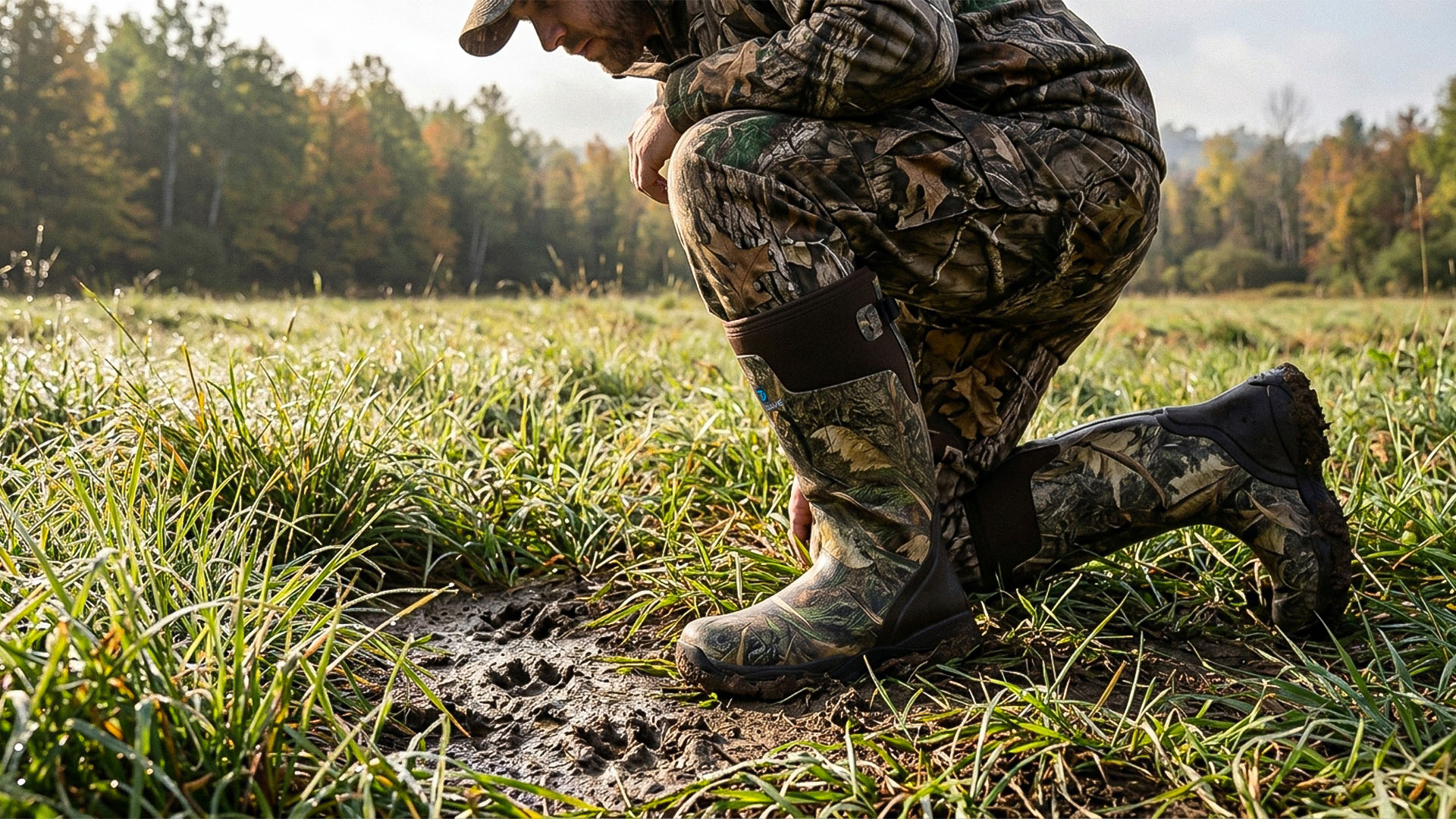
Wilson’s snipe country rarely looks like classic upland bird habitat.
The ground is soft.
Water shines between grass stems.
Sedges grow in uneven patches.
Mud covers the edge of a shallow pond.
A drainage ditch cuts through an old pasture.
A hunter steps into the wet meadow and immediately wonders whether the ground is too wet to hold anything.
Then a bird explodes almost underfoot.
It rises fast.
Changes direction.
Climbs.
Turns again.
And disappears across the marsh before the hunter has completely identified what happened.
That is snipe hunting.
These small migratory birds specialize in habitat that many hunters walk around.
They like the places between:
- Dry ground
- Open water
- Mud
- Wet grass
- Shallow marsh
The best snipe habitat is often neither deep water nor dry upland.
It is the soft transition between the two.
Successful hunters learn to recognize exactly how wet the ground needs to be.
Wilson’s Snipe Are Birds of Soft Wet Ground
Wilson’s snipe commonly use moist open habitats where their long bills can probe soft soil.
Depending on season and region, useful habitat may include:
- Wet meadows
- Marsh edges
- Mud flats
- Shallow agricultural wetlands
- Flooded pastures
- Drainage ditches
- Sedge flats
- Pond margins
The most important feature is often soft substrate.
Think About What Is Under the Grass
A meadow may look perfect from a road.
But if the soil underneath is:
- Hard
- Dry
- Compacted
it may offer less feeding opportunity.
Snipe often prefer moist soil where they can probe efficiently.
Soft Mud Is a Major Clue
Look for ground that is:
- Damp
- Soft
- Shallowly flooded
without becoming deep open water.
That transition is classic snipe habitat.
Too Dry Can Be Poor
A grass field may have the right vegetation but lack enough moisture.
If the soil is hard beneath your boots, keep looking.
Too Deep Can Also Be Poor
Snipe are not diving ducks.
Large expanses of deep water usually offer less suitable feeding ground.
Search the margins.
The Best Zone Can Be Only a Few Yards Wide
A narrow strip between:
- Dry grass
- Shallow water
may hold more birds than the entire wetland.
Walk these transition bands carefully.
Wet Meadow Edges Are Excellent Starting Points
Wet meadows often combine:
- Short vegetation
- Mud
- Shallow standing water
- Invertebrate-rich soil
These areas deserve slow coverage.
Vegetation Height Matters
Extremely tall dense grass can make feeding and movement harder.
Very short bare ground may offer little concealment.
Look for a mixture.
Sedge Flats Can Be Productive
Sedges often indicate moist soils.
A broad sedge area with:
- Mud
- Tiny pools
- Open spaces
can be excellent snipe habitat.
Not Every Sedge Marsh Is Equal
If the bottom is:
- Deep
- Floating
- Extremely soft
hunter access may be unsafe or inefficient.
Stay where footing is manageable.
Flooded Pastures Can Hold Birds
After rain, low portions of pasture may collect shallow water.
This can create temporary feeding habitat.
Temporary Wetlands Can Be Extremely Productive
A field that held no birds during dry conditions may become attractive after several days of rain.
Snipe habitat can appear quickly.
Rain Changes Everything
One storm can turn:
- Dry grass
- Hard soil
into:
- Mud
- Shallow pools
- Feeding habitat
Snipe Hunting After Rain Can Be Excellent
Freshly saturated ground can spread birds into new areas.
That makes recent scouting especially important.
Old Hotspots Can Dry Out
A productive wet meadow from last month may become useless after a dry period.
Moisture conditions matter more than tradition.
Follow the Water
When conditions change, birds may move with the wet ground.
Look for:
- Low fields
- Pond edges
- Irrigation seepage
- Creek margins
Agricultural Drainage Ditches Can Be Productive
Ditches may hold narrow strips of:
- Mud
- Wet grass
- Shallow water
that attract snipe.
Hunt the Shoulder, Not the Deep Center
The ditch bottom may be too wet.
The upper edge where mud meets grass can be better.
Ditch Junctions Can Be Especially Good
Where two drainage channels meet, moisture and feeding area may increase.
Slow down there.
Pond Drawdowns Can Create Feeding Habitat
As water recedes, soft mud becomes exposed.
Birds may use newly available shoreline zones.
Falling Water Can Concentrate Birds
A shrinking wetland may compress suitable feeding habitat into a narrow band.
That can make bird location more predictable.
Rising Water Can Spread Them Out
If water floods new grass, snipe may move into newly saturated ground.
Rescout.
Marsh Edges Change Daily
Wind, rain, irrigation, and water management can all affect:
- Depth
- Mud firmness
- Bird distribution
Recent Conditions Matter Most
Do not depend entirely on:
- Last year
- Last week
Snipe respond quickly to water changes.
Early Morning Can Be Productive
Cool wet conditions often keep birds active in open feeding habitat.
Walk slowly.
Dew Adds Even More Moisture
Wet grass can soak hunters before they reach the first muddy section.
Midday Can Still Hold Birds
Snipe do not necessarily disappear.
They may simply shift slightly into:
- Taller vegetation
- Protected edges
Wind Can Change Bird Position
Strong wind may push birds toward:
- Sheltered ditches
- Leeward marsh edges
- Low depressions
Protected Pockets Deserve Attention
Even a small terrain depression can reduce wind.
Birds may concentrate there.
Wind Also Changes the Flush
A snipe rising into a strong crosswind can change direction extremely quickly.
Stay controlled.
Wilson’s Snipe Are Famous for Erratic Flight
Their fast twisting escape is one reason they are such challenging upland-style game birds.
A flushed snipe may:
- Zig
- Turn
- Rise
- Level
- Turn again
within seconds.
Do Not Rush the First Movement
A smoother reaction is usually safer and more controlled than immediately swinging at the initial burst.
Pick One Bird
Multiple snipe can flush from the same patch.
Choose one clearly identified bird.
Do Not Shoot Into a Group
Individual target discipline improves:
- Safety
- Recovery
Expect Delayed Flushes
One bird may rise.
Then another flushes twenty yards later.
Stay ready.
Birds Can Hold Very Tight
Snipe may remain motionless until hunters are close.
This makes slow walking productive.
Stop Occasionally
A bird that tolerated steady movement may flush after you pause.
Work Habitat in Parallel Lines
When hunting with partners, organized spacing helps cover wet meadow efficiently.
Maintain Safe Separation
Snipe flush low initially.
Know where every hunter is.
Never Swing Through a Partner
A bird crossing another hunter’s zone should be allowed to continue.
Ground-Level Safety Is Critical
Wetlands may also contain:
- Dogs
- Livestock
- Other hunters
Know the full background.
Dogs Can Help Locate Snipe
Some hunters use pointing or flushing dogs in suitable habitat.
Dogs can identify birds hidden in wet grass.
Dog Range Should Stay Practical
Marsh edges can hide:
- Channels
- Fences
- Deep mud
A dog ranging too far may enter unsafe terrain.
Wetland Mud Exhausts Dogs
Soft ground increases effort dramatically.
Monitor:
- Fatigue
- Hydration
- Foot condition
Dogs Can Sink Too
A shallow-looking marsh may contain very soft bottom.
Keep dogs out of questionable areas.
Carry Clean Drinking Water
Do not depend on marsh water.
Agricultural wetlands may contain:
- Runoff
- Contaminants
Paw Checks Matter
Wetland environments may contain:
- Sharp stems
- Shell
- Wire
- Debris
Grass Seeds Can Be a Problem
Check:
- Ears
- Paws
- Coat
after working wet vegetation.
Warm Weather Can Overheat Dogs
Early-season migratory bird hunts may still occur under mild temperatures.
Water nearby does not eliminate heat risk.
Cool Weather Creates Different Problems
A wet dog exposed to wind can chill rapidly.
Dry and warm the dog between long wet periods.
Snipe Hunting Is a Serious Footwear Hunt
A typical day may involve:
- Saturated grass
- Sticky mud
- Shallow water
- Ditches
- Soft marsh edges
- Agricultural roads
- Long wet walks
Hunters may benefit from waterproof hunting boots for snipe hunting that provide secure heel retention, dependable mud traction, and enough waterproof protection for repeated movement through shallow wetlands.
Tall Rubber Boots Can Be Excellent
Where water remains below boot height, rubber hunting boots are highly practical.
They handle:
- Mud
- Wet grass
- Shallow water
well.
Boot Height Matters
A drainage only a few inches deeper than expected can fill shorter boots.
Scout routes.
Secure Fit Is Essential in Mud
Suction pulls hard on footwear.
Loose boots create:
- Heel slip
- Fatigue
- Blisters
Lightweight Rubber Boots Can Improve Mobility
Snipe hunters often cover significant ground.
Excessive boot weight becomes noticeable.
Lace-Up Waterproof Boots Can Work in Firmer Wet Meadows
If the habitat is mostly:
- Damp
- Muddy
- Grass-covered
rather than continuously flooded, lightweight waterproof lace-ups can be more comfortable.
Choose Footwear for the Whole Hunt
Do not select boots only for one ditch crossing.
Think about:
- Water depth
- Mileage
- Mud
- Temperature
Waders May Be Useful in Deeper Habitat
Where shallow wetlands regularly exceed boot height, properly fitted hunting waders may provide additional waterproof protection.
Waders Are Not Required Everywhere
Many excellent snipe habitats can be hunted in:
- Tall waterproof boots
without entering deep water.
Waders Do Not Make Bad Ground Safe
They do not protect against:
- Deep mud
- Hidden channels
- Sudden drop-offs
Test Water Depth
Use a sturdy walking stick where appropriate.
Marsh Bottoms Can Change Within One Step
One foot may land on firm mud.
The next can sink much deeper.
Never Run Through Unknown Wetland
A flushed bird is not worth:
- Falling
- Losing a boot
- Entering dangerous water
Soft Mud Can Trap Feet
Lift slowly.
Twisting aggressively can affect balance.
Vegetation Mats Can Be Deceptive
A floating mat may look solid.
Test it before stepping.
Muskrat Channels Can Be Hidden
Small channels under vegetation may create sudden holes.
Move carefully.
Beaver Activity Can Change Wetland Depth
Ponds and flooded margins may expand quickly.
Do not rely on last season’s route.
Muddy Shorelines Are Slick
Clay and organic mud can create very low traction.
Short steps help.
Wet Grass Can Be Just as Slippery
Flattened vegetation over mud behaves like a sliding mat.
Gaiters Can Help
When water remains below boot height, gaiters can reduce:
- Wet grass
- Mud
- Seeds
entering footwear.
Rain Pants Can Be Useful Even Without Rain
Wet grass transfers huge amounts of moisture.
Water-resistant lower layers improve comfort.
Durable Clothing Matters
Wetland vegetation can contain:
- Reeds
- Sharp sedges
- Briars
depending on location.
Eye Protection Can Help
Tall stems can strike the face during marsh walking.
Gloves Are Useful in Cold Wet Conditions
Wet hands lose heat quickly.
Carry a dry backup pair.
Layering Matters
Hunters may alternate between:
- Hard walking
- Stationary recovery
Avoid overheating.
Cold Wind Over Wet Clothing Can Chill Fast
Carry a wind-resistant layer.
Fog Can Reduce Visibility
Wet meadows and marsh basins can hold morning fog.
This creates problems for:
- Navigation
- Bird identification
- Partner awareness
Maintain Hunter Spacing
Do not let partners disappear into fog or tall vegetation.
Offline Maps Can Be Useful
Large marsh complexes may look repetitive.
Download:
- Wetland boundaries
- Access roads
- Property lines
before hunting.
Mark the Vehicle
A wetland route can curve around:
- Channels
- Ponds
- Mud
until orientation becomes difficult.
Carry a Headlamp
Late recovery or early access may happen in darkness.
But Do Not Enter Unknown Marsh in Darkness
Scout:
- Channels
- water depth
- access
during daylight first.
Agricultural Wetlands Can Contain Hidden Hazards
Possible hazards include:
- Wire
- Irrigation equipment
- Culverts
- Drainage pipes
Do Not Step Blindly Into Tall Grass
Watch the ground.
Old Fence Wire Can Be Especially Dangerous
Wetland vegetation can hide it completely.
Livestock May Share Wet Meadows
Cattle can be present around:
- Pastures
- Water
- drainage areas
Low Birds Make Livestock Awareness Critical
Never shoot toward animals.
Public Wetlands Can Be Productive
Wildlife management areas and other public properties may provide snipe habitat.
But individual rules vary.
Public Marshes May Have Special Access Rules
Check regulations concerning:
- Entry times
- Vehicles
- Ammunition
- Restricted areas
Private Farmland Requires Permission
Flooded pastures and agricultural drainage often occur on private property.
Obtain clear permission.
Wet Roads Need Respect
Agricultural tracks can become heavily rutted after rain.
Park farther away if needed.
Do Not Drive Around Mud Through Vegetation
Creating a new track can damage:
- Crops
- Habitat
Leave Gates As Directed
Working farms depend on correct livestock management.
Water-Control Structures Must Be Left Alone
Do not adjust:
- Gates
- Pumps
- Boards
- Drains
without authorization.
Managed Wetlands Are Deliberate Systems
Water levels may be controlled specifically for:
- Wildlife
- Agriculture
Respect the infrastructure.
Wilson’s Snipe Identification Is Extremely Important
Snipe habitat may contain several small wetland birds.
Hunters must positively identify the legal target.
Shorebirds Can Look Similar at a Glance
Wet meadows may also contain:
- Yellowlegs
- Dowitchers
- Sandpipers
- Other protected shorebirds
depending on season and region.
Never Shoot Simply Because a Bird Flushes From Mud
Habitat does not identify the species.
Study Wilson’s Snipe Before the Hunt
Use official identification resources to learn:
- Body shape
- Bill length
- Flight style
- Plumage
- Wing appearance
Erratic Flight Is Helpful but Not Enough
Other birds can also move unpredictably.
Visual identification remains essential.
Snipe Often Flush Singly or in Small Numbers
But behavior varies.
Do not use group size alone.
Low-Light Identification Is Harder
If unsure:
Let the bird go.
Wilson’s Snipe Are Migratory Game Birds
Regulations can change annually and vary by jurisdiction.
Before hunting, verify current official:
- Season dates
- Daily bag limits
- Possession limits
- Shooting hours
- License requirements
- Migratory bird requirements
- Ammunition rules
- Property-specific restrictions
Do Not Confuse Snipe With Woodcock Regulations
Both are migratory game birds but can have different:
- Seasons
- Limits
- reporting requirements
Hunting Areas May Have Additional Rules
Public wetlands can impose more restrictions than statewide regulations.
Non-Toxic Ammunition May Be Required
Wetland or property-specific rules can apply.
Check current official regulations.
Legal Shooting Hours Must Be Confirmed
Do not begin because another hunter fires.
Know the legal time yourself.
Bird Recovery Can Be Difficult
A small snipe can disappear completely in:
- Wet grass
- Mud
- Sedges
Watch Every Bird to the Ground
Do not immediately shift attention to the next flush.
Mark the Fall With Fixed Landmarks
Use:
- Grass clump
- Ditch bend
- Fence post
- Open mud patch
Wetland Landmarks Repeat
“Near the reeds” is not enough.
Use multiple references.
Dogs Can Greatly Improve Recovery
A trained dog may locate a bird hidden in vegetation.
Give the Dog Room to Work
Avoid trampling the fall area immediately.
Without a Dog, Search Methodically
Begin at the marked location.
Use:
- Small circles
- Parallel passes
Downed Birds Can Be Extremely Hard to See
Coloration blends with:
- Mud
- Brown grass
- Dead vegetation
Search Under Flattened Grass
A bird may be hidden beneath only a few stems.
Recovery Should Remain Safe
Do not enter:
- Deep mud
- unknown channels
without a safer route.
Warm Weather Requires Game Care
Some snipe hunts occur during relatively mild conditions.
Keep harvested birds:
- Clean
- Cool
according to current food-safety guidance.
Wet Mud Can Contaminate Game
Use clean storage.
Common Wilson’s Snipe Hunting Mistakes
Hunting Deep Open Water
Snipe generally favor shallow wet margins and soft ground.
Hunting Dry Grass That Only Looks Wet
Check the soil beneath the vegetation.
Ignoring Temporary Flooding
Recent rain can create entirely new habitat.
Walking Too Fast
Snipe may hold extremely tight.
Wearing Loose Boots
Marsh mud can nearly pull them off.
Assuming Waders Are Always Necessary
Many productive areas are shallow enough for waterproof boots.
Shooting at Any Small Bird That Flushes From a Marsh
Positive identification is essential.
Using Old Migratory-Bird Regulations
Current season rules must be checked every year.
Frequently Asked Questions
Where do Wilson’s snipe usually live?
Wilson’s snipe commonly use wet meadows, marsh edges, mud flats, shallow agricultural wetlands, flooded pastures, sedge flats, drainage ditches, and other areas with soft moist soil.
Why do snipe prefer muddy ground?
Their long bills are adapted for probing soft soil for food, making moist mud and shallow wetland margins especially useful feeding habitat.
Is snipe hunting good after rain?
It can be excellent because rainfall creates soft soil, fresh mud, shallow flooding, and new temporary feeding habitat.
Are drainage ditches good for snipe hunting?
They can be, especially where shallow muddy margins and wet grass provide suitable feeding habitat.
What boots are best for snipe hunting?
Waterproof hunting boots with secure heel fit and strong mud traction are practical. Tall rubber hunting boots are especially useful where water remains shallow but frequent.
Are waders necessary for snipe hunting?
Not always. Many wet meadows and marsh edges can be hunted in tall waterproof boots. Deeper water may justify properly fitted waders, but hunters should avoid unsafe mud or unknown channels.
Can dogs help with snipe hunting?
Yes. Pointing or flushing dogs can help locate tightly holding birds and improve recovery, but soft mud, hidden water channels, heat, cold water, and debris require careful management.
Do Wilson’s snipe hunting regulations vary?
Yes. Seasons, bag limits, possession limits, shooting hours, licensing, migratory-bird requirements, ammunition rules, and public-land restrictions can differ by jurisdiction. Hunters should verify current official regulations before hunting.
Final Thoughts
Wilson’s snipe hunting teaches hunters that a wetland does not need deep water to hold birds.
Sometimes the best habitat is only wet enough to soften the soil.
One muddy edge provides feeding.
One flooded pasture creates temporary habitat.
One ditch holds enough moisture to concentrate birds.
One falling pond exposes a strip of fresh mud.
One rainstorm can turn an empty field into productive hunting ground.
Follow the moisture.
Look for soft soil.
Walk the transition between dry grass and shallow water.
Slow down.
Expect close flushes.
Identify every bird before shooting.
Respect agricultural roads, wetland infrastructure, and property boundaries.
Wear boots that let you cross saturated grass, sticky mud, shallow water, drainage ditches, marsh edges, and miles of soft wet ground without allowing suction, poor traction, or wet feet to end the hunt early.
Use properly fitted waders only when water depth actually requires them.
And when a snipe explodes from a patch of muddy grass that looked too shallow to attract any waterbird, remember the lesson.
You were looking for water.
The bird was looking for soft ground.
That small difference tells you where to hunt.
