
Chukar hunting has a cruel sense of humor.
The birds call from halfway up a canyon wall.
The hunter starts climbing.
Loose rock slides under every step.
Cheatgrass fills the slope.
The covey calls again.
Higher.
The hunter climbs another hundred vertical feet.
Then the birds flush.
Not downhill.
Uphill.
They sail across the canyon, land on the opposite slope, and begin calling again.
That is chukar hunting.
These birds live in country where everything seems designed to make hunters work harder.
Steep slopes.
Rock.
Dry grass.
Rimrock.
Long distances between water.
Few easy walking routes.
Successful chukar hunting starts before the climb.
Hunters who understand:
- Water
- Escape terrain
- Food
- Elevation
- Slope aspect
- Rimrock
- Weather
can eliminate huge amounts of empty country.
The goal is not simply to walk farther.
It is to climb the right mountain.
Chukar Are Birds of Dry Broken Country
Chukar commonly use rugged western landscapes.
Productive habitat may include:
- Rocky canyon slopes
- Rimrock
- Cheatgrass hillsides
- Sagebrush
- Bunchgrass
- Talus
- Dry mountain basins
- Reservoir and river canyons
The strongest habitat usually combines food with steep escape terrain.
Chukar rarely seem far from a place where they can run uphill or disappear through rock.
Start With Water
In dry western country, water can be one of the fastest ways to narrow the search.
Possible water sources may include:
- Springs
- Seeps
- Creeks
- Stock tanks
- Reservoir edges
Bird use varies with season and local conditions.
But in dry periods, reliable water deserves attention.
Water Is a Starting Point, Not the Entire Hunt
Finding water does not mean standing directly beside it all day.
Ask:
Where do birds go after drinking?
Look uphill toward:
- Grass slopes
- Rock bands
- Sagebrush benches
- Rimrock
The travel route between water and feeding habitat can be more useful than the water itself.
Fresh Tracks Around Water Can Confirm Use
Soft mud or damp soil may show:
- Small bird tracks
- Repeated movement
- Dusting activity nearby
Use sign together with:
- Calls
- Droppings
- Actual sightings
before committing to a long climb.
Rimrock Is One of the Most Important Chukar Features
Chukar love terrain that gives them immediate vertical escape.
Rock bands can provide:
- Security
- Shade
- Travel structure
- Feeding edges
Look where rocky cliffs meet grassy slopes.
That transition can be excellent.
Do Not Hunt Every Rock Face
A barren cliff with little food nearby may hold few birds.
The best areas usually contain:
- Rock
- Grass
- Sage
- Water
within a reasonable distance.
Habitat combinations matter.
Cheatgrass Slopes Can Be Productive
Where cheatgrass or other seed-producing grasses dominate slopes, chukar may feed extensively.
Look for hillsides where grass meets:
- Rock
- Sagebrush
- Canyon breaks
Birds often feed on open slopes and retreat toward rock when pressured.
Early Morning Feeding Can Reveal Coveys
Cool mornings may bring birds onto more open feeding ground.
Glass slopes near:
- Rimrock
- Water
- Grass
before walking.
A few minutes with binoculars can save an hour of climbing.
Listen Before You Climb
Chukar are vocal.
Their calls can carry across:
- Canyon walls
- Rocky basins
Stop frequently and listen.
A calling covey can reveal:
- General elevation
- Side of canyon
- Travel direction
Sound Can Be Deceptive
Canyon acoustics can make birds sound:
- Closer
- Higher
- Farther
than they really are.
Listen from more than one position when possible.
Do not sprint uphill after the first call.
One Call Can Save a Mile
If the entire basin is silent, do not immediately assume birds are absent.
But if you hear repeated calling from one ridge, focus your energy there.
Chukar hunting is partly an energy-management problem.
Glass Open Slopes
Although chukar are small, moving birds can sometimes be spotted from a distance.
Use binoculars to search:
- Grass benches
- Talus edges
- Rock shelves
Movement often reveals them before color does.
Watch for Birds Walking Uphill
Chukar are excellent runners.
They may avoid flushing by climbing ahead of hunters.
If birds suddenly disappear:
Look uphill.
Not only into the brush.
Chukar Usually Prefer Running Before Flying
One of the most frustrating patterns is a covey that keeps moving uphill while staying just out of range.
Hunters often respond by chasing faster.
That usually makes things worse.
Slow down.
Use terrain.
Try to get above or beside the birds.
Get Above the Birds When Possible
Approaching from above can reduce the advantage birds gain from running uphill.
It may also create better visibility.
But getting above chukar usually requires planning before the encounter.
Use maps and terrain knowledge.
The Best Route May Begin Far From the Birds
Sometimes the smartest approach is:
- Climb another ridge
- Use a saddle
- Circle behind the covey
rather than following directly.
A longer route can create a much better position.
Saddles Can Be Important
Low points between ridges provide easier travel for both birds and hunters.
Chukar may use saddles while moving between:
- Feeding slopes
- Water
- Roosting cover
Fresh droppings or tracks can confirm activity.
Benches Break Up Steep Terrain
A small flat bench can provide:
- Feeding
- Dusting
- Resting
on an otherwise severe slope.
Topographic maps can reveal these features before the hunt.
Narrow Benches Can Hold Entire Coveys
A bench does not need to be large.
A fifty-yard shelf with:
- Grass
- Rock
- Shade
may hold birds repeatedly.
Canyon Heads Can Concentrate Movement
Where several draws meet, chukar may move between slopes more easily.
These areas can offer:
- Water
- Food
- Escape terrain
all close together.
Scree Slopes Require Careful Footing
Loose rock is one of the defining physical challenges of chukar hunting.
Every step may slide.
Take:
- Shorter strides
- Controlled steps
Do not rush after flushing birds.
Talus Can Hide Holes
Large rock piles may contain gaps between stones.
Watch foot placement.
An ankle injury far from the vehicle can end more than the hunt.
Wet Rock Can Be Worse Than Loose Rock
After rain or snow, smooth stone becomes extremely slick.
Slow down near:
- Creek crossings
- Rock bands
- Canyon bottoms
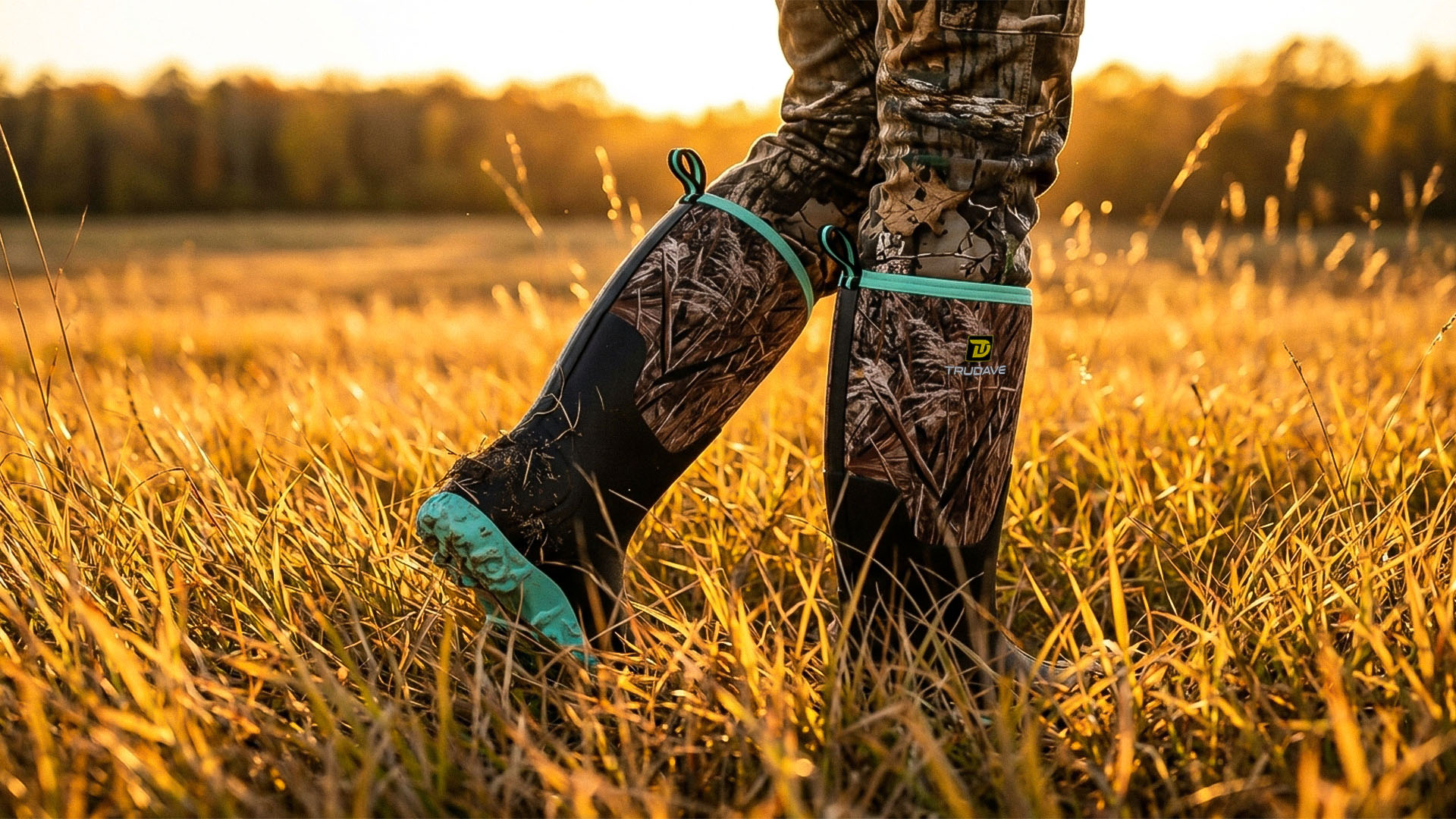
Chukar Hunting Is One of the Best Boot Tests in Upland Hunting
A typical hunt may involve:
- Loose rock
- Mud after rain
- Wet grass
- Scree
- Long climbs
- Long descents
Hunters working these environments may benefit from waterproof hunting boots for chukar hunting that provide secure heel retention, dependable rock traction, and enough ankle support for steep western terrain without becoming excessively heavy.
Heel Lock Matters on Climbs
Uphill travel repeatedly lifts the heel.
Loose footwear creates:
- Hot spots
- Blisters
A secure fit makes long climbs much more comfortable.
Toe Room Matters on Descents
Descending is often harder on feet than climbing.
The foot slides forward.
Toes repeatedly contact the front of the boot.
Proper sizing matters.
Ankle Support Helps on Sidehills
Chukar hunters spend enormous time traversing steep slopes.
Sidehilling places constant stress on ankles.
A supportive boot can improve stability.
Lightweight Boots Reduce Fatigue
Heavy footwear makes every vertical foot more expensive.
Balance:
- Support
- Durability
- Waterproofing
- Weight
carefully.
Waterproofing Still Matters in Dry Country
Chukar habitat is often described as arid.
But hunters may encounter:
- Wet grass
- Snow
- Creek crossings
- Rain-soaked slopes
A waterproof boot can make changing weather much easier to handle.
Gaiters Can Be Useful
Low gaiters help keep:
- Cheatgrass seeds
- Gravel
- Snow
- Mud
out of boots.
They also protect lower pant legs.
Cheatgrass Can Get Everywhere
Dry grass seeds can work into:
- Socks
- Boots
- Dog paws
Check equipment regularly.
Small irritation becomes miserable after several miles.
Dogs Need Paw Checks Too
Upland dogs running through:
- Cheatgrass
- Rock
- Dry vegetation
can collect seeds or suffer cuts.
Inspect paws and coat throughout the hunt.
Dogs Can Help Locate Coveys
Pointing dogs may locate birds before hunters walk directly into them.
This can be especially useful in:
- Grass
- Sage
- Broken rock
where birds are difficult to see.
Dog Range Should Match the Terrain
A dog working too far ahead on a steep canyon can create difficult situations.
Maintain practical control.
Canyon terrain makes communication harder.
Dogs Can Overheat Even in Cool Weather
Steep climbing generates tremendous heat.
Give:
- Water
- Breaks
regularly.
Carry Water for the Dog
Natural water can be widely spaced.
Do not assume the next creek is close.
Carry enough for both hunter and dog.
Water Weight Is Worth Carrying
Chukar hunting often occurs far from reliable sources.
Dehydration reduces:
- Balance
- Judgment
- Shooting control
Carry more than you think a short hunt requires.
Dry Air Hides Sweat Loss
Western air can evaporate sweat rapidly.
Hunters may not realize how much fluid they are losing.
Drink regularly.
Hot Early Seasons Can Be Difficult
Direct sun on open slopes can produce significant heat.
Start early.
Use shade when available.
Avoid pushing dogs too hard.
Shade Is Limited
Rock faces and canyon walls may provide short periods of shade.
Use them during breaks.
Saving energy matters.
Cold Late Seasons Create Different Problems
Later hunts may include:
- Snow
- Frozen mud
- Strong wind
Layer appropriately.
Avoid becoming sweaty during climbs.
Snow Can Make Chukar Easier to Locate
Fresh snow may reveal:
- Tracks
- Feeding areas
- Travel direction
This can narrow the search.
Snow Also Hides Terrain Hazards
A thin layer may cover:
- Loose rock
- Holes
- Ice
Move slower than normal.
South-Facing Slopes Can Lose Snow Faster
Sun exposure can expose feeding ground.
These slopes may become more productive after storms.
Windblown Ridges Can Stay Open
Strong wind may remove snow from:
- Ridge shoulders
- Exposed benches
making seed easier to access.
Cold Wind Can Push Birds Toward Protected Slopes
Search leeward canyon sides when conditions become harsh.
Birds may use terrain for shelter just as hunters do.
Wind Can Make Shots Harder
Chukar often flush in:
- Crosswinds
- Downhill air
which can complicate timing and lead.
Do not rush.
Birds Often Flush Downhill
A classic chukar pattern is to run uphill and then flush downhill.
This gives birds:
- Speed
- Distance
very quickly.
Be ready for rapid descending flight.
Downhill Shots Feel Faster
A bird dropping through open canyon can gain distance quickly.
Hunters must stay controlled.
Do not chase the muzzle.
Pick One Bird
When a covey flushes, the sky can suddenly contain several targets.
Choose one bird.
Follow it.
Do not shoot into the center of the covey.
Mark Where the Covey Lands
After the initial flush, watch the birds as long as possible.
Note:
- Rock band
- Sage patch
- Draw
- Bench
where they land.
Coveys May Break Into Smaller Groups
After flushing, birds can scatter.
Singles and small groups may hold tighter on the next approach.
This can create better opportunities.
Do Not Immediately Sprint After the Covey
Give yourself time to:
- Mark landing points
- Catch your breath
- Plan the route
Running blindly downhill and uphill wastes energy.
Use Multiple Landmarks
“Beside the rock” is useless when the entire mountain is rock.
Use combinations such as:
- Lone sage patch
- Cliff band
- Draw intersection
to mark birds.
Everything Looks Different From Inside the Canyon
A landing point that seemed obvious from across the basin can disappear once you move.
Use GPS or map waypoints when helpful.
Chukar Can Hold Tight After a Second Flush
Scattered birds may sit quietly in:
- Grass
- Rock
- Sage
Slow down as you approach the marked area.
Do Not Walk Only the Easy Contours
Birds may choose steep upper slopes because hunters avoid them.
That does not mean every impossible cliff should be climbed.
Balance habitat quality with safe access.
Hunting Pressure Pushes Birds Higher
Accessible slopes often receive more pressure.
Coveys may shift toward:
- Higher benches
- Rougher rimrock
- More remote water
as the season progresses.
Roadside Habitat Can Still Hold Birds Early
Do not automatically drive past every accessible slope.
Fresh sign and calls matter more than distance from the vehicle.
Closed Roads Can Create Good Walking Access
Where legal, gated or closed roads may provide efficient entry into canyon systems.
Use them to save energy before climbing.
Dirt Roads Are Good Tracking Surfaces
After rain or snow, look for:
- Tracks
- Droppings
where birds cross roads between slopes.
Rain Can Change Chukar Habitat
A storm may create:
- Temporary water
- Greener vegetation
- Mud
and alter local bird distribution.
Fresh Rain Can Reduce Dependence on Permanent Water
When moisture is widely available, birds may spread farther from springs or tanks.
Do not keep hunting only the traditional water source.
Rain Can Also Make Roads Dangerous
Clay roads may become:
- Slick
- Deep
- Impassable
Avoid road damage.
Park and walk.
Mud Builds on Boots
Sticky soil adds weight and reduces traction.
Clean excessive mud when practical.
Thunderstorms Create Canyon Hazards
Western storms can develop rapidly.
Heavy rain can produce:
- Flash runoff
- Lightning
- Slippery rock
Do not remain in exposed or dangerous terrain.
Dry Washes Can Flood Quickly
A canyon bottom that was safe earlier may become dangerous after upstream rain.
Watch the weather.
Fog Can Make Navigation Difficult
Mountain fog can remove:
- Ridge lines
- Distant landmarks
Use reliable offline navigation.
Mark the Vehicle Before Leaving
A long covey chase can pull hunters into another drainage.
Save the vehicle location.
Carry a Headlamp
A late covey or difficult recovery can extend the hunt.
Carry:
- Headlamp
- Backup power
even on morning hunts.
Cell Service May Be Unreliable
Download:
- Topographic maps
- Property boundaries
- Roads
before hunting.
Topographic Maps Are Extremely Useful
Contour lines can reveal:
- Saddles
- Benches
- Canyon heads
- Cliffs
before you ever climb.
Satellite Imagery Adds Vegetation Context
Use aerial imagery to identify:
- Grass slopes
- Sage
- Rock bands
- Water
Combine it with topography.
The Best Route Is Rarely a Straight Line
Map study can reveal:
- Easier ridge access
- Lower-gradient climbs
that save huge amounts of energy.
Public-Land Boundaries Matter
Western chukar country may include:
- Federal land
- State land
- Private ranches
Know where legal access exists.
Private Inholdings Can Interrupt Public Terrain
An open-looking canyon does not automatically mean unrestricted access.
Use current ownership maps.
Respect Gates and Roads
If legal access crosses working land:
- Leave gates as directed
- Stay on permitted roads
- Avoid wet-road damage
Livestock May Share Chukar Country
She
