
Texas Hill Country can look simple from a ranch road.
Live oak.
Cedar.
Rock.
Dry grass.
Creek bottoms cutting through low limestone hills.
Then an axis deer steps between two oak trunks.
For a few seconds, its spotted coat is completely visible.
The hunter reaches for binoculars.
The deer turns.
Gone.
It did not run far.
It simply moved behind enough broken vegetation and rock to disappear.
That is one of the biggest lessons in axis deer hunting.
These deer can use open and semi-open country extremely efficiently.
They may feed in grass.
Travel through oak draws.
Bed in shaded cedar.
Cross limestone creeks.
And move from one habitat type to another without spending much time fully exposed.
Successful hunters learn to stop treating Hill Country as one continuous block of brush.
Instead, they look for the transitions:
- Oak to grass
- Creek to upland
- Cedar to opening
- Shade to sun
- Dry ridge to moist draw
Those edges explain where axis deer appear.
Axis Deer Fit Hill Country Extremely Well
Axis deer can thrive in landscapes containing:
- Live oak
- Cedar
- Grassland
- Brush
- Creek bottoms
- Rocky slopes
- Agricultural edges
Their habitat needs are flexible.
That means hunters may find them in surprisingly different locations throughout the day.
The key is understanding:
- Food
- Shade
- Water
- Travel routes
- Human pressure
Start With Food
Axis deer spend significant time feeding.
Look for current feeding habitat such as:
- Grass
- Forbs
- Agricultural edges
- Oak openings
depending on local conditions.
The best feeding areas usually sit close to:
- Brush
- Timber
- Creek cover
Security matters.
Open Grass Can Be Productive
Axis deer may feed in open pasture.
But fully exposed animals usually remain alert.
Glass from a distance.
Watch the edge where:
- Grass
- Oak
- Cedar
meet.
That transition often provides better daylight opportunity.
Hunt the First Cover Beside the Field
A deer feeding openly may retreat quickly into:
- Oak
- Cedar
- Brush
when pressure increases.
Look for trails entering cover.
Fresh tracks can reveal the most-used routes.
Live Oak Draws Deserve Attention
Hill Country oak systems create:
- Shade
- Feeding cover
- Travel corridors
A shallow draw containing mature live oak can be much cooler than the surrounding slope.
During warm weather, this can matter greatly.
Oak Shade Can Hide Deer Completely
Bright Texas sunlight creates strong contrast.
A deer standing beneath an oak may look like a dark shape.
Use binoculars.
Search for:
- Ear movement
- Leg
- White throat
- Body outline
Do not assume every shadow is empty.
Cedar Can Provide Security
Dense cedar can become effective bedding and escape cover.
Axis deer may move from open feeding areas into cedar during the day.
Look for trails along the outer edge.
The first twenty yards can be especially important.
Do Not Push Straight Into Thick Cedar
Once inside dense cover:
- Visibility disappears
- Wind becomes harder to manage
- Movement becomes noisy
Instead, study:
- Openings
- Draws
- Trails
- Creek corridors
around the cover.
Creek Bottoms Can Become Natural Travel Routes
Hill Country creeks create cooler, greener corridors.
They may provide:
- Water
- Shade
- Vegetation
- Easier movement
Axis deer may follow these systems between feeding and bedding habitat.
Dry Creeks Still Matter
A creek does not need flowing water to organize travel.
Dry limestone channels still create:
- Lower terrain
- Shade
- Vegetation changes
Fresh tracks in sandy pockets can reveal use.
Limestone Creek Crossings Can Concentrate Sign
Where trails cross:
- Shallow water
- Gravel bars
- Mud
look for repeated tracks.
These locations may connect:
- Pasture
- Oak draw
- Bedding cover
Rain Makes Tracking Much Easier
Dry Hill Country soil can hold old tracks for a long time.
After rain, the ground resets.
Fresh prints stand out.
Check:
- Roads
- Creek edges
- Trails
- Low crossings
soon after storms.
Fresh Tracks Matter More Than Trail Size
A heavily worn trail may have existed for years.
A smaller trail with fresh wet tracks may be more valuable today.
Current use beats appearance.
Mud Can Reveal Herd Movement
Multiple fresh tracks can reveal:
- Group size
- Direction
- Repeated crossing
Study the pattern.
Do not simply follow one hoof print blindly.
Axis Deer Often Travel in Groups
Seeing one animal should make you slow down.
Others may be nearby.
Look:
- Behind brush
- Above the slope
- Down the trail
One deer moving can expose an entire group.
More Animals Mean More Detection Risk
A group creates:
- More eyes
- More ears
- More noses
Do not focus entirely on the largest animal.
The deer farthest from your target may detect you first.
Glassing Is Extremely Useful
Hill Country vegetation can hide animals in small openings.
Use optics to search:
- Oak edges
- Creek bottoms
- Grass openings
- Cedar transitions
before walking.
Recheck the Same Opening
Axis deer move in and out of cover quickly.
A field that looked empty five minutes ago may suddenly hold several animals.
Patient glassing saves unnecessary movement.
Early Morning Often Reveals Feeding Movement
Cool morning conditions can keep deer near:
- Grass
- Open pasture
- Agricultural edges
longer.
Watch the route back toward security cover.
Late Afternoon Can Reverse the Pattern
As temperatures fall, deer may leave shade and begin moving toward food.
Set up where travel routes meet feeding habitat.
Midday Can Still Be Productive
Warm conditions may concentrate axis deer in shaded cover.
Search:
- Creek bottoms
- Oak draws
- Cedar edges
rather than assuming midday is useless.
Shade Becomes a Habitat Feature
During hot periods, shade can matter almost as much as food.
Look for:
- North-facing slopes
- Deep oak draws
- Creek timber
where temperature is lower.
Water Can Influence Local Movement
Axis deer may use:
- Creeks
- Springs
- Stock tanks
- Ponds
depending on weather and habitat.
Fresh sign can reveal current use.
Hunt the Route, Not Only the Water
The trail between:
- Bedding
- Feeding
- Water
can be more productive than the water source itself.
Look for tracks leaving the source.
Then study where they go.
Stock Tanks Can Reveal Patterns
Soft ground around tanks often records:
- Deer tracks
- Travel direction
But tanks may also be used by livestock.
Respect ranch infrastructure.
Do Not Disturb Ranch Water Systems
Never interfere with:
- Pumps
- Troughs
- Fencing
Water infrastructure is essential to working properties.
Hill Country Terrain Creates Hidden Benches
Low hills often contain small flatter shelves.
These benches may provide:
- Bedding
- Feeding
- Easier travel
A subtle bench inside cedar can hold deer repeatedly.
Saddles Can Funnel Movement
A low point between ridges offers easier travel.
Look for:
- Tracks
- Trails
- Droppings
through saddles connecting:
- Creek
- Pasture
- Oak cover
Ridge Shoulders Can Be Better Than Ridge Tops
Axis deer may move slightly below the crest.
This keeps them:
- Concealed
- Out of the wind
- Close to escape cover
Search the first strip below the skyline.
Rocky Slopes Can Hide Deer Better Than Expected
Limestone outcrops create:
- Shadows
- Terrain folds
- Brush pockets
A deer may disappear after only a few steps.
Mark exact landmarks during a stalk.
Do Not Use Vague Landmarks
“Beside the big oak” becomes useless when there are fifty similar trees.
Use:
- Rock outcrop
- Creek bend
- Fence corner
- Distinct cedar patch
together.
Wind Is Critical
Axis deer rely strongly on scent.
A perfect visual approach can fail instantly when the wind is wrong.
Check conditions before moving.
Crosswinds Can Be Useful
A crosswind approach may allow hunters to move beside likely travel corridors without pushing scent directly into them.
Use terrain to stay concealed.
Draws Can Swirl Wind
Low terrain can redirect airflow.
A steady ridge wind may behave differently beside:
- Creek
- Cedar
- Rock walls
Check repeatedly.
Morning Thermals Can Drop
Cool air may settle toward:
- Creeks
- Low draws
This can carry scent directly into bedding habitat.
Plan access carefully.
Afternoon Heating Can Reverse Airflow
As slopes warm, rising thermals may change the entire setup.
Long hunts require multiple wind checks.
Rain Can Improve Quiet Movement
Wet leaves and grass reduce noise.
This can make:
- Still-hunting
- Slow repositioning
more effective.
Rain Also Creates Slippery Limestone
Smooth limestone can become dangerously slick.
Wet rock deserves more caution than dry dirt.
Use shorter controlled steps.
Hill Country Hunting Can Be Hard on Boots
A typical axis deer hunt may involve:
- Wet grass
- Mud
- Limestone
- Creek crossings
- Cedar slopes
- Long ranch roads
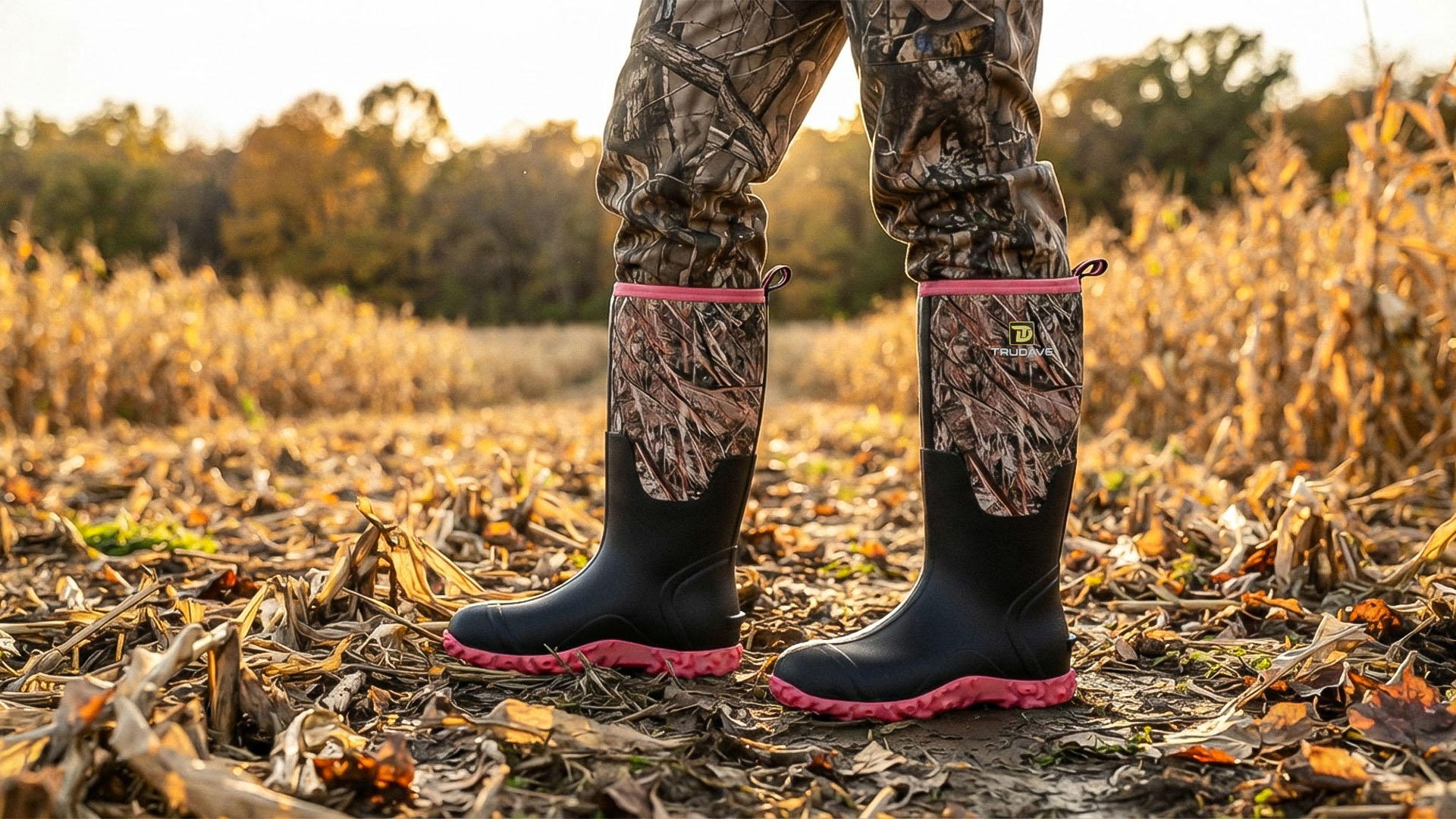
Hunters may benefit from waterproof hunting boots for Texas Hill Country hunting that provide secure heel retention, reliable wet-rock traction, and enough support for uneven limestone terrain without excessive weight.
Lightweight Boots Are Often Better in Warm Conditions
Texas temperatures can become warm quickly.
Heavy insulated footwear may cause:
- Sweating
- Fatigue
Choose boots appropriate to:
- Season
- Distance
- Activity
Waterproofing Still Matters in Warm Weather
Morning dew can soak footwear quickly.
Rain can create:
- Mud
- Wet grass
- Creek crossings
Waterproof protection is useful even when temperatures are mild.
Heel Retention Matters on Limestone Hills
Repeated:
- Climbing
- Descending
- Sidehilling
creates foot movement.
Poor fit leads to blisters.
Break boots in before hunting.
Toe Room Matters on Descents
Downhill pressure pushes toes forward.
Make sure the toe box provides adequate room.
Traction Matters on Smooth Stone
Dry limestone can already be loose.
Wet limestone can become extremely slick.
Good tread helps.
Careful movement helps more.
Loose Rock Can Roll Underfoot
Hill Country slopes may contain broken stone.
Place feet deliberately.
Do not rush after moving deer.
Gaiters Can Help
Low gaiters may reduce:
- Seeds
- Grass
- Mud
entering footwear.
They can also protect lower pants from wet brush.
Cedar Can Scratch Clothing
Dense cedar and brush can be rough on lightweight fabric.
Durable pants make it easier to stay on productive routes.
Cactus Can Still Appear
Prickly pear is common in many Texas landscapes.
Watch:
- Kneeling spots
- Seating locations
- Stalk routes
Do Not Sit Down Without Looking
One hidden cactus pad can end a comfortable glassing session immediately.
Check the ground first.
Eye Protection Can Be Useful
Brush, cedar, and mesquite can reach face height.
Clear glasses can reduce eye scratches during low-light travel.
Heat Can Be a Bigger Problem Than Cold
Warm Texas hunts require hydration.
Long glassing sessions under sun still cause:
- Dehydration
- Heat stress
Carry water.
Dry Wind Can Hide Fluid Loss
Sweat may evaporate quickly.
Drink regularly.
Do not wait for severe thirst.
Carry Water During Every Stalk
A short approach can become long when animals move around a ridge.
Bring water with you.
Shade Can Help Hunters Too
Use:
- Oak
- Cedar
- Rock shade
during midday glassing.
Saving energy improves late-day hunting.
Thunderstorms Can Change Conditions Quickly
Texas weather can shift fast.
Heavy rain may create:
- Flash runoff
- Slick creek crossings
- Muddy roads
Watch weather throughout the hunt.
Dry Creeks Can Flood
A creek that was empty in the morning can carry water after upstream rain.
Do not leave yourself trapped on the wrong side.
Wet Ranch Roads Can Become Impassable
Clay and caliche roads can deteriorate quickly.
Avoid damaging:
- Private roads
- Pasture access
Park and walk when necessary.
Vehicle Access Should Never Determine the Entire Hunt
A closed or muddy road may require a different plan.
Have alternate access routes.
Private Ranch Rules Matter
Axis deer hunting often occurs on private land.
Follow instructions regarding:
- Roads
- Parking
- Gates
- Hunting zones
exactly.
Leave Gates As Directed
Working livestock operations depend on gate management.
Ask the landowner.
Do not make assumptions.
Livestock Changes Shot Safety
Hill Country ranches may contain:
- Cattle
- Sheep
- Goats
- Horses
Know the background before every shot.
Brush Can Hide Livestock
An apparently empty cedar line may conceal animals.
Use optics.
Wait for a clear safe background.
Fences Can Affect Movement
Axis deer may cross ranch fencing at habitual locations.
Look for:
- Tracks
- Worn trails
- Low crossings
but never damage fencing.
Fence Crossings Require Safe Firearm Handling
Do not rush because deer are visible.
Cross obstacles using safe hunting practices.
Public Access Should Not Be Assumed
A large open-looking ranch does not mean hunting access is available.
Verify ownership and permission.
Property Boundaries Can Be Difficult to Recognize
Fence lines may not perfectly match digital assumptions.
Use current maps and landowner instructions.
Axis Deer Can Cross Property Quickly
A group may move from one ranch to another within minutes.
Do not pursue across boundaries without legal permission.
Still-Hunting Can Work in Wet Conditions
After rain, forest-floor noise drops.
Move slowly through:
- Oak draw
- Creek edge
- Cedar opening
Take several steps.
Stop.
Scan.
Spend More Time Stopped Than Walking
Axis deer may remain still when a hunter approaches.
Constant movement makes you easier to detect.
Pause frequently.
Listen for Movement
Large animals can create:
- Grass noise
- Branch movement
- Footsteps
before they become visible.
Do Not Shoot at Sound
Other wildlife and livestock may be hidden.
Positive visual identification is mandatory.
Binoculars Help at Short Range
A spotted body can blend surprisingly well with:
- Dappled light
- Oak shade
Use binoculars to inspect suspicious shapes.
Axis Deer Coloration Works Well in Broken Light
Their spotted pattern may seem bright in photographs.
Under oak shade, it can break up body shape extremely effectively.
Look for movement.
Herds Can Create Visual Confusion
Multiple deer may stand close together.
Before shooting, confirm the legal target is clearly separated.
Safe Backgrounds Matter
Limestone hills can create ridges with unknown ground beyond.
Avoid skyline shots.
Wait for a safe backstop.
Brush Is Not a Reliable Backstop
Cedar and mesquite may hide:
- Livestock
- Roads
- Buildings
Know what lies beyond.
Distance Is Easy to Misjudge
Hill Country openings vary in size.
Use reliable ranging methods.
Know your demonstrated effective distance.
Do Not Rush a Brief Opening
An animal stepping out for only seconds creates pressure.
Do not let urgency override:
- Identification
- Stability
- Background
Stable Shooting Positions Matter
Rock, trees, and terrain may provide useful legal support.
Practice:
- Sitting
- Kneeling
- Supported positions
before the hunt.
Do Not Shoot From Slippery Footing
Wet limestone can compromise balance.
Move to a safer position when possible.
Recovery Begins Before the Shot
Mark:
- Exact animal position
- Creek
- Rock
- Oak cluster
before shooting.
Everything looks different once you enter the brush.
Keep Watching After the Shot
Note:
- Direction
- Last visible location
- Other deer movement
Do not immediately begin walking.
Tracks Can Help Recovery
Soft soil, mud, and creek edges may preserve movement.
Use fresh tracks carefully.
Limestone Can Remove Tracking Sign
Bare rock may show little.
Look for:
- Disturbed grass
- Hair
- Blood where present
- Tracks in softer pockets
Rain Can Complicate Tracking
Heavy rain may reduce visible sign.
Use multiple clues.
Move methodically.
Do Not Destroy the Trail
Keep unnecessary foot traffic away.
Mark confirmed evidence before moving forward.
Dense Cedar Can Hide a Deer Nearby
An animal may move only a short distance and disappear completely.
Search systematically.
Do not assume it traveled far.
Warm Weather Makes Game Care Important
Texas temperatures can rise quickly.
Prepare:
- Cooler space
- Ice
- Game-care equipment
before the hunt.
Direct Sun Accelerates Heating
Move harvested game toward suitable cooling conditions promptly.
Follow current food-safety guidance.
Large Animals Retain Heat
Do not assume shade alone is enough.
Efficient field care matters.
Recovery Routes Should Be Planned
A deer may be visible across a creek or canyon.
Before shooting, ask:
How will I reach it?
Plan:
- Access
- Extraction
- Cooling
in advance.
Wet Roads Can Affect Extraction
Rain may make vehicle recovery impossible.
Have a walking or alternate plan.
Do Not Damage Ranch Roads During Recovery
A successful hunt does not justify:
- Deep ruts
- Broken gates
- Property damage
Follow landowner instructions.
Current Regulations Must Be Verified
Axis deer regulations can vary by:
- Jurisdiction
- Property
- Hunting method
Hunters should verify current official:
- License requirements
- Legal methods
- Season rules
- Land-access requirements
before hunting.
Exotic Species Does Not Mean Regulation-Free
Classification does not remove:
- Firearm laws
- Access laws
- Property rules
Always confirm the exact requirements.
Ranch Rules May Be Stricter Than State Rules
Private properties may impose specific:
- Weapon
- Timing
- Access
requirements.
Those rules matter.
Identification Still Matters
Axis deer may share habitat with:
- White-tailed deer
- Other exotic species
Hunters should positively identify the target.
Do Not Identify Only by Color
Shade can alter appearance.
Use:
- Body pattern
- Antlers where applicable
- Body structure
together.
Habitat Management Shapes Axis Deer Distribution
Water, forage, livestock management, and brush structure all influence how deer use a ranch.
A property can change from season to season.
Keep Scouting
One creek may dry.
One pasture may green after rain.
One oak draw may receive more pressure.
Current conditions matter.
Common Axis Deer Hunting Mistakes
Glassing Open Fields Too Quickly
Deer may stand just inside shade.
Ignoring Oak Draws
Cool travel corridors can be extremely important.
Hunting Only Water Sources
Travel routes may provide better opportunities.
Following Old Tracks
Dry Texas soil preserves history.
Wearing Heavy or Leaky Boots
Warm Hill Country hunting rewards lightweight waterproof support.
Ignoring Wet Limestone
Rain can make easy slopes dangerous.
Forgetting Livestock
Ranch background awareness is essential.
Shooting Without Planning Recovery
Creeks, rock, brush, and heat complicate extraction.
Frequently Asked Questions
Where do axis deer usually live in Texas Hill Country?
Axis deer may use live-oak woodland, cedar, grassland, creek bottoms, brushy slopes, ranch pasture, and other habitats combining food, water, shade, and security.
Are creek bottoms good places to find axis deer?
They can be. Creek systems often provide shade, vegetation, travel routes, and water while connecting feeding and bedding habitat.
Is rain good for axis deer hunting?
Rain can create fresh tracking conditions, improve vegetation, and quiet movement, although wet limestone and muddy ranch roads can make access more difficult.
Are open pastures good for axis deer hunting?
Yes, particularly as feeding areas, but deer often remain close to oak, cedar, or brush security cover.
What boots are best for Texas Hill Country hunting?
Lightweight waterproof hunting boots with secure heel fit, dependable wet-rock and mud traction, moderate support, and enough durability for cedar, limestone, and long ranch walks are practical.
Why are axis deer difficult to see in oak country?
Their spotted coloration, shade, brush, and broken terrain allow them to blend surprisingly well despite their body size.
Final Thoughts
Axis deer hunting teaches hunters that Hill Country is not just rock, oak, and brush.
Every small transition has a purpose.
One creek bottom stays cooler.
One live-oak draw provides shade.
One cedar edge gives deer security.
One pasture provides food.
One saddle connects all of them.
The deer move between those features.
The successful hunter learns to see those connections.
Glass the shade.
Read fresh tracks.
Watch creek crossings.
Hunt the first cover beside feeding ground.
Respect the wind.
Plan for rain.
Wear boots that let you cross wet grass, limestone, creek gravel, mud, cedar slopes, and long ranch roads without making your feet the limiting factor.
And when an axis deer suddenly appears from an oak shadow you already looked at twice, remember the lesson:
Hill Country does not need thick forest to hide deer.
Sometimes one patch of shade is enough.
