
Opening-week pheasant country looks easy.
Grass fields.
Corn edges.
Roadside cover.
Birds running across open ground.
A hunter walks a CRP field and hears wings erupt before reaching the first quarter mile.
Then several weeks pass.
The same property feels empty.
Hunters walk the easy grass.
Nothing flushes.
They check the obvious field corners.
Nothing.
They begin wondering whether every rooster has already been harvested.
Then someone steps into a cattail slough that nobody wanted to walk.
Thirty yards later, a rooster explodes from chest-high cover.
Another bird flushes farther down the wetland.
The pheasants were still there.
They simply moved into the habitat where hunting pressure was lowest and security was highest.
That is late-season pheasant hunting.
As hunting pressure, cold weather, snow, food availability, and agricultural harvest change the landscape, pheasants adjust.
Successful hunters adjust with them.
Pheasant Habitat Is a Combination, Not One Field
Ring-necked pheasants often thrive in agricultural landscapes that provide several habitat types close together.
Productive country may contain:
- CRP grassland
- Cattail wetlands
- Corn
- Grain fields
- Shelterbelts
- Brushy fence lines
- Ditches
- Wetland edges
The best property is rarely one giant block of perfect grass.
Birds need different places for different needs.
They may:
Feed in one area.
Loaf in another.
Escape into another.
Roost somewhere else.
The hunter who understands those connections finds more birds.
CRP Can Be Classic Pheasant Cover
Conservation grasslands can provide valuable habitat where suitable vegetation structure exists.
CRP fields may contain:
- Tall grass
- Forbs
- Weed seeds
- Nesting cover
- Winter security
But not every CRP field is equally productive.
Look at:
- Grass density
- Nearby food
- Wetlands
- Shelterbelts
A beautiful isolated grass field surrounded by poor habitat may hold fewer birds than a smaller field connected to food and winter cover.
Hunt CRP Edges First
Birds often use the transition between CRP and:
- Corn
- Road ditches
- Wetlands
- Brush
- Trees
These edges create multiple resources within a short distance.
Early in the hunt, work transitions carefully.
A rooster may be sitting only several yards inside the grass.
Interior Grass Can Hold Birds Too
After pressure increases, pheasants may move farther from obvious edges.
Large CRP fields can become difficult because birds may:
- Run ahead
- Shift laterally
- Flush wild
Use terrain and hunter spacing to reduce easy escape routes.
Do not simply walk one straight line through the center.
Pheasants Love to Run
One of the defining challenges of pheasant hunting is ground movement.
A rooster may run hundreds of yards before flushing.
This is especially common when:
- Cover is open underneath
- Birds have been pressured
- Hunters make constant noise
A dog may become birdy, then lose scent farther ahead.
That does not necessarily mean the bird vanished.
It may simply be running.
Do Not Race a Running Rooster
Walking faster rarely solves the problem.
The pheasant is better at moving through grass than you are.
Instead, use habitat.
Ask:
Where is the bird going?
Possible destinations include:
- Cattails
- Fence lines
- Corn
- Field end
- Brush
If you can anticipate the destination, you may turn a running bird into a flush.
Field Ends Can Stop Running Birds
A rooster running through grass may eventually reach:
- Road
- Cut crop
- Open field
- Water
- Thin cover
At that point, flight may become more attractive.
This is why the final portion of a grass strip deserves extra attention.
Do not relax near the end.
The bird may have been running ahead the entire time.
Blockers Can Be Effective
Where safe, legal, and properly coordinated, hunters may position a blocker near the end of a cover strip.
This can make birds less willing to continue running.
But safety matters.
Everyone must know:
- Hunter locations
- Shooting zones
- Dog position
A blocking strategy should never result in hunters shooting toward one another.
Cattails Become Critical Late in the Season
Cold-weather pheasants often use dense cattail wetlands because they provide:
- Thermal protection
- Wind shelter
- Security
- Reduced hunting pressure
These places are difficult to hunt.
That is exactly why birds use them.
A cattail slough that looked unnecessary in October may become the best habitat on the property by December.
Small Cattail Patches Can Hold Many Birds
Do not assume you need a huge marsh.
A narrow cattail strip beside:
- Corn
- CRP
- Shelterbelt
can concentrate multiple pheasants.
Especially after snow or heavy pressure.
Work every high-quality patch carefully.
Cattail Edges Are Easier to Hunt
Before entering the wet center, hunt:
- Dry outer edge
- Grass transition
- Corn-side boundary
Birds may sit just inside the cattails.
If pressure increases, they may move deeper.
Frozen Wetlands Change Access
Cold weather can make cattail habitat easier to enter.
But frozen does not automatically mean safe.
A slough may contain:
- Thin ice
- Open water
- Muskrat channels
- Hidden mud
Evaluate footing carefully.
Do not follow birds across uncertain ice.
Snow Can Hide Weak Ice
Snow insulates and obscures frozen water.
A white surface may conceal:
- Thin sections
- Drainage channels
- Springs
Never assume a pheasant track means the ice can support a hunter.
The bird weighs dramatically less.
Hunt the Dry High Spots Inside Wetlands
Many cattail sloughs contain:
- Small islands
- Raised edges
- Dry grass hummocks
Pheasants may concentrate on these spots.
They provide security without requiring birds to sit directly in water.
Use maps and daylight scouting to understand the wetland before entering.
Corn Is an Important Food Source
Agricultural food strongly influences pheasant behavior.
Cornfields can provide:
- Waste grain
- Concealment
- Feeding opportunities
Standing corn can make birds extremely difficult to hunt.
Once harvested, movement often shifts toward nearby grass and wetland cover.
Standing Corn Creates a Pheasant Fortress
Pheasants can run through corn almost endlessly.
Birds may stay far ahead of:
- Dogs
- Hunters
A huge unharvested field can absorb pressure easily.
Hunting it effectively requires careful coordination and legal access.
Harvest Changes Everything
Once crops come off, pheasants lose enormous amounts of security cover.
This can concentrate birds into:
- CRP
- Cattails
- Ditches
- Shelterbelts
A property that seemed empty before harvest may suddenly become much easier to understand.
Rescout after agricultural changes.
Hunt the Corn-to-Grass Transition
Where harvested corn meets strong grass cover, look for:
- Tracks
- Droppings
- Feather sign
Birds may feed in corn and retreat into grass during daylight.
These edges can become extremely productive.
Food and Security Should Be Close Together
Late-season birds want efficiency.
Cold weather increases energy requirements.
Pheasants benefit when they can move only a short distance between:
- Food
- Shelter
A cattail slough two hundred yards from corn may be far more valuable than identical cover several miles away.
Shelterbelts Can Be Excellent Winter Habitat
Rows of trees and shrubs can provide protection from:
- Wind
- Blowing snow
- Cold
Good shelterbelts may contain:
- Grass base
- Shrubs
- Evergreens
Birds may use both the trees and nearby grassy edges.
Hunt Both Sides of a Shelterbelt
Pheasants may run along the length of tree belts.
If safe and legal, coordinated hunters can work different sides while maintaining clear awareness.
Do not crowd.
A bird may flush through the opposite side unexpectedly.
Wind Determines Which Side Is Better
On windy days, the protected side of a shelterbelt may hold more birds.
Look for:
- Snow accumulation
- Calm grass
- Tracks
Pheasants often make the same weather-based decisions hunters would.
They seek comfort.
Road Ditches Can Be Surprisingly Productive
Ditches provide:
- Grass
- Food
- Travel cover
and may connect larger habitats.
Do not assume every bird visible near a road is legally huntable.
Road and right-of-way regulations vary.
Check local laws carefully.
Hunt Habitat, Not Roads
Road scouting may help locate bird-rich areas.
But the better strategy is identifying why birds were near the road.
Was there:
- Corn?
- Wetland?
- CRP?
- Shelterbelt?
That relationship leads to repeatable hunting.
Fence Lines Can Create Narrow Travel Corridors
Old fence lines may hold:
- Grass
- Weeds
- Brush
Pheasants can use them to move between larger habitat blocks.
These strips are especially valuable in otherwise clean agricultural landscapes.
Field Corners Often Hold Birds
Modern farming can leave irregular corners containing:
- Weeds
- Grass
- Brush
These overlooked areas may provide excellent security.
Work them slowly.
A rooster can sit in a surprisingly small patch of cover.
Ditches Between Crop Fields Can Hold Roosters
Drainage ditches create strips of cover inside otherwise open farmland.
Look where they connect:
- Crop fields
- Wetlands
- Grasslands
The intersection can function like a pheasant highway.
Snow Makes Tracks Valuable
Fresh snow reveals current activity.
Look for tracks connecting:
- Cattails
- Corn
- Shelterbelts
- CRP
A field covered in tracks is telling you exactly how birds move through the property.
Learn Feeding Routes From Snow
Tracks leaving winter cover at dawn may lead toward food.
Later tracks may return toward security.
These patterns can help hunters predict daily movement.
Do not simply follow individual footprints.
Study the system.
Snow Can Concentrate Birds
As snow deepens, pheasants lose access to some grass habitat.
They may concentrate in:
- Cattails
- Shelterbelts
- Dense CRP
- Food edges
This can make bird location more predictable.
It also increases the importance of not overpressuring one cover repeatedly.
Deep Snow Makes Hunters Easier to Detect
Pheasants can hear:
- Crunching snow
- Heavy walking
from significant distances.
Move carefully.
Use wind or vegetation noise when available.
Late-season birds often flush much earlier than opening-week birds.
Cold Makes Birds More Conservative
In harsh weather, pheasants may reduce unnecessary movement.
They want to conserve energy.
This means:
- Better cover
- Nearby food
- Wind protection
become even more important.
The worse the weather, the more concentrated good habitat may become.
Sunny Winter Days Can Change Activity
After a cold night, birds may move toward:
- Sunny grass edges
- South-facing shelter
- Open feeding zones
Midday can become surprisingly productive.
Do not assume first light is always best in severe winter conditions.
Wind Can Make or Break the Hunt
Strong prairie wind affects:
- Bird location
- Dog scenting
- Hunter approach
Use wind to narrow habitat.
Check:
- Leeward cattail edges
- Protected grass
- Shelterbelts
Avoid spending equal time in exposed ground.
Walking Into the Wind Helps Dogs
Working into or across the wind often improves scenting.
Plan the hunt route before releasing dogs.
The best parking location may not be the best hunting direction.
Wind should influence the entire plan.
Pointing Dogs Can Be Effective
A pointing dog can help identify roosters hiding in:
- CRP
- Grass
- Cattails
But running birds can challenge even excellent dogs.
Trust relocations.
Do not assume the bird is exactly where the first scent appeared.
Flushing Dogs Are Classic Pheasant Partners
Close-working flushing dogs can excel because they apply direct pressure inside grass.
The key is range.
A dog thirty yards too far ahead can turn a perfect rooster into a distant flush.
Keep Dogs Close Late in the Season
Pressured birds flush earlier.
A wide-ranging dog can make this worse.
Reduce range when hunting:
- Sparse cover
- Heavily pressured public land
- Snow
Close control creates better shooting opportunities.
Dogs Need Conditioning
Pheasant hunting can involve:
- Miles of grass
- Cattails
- Snow
- Mud
Condition dogs before season.
Do not expect weekend-only exercise to prepare a dog for an all-day upland hunt.
Cattails Are Hard on Dogs
Dense wetlands force dogs to:
- Push stems
- Jump mud
- Cross water
Fatigue builds quickly.
Give breaks.
Watch for cuts and eye irritation.
Ice Can Cut Dog Paws
Frozen wetlands may contain sharp edges.
Inspect paws for:
- Cuts
- Bleeding
- Ice buildup
Stop if problems develop.
Carry Clean Water
Do not rely on:
- Agricultural runoff
- Cattle water
- Slough water
Bring clean water for dogs.
Even winter dogs need hydration.
Hunting Without a Dog Is Possible
Hunters can still find pheasants effectively.
Focus on:
- Cattail strips
- CRP edges
- Ditches
- Field corners
Move slowly.
Pause frequently.
Pheasants may hold tight until pressure becomes uncomfortable.
Solo Hunters Should Hunt Smaller Cover
One person walking a giant field gives pheasants many escape options.
Instead, target:
- Narrow grass strips
- Small cattail patches
- Ditches
- Brush corners
Smaller habitat reduces running options.
Work From Thin Cover Toward Thick Cover
A useful strategy is pushing birds toward:
- Cattails
- Shelterbelts
where their movement becomes more predictable.
But avoid pushing them directly into unmanageable habitat unless you have a safe plan to finish the hunt.
Do Not Push Birds Toward Roads
Before beginning a field push, understand escape directions.
Avoid creating situations where birds, hunters, or dogs move toward:
- Highways
- Houses
- Livestock
Safety should determine the direction of the hunt.
Pheasant Flushes Are Fast but Visible
Roosters often produce explosive, obvious flushes.
Do not let excitement override identification.
Confirm:
- Legal bird
- Safe background
before shooting.
Regulations involving sex identification vary by jurisdiction.
Pick One Bird
A group flush can produce multiple roosters and hens.
Select one legal bird.
Track it.
Do not shoot at the flock generally.
Know Where the Dog Is
Low pheasant shots can put dogs at risk.
Never shoot at a bird low over the dog.
Wait until the background is safe.
A missed opportunity is better than an injured hunting partner.
Multiple Hunters Need Clear Zones
Before entering a field, establish:
- Walking line
- Spacing
- Shooting lanes
- Dog position
- Blocker location
Do not wait until the first rooster flushes.
Never Swing Through Another Hunter
Pheasant shooting can involve fast lateral movement.
Maintain muzzle awareness.
If a bird crosses another hunter’s zone, stop the swing.
Let it go.
Blaze Orange Improves Visibility
Follow local requirements.
Visible clothing is particularly important in:
- Tall CRP
- Cattails
- Shelterbelts
where hunters can disappear from view quickly.
Wet Grass Creates a Major Footwear Problem
Early-season pheasant country may contain heavy:
- Dew
- Rain
- Wet grass
A hunter can soak non-waterproof footwear before the first flush.
This becomes more important as temperatures drop.
Cattails Add Mud and Water
Late-season habitat may involve:
- Mud
- Shallow slough water
- Snow
- Ice
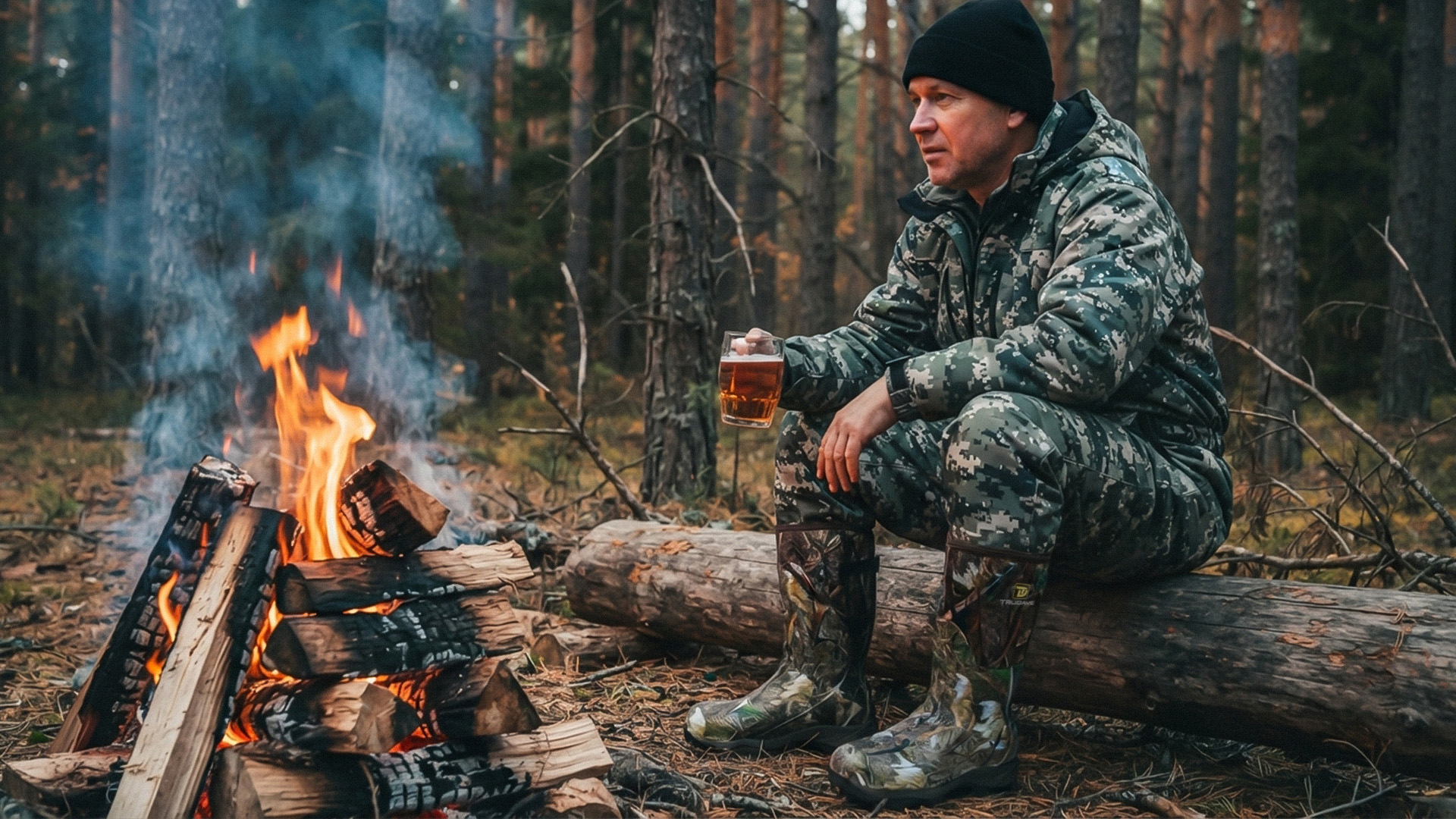
Hunters working these environments may benefit from waterproof hunting boots for late-season pheasant hunting that provide secure heel retention, reliable mud and snow traction, and enough waterproof height for wet grass and shallow cattail edges.
Tall Rubber Boots Can Be Excellent in Wet Fields
Rubber hunting boots are practical when the hunt includes:
- Mud
- Shallow water
- Wet grass
But fit is critical.
Pheasant hunters walk too far for loose boots to be comfortable.
Lace-Up Waterproof Boots Can Be Better for Long Grass Walks
If most terrain is:
- Dry CRP
- Hills
- Firm agricultural ground
with only occasional wet sections, a supportive waterproof lace-up boot may be more comfortable.
Choose for the majority of the route.
Heel Retention Matters in Mud
Sticky mud pulls at footwear.
A loose heel creates:
- Blisters
- Extra energy use
Good fit becomes especially important in cattail sloughs.
Insulation Should Match the Hunt
Late-season hunts can be extremely cold.
But pheasant hunting is active.
Too much insulation creates sweat.
Match warmth to:
- Temperature
- Walking intensity
- Snow depth
Dry feet are more important than maximum insulation.
Thick Socks Need Enough Boot Volume
Do not squeeze heavy socks into tight footwear.
Restricted circulation can make feet colder.
Test the complete winter setup before hunting.
Gaiters Can Be Useful in Snow
Gaiters can keep:
- Snow
- Seeds
- Wet grass
out of boots.
They also reduce moisture entering from the top.
Grass Seeds and Burrs Are Part of the Hunt
CRP and field edges may contain:
- Burrs
- Grass awns
- Seeds
They can affect:
- Clothing
- Dogs
Inspect dogs after each hunt.
Eye Protection Helps in Cattails
Dry cattail stems can strike the face.
Clear protective glasses help reduce injuries.
They are especially useful when walking behind a dog.
Frozen Cattails Can Be Sharp
Late-season stems become:
- Dry
- Broken
- Stiff
They can scratch:
- Hands
- Face
- Dog skin
Durable clothing helps.
Public Land Birds Become Educated Quickly
Pheasants on heavily hunted public land learn patterns.
They may avoid:
- Parking-area cover
- Easy field edges
Search for:
- Smaller overlooked patches
- Harder-to-access cattails
- Secondary habitat
Do not assume walking farther automatically solves the problem.
Cover quality still matters.
Weekday Hunts Can Reduce Pressure
When possible, hunting lower-pressure days can improve opportunities.
Birds may settle after busy weekends.
A field hunted Monday can behave very differently from the same field on opening Saturday.
Private Land Can Hold Strong Populations
Agricultural private land often provides excellent pheasant habitat.
Always obtain permission.
If granted access:
- Respect crops
- Follow parking instructions
- Close gates
- Avoid livestock
Good behavior protects future hunting opportunity.
Do Not Drive Wet Field Roads
Rain and snowmelt can damage agricultural access roads.
If conditions are soft:
Walk.
Do not create deep ruts to save a short hike.
Respect Standing Crops
Do not enter or damage crops without explicit permission.
Landowners make their living from those fields.
Hunting access never overrides agricultural operations.
Farm Equipment Can Be Hidden by Cover
Tall grass and snow may hide:
- Irrigation structures
- Fencing
- Machinery
Scout carefully.
Do not assume every field is free of obstacles.
Barbed Wire Requires Attention
Farm-country pheasant hunting frequently involves fences.
Use gates where possible.
Watch dogs.
Never damage fencing.
Frozen Ground Can Hide Wire
Snow can conceal low fence strands and old wire.
Look for posts before crossing through thick grass.
Hidden wire can seriously injure dogs.
Ditches Can Have Deep Water
A grassy drainage may appear easy to cross.
Inside may be:
- Water
- Ice
- Mud
Evaluate before stepping in.
Do not jump blindly while carrying a firearm.
Fresh Snow Improves Tracking
Pheasant tracks are easy to see after snowfall.
Use them to identify:
- Feeding routes
- Roost cover
- Cattail use
Track concentrations are especially valuable.
Droppings Can Reveal Roost Areas
Areas used repeatedly may contain:
- Droppings
- Feathers
- Tracks
especially inside protected grass or cattails.
These signs tell you the cover is more than a temporary travel route.
Do Not Overhunt Roost Cover
Repeated disturbance can push birds off a property.
Rotate habitat when possible.
One excellent cattail patch hunted every day may stop being excellent quickly.
Mark Downed Birds Immediately
A pheasant can disappear in:
- CRP
- Cattails
- Snow
- Corn stubble
Mark the exact fall.
Do not watch the remaining flock before you know where the downed bird landed.
Roosters Can Run After Landing
A wounded pheasant may move quickly through thick cover.
A trained dog is extremely valuable.
Search:
- Feathers
- Tracks
- Dog scent
methodically.
Give the Dog Time to Recover Birds
Do not flood the area with several hunters immediately.
Excessive foot traffic can destroy scent.
Let the dog work the fall.
Warm Early Season Requires Game Care
Opening periods can still be warm.
Keep harvested birds:
- Clean
- Cool
- Shaded
Handle them promptly.
Late Cold Does Not Replace Good Handling
Snow and freezing weather help.
But harvested game still requires proper care.
Follow current food-safety guidance.
Regulations Must Be Checked Locally
Ring-necked pheasant rules vary by state and management area.
Before hunting, verify current:
- Season dates
- Bag limits
- Possession limits
- Sex restrictions
- License requirements
- Public-land rules
- Blaze-orange requirements
- Legal methods
Use current official wildlife-agency information.
Public Areas May Have Special Pheasant Rules
Some wildlife areas may have:
- Draw hunts
- Specific hunting days
- Access restrictions
- Stocked-bird regulations
Check the exact property.
Do not rely only on statewide rules.
Identification Is Essential
Hunters must distinguish legal birds under applicable regulations.
Study:
- Plumage
- Tail
- Head coloration
- Body shape
before hunting.
Low light and fast flushes make preparation important.
Habitat Conservation Drives Pheasant Numbers
Good pheasant landscapes require more than crops.
They need:
- Grassland
- Wetlands
- Winter cover
- Food
- Connected habitat
Loss of grass and wetland habitat can reduce populations even when agriculture remains abundant.
Hunters benefit directly from conservation programs that maintain cover.
CRP and Habitat Programs Matter
Conservation grasslands can provide critical habitat for:
- Nesting
- Brood rearing
- Winter security
Supporting working-land conservation benefits pheasants and many other species.
Common Pheasant Hunting Mistakes
Hunting Only Easy Grass
Late-season birds often move into cattails and heavy security cover.
Following Running Birds Straight From Behind
Predict the destination instead.
Ignoring Crop Harvest
Agricultural changes can completely reset patterns.
Letting Dogs Range Too Far
Pressured roosters flush early.
Wearing Leaky or Loose Boots
Wet grass, mud, cattails, and snow punish poor footwear.
Ignoring Wind
Birds seek shelter and dogs need workable scent.
Rushing Group Hunts Without Defined Shooting Zones
Safety planning comes before the first step.
Overhunting One Good Patch
Pressure can move birds quickly.
Frequently Asked Questions
Where do pheasants go late in the season?
Late-season pheasants often concentrate in dense winter cover such as cattail wetlands, shelterbelts, heavy CRP, ditches, and grass near reliable food.
Are cattails good for pheasant hunting?
Yes. Cattails can provide excellent thermal and security cover, especially during cold, windy, snowy conditions.
Do pheasants run before flushing?
Yes. Ring-necked pheasants frequently run ahead of hunters and dogs, particularly in open-understory cover or after receiving hunting pressure.
Is snow good for pheasant hunting?
Fresh snow can reveal tracks and concentrate birds around food and winter cover, although deep snow can make movement more difficult for hunters and dogs.
Can you hunt pheasants without a dog?
Yes. Hunters can successfully target narrow cover, ditches, field corners, CRP edges, shelterbelts, and small cattail patches without dogs.
What boots are best for late-season pheasant hunting?
Waterproof hunting boots with secure heel fit, reliable wet-grass, mud, and snow traction, and enough insulation for current conditions are practical. Tall waterproof boots can be particularly useful around shallow cattail wetlands.
Final Thoughts
Late-season pheasant hunting teaches hunters an important lesson:
Birds do not disappear simply because easy cover becomes empty.
They adapt.
Corn gets harvested.
Snow arrives.
Hunters pressure the grass.
Wind becomes colder.
The roosters move toward the habitat that offers the greatest combination of food and security.
A cattail slough.
A shelterbelt.
A thick CRP corner.
A ditch beside harvested corn.
Those uncomfortable places begin to matter more.
Follow the food.
Hunt the wind-protected cover.
Watch fresh snow tracks.
Control the dog.
Wear boots that let you cross wet grass, mud, frozen ruts, snow, and cattail edges without avoiding the thick habitat everybody else walks around.
And when a late-season rooster finally explodes from the ugliest piece of cover on the farm, remember why it was there.
The bird did not choose the easiest place to hunt.
It chose the hardest place to be found.
