
Winter changes the elk landscape completely.
The mountain that held elk during early season may suddenly become empty.
The open meadows disappear under snow.
High ridges become difficult to access.
Food becomes harder to reach.
The herd begins moving.
A hunter standing on a frozen ridge may wonder where all the elk went.
The answer is simple:
They followed survival.
Winter elk hunting is not about finding where elk were.
It is about understanding where elk need to go.
Snow.
Temperature.
Food.
Shelter.
Pressure.
All of these factors influence migration.
The hunter who learns those patterns gains an advantage.
Winter Changes Elk Behavior
During warmer months, elk often spread across large areas.
They have access to:
- High mountain meadows
- Alpine vegetation
- Open feeding areas
- Remote basins
Winter removes many of those options.
Deep snow changes:
- Movement
- Feeding locations
- Bedding areas
- Travel routes
Elk become more predictable because survival requires efficiency.
They move toward areas that provide:
- Lower snow depth
- Food availability
- Shelter from weather
Migration Is About Energy Conservation
A common mistake is thinking elk migrate only because of cold.
The bigger factor is energy.
Deep snow makes every step harder.
Animals must spend more calories moving.
Elk naturally seek:
- Easier travel
- Better food
- Lower elevation
- Protected terrain
A good winter hunter studies where elk can survive with the least effort.
Snow Depth Controls Movement
Snow is one of the biggest factors affecting winter elk behavior.
Light snow may barely change movement.
Deep snow can completely redirect herds.
Watch areas with:
- Wind-blown slopes
- Exposed vegetation
- Lower elevation
- Southern exposures
Elk often avoid unnecessary energy costs.
The landscape tells you where movement makes sense.
South-Facing Slopes Become Valuable
Sun exposure matters during winter.
South-facing slopes often have:
- Less snow
- Earlier vegetation exposure
- Warmer conditions
These areas can become important feeding locations.
Look for:
- Open hillsides
- Timber edges
- Grass patches
Winter elk are constantly balancing food and safety.
Lower Elevations Often Hold More Elk
As snow accumulates, elk may move downhill.
Lower areas can provide:
- Reduced snow depth
- Better access to food
- Easier travel
This does not mean all elk leave mountains.
Some remain high if conditions allow.
The key is understanding current snow conditions.
Migration Corridors Are the Key
Elk often follow traditional routes.
These may include:
- Ridge systems
- River corridors
- Drainages
- Mountain passes
- Forest edges
A migration route is valuable because generations of elk may use similar landscape features.
Study:
Where do elk come from?
Where do they go?
What terrain forces movement?
Glassing Still Matters in Winter
Winter conditions can make elk easier to locate.
Snow creates contrast.
Dark animals stand out.
But large landscapes still require optics.
Good glassing locations include:
- Opposite ridges
- Open slopes
- Timber edges
- Valley overlooks
Spend time observing.
The first elk seen may reveal a much larger pattern.
Tracks Tell the Migration Story
Snow creates a record.
Fresh tracks can reveal:
- Direction
- Herd size
- Timing
- Travel routes
Look at:
- Snow crossings
- Forest roads
- Creek bottoms
- Passes
A single track is interesting.
A repeated trail is information.
Follow Travel Routes, Not Random Tracks
A common mistake is following every elk track.
Instead, ask:
Why are elk using this route?
Good travel routes usually connect:
- Bedding
- Feeding
- Shelter
The route matters more than the individual footprint.
Bedding Areas Become More Important
Winter elk spend more time conserving energy.
Bedding locations often provide:
- Protection from wind
- Thermal advantages
- Nearby food
Look for:
- Timber pockets
- Protected slopes
- South-facing cover
A good winter bedding area may be used repeatedly.
Wind Protection Matters
Winter storms make shelter important.
Elk may seek:
- Timber edges
- Leeward slopes
- Protected valleys
A location that provides food but no shelter may be abandoned during severe weather.
Think like an elk.
Where would you spend a freezing night?
Weather Fronts Can Increase Movement
Changing weather can influence elk activity.
Before storms, animals may feed aggressively.
After storms, they may seek shelter.
Clear periods after snow can be excellent opportunities.
The hunter who watches weather patterns understands timing.
Fresh Snow Creates New Opportunities
A fresh snowfall can reveal:
- New movement
- Herd direction
- Feeding locations
It also improves tracking.
However, snow creates challenges:
- Cold
- Slippery terrain
- Difficult roads
Preparation becomes more important.
Winter Elk Hunting Requires Serious Footwear
Cold-weather elk hunts often involve difficult conditions:
- Snow
- Ice
- Mud
- Frozen ground
- Long distances
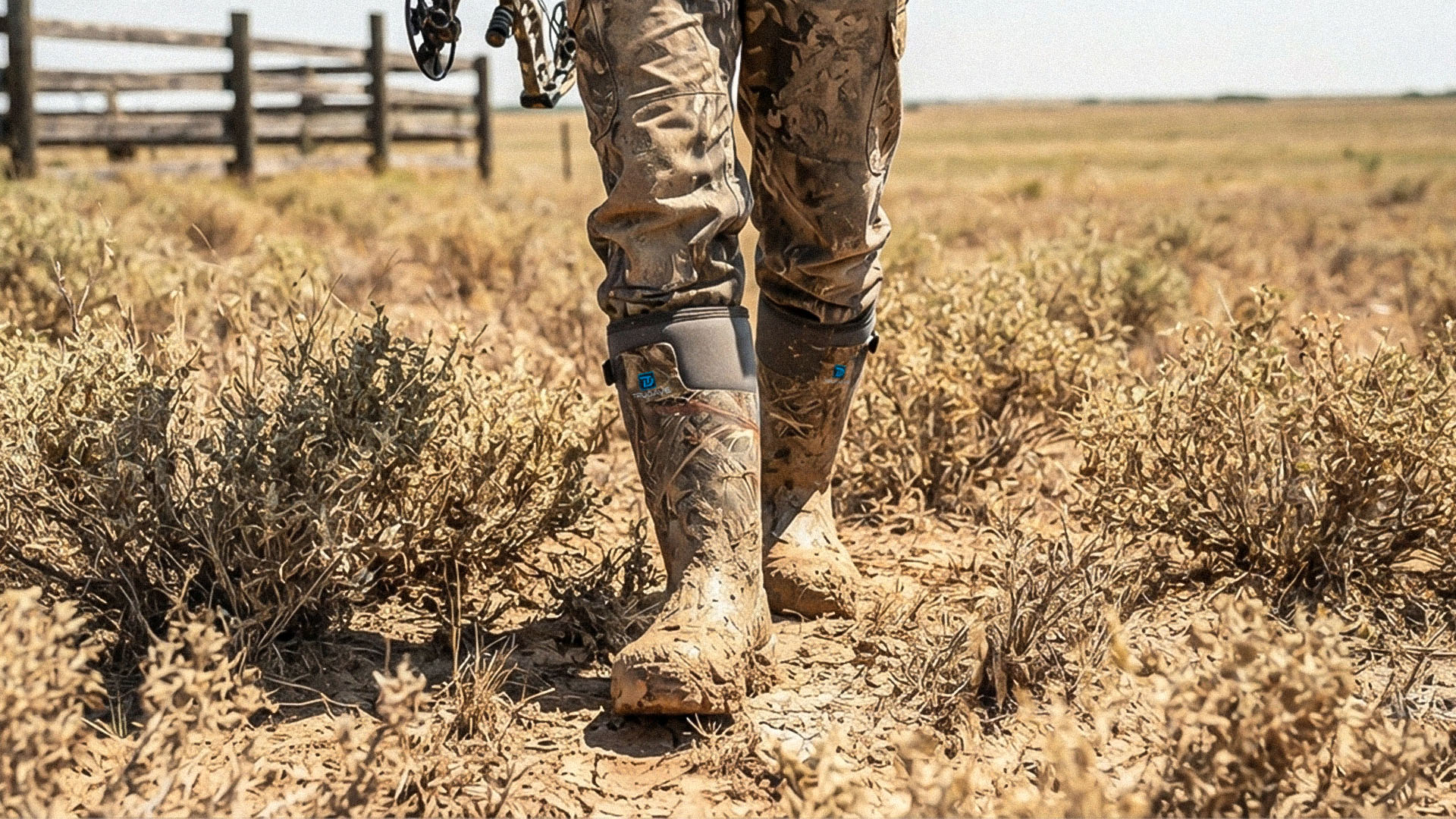
Hunters covering these environments may benefit from waterproof hunting boots for winter elk hunting that provide insulation, traction, waterproof protection, and comfort during long winter approaches.
Cold feet reduce endurance quickly.
Waterproofing Is Essential
Winter terrain constantly changes.
A hunter may encounter:
- Snow crossings
- Wet vegetation
- Meltwater
- Mud
Wet boots can become a serious problem in freezing temperatures.
Reliable waterproof footwear helps maintain comfort and safety.
Traction Matters on Ice and Snow
Winter terrain can become dangerous.
Pay attention to:
- Frozen trails
- Icy slopes
- Snow-covered rocks
A good outsole helps maintain control.
A fall with a heavy pack can create serious problems.
Insulation Should Match Activity
Winter hunting requires balance.
Too little insulation creates cold feet.
Too much insulation creates sweat during climbs.
Wet socks become cold quickly.
Choose footwear based on:
- Temperature
- Walking distance
- Activity level
- Snow conditions
Physical Preparation Is Important
Winter elk hunting can be demanding.
Challenges include:
- Deep snow
- Heavy clothing
- Long approaches
- Pack weight
Prepare with:
- Hiking
- Strength training
- Loaded walking
Fitness increases safety.
Navigation Becomes More Difficult
Snow changes familiar landscapes.
Trails disappear.
Landmarks look different.
Carry reliable navigation tools.
Know:
- Vehicle location
- Routes
- Backup exits
Winter darkness arrives quickly.
Roads Can Become Dangerous
Winter access roads may include:
- Ice
- Snow
- Mud
- Deep ruts
Conditions change quickly.
Do not assume yesterday’s road condition still exists today.
Vehicle preparation is part of hunting preparation.
Public Land Requires Planning
Winter elk hunting often involves large public areas.
Research:
- Migration corridors
- Access points
- Regulations
- Seasonal closures
Good information saves energy.
Hunting Pressure Changes Winter Movement
Elk respond strongly to pressure.
Heavy hunting activity may push animals into:
- Steeper terrain
- Thicker cover
- Remote areas
But pressure does not always mean leaving the area.
Sometimes elk simply change timing.
Patience Beats Constant Movement
Winter conditions make movement expensive.
For both elk and hunters.
Instead of covering endless ground:
Observe.
Glass.
Study patterns.
The best opportunity may come from understanding one valley rather than walking ten.
Shot Planning Matters
Winter terrain creates additional recovery challenges.
Before shooting, consider:
- Snow depth
- Distance
- Recovery route
- Remaining daylight
A successful shot is only the beginning.
Recovery in Snow Is Different
Snow can make recovery:
- Easier to track
- Harder to travel
Consider:
- Pack-out distance
- Weather changes
- Available help
Plan before the opportunity arrives.
Meat Care in Winter
Cold weather helps preserve meat.
But warm periods can still create problems.
Prepare:
- Game bags
- Transport plans
- Proper storage
Responsible hunting continues after the harvest.
Common Winter Elk Hunting Mistakes
Hunting Summer Locations
Follow current conditions.
Ignoring Snow Depth
Snow controls movement.
Walking Too Much
Study first.
Poor Footwear Choice
Cold and wet feet end hunts.
Ignoring Migration Routes
Movement follows terrain.
Underestimating Winter Weather
Conditions change quickly.
Frequently Asked Questions
Do elk migrate in winter?
Yes. Many elk populations move seasonally depending on snow, food, pressure, and habitat conditions.
Where do elk go when snow gets deep?
They often move toward lower elevations, easier terrain, and areas with better food availability.
Is winter elk hunting harder than early season?
It can be. Cold weather, snow, and difficult access create additional challenges.
What boots are best for winter elk hunting?
Waterproof insulated hunting boots with traction, support, and comfort for snow and long-distance travel are ideal.
Does snow help elk hunting?
Snow can reveal tracks and movement patterns while also changing elk behavior.
Final Thoughts
Winter elk hunting is not about forcing the mountain to give up its secrets.
It is about understanding why elk move.
Snow creates pressure.
Food creates direction.
Weather creates decisions.
The herd follows survival.
The hunter who learns those patterns gains an advantage.
Study migration routes.
Watch snow conditions.
Respect weather.
Wear boots that can handle cold, wet, and difficult terrain.
Because in winter elk country, the animals are not gone.
They simply moved to where survival makes sense.
