
The elk rut is one of the most exciting times in North American hunting.
The quiet mountain forest suddenly changes.
A ridge that was empty yesterday now carries the sound of bugling bulls.
Fresh tracks appear along old trails.
Cows gather in places hunters never noticed during summer scouting.
The entire landscape seems alive.
But the rut does not make elk predictable.
It changes their priorities.
Food becomes less important.
Competition increases.
Mature bulls become more vocal.
Movement patterns shift.
The hunters who succeed are not always the ones who call the loudest.
They are the ones who understand why elk are moving.
During the rut, elk behavior is driven by security, breeding opportunity, terrain, and pressure.
Understanding those factors turns a random mountain hike into a calculated hunt.
The Rut Is About More Than Bugling
Many new elk hunters associate the rut only with calling.
They hear a bugle and immediately move toward it.
Sometimes that works.
Often it does not.
A bull bugling may be:
- Advertising territory
- Challenging another bull
- Calling cows
- Responding to pressure
- Communicating with a herd
The sound gives information.
It does not always give location.
A successful hunter asks:
Why is this bull here?
What terrain is he using?
Where can he move?
Where are the cows?
The answers matter more than the noise itself.
Find the Cows, Find the Bulls
During the rut, mature bulls are often focused on cows.
A location holding several cows may attract multiple bulls.
This means hunters should not only search for bulls.
Look for:
- Cow groups
- Bedding areas
- Feeding transitions
- Travel corridors
- Water sources
- Security cover
A bull may move several miles during the rut searching for breeding opportunities.
Understanding herd movement is more valuable than chasing every bugle.
Elk Need Security Cover
Despite their size, elk rely heavily on terrain and vegetation for protection.
Good elk habitat often combines:
- Dense timber
- Open feeding areas
- Water
- Escape routes
- Benches
- Saddles
- North-facing slopes
Elk rarely choose habitat randomly.
They want food nearby.
They want visibility.
They want a quick escape option.
The best areas often contain multiple terrain features within a short distance.
Mountain Benches Are Natural Highways
A mountain bench is a relatively flat area on a slope.
These areas are extremely important for elk movement.
They provide:
- Easier travel
- Bedding locations
- Feeding opportunities
- Security from steep terrain
Look for benches connecting:
- Bedding areas
- Feeding zones
- Water sources
- Ridges
A bull moving through steep country may repeatedly use the same comfortable travel routes.
These small flat areas can become elk highways.
Saddles Concentrate Movement
A saddle is a lower point between two higher ridges.
Elk frequently use saddles because they provide easier movement between areas.
They can connect:
- Two drainages
- Two feeding areas
- Bedding and watering areas
During scouting, mark saddles on maps.
During the hunt, watch:
- Fresh tracks
- Rubs
- Wallows
- Trails
- Droppings
A saddle may reveal how elk are moving through an entire mountain system.
Wallows Reveal Bull Activity
Bull elk create wallows during the rut.
These muddy depressions are used for scent communication and cooling.
Fresh wallows may show:
- Recent tracks
- Disturbed mud
- Strong odor
- Hair
- Heavy use trails
Not every wallow guarantees a bull nearby.
But active wallows prove elk are using the area.
Combine wallows with:
- Rubs
- Tracks
- Bugling
- Cow sign
to identify high-value locations.
Rub Lines Show Travel Patterns
Bulls rub trees to remove velvet and communicate presence.
Fresh rubs indicate movement.
Look for:
- Multiple rubbed trees
- Fresh bark damage
- Trails connecting cover
- Rubs near water
- Rubs along benches
A single old rub tells a story about the past.
A series of fresh rubs tells you about the present.
Wind Is More Important Than Calling
Many elk hunters make one major mistake.
They focus on making elk hear them.
They forget elk need to not smell them.
Elk have excellent senses.
A perfect call with bad wind can ruin a hunt instantly.
Before every move, check:
- Wind direction
- Thermals
- Terrain effects
- Weather changes
Mountain wind can shift constantly.
Morning downhill winds may become afternoon uphill thermals.
Successful elk hunters monitor wind continuously.
Thermals Control Mountain Hunting
Mountain thermals are caused by temperature changes.
In the morning, cooler air often moves downhill.
As the sun heats slopes, air may begin moving uphill.
These changes affect scent.
A route that works at sunrise may fail two hours later.
Plan approaches around expected thermal movement.
Do not assume one wind check is enough.
Calling Requires Strategy
Elk calling is effective because it imitates natural communication.
But aggressive calling everywhere can educate animals.
Use calls based on the situation.
Examples:
A distant bugle may require patience.
A nearby aggressive bull may require careful positioning.
A silent area may require more scouting before calling.
The goal is creating an interaction.
Not simply making noise.
Cow Calling Can Be Powerful
Many hunters focus only on bull bugles.
Cow calls can also attract attention.
A bull searching for cows may investigate unfamiliar sounds.
Cow calls can create curiosity without immediately challenging a dominant bull.
However, calling should match the season and local elk behavior.
No single sound works everywhere.
Pressure Changes Elk Behavior
As hunting pressure increases, elk often become quieter and more difficult.
They may:
- Move at night
- Enter thicker cover
- Avoid roads
- Reduce bugling
- Use steeper terrain
This is why late-season and pressured elk require different strategies.
The elk did not disappear.
They changed their habits.
Remote Terrain Often Holds Better Opportunities
Many hunters concentrate near roads and easy access.
Elk notice this pressure.
Remote areas may offer:
- Less disturbance
- More predictable movement
- Older bulls
- Better daytime activity
However, remote hunting requires preparation.
You need:
- Navigation
- Physical ability
- Weather planning
- Emergency equipment
Distance from roads increases both opportunity and responsibility.
Physical Fitness Determines Success
Elk hunting is physically demanding.
A hunter may climb:
- Steep slopes
- Timbered ridges
- Rocky terrain
- High-elevation trails
while carrying:
- Weapon
- Water
- Backpack
- Clothing layers
- Gear
Fitness improves:
- Decision making
- Recovery ability
- Safety
- Hunting range
The animal does not care whether the hunter trained.
The mountain exposes preparation.
Pack Weight Matters
Every item carried into elk country has a cost.
Essential equipment should balance:
- Weight
- Function
- Reliability
Avoid carrying unnecessary items.
But do not remove critical safety gear.
A lightweight pack is valuable.
An underprepared pack is dangerous.
Footwear Can Determine Mountain Endurance
Elk hunting often involves long approaches through unpredictable terrain.
Conditions may include:
- Wet timber
- Mud
- Rocky slopes
- Snow patches
- Creek crossings
- Steep climbs
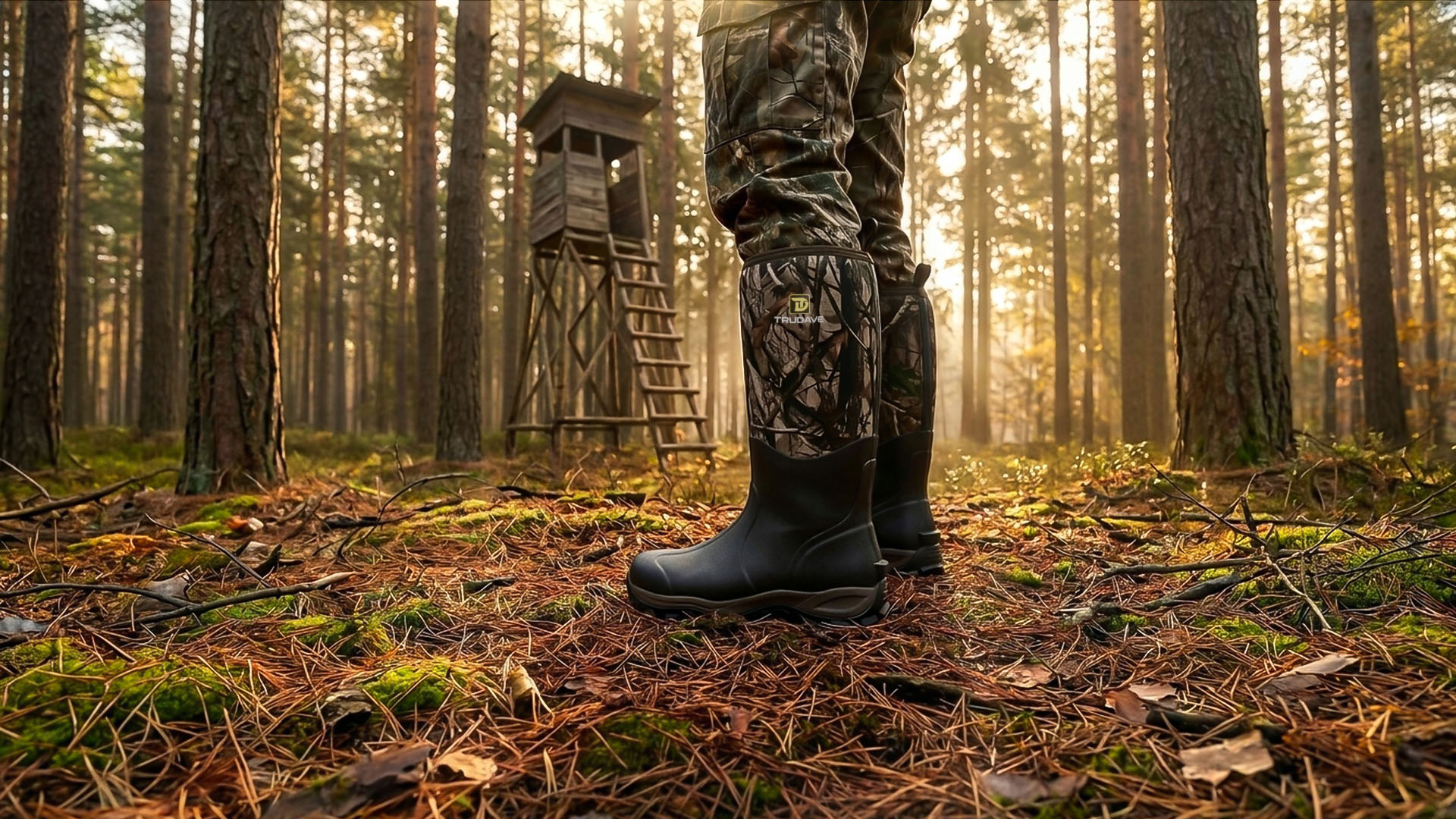
Hunters covering this terrain may benefit from waterproof hunting boots for elk hunting that provide ankle support, traction, durability, and moisture protection.
Comfort matters because elk hunting is often measured in miles.
A boot problem halfway into a remote basin can end the hunt.
Waterproof Boots Help During Early Season Weather
September elk hunts can still bring:
- Morning frost
- Rain
- Wet vegetation
- Mud
- Cold mountain storms
Waterproof footwear helps maintain comfort when crossing damp terrain.
Dry feet improve:
- Endurance
- Warmth
- Focus
- Mobility
Small equipment advantages become important during long backcountry days.
Traction Matters on Steep Slopes
Mountain elk country often includes loose terrain.
Examples:
- Wet rocks
- Pine needles
- Mud
- Gravel
- Fallen timber
A boot with reliable traction reduces slipping.
Quiet movement also matters.
A hunter who can move confidently is less likely to create unnecessary noise.
Avoid Sweating Through Clothing
Many elk hunts involve climbing in cool mornings.
The body warms quickly.
Sweat creates problems later.
Manage layers carefully.
Remove excess insulation during climbs.
Add layers during glassing periods.
Moisture management is critical in mountain environments.
Glass Before Walking
Elk hunting can involve unnecessary miles if hunters do not use optics.
Before moving into a drainage or ridge:
Glass.
Look for:
- Movement
- Antlers
- Dark shapes
- Feeding animals
- Trails
- Bedding areas
A hunter who spends one hour glassing may save five hours of walking.
Evening and Morning Setups Differ
Morning elk movement often involves returning to bedding areas.
Evening movement often involves feeding.
Choose locations based on the time of day.
Morning:
- Trails into timber
- Bedding transitions
- Saddles
Evening:
- Meadows
- Feeding slopes
- Water areas
Understanding daily movement improves efficiency.
Weather Can Improve Hunting
Many hunters dislike storms.
Elk hunters often understand that changing weather can increase activity.
Rain may:
- Reduce noise
- Cool temperatures
- Improve scent conditions
- Increase movement
Snow may:
- Reveal tracks
- Concentrate animals
- Show travel routes
Weather is not always an obstacle.
Sometimes it creates opportunity.
Safety Must Come Before Success
Mountain elk hunting contains real risks.
Potential hazards include:
- Falls
- Hypothermia
- Lightning
- Getting lost
- Injuries
- Exhaustion
Always carry:
- Navigation tools
- Emergency communication when available
- Extra layers
- First aid
- Water
- Food
A successful hunt is returning safely.
Meat Recovery Requires Planning
A harvested elk is a major responsibility.
Before taking a shot, consider:
- Distance from vehicle
- Terrain
- Weather
- Available help
- Time needed
A successful shot creates work.
Plan for it before the opportunity arrives.
Public Land Elk Hunting Requires Research
Public land offers opportunities but requires preparation.
Study:
- Maps
- Access points
- Hunting pressure
- Regulations
- Terrain
- Water sources
Do not assume popular areas are the only options.
Often overlooked areas provide better experiences.
Common Elk Hunting Mistakes
Chasing Every Bugle
Not every sound requires immediate movement.
Ignoring Wind
Scent ruins more hunts than poor calling.
Walking Too Much Without Glassing
Use optics first.
Underestimating Terrain
Mountain miles are different from flat-ground miles.
Wearing Poor Footwear
Wet, steep terrain requires reliable boots.
Forgetting Recovery Planning
The hunt continues after the shot.
Overcalling
Natural behavior beats constant noise.
Frequently Asked Questions
What is the best time to hunt elk?
The rut period in early fall is popular because elk activity increases, but success depends on local conditions, pressure, weather, and habitat.
How do you find elk during the rut?
Focus on areas with cows, security cover, water, benches, saddles, wallows, and travel corridors.
Is elk hunting physically difficult?
Yes. Mountain elk hunting often requires long hikes, elevation gain, heavy packs, and difficult terrain.
Why are waterproof boots important for elk hunting?
Elk hunters frequently encounter wet vegetation, mud, rain, snow, and stream crossings. Waterproof boots help maintain comfort and mobility during long days.
What gear matters most for elk hunting?
Optics, navigation equipment, layered clothing, reliable footwear, and proper preparation are among the most important factors.
Final Thoughts
Elk hunting during the rut is not simply about hearing a bugle.
It is about understanding why elk are there.
The mountain tells a story.
A fresh rub.
A muddy wallow.
A worn trail.
A quiet basin.
A change in wind.
Every detail provides information.
The hunters who succeed are the ones who listen, observe, and adapt.
Train your body.
Study the terrain.
Respect the wind.
Protect your feet.
Because in elk country, the distance between success and failure is often measured one careful step at a time.
