
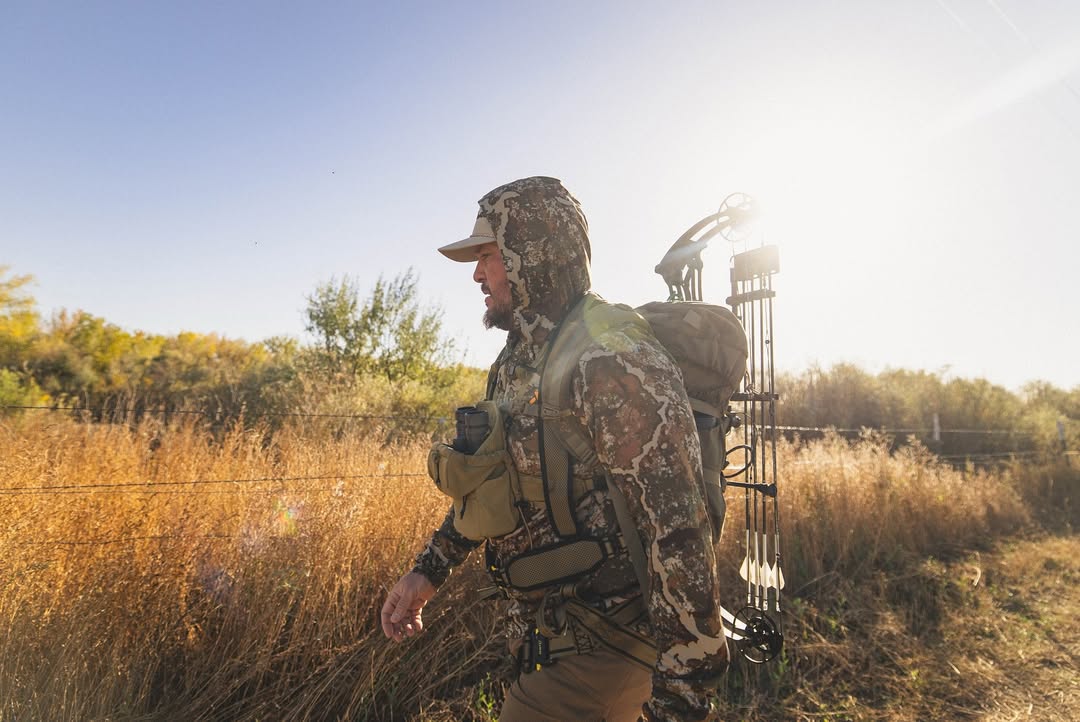
You’ve done everything right—at least on paper.
- You scouted the area
- You found fresh sign
- You picked a strong location
- Your wind and access seem dialed in
And still… nothing.
No consistent movement.
No close encounters.
No shot opportunities.
If your setups feel perfect but keep missing the action, the issue usually isn’t your setup quality—it’s your alignment with real-time animal behavior.
Late summer is when “perfect setups” often stop working the way they should.
1. A Good Setup Is Only as Good as Timing
Most hunters focus heavily on location.
But during this phase:
- Timing becomes the dominant factor
Animals may still move through your setup:
- Just not when you’re there
You might be:
- Arriving too late
- Leaving too early
- Missing narrow movement windows
The setup is right—the timing isn’t.
2. Movement Patterns Are No Longer Stable
Earlier in the season:
- Patterns repeat consistently
- Movement is predictable
- Setups can be trusted day after day
Now:
- Patterns shift daily
- Movement becomes situational
- Routes change without warning
This means:
- A setup that worked yesterday
- May be slightly off today
You’re hunting a pattern that has already changed.
3. Animals Are Moving Just Outside Your Range
This is one of the most common late summer issues.
Animals often:
- Stay within the same general area
- But adjust their movement slightly
That slight adjustment can mean:
- 20–50 yards off your setup
- Using parallel trails
- Traveling just inside thicker cover
You’re close—but not close enough.
4. Visibility Drops While Movement Stays the Same
Late summer vegetation creates:
- Dense cover
- Reduced sightlines
- Hidden movement corridors
Animals can:
- Move freely without exposure
- Pass through your area undetected
- Stay within range but out of view
Lack of sightings doesn’t mean lack of activity.
5. Entry and Exit Pressure Disrupt Movement
Even a strong setup can fail if access isn’t perfect.
Small mistakes include:
- Entering too close to bedding areas
- Leaving scent in travel corridors
- Making subtle noise on approach
Animals respond by:
- Delaying movement
- Changing routes
- Avoiding the area temporarily
You may be affecting movement before the hunt even begins.
6. Wind Is More Complex Than It Seems
Most hunters check wind direction—but not wind behavior.
In real terrain:
- Wind swirls
- Thermals shift
- Microcurrents carry scent unpredictably
This can result in:
- Animals detecting you without being seen
- Silent avoidance behavior
- Movement rerouting
A “good wind” on paper isn’t always a good wind in the field.
7. Animals Are Using the Area Differently
Even if animals remain in the same location:
- They may change how they use it
Examples include:
- Bedding slightly deeper in cover
- Feeding in less exposed areas
- Moving along alternative routes
Your setup may still be:
- In the right zone
- But no longer on the primary line of movement
The area hasn’t failed—the usage has changed.
8. Movement Windows Are Shorter and Less Predictable
Late summer creates:
- Narrow feeding windows
- Irregular movement timing
- Brief opportunities
You might be:
- Minutes away from success
- Missing the window entirely
This leads to:
Long sits with no action—even in active areas.
9. Overconfidence in “Perfect” Spots
One hidden issue is psychological.
When a setup looks perfect:
- You trust it more
- You stay longer
- You hesitate to adjust
But in shifting conditions:
- No setup stays perfect
- Conditions change too quickly
Confidence without adaptation leads to missed opportunities.
10. How to Fix the Disconnect
1. Adjust Timing First
- Shift hunt hours based on recent movement
- Focus on short, high-probability windows
2. Make Small Location Adjustments
- Move 20–40 yards when needed
- Cover alternate routes and angles
3. Improve Entry and Exit Strategy
- Minimize disturbance
- Approach with wind and terrain in mind
4. Read Fresh Movement Patterns
- Focus on the last 1–2 days
- Ignore outdated sign
5. Stay Flexible
- Treat each hunt as a new situation
- Adjust based on real-time conditions
11. The Key Insight Most Hunters Miss
The biggest misconception is this:
“If my setup is perfect, success should follow.”
But in reality:
There is no such thing as a permanently perfect setup—only setups that are perfectly aligned with current movement.
And in late summer:
- Movement changes faster than setups can stay relevant
Conclusion
Why your setups feel perfect but keep missing the action comes down to misalignment.
- Timing has shifted
- Movement routes have adjusted
- Visibility has decreased
- Pressure has increased
- Conditions are changing daily
You’re not doing things wrong.
You’re just slightly out of sync with how animals are moving right now.
Hunters who recognize this can adapt quickly, stay ahead of behavioral shifts, and turn near-misses into real opportunities.
Because in hunting:
Being almost right is often the difference between seeing nothing and having everything come together. 🦌🔥
