
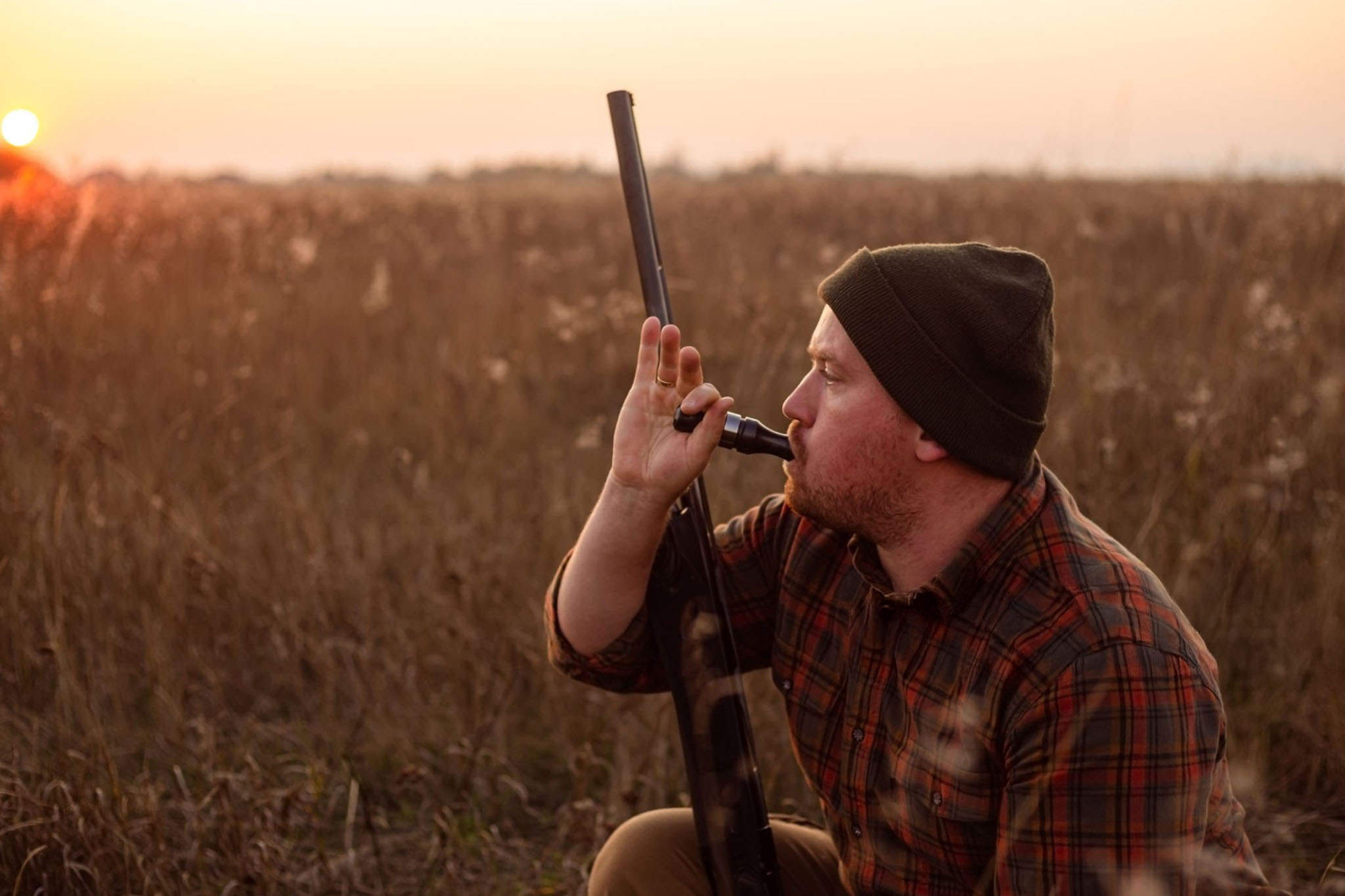
Every spring, waterfowl hunters and observers notice the same surprising pattern: while many ducks begin their northward migration on schedule, others remain behind far longer than expected. These birds linger in marshes, flooded fields, reservoirs, and river systems weeks after the main migration push has begun.
This isn’t random behavior. Ducks that delay migration are responding to specific environmental signals, energy needs, and habitat conditions. Understanding why some ducks stay longer during spring migration gives hunters valuable insight into waterfowl movement patterns, habitat preferences, and future hunting opportunities.
Migration Is Driven by Conditions, Not the Calendar
One of the biggest misconceptions about duck migration is that it follows a fixed schedule. In reality, migration is highly dynamic and depends on real-time environmental conditions.
Key migration triggers include:
- Daylight length (photoperiod)
- Temperature trends
- Ice melt and water availability
- Food abundance
- Weather systems and wind direction
Even when daylight increases consistently, ducks will delay movement if other conditions aren’t favorable farther north. Major migration corridors like the Mississippi Flyway and Pacific Flyway often see waves of migration interrupted by temporary staging periods.
This flexibility allows ducks to maximize survival and breeding success.
Food Availability Is the Strongest Reason Ducks Stay
Food is the single most important factor influencing how long ducks remain in a staging area.
If a location continues to provide abundant nutrition, ducks have no biological reason to leave early.
Prime spring food sources include:
- Waste grain in agricultural fields (corn, rice, soybeans)
- Aquatic vegetation emerging in shallow wetlands
- Invertebrates activated by warming water
- Flooded grasslands and seasonal wetlands
Flood-prone agricultural regions like Missouri and Arkansas frequently hold ducks later into spring because of reliable food access.
Ducks instinctively conserve energy whenever possible. Migration consumes enormous calories, so birds remain in productive feeding areas until conditions farther north clearly improve.
Weather Conditions Can Delay Northward Movement
Weather patterns strongly influence migration timing.
Several weather-related factors can cause ducks to remain longer:
1. Late Winter Conditions in Northern Regions
If northern breeding grounds remain frozen or snow-covered, ducks delay migration until water and food become accessible.
Key breeding areas like Prairie Pothole Region may remain inhospitable longer than expected during cold springs.
2. Frequent Cold Fronts
Repeated cold fronts can slow migration by:
- Reducing food availability
- Freezing shallow water
- Increasing energy costs for flight
Ducks often wait for stable warming trends before continuing north.
3. Unfavorable Wind Patterns
Strong north winds create resistance for migrating birds. Ducks prefer migrating during favorable tailwinds, which reduce energy expenditure.
If wind conditions remain unfavorable, ducks conserve energy by staying put.
Habitat Quality Encourages Extended Staging
Not all wetlands are equal. High-quality staging habitats naturally hold ducks longer.
Key features of attractive staging areas include:
- Reliable open water
- Diverse food sources
- Minimal disturbance
- Safe roosting areas
- Gradual shorelines for feeding access
Wetland conservation organizations like Ducks Unlimited emphasize that staging habitat quality directly influences migration timing and bird health.
If a habitat meets all survival needs, ducks maximize its use before moving on.
Energy Conservation Before Breeding Is Critical
Spring migration isn’t just about movement—it’s about preparation for reproduction.
Ducks must accumulate enough energy reserves for:
- Long-distance flight
- Egg production
- Nest building
- Incubation
Female ducks especially require significant fat reserves before reaching breeding grounds. Remaining in food-rich staging areas allows them to build these reserves safely.
Rushing north without adequate energy can reduce breeding success.
Reduced Hunting Pressure Changes Duck Behavior
During hunting season, ducks constantly adjust movement patterns to avoid pressure. But once the season ends, their behavior becomes more relaxed and efficient.
This reduced pressure allows ducks to:
- Use open water areas more freely
- Feed longer and more consistently
- Establish stable daily movement patterns
Agencies like the U.S. Fish and Wildlife Service note that reduced disturbance improves feeding efficiency and body condition before breeding.
Without pressure forcing movement, ducks remain in productive areas longer.
Individual Variation Plays a Role
Not all ducks behave identically. Migration timing varies based on:
- Age
- Physical condition
- Species
- Breeding destination distance
- Previous migration experience
Older, experienced birds often migrate earlier, while younger birds may remain longer in staging areas.
Different species also follow different migration schedules. Mallards, pintails, teal, and gadwall may overlap but rarely migrate in perfect synchronization.
Early Spring Provides Valuable Insight for Hunters
For hunters, observing late-staying ducks offers valuable long-term advantages.
Early spring reveals:
- Reliable feeding zones
- Preferred resting areas
- Consistent water sources
- Natural travel routes
Because hunting pressure is absent, ducks behave naturally. This reveals habitat preferences that often remain consistent year after year.
These insights help hunters identify productive areas long before the next season begins.
Environmental Changes Can Create Temporary Holding Zones
Temporary environmental conditions often create short-term staging hotspots.
Examples include:
- Snowmelt flooding fields
- Rising river levels
- Newly thawed ponds
- Seasonal wetlands filling with runoff
These conditions create brief but highly attractive feeding opportunities.
Ducks take advantage of these temporary habitats until conditions farther north become more favorable.
The Transition From Survival to Breeding Mode
Winter survival forces ducks to prioritize warmth, shelter, and immediate food access. But early spring represents a shift in priorities.
Ducks begin transitioning toward breeding behavior. Migration timing becomes tied not just to survival, but to reproductive readiness.
They move north when:
- Habitat conditions are safe
- Food is available
- Energy reserves are sufficient
- Breeding success becomes likely
This transition explains why migration timing varies each year.
Conclusion: Ducks Stay Longer for Strategic Reasons, Not by Chance
When ducks remain in an area longer than expected during spring migration, they’re responding intelligently to environmental conditions, food availability, and survival priorities.
They aren’t late—they’re efficient.
Understanding this behavior gives hunters and observers deeper insight into migration patterns, habitat value, and long-term waterfowl movement.
The ducks that linger in early spring are showing you something important: where food is reliable, where safety exists, and where they trust the landscape.
For those willing to watch closely, spring migration doesn’t just mark an ending—it reveals the blueprint for future seasons.
