
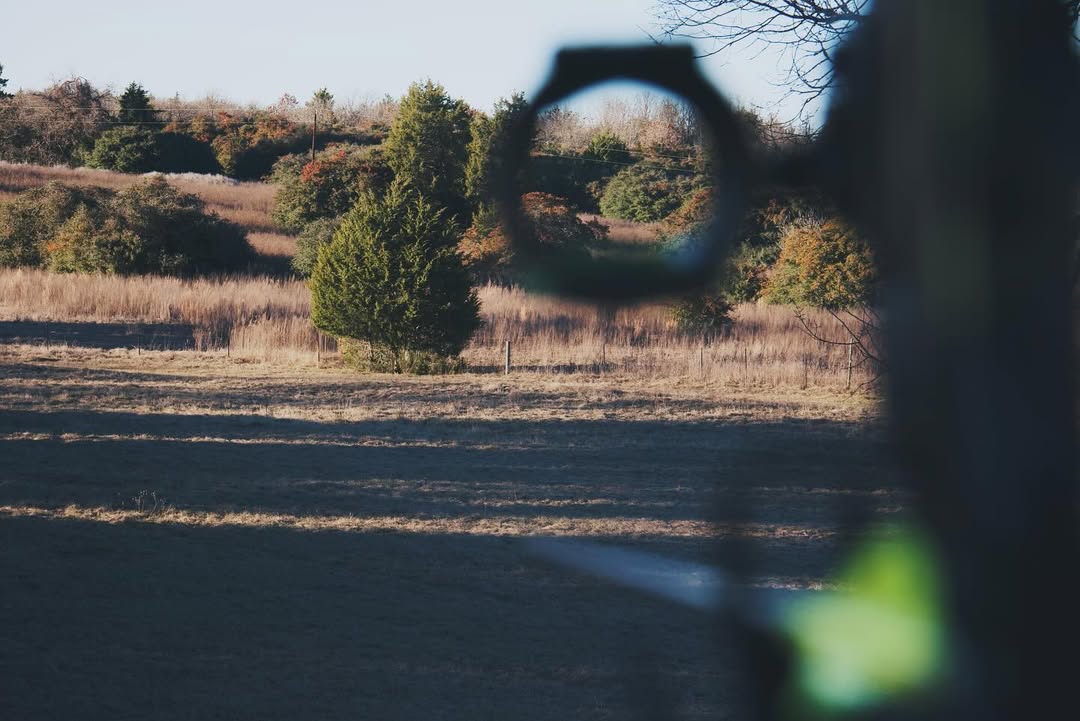
By January, many hunters reach the same conclusion: the deer have gone unpredictable. Trails that were hot in November are dead. Prime funnels sit empty for days. Deer seem to appear where they “shouldn’t” and disappear where they always used to be.
But January deer behavior isn’t random at all. It’s simply compressed, conditional, and survival-driven—and that makes it look chaotic to hunters still thinking in fall terms.
Once you understand what actually governs deer movement after weeks of cold, pressure, and energy loss, January patterns become not only readable—but surprisingly consistent.
January Isn’t Chaos—It’s Constraint
In fall, deer move because they want to.
In January, deer move because they have to.
That single shift changes everything.
By late winter, whitetails operate under four hard constraints:
- Severely reduced energy reserves
- Accumulated hunting pressure
- Cold-driven movement penalties
- Limited daylight feeding windows
When movement is expensive, every step matters. Deer don’t wander. They execute short, purposeful trips between the few places that still meet all survival needs.
To a hunter watching from a distance, that looks random.
Up close, it’s anything but.
Why Traditional Travel Corridors Go Cold
Many January hunters sit proven funnels and scrape lines, waiting for deer that never show. The mistake isn’t patience—it’s location relevance.
Late-season deer abandon travel corridors that:
- Require elevation change
- Expose them to wind
- Cross open timber
- Add distance without added benefit
Instead, movement shifts to micro-routes—paths that minimize effort and exposure, even if they don’t look impressive on a map.
These routes often include:
- Slight terrain benches
- Leeward edges of cover
- Inside corners close to food
- Soft transitions between bedding and feed
They aren’t random. They’re just smaller and quieter than fall routes.
Energy Efficiency Overrides Habit
One of the biggest misconceptions about January deer is that they follow habits formed earlier in the season. In reality, habit loses to efficiency every time.
A buck that used a ridge trail all fall may abandon it entirely if:
- Snow depth increases
- Wind exposure rises
- Pressure increases near that route
Deer don’t care that a trail “worked before.”
They care whether it costs energy right now.
That’s why movement appears inconsistent from day to day—because it’s responding to tiny changes in conditions, not random impulses.
Pressure Doesn’t Push Deer Away—It Pins Them Down
Another reason January patterns look erratic is how deer react to long-term pressure.
Instead of fleeing large areas, pressured deer often:
- Shrink their usable range
- Reuse the same bedding cover repeatedly
- Move only during low-risk windows
This creates the illusion of absence—until suddenly, deer appear in daylight in places hunters stopped watching.
The deer didn’t relocate.
They compressed their world.
When pressure stabilizes, their movement becomes predictable again—but only within that smaller footprint.
Why You See Deer “Out of Nowhere”
January sightings often feel like luck: a deer crossing a random opening at noon, or slipping through cover no one hunts anymore.
What’s actually happening is timing overlap.
Late-season deer synchronize movement with:
- Slight temperature increases
- Solar warming of bedding cover
- Digestive cycles after feeding
- Reduced human presence mid-day
When these factors line up, deer move—briefly and quietly. If you’re there, it feels accidental. If you aren’t, it feels like the woods are empty.
Random to You—Logical to the Deer
The key difference between successful January hunters and frustrated ones is interpretation.
Unsuccessful hunters ask:
“Why aren’t deer using this spot anymore?”
Successful hunters ask:
“What makes sense right now?”
They stop looking for volume and start looking for:
- Comfort
- Efficiency
- Consistency under constraint
January deer don’t roam. They repeat what works, over and over, until conditions change.
How to Start Reading January Patterns Clearly
To make sense of late-season movement, shift your focus:
- From trails → destination zones
- From mornings → midday and late afternoon
- From coverage → precision
- From fresh sign → settled sign
Look for places that deer can use every day with minimal cost, not places that look good to hunters.
That’s where January patterns live.
Final Thought: Predictability Shrinks, But Sharpens
January deer patterns feel random because they’re smaller than expected, not because they don’t exist.
Once you accept that winter deer:
- Move less
- Move shorter
- Move smarter
…the chaos disappears.
Late-season success isn’t about finding more deer.
It’s about understanding why the same deer keep choosing the same quiet places—again and again.
And once you see that, January becomes one of the most readable months of the entire season.
