
Many hunters imagine black bears roaming endlessly through vast forests, crossing open hardwood ridges without hesitation.
Reality looks very different.
In most parts of North America, black bears spend surprisingly little time moving through wide-open timber during daylight. Instead, they rely on thick vegetation, brush-filled creek bottoms, regenerating clear-cuts, mountain laurel, alder patches, and young forests that provide security while still allowing access to food.
Understanding this behavior changes where—and how—you should hunt.
Instead of focusing on the biggest patch of woods on the map, successful bear hunters spend their time identifying the places where security cover and food overlap.
Thick Cover Gives Bears Confidence
Black bears survive by avoiding unnecessary risk.
Unlike deer, which often cross open fields during low-light conditions, bears generally prefer to remain hidden whenever possible.
Dense vegetation offers several advantages:
- Reduced visibility
- Cooler daytime temperatures
- Better escape routes
- Easier bedding locations
- Protection from hunting pressure
Older bears become especially cautious after encountering humans.
Many spend daylight hours in heavy cover before moving toward food later in the day.
Young Forests Hold More Food Than Mature Timber
A beautiful stand of mature hardwoods may look ideal to a hunter.
To a bear, it may not provide much to eat.
Recently logged areas and young regenerating forests often produce:
- Berries
- Tender vegetation
- Insects
- Soft mast
- Dense bedding cover
These habitats frequently attract both bears and the prey species they occasionally scavenge.
Don’t overlook areas recovering from timber harvests several years earlier.
Terrain Funnels Bear Movement
Bears rarely travel randomly.
Like other large mammals, they use terrain efficiently.
Watch for:
- Narrow drainages
- Creek crossings
- Ridge saddles
- Old logging roads
- Thick draws
- Bench systems
These features connect bedding and feeding areas while allowing bears to remain concealed.
Food Changes Throughout the Season
Black bears constantly adjust their travel patterns based on food availability.
Spring diets differ from summer.
Summer differs from fall.
Depending on your region, bears may focus on:
- Fresh grasses
- Insects
- Berries
- Acorns
- Beechnuts
- Agricultural crops
- Carrion
Instead of asking where bears lived last month, ask what food is available today.
Fresh Sign Is Essential
Old bear sign remains visible for a long time.
Scratched trees.
Large tracks.
Old scat.
Broken logs.
Interesting—but not necessarily useful.
Look for:
- Fresh tracks with sharp edges
- Moist scat
- Recently turned rocks
- Fresh claw marks
- Newly broken vegetation
Current sign tells you bears are still using the area.
Wind Matters More Than Size
A mature black bear depends heavily on its nose.
Hunters often underestimate just how quickly a bear can detect human scent.
Always plan your approach around the wind.
Avoid crossing likely travel routes.
Remember that mountain thermals may carry scent uphill during the morning and downhill later in the day.
Hunting Pressure Changes Bear Behavior
Bears learn quickly.
Repeated ATV traffic.
Logging activity.
Frequent hikers.
Other hunters.
All influence movement.
Sometimes the best bear habitat receives too much disturbance.
Other times, a small overlooked drainage holds far more daytime activity than a famous ridge everyone hunts.
Creek Bottoms Offer Multiple Advantages
Water provides:
- Drinking opportunities
- Cooler temperatures
- Thick vegetation
- Travel corridors
- Food sources
Many creek bottoms remain shaded throughout the day, allowing bears to move comfortably even during warmer weather.
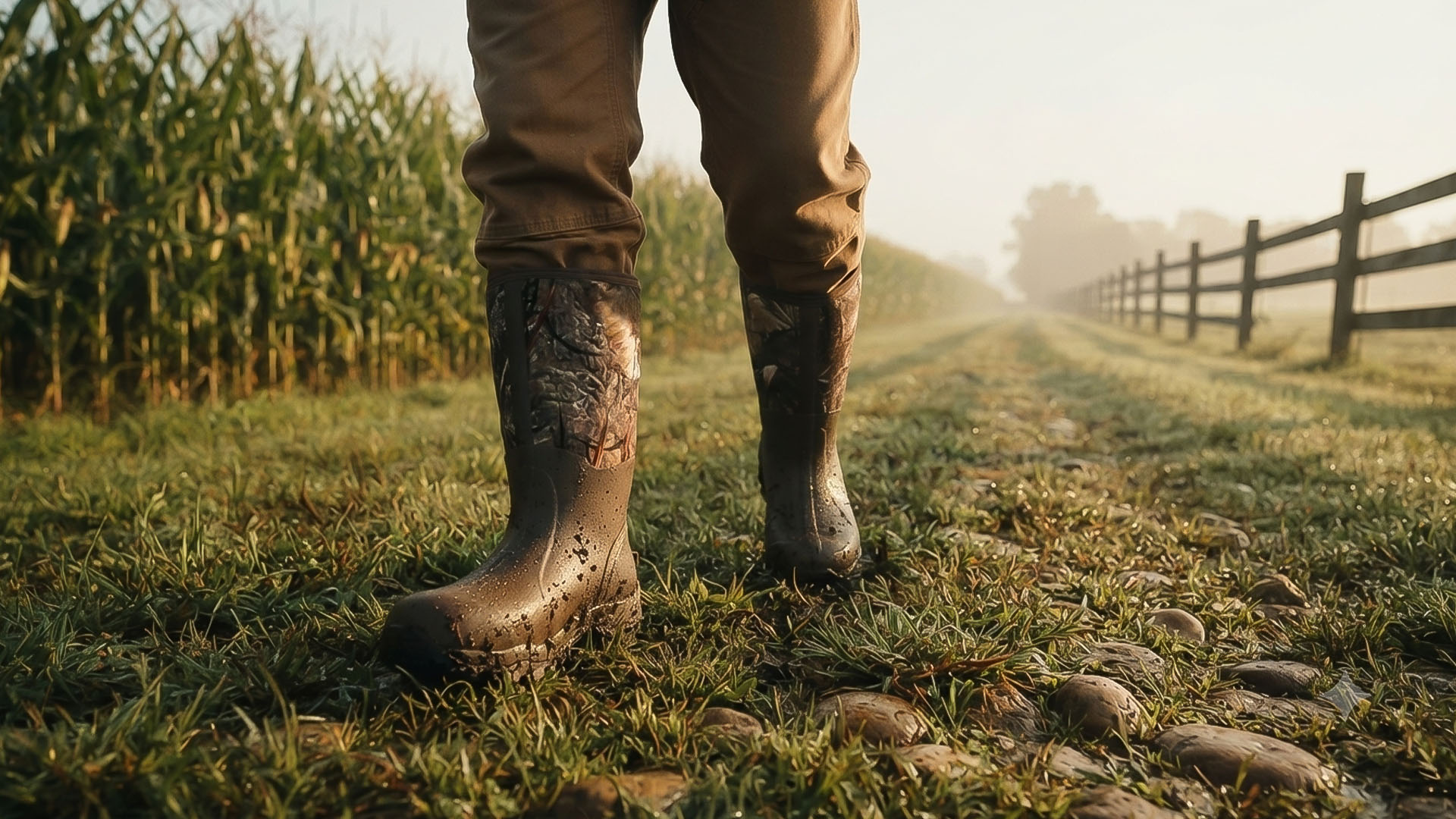
Hunters using these access routes often appreciate waterproof hunting boots for dense woodland terrain, especially when crossing wet leaves, muddy banks, shallow streams, and saturated forest floors during long hikes.
Listen Before You Walk
Dense timber limits visibility.
Noise becomes important.
Instead of constantly moving, stop regularly.
Listen for:
- Branches snapping
- Rocks turning
- Heavy footsteps
- Birds reacting
- Squirrels barking
- Ravens gathering
Forest sounds often reveal wildlife long before you see it.
Midday Isn’t Always Wasted
Many hunters leave after the morning.
Bears don’t always follow that schedule.
Cloud cover.
Cool temperatures.
Light rain.
Low hunting pressure.
All can encourage unexpected daytime movement.
Use slower periods to scout fresh sign and improve future setups.
Bears Often Use the Same Easy Routes
Large animals conserve energy.
Rather than climbing straight over steep ridges, bears frequently use:
- Old skid roads
- Logging trails
- Benches
- Drainages
- Natural gaps in thick brush
Maps reveal many of these features before you ever enter the woods.
Combine digital scouting with fresh field observations.
Rain Improves Tracking
Light rain softens the forest floor.
Fresh tracks become easier to identify.
Wet leaves also reduce walking noise.
Many hunters avoid rainy conditions.
That often means reduced pressure and quieter access for those willing to stay in the field.
Stay Patient
Bear hunting is rarely fast.
Long periods without activity are normal.
Avoid constantly changing locations.
Choose productive habitat.
Trust fresh sign.
Watch the wind.
Remain alert.
Many opportunities appear with very little warning.
Common Bear Hunting Mistakes
Hunting Open Timber All Day
Bears generally prefer security cover.
Ignoring Seasonal Food Sources
Food determines movement.
Walking Too Fast
Slow hunters notice more sign.
Forgetting About Wind
A bear’s nose ends many hunts.
Focusing on Old Sign
Fresh activity matters most.
Leaving Before Midday Weather Changes
Conditions often improve unexpectedly.
Assuming Bigger Woods Mean More Bears
Habitat quality matters more than size.
Frequently Asked Questions
Where do black bears spend the day?
Most black bears prefer thick cover that provides bedding security, shade, and nearby food.
Are logged areas good for bear hunting?
Young regenerating forests often produce abundant food and dense cover, making them productive bear habitat.
Do black bears move during light rain?
Light rain and cooler temperatures may encourage movement while reducing human activity.
How important is wind when bear hunting?
Extremely important. Black bears rely heavily on smell and frequently detect hunters long before becoming visible.
What habitat should new bear hunters focus on?
Areas combining fresh food, dense cover, water, and recent bear sign usually offer the highest potential.
Final Thoughts
Black bears rarely reward hunters who simply walk deeper into the forest.
They reward hunters who understand habitat.
Dense cover.
Reliable food.
Water.
Fresh sign.
Minimal pressure.
Those factors consistently shape bear movement far more than distance from the nearest road.
Study maps before the season.
Scout carefully.
Move quietly.
Respect the wind.
And remember that the thickest patch of timber on the mountain may hide far more opportunity than the widest, most beautiful stand of open hardwoods.
