
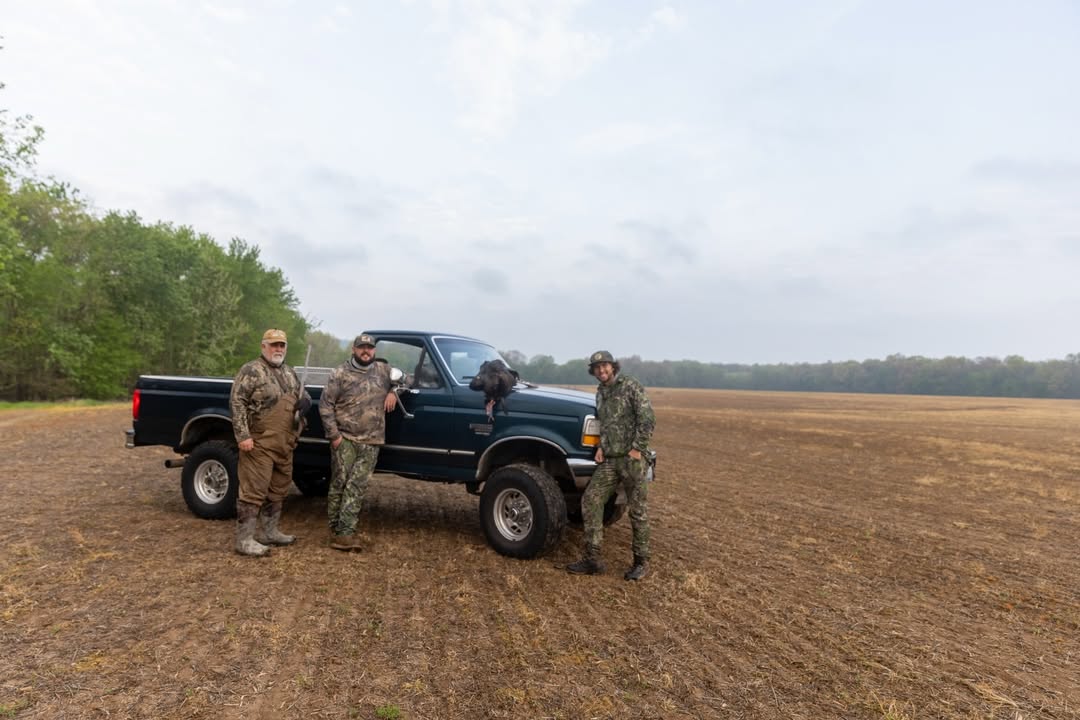
For many hunters, early summer presents a perplexing challenge: you see signs of game—tracks, droppings, even glimpses—but encounters feel rare and frustrating. Despite knowing animals are present, hunting seems slower, less productive, and more mentally taxing. Understanding why this happens requires a closer look at animal behavior, environmental factors, and hunter perception.
1. Animals Adjust to Seasonal Changes
Even when animals are abundant, their behavior shifts dramatically as seasons progress:
- Heat and daylight length: Longer, warmer days push animals into shaded, cooler microhabitats, reducing movement in open areas where hunters can see them.
- Food availability: As vegetation becomes more plentiful, animals don’t need to travel as far for food, which reduces opportunities to intercept them.
- Predator awareness: Animals become more vigilant during periods of high human or predator activity, moving less conspicuously.
These shifts can make hunters feel like nothing is happening, even though the forest or field is teeming with life.
2. Movement Windows Are Highly Compressed
In early summer, animals condense their activity into narrow periods:
- Dawn and dusk become the primary active windows, sometimes lasting less than an hour.
- Midday movement drops significantly, as animals retreat to thermal refuges like thick cover or water sources.
- Even within these windows, animals may move sporadically, feeding or traveling in brief bursts.
Hunters who sit for extended periods outside these optimal windows often perceive the hunt as slow, despite being in an area with high game density.
3. Game Uses More Complex Travel Routes
Animals adapt to both human pressure and environmental conditions, creating patterns that make encounters feel rare:
- Hidden trails: Dense vegetation, steep ravines, and shaded corridors become preferred travel routes.
- Decoying and calling inefficacy: Traditional setups may fail because game avoids open spaces where hunters are likely to position themselves.
- Variable daily patterns: Animals may repeat similar routes only sporadically, making timing encounters challenging.
Even when you know animals are around, intercepting them becomes a tactical puzzle, slowing perceived progress.
4. Human Perception vs. Actual Activity
Our brains can misinterpret game activity:
- Signs of movement may be abundant, but without visual contact, hunters perceive “nothing is happening.”
- Brief animal activity can be missed entirely, reinforcing a sense of slowness.
- Hunters often compare today’s encounters to past experiences in cooler seasons or less pressured areas, inflating the sense of inactivity.
Recognizing the difference between perceived activity and actual game presence is crucial for maintaining morale.
5. Environmental Factors Amplify the Challenge
Several environmental factors make hunting feel slower, even when animals are present:
- Heat stress: Animals reduce movement during high temperatures, staying in microhabitats that are difficult to access.
- Wind and scent: Slight shifts in wind can completely alter animal travel and feeding locations.
- Water access: Animals concentrate near scarce water sources, often in hard-to-reach terrain.
Understanding these subtle environmental cues allows hunters to anticipate where animals will be, reducing wasted time.
6. Strategies to Combat the “Slow Hunt” Feeling
Focus on Key Windows
- Hunt early morning and late evening periods, even if it means shorter sits.
- Be prepared to move strategically between microhabitats as animals shift with temperature.
Scout Smarter
- Identify micro-refuges, water sources, and shaded travel corridors.
- Look for fresh signs like tracks, scat, and feeding marks rather than relying solely on visual sightings.
Adjust Expectations
- Recognize that early summer hunting is about pattern recognition and patience, not constant action.
- Track animal behavior over days to predict movement rather than wait passively.
Use Terrain and Cover Wisely
- Position yourself near travel corridors but out of open sightlines.
- Use natural obstacles to mask presence and wind.
7. Conclusion
Hunting feels slower in early summer, not because animals aren’t present, but because behavioral adaptations, environmental pressures, and compressed movement windows reduce visible encounters. By understanding why game becomes less predictable and how to adjust your strategy, hunters can maintain productivity and reduce frustration.
Success during this season requires patience, observation, and strategic adaptation. When you learn to interpret subtle signs and time your movements, hunting stops feeling slow and starts feeling like a challenge you can master.
This article is crafted in American English, rich in seasonal hunting insights, and SEO-optimized for Google searches around early summer hunting, game behavior, and hunter strategy.
