
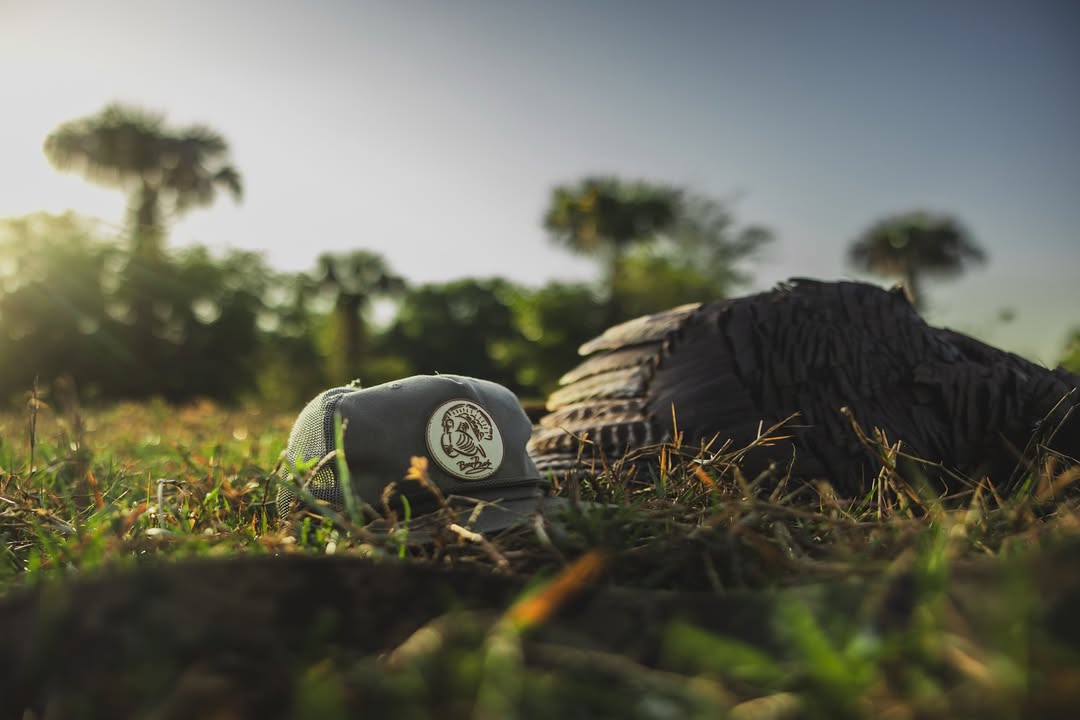
Summer hunting has a strange way of testing even experienced hunters.
You walk into an area that was active not long ago. Tracks are fresh, sign is present, and everything suggests animals are still there. But hours pass—and you don’t see a single deer, turkey, or any other game moving through.
It feels empty.
But it isn’t.
In summer heat, game doesn’t disappear—it simply shifts into extremely tight, hidden movement patterns that keep them close but out of sight.
Understanding this behavior is the difference between walking out frustrated and actually recognizing what’s happening in the woods.
1. Animals Don’t Leave—They Compress Their Range
One of the biggest misconceptions in summer hunting is assuming lack of sightings means relocation.
In reality, most game animals:
- Stay within the same core area
- Reduce travel distance significantly
- Shift movement into micro-zones
Instead of ranging widely like in cooler seasons, they:
Compress everything—feeding, bedding, and travel—into a very small footprint.
This is why you can be hunting “active ground” and still see nothing.
2. Heat Forces Movement Into Cover-Only Travel
As temperatures rise, open movement becomes risky and inefficient.
Animals begin to avoid:
- Open fields during daylight
- Exposed ridge lines
- Long-distance crossings
Instead, they rely on:
- Thick vegetation corridors
- Shade lines along timber edges
- Creek bottoms and low thermal areas
These routes:
- Reduce heat exposure
- Provide constant cover
- Allow movement without detection
The result is movement that happens, but is almost completely invisible from standard hunting positions.
3. Visibility Drops, Not Activity
This is where most hunters misread the situation.
Summer conditions create:
- Dense foliage blocking sightlines
- Limited long-range visibility
- Reduced movement during daylight hours
So even though animals are active:
- You don’t see crossings
- You don’t see feeding activity
- You don’t see bedding transitions
Instead of becoming inactive, they simply become unseeable.
The woods are not empty—they are visually sealed.
4. Bedding and Feeding Zones Move Closer Together
In cooler seasons, animals often travel:
- Longer distances between bedding and food
- More exposed travel corridors
- Predictable movement patterns
In summer heat, everything changes.
Now:
- Bedding areas shift closer to food sources
- Feeding happens near cover
- Travel distances shrink dramatically
This creates a key hunting reality:
You are often sitting farther from movement than you think.
5. Micro-Terrain Becomes the Highway System
When animals stop using open routes, they rely heavily on micro-terrain features:
- Small dips in elevation
- Tree lines with consistent shade
- Brush edges with thermal protection
- Subtle terrain funnels invisible from distance
These become the primary movement corridors.
From a hunter’s perspective:
- These routes are easy to miss
- They rarely appear obvious on maps
- They require close-range observation
Summer game movement is not gone—it is downscaled into terrain details.
6. Wind and Thermals Hide Movement Even More
Heat doesn’t just affect animals—it affects air movement.
In summer conditions:
- Thermals rise strongly during the day
- Wind becomes inconsistent at ground level
- Scent disperses unpredictably
Animals respond by:
- Moving with wind advantage at all times
- Staying in areas where scent exposure is minimized
- Avoiding open crossings where they can be detected
This means:
Even if they are close, they will rarely expose themselves to bad wind conditions.
7. Activity Happens in Short, Hidden Windows
Another critical factor is timing compression.
In summer heat:
- Early morning becomes the primary movement window
- Evening activity is brief but focused
- Midday movement is extremely limited or fully hidden
During these short windows:
- Movement is fast
- Routes are efficient
- Exposure time is minimized
By the time a hunter adjusts:
The movement has already passed through unseen.
8. Why You Hear More Than You See
Many hunters notice:
- Rustling with no visual confirmation
- Sudden sounds in thick cover
- Movement without sightlines
This is a key indicator of summer patterns.
Animals are:
- Close enough to hear
- Too concealed to observe
- Moving within dense cover corridors
Sound becomes more reliable than sight in summer hunting conditions.
9. How to Adapt Your Hunting Strategy
To succeed when game stays close but hidden, adjustments are necessary.
1. Hunt Closer to Cover Than You Think
- Shift setups deeper into edge zones
- Focus on bedding-to-feeding transitions
2. Prioritize Wind Over Visibility
- Position based on scent control first
- Visibility becomes secondary in thick cover
3. Focus on Micro-Corridors
- Look for subtle trails and shaded routes
- Study terrain at close range, not long distance
4. Reduce Expectation of Visual Movement
- Expect brief, partial sightings
- Use sign and sound as primary indicators
10. The Key Insight Most Hunters Miss
The biggest mistake in summer hunting is assuming:
“If I don’t see anything, nothing is moving.”
But in reality:
Summer game is not less active—it is more concealed, more compressed, and more efficient.
Animals are still:
- Feeding
- Traveling
- Bedding
- Responding to pressure and heat
They are simply doing all of it:
Within tighter, more hidden patterns than most hunters are positioned to observe.
Conclusion
How game stays close without ever showing themselves in summer heat comes down to one principle:
Proximity does not equal visibility.
Animals remain in familiar areas, but their movement shifts into:
- Dense cover
- Micro-terrain routes
- Short, low-exposure windows
Hunters who rely only on sight will think the woods are empty.
But those who learn to read cover, wind, and subtle sign will realize something very different:
The game never left—it just stopped revealing itself. 🦌🌿
