
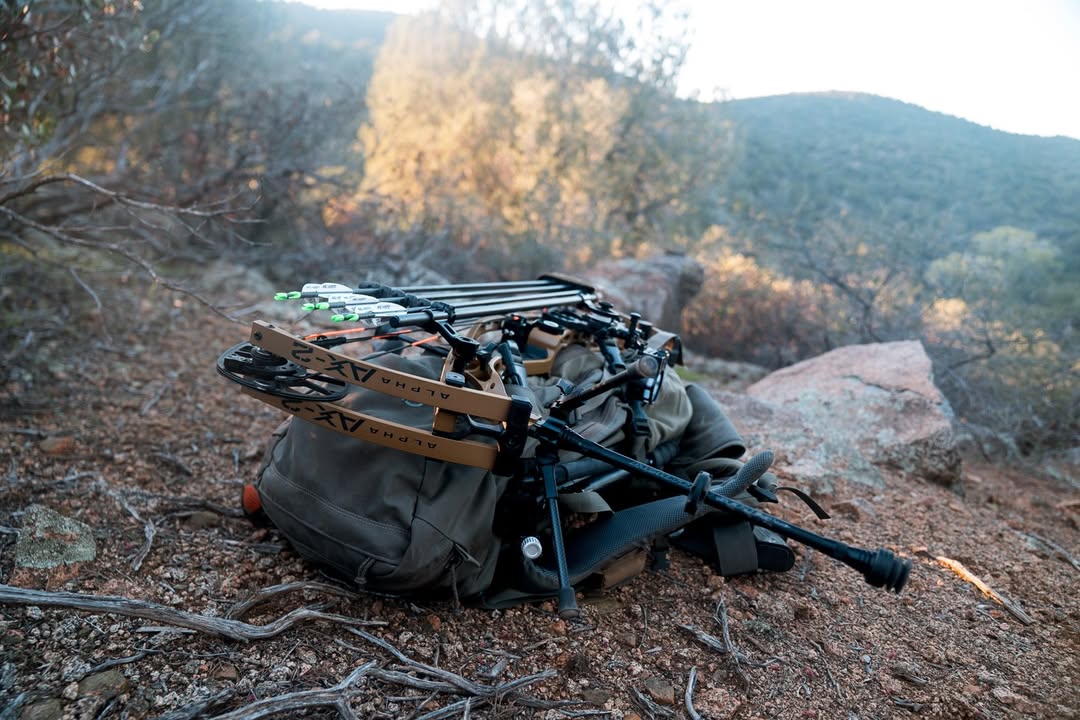
Late summer is one of the most underestimated periods in the hunting calendar.
There’s no dramatic shift that happens overnight. No clear “season change” moment you can point to in the field.
Instead, something far more subtle occurs.
Late summer conditions quietly begin rewriting animal behavior before most hunters even realize anything has changed.
Movement feels familiar—but it’s no longer following the same logic. Patterns look intact—but they’re already breaking down beneath the surface.
Understanding this hidden transition is what separates consistent hunters from frustrated ones.
1. The Illusion of Stability in Late Summer
At first glance, everything seems normal:
- Animals are still present in the area
- Sign is still visible in familiar locations
- Habitat looks unchanged from earlier summer
This creates a false sense of security:
“The pattern is still there.”
But in reality, late summer is not stable—it’s transitional.
The system is already shifting, just not in a way that is immediately visible.
2. Heat Stress Continues to Drive Behavior Changes
Even as subtle seasonal cues begin to emerge, heat remains a dominant force.
Animals continue to:
- Avoid midday movement
- Limit exposure in open areas
- Stay close to shade and thermal cover
But now, an additional layer appears:
- Slight variations in temperature begin influencing timing
- Early cooling trends trigger exploratory movement shifts
This creates conflicting behavior:
Animals are still heat-driven—but no longer only heat-driven.
3. Food Sources Begin a Quiet Transition
One of the most important drivers of behavior change is food.
In late summer:
- Warm-season forage begins to mature and decline in quality
- Early cool-season growth starts to emerge in some areas
- Moisture variability affects plant distribution
This leads to:
- Gradual shifts in feeding locations
- Short-term exploration of new food zones
- Abandonment of previously reliable feeding edges
The food map doesn’t collapse—it slowly redraws itself.
4. Movement Routes Start Breaking and Reforming
Animals don’t immediately abandon old routes.
Instead, they begin to:
- Test alternative paths
- Shorten or extend travel routes based on conditions
- Shift timing without fully changing destination
This creates a confusing effect:
- Old trails still show activity
- But not consistently
- And not at predictable times
Movement becomes layered rather than linear.
5. Bedding Behavior Begins to Subtly Shift
Bedding areas are often more stable than feeding zones—but even they begin to change.
In late summer, animals adjust bedding based on:
- Heat exposure
- Wind direction changes
- Pressure from human activity
- Proximity to new food sources
These changes are often small:
- A shift within the same drainage
- A move deeper into cover
- A change in slope or aspect
But even minor adjustments can:
Completely alter movement patterns between bedding and feeding.
6. Vegetation Density Creates Behavioral Pressure
Late summer vegetation reaches peak density in many regions.
This affects behavior by:
- Reducing visibility for both predator and prey
- Allowing animals to move more freely undetected
- Increasing reliance on security cover
As a result:
- Movement becomes harder to observe
- Routes become less obvious
- Encounters feel more random
It’s not that animals disappear—it’s that cover becomes too effective.
7. Pressure Accumulation Starts to Matter
Even before peak hunting season begins:
- Scouting increases
- Human presence becomes more frequent
- Trail cameras and disturbance accumulate
Animals respond by:
- Becoming more cautious in daylight
- Avoiding predictable crossings
- Shifting toward lower-risk travel corridors
Pressure doesn’t need to be heavy to influence behavior—it only needs to be consistent.
8. Why Patterns Stop Looking Like Patterns
One of the most frustrating aspects of late summer is pattern breakdown.
What hunters observe:
- Sign still appears in familiar places
- Movement still exists in the area
- Yet results become inconsistent
This happens because:
- Timing is shifting daily
- Routes are being adjusted in real time
- Behavior is no longer anchored to fixed routines
The pattern isn’t gone—it’s no longer stable enough to read.
9. The Early Signs Most Hunters Miss
Behavioral rewriting doesn’t announce itself clearly. Instead, it appears as:
- Slight changes in timing of movement
- Shorter or more erratic travel paths
- Reduced repeatability of encounters
- Increased “almost sightings” instead of clean opportunities
Individually, these signs feel minor.
Together, they indicate a system in transition.
Most hunters notice the failure—but not the shift that caused it.
10. How to Adapt When Behavior Starts Changing Early
1. Focus on Recent Data Only
- Prioritize the last 24–72 hours of sign
- Ignore stable patterns older than a few days
2. Hunt Transition Zones
- Edges between bedding and feeding areas
- Areas where terrain changes force movement decisions
3. Reduce Dependence on Single Locations
- Avoid overcommitting to one “best spot”
- Expand your observation area slightly
4. Adjust Timing Flexibly
- Expect movement windows to shift earlier or later
- Be ready for short activity bursts
5. Watch for Micro-Changes
- Wind shifts
- Temperature drops
- Light changes
These often trigger movement more than major weather events.
11. The Key Insight Most Hunters Miss
The biggest misconception is this:
“Nothing has changed yet, so the behavior should still be the same.”
But in reality:
Late summer is when behavior begins changing before the environment looks different.
That’s why it feels confusing:
- The landscape still looks familiar
- But the logic behind movement is already evolving
Conclusion
How late summer conditions quietly begin rewriting animal behavior comes down to one simple truth:
Nothing breaks suddenly—but everything starts shifting at once.
- Food sources begin changing
- Bedding adjusts subtly
- Movement routes lose consistency
- Heat and early seasonal signals overlap
- Pressure accumulates slowly
Individually, these changes are easy to miss.
Together, they reshape the entire system.
Hunters who succeed in this phase aren’t the ones waiting for obvious change—they’re the ones who recognize subtle transitions early and adapt before patterns fully collapse.
Because in late summer:
The hardest part isn’t finding animals—it’s realizing the rules have already started changing before you noticed. 🦌🔥
