
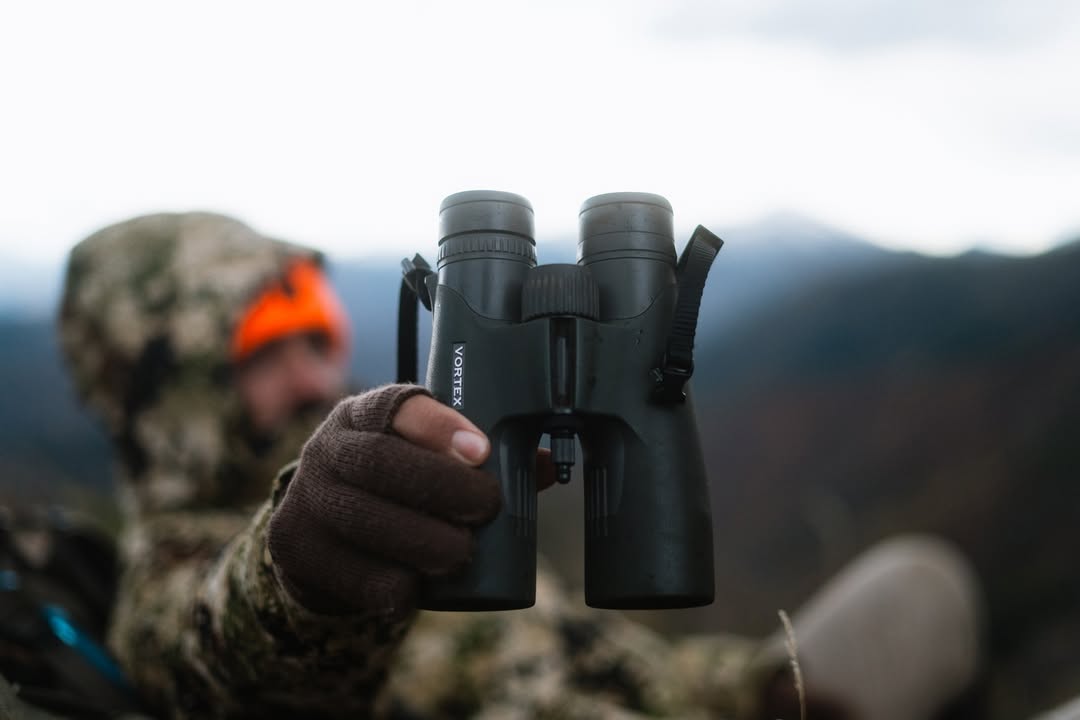
Early behavioral shifts in wildlife are one of the most overlooked challenges in hunting.
There’s no obvious “season change” signal. No sudden migration event. No clear cutoff where summer ends and fall begins.
Instead, something more subtle happens first:
- Movement timing begins to drift
- Travel routes start to loosen
- Feeding locations slowly shift
- Predictability breaks down in small increments
The hunters who stay ahead are not reacting to seasonal change—they’re recognizing it before it fully develops.
This article breaks down how to identify early shifts in animal behavior and adjust before your hunting success declines.
1. Understand That Behavior Shifts Before Environment Feels Different
One of the biggest mistakes hunters make is waiting for obvious change.
But early transition behavior happens when:
- Weather still feels like summer
- Vegetation still looks stable
- Sign still appears familiar
Yet underneath:
- Feeding efficiency changes
- Movement timing adjusts
- Security behavior increases
The environment looks unchanged, but animal decision-making is already evolving.
2. Stop Relying on Historical Pattern Stability
Most hunting strategies depend on repeatability:
- Same trail usage
- Same feeding zones
- Same bedding-to-food routes
But early behavioral shifts disrupt this stability.
You start seeing:
- Slight route variations
- Occasional missed appearances
- Inconsistent timing
This is not randomness—it’s adaptation.
Past patterns become less reliable before new ones fully form.
3. Recognize That Timing Changes Before Location
One of the earliest signals of behavioral shift is timing disruption.
Animals begin to:
- Move earlier or later than usual
- Shorten visible travel windows
- Avoid predictable daylight exposure
This often happens before they change physical locations.
So you may still be hunting the right area—but at the wrong time.
When timing shifts, location alone is no longer enough.
4. Pay Attention to Movement Compression
As conditions begin to shift, animal movement becomes more compressed:
- Fewer long-range travel events
- More short, controlled movements
- Increased use of cover corridors
Instead of wide-ranging patterns, animals begin operating in tighter behavioral loops.
This creates the illusion that:
- There is less movement
- When in reality, movement is just more condensed
Behavior becomes harder to observe, not less active.
5. Identify Emerging Transition Zones
As patterns break down, animals don’t move randomly—they relocate through transition zones such as:
- Edges between cover types
- Terrain funnels
- Elevation breaks
- Moisture or temperature gradients
These zones become critical because:
- They are used during adjustment phases
- They often hold temporary movement patterns
- They bridge old and new behavior systems
Transition zones become more important than traditional “hot spots.”
6. Watch for Changes in Feeding Logic
Early shifts are strongly tied to food behavior.
You may notice:
- Less predictable feeding times
- Shorter feeding durations
- Exploration of new forage areas
Animals begin testing alternatives before committing.
This leads to:
- Temporary feeding locations
- Unstable patterns around known food sources
- Increased movement variability
Feeding behavior changes before feeding locations fully change.
7. Adjust to Reduced Predictability, Not Absence of Game
A critical mental shift is required here:
It’s not that animals disappear—it’s that predictability disappears.
Common signs include:
- “Almost” encounters instead of clean opportunities
- Sign without repeatable movement
- Activity that doesn’t align day to day
This means:
You are still in the right system—you just need a different strategy for instability.
8. Hunt Short-Term Patterns Instead of Long-Term Trends
In early transition periods:
- Weekly patterns become unreliable
- Daily conditions matter more
- Real-time behavior becomes the best indicator
Successful hunters shift focus to:
- Last 24–72 hours of sign
- Immediate environmental changes
- Recent movement confirmation
The shorter your data window, the more accurate your decisions become.
9. Increase Mobility Instead of Commitment
One of the biggest advantages during behavioral shifts is flexibility.
Instead of locking into one location:
- Rotate between multiple observation points
- Adjust based on fresh sign
- Follow movement changes quickly
Staying mobile allows you to:
- Track emerging patterns faster
- Avoid outdated setups
- Respond to behavioral adjustments in real time
Adaptation speed becomes more important than stand quality.
10. Use Environmental Triggers as Your Guide
When patterns are unstable, environmental cues become more reliable than history.
Pay attention to:
- Wind shifts
- Temperature drops or spikes
- Light changes
- Moisture movement
These factors often trigger:
- Short feeding windows
- Movement bursts
- Temporary pattern formation
Environmental change reveals behavior more accurately than past data.
11. The Key Insight Most Hunters Miss
The biggest misconception is this:
“If the season hasn’t fully changed, behavior shouldn’t be changing yet.”
But in reality:
Animal behavior always shifts before seasonal conditions fully catch up.
This creates a gap between:
- What the landscape looks like
- And how animals are actually using it
Hunters who recognize this gap early gain a major advantage.
Conclusion
How to stay ahead when animal behavior starts shifting early comes down to one core principle:
You cannot rely on stable patterns in an unstable system.
Early transition periods are defined by:
- Timing shifts before location shifts
- Movement compression
- Emerging transition zones
- Breaking long-term predictability
- Increased sensitivity to environmental cues
Success belongs to hunters who:
- Adapt quickly
- Shorten their decision cycles
- Focus on recent behavior
- Stay mobile and observant
Because in hunting:
The moment behavior starts changing is the moment your advantage begins—or disappears. 🦌🔥
