
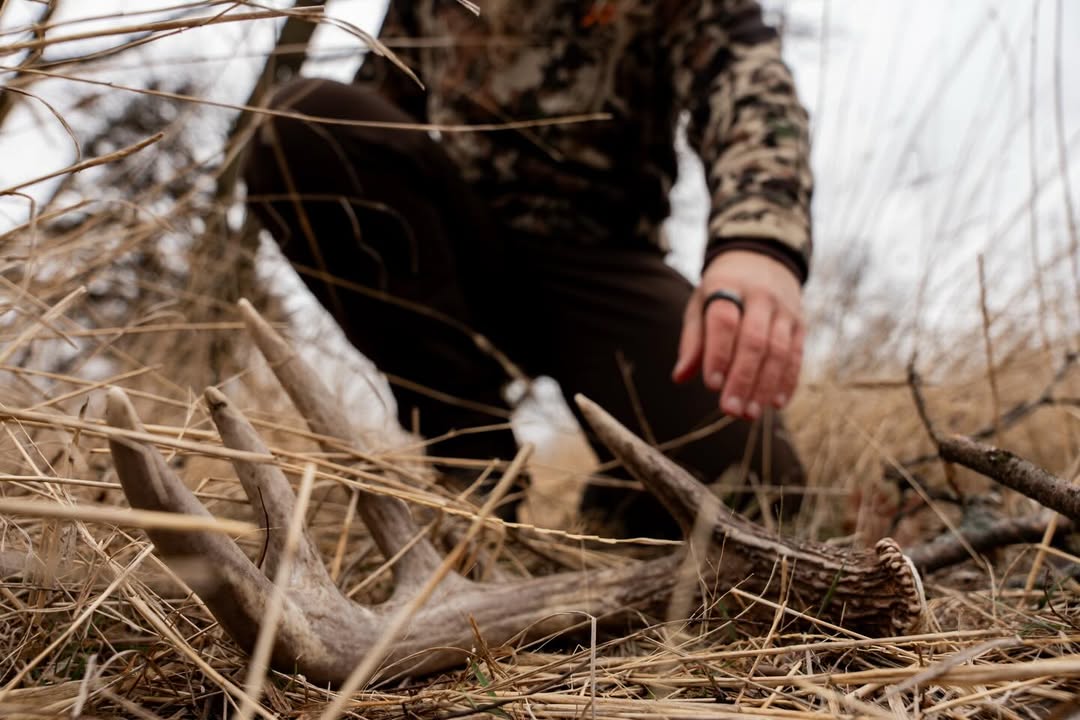
Few things are more frustrating for hunters than this:
You’re finding tracks, droppings, rubs, scratched earth—all the signs say animals are here. But when it comes time to hunt, the woods feel empty.
No movement. No sightings. No opportunities.
So what’s going on?
The truth is, animals haven’t disappeared—you’re just out of sync with how, when, and where they’re moving right now.
In early summer and warm-season conditions, game behavior changes in ways that make encounters far less visible—even in areas loaded with fresh sign.
Let’s break down exactly why this happens—and how to fix it.
1. Most Movement Is Happening When You’re Not There
During warmer months, animals shift heavily toward:
- Nocturnal movement
- Ultra-early morning activity
- Last-light or after-dark travel
This means:
- The tracks you’re seeing may have been made hours before you arrived
- Feeding activity may be happening almost entirely at night
- By the time you’re set up, animals are already bedded
You’re hunting the right place—but the wrong time window.
2. Animals Are Using Cover You Can’t See Into
As vegetation thickens:
- Visibility drops dramatically
- Animals gain a major advantage in concealment
- Movement continues—but happens inside cover, not across openings
Instead of crossing fields or open trails, animals:
- Move through brush lines
- Follow shaded edges
- Stay just inside timber or tall growth
They may be within 50 yards of you—and you’d never know it.
3. Travel Routes Shift Away From Obvious Paths
Many hunters rely on:
- Well-worn trails
- Field edges
- Clear funnels
But in early summer:
- Animals often abandon exposed routes
- They shift to less obvious, low-pressure paths
- Movement becomes more scattered and subtle
So while you’re watching the “best-looking” trail:
The real movement is happening just out of sight, on paths you haven’t identified yet.
4. Bedding Areas Become the Center of Activity
In cooler seasons, animals move between feeding and bedding areas more frequently.
But now:
- Bedding areas offer shade, security, and cooler temperatures
- Animals may stay bedded for long periods
- Movement distances shrink significantly
This creates a key problem:
- You’re seeing sign from when animals passed through
- But they’re no longer traveling far enough to be intercepted
The closer you are to bedding, the better your odds—but also the harder the hunt.
5. Sign Can Be Misleading Without Timing Context
Not all sign is equal.
You might be seeing:
- Tracks from multiple days ago
- Feeding sign from a different time of day
- Trails used only under certain conditions
Without understanding when that sign was made:
- It’s easy to overestimate current activity
Good sign doesn’t guarantee current movement—it only proves past presence.
6. Pressure Changes Behavior More Than Location
Even light hunting pressure can shift behavior:
- Animals reduce daytime movement
- They avoid open or predictable areas
- They become more cautious and selective
This leads to:
- Fewer sightings
- Shorter movement windows
- Increased use of hidden terrain
The animals didn’t leave—they just adjusted faster than you did.
7. Environmental Conditions Quiet Movement
Several early summer factors reduce visible activity:
- Heat: pushes movement into cooler hours
- Humidity: increases bedding time
- Stable weather: reduces urgency to move
When conditions are comfortable:
- Animals don’t need to travel far
- They don’t need to take risks
- They don’t expose themselves
Comfort creates invisibility.
8. How to Start Seeing Animals Again
Now that you understand the problem, here’s how to fix it:
1. Hunt the Edges of Movement Windows
- Be set up before first light
- Stay until the very last usable light
- Focus on short, high-probability periods
2. Move Closer to Bedding Areas
- Target shaded, secure cover
- Look for subtle entry/exit routes
- Expect tighter, more cautious setups
3. Shift Away From Obvious Trails
- Scout for secondary or hidden paths
- Pay attention to terrain changes (ridges, dips, edges)
- Look for sign inside cover—not just along edges
4. Use Terrain to Your Advantage
- Position where animals have to pass close
- Use natural barriers to limit their options
- Reduce reliance on visibility—focus on interception
5. Read Fresh Sign Only
- Prioritize:
- Moist tracks
- Recently disturbed ground
- Fresh droppings
- Ignore older, misleading sign
6. Stay Mobile and Adaptive
- If you’re not seeing movement, adjust quickly
- Don’t overcommit to one setup
- Treat each sit as information gathering
9. The Real Mindset Shift
The biggest mistake hunters make in this situation is assuming:
“If I’m not seeing animals, they’re not here.”
But the reality is:
You’re in the right place—you just haven’t aligned with how animals are using it right now.
Early summer hunting is less about visibility and more about:
- Timing
- Positioning
- Understanding hidden movement
Conclusion
If you’re finding plenty of sign but not seeing animals, it’s not bad luck—it’s a mismatch between your setup and current behavior patterns.
As temperatures rise and cover thickens:
- Movement becomes less visible
- Patterns become tighter
- Opportunities become shorter
But hunters who adapt—who shift closer, think smaller, and focus on timing—start seeing what others miss.
Because in the woods right now:
The animals aren’t gone…
They’re just moving in ways most hunters never notice. 🦌🌿
