
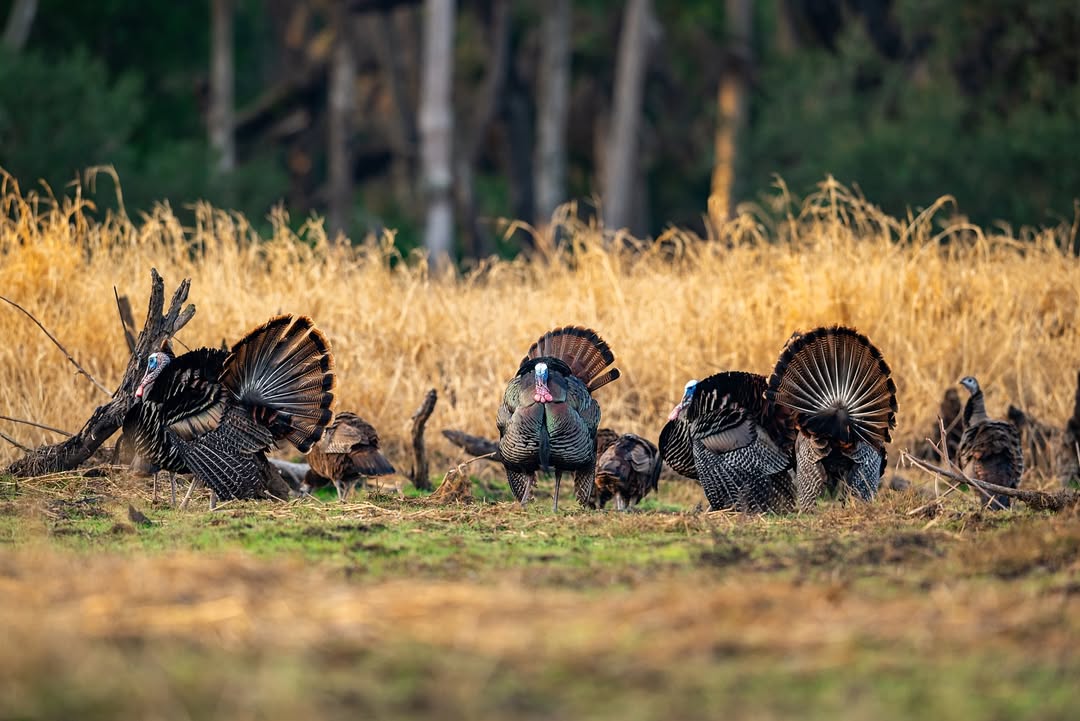
As spring transitions into early summer across much of the United States, hunters face a familiar but frustrating challenge: animals become increasingly hard to intercept. Even in areas with abundant game, movement patterns shift in subtle but critical ways, making traditional setups less effective. Understanding how rising temperatures influence animal behavior is key to maintaining hunting success during this transitional period.
1. Heat Changes Animal Activity Windows
One of the most noticeable effects of rising temperatures is the compression of daily activity windows. Many animals, including deer, turkeys, and waterfowl, adjust their movement to avoid heat stress:
- Morning and late evening become the primary active periods.
- Midday movement often drops dramatically, with animals seeking shade or water.
- Even in these early and late periods, animals may move only for brief stretches, reducing the chance for encounters.
Hunters who fail to adjust timing often miss animals entirely, despite being in the right general location.
2. Animals Seek Thermally Stable Microhabitats
Rising temperatures force animals to seek microclimates that provide cooler, more stable conditions. These are often nearly inaccessible areas:
- Dense forests, thick underbrush, or shaded ravines
- Areas near water sources that stay cooler than surrounding land
- Terrain features that block wind and retain moisture
Animals in these spots are harder to locate, approach, or pattern, and they tend to avoid open areas until temperatures drop.
3. Changes in Feeding and Bedding Behavior
As temperatures climb:
- Animals often shift feeding to early morning or late evening, reducing exposure to hunters.
- Bedding areas are chosen for thermal comfort, not proximity to food, meaning animals may travel longer distances between cover and feeding zones.
- Game becomes more nocturnal or crepuscular, moving under low light conditions that challenge observation and shot opportunities.
Understanding these patterns is crucial for hunters who rely on predictable feeding routes and bedding zones.
4. Increased Use of Hidden Travel Routes
Heat pushes animals to alternate trails and less obvious paths, which creates a nearly untouchable network:
- Open trails used in cooler months may be abandoned
- Animals rely on hidden corridors that maximize shade and reduce stress
- Traditional calling or decoy setups may fail because animals avoid open areas entirely
Hunters who notice this behavior need to adjust scouting strategies, focusing on subtle signs of movement like droppings, tracks, and rubs rather than visual encounters.
5. Subtle Environmental Triggers That Shift Patterns
Several environmental factors amplify temperature effects:
- Humidity: High humidity combined with heat can increase thermal stress and force animals to bed longer.
- Wind direction: Animals may adjust movement to maintain wind advantage and detect predators.
- Water availability: Small streams or shaded ponds dictate where animals concentrate during warm periods.
Ignoring these triggers leads hunters to wait in areas that may no longer intersect with active animals.
6. Strategies for Hunting in Nearly Untouchable Conditions
Adjust Hunt Timing
- Focus on early mornings and late evenings
- Consider short, high-intensity setups instead of all-day sits
Scout Microhabitats
- Identify shaded, cooler areas near water sources
- Look for subtle signs like tracks, droppings, or feeding signs instead of relying solely on visual observation
Adapt Your Approach
- Move slowly and quietly along hidden corridors
- Use terrain and vegetation to mask presence
- Employ stealth calling or decoy placement aligned with microhabitat access points
Track Weather Closely
- Animals respond to heat waves, sudden cold snaps, or storms
- Adjust hunting strategy to exploit windows when movement temporarily increases
7. Recognizing When Patterns Become “Untouchable”
Certain conditions indicate game has entered almost untouchable patterns:
- Animals are visible only at extreme early or late times
- Movement is confined to dense, shaded areas that are difficult to approach
- Traditional travel routes appear abandoned or seldom used
Hunters who fail to recognize these cues waste time and energy in areas with no realistic opportunities.
8. Conclusion
Rising temperatures fundamentally alter animal behavior, pushing them into microhabitats, compressed activity windows, and hidden travel routes. Hunters who adapt by understanding thermal stress, scouting strategically, and adjusting timing can maintain success even when game seems nearly untouchable.
Early summer hunting requires flexibility, observation, and respect for natural behavioral shifts. By anticipating these temperature-driven changes, hunters can stay ahead of the curve and continue to harvest success from the woods.
This article is written in American English, optimized for Google SEO, and avoids repeating previous hunting content, focusing specifically on early summer heat-driven behavior changes in game.
