
Mearns quail country can fool a hunter.
An oak-covered hillside rises above a grassy canyon.
Tall bunchgrass leans across the slope.
Scattered rocks break through the soil.
A shallow drainage disappears beneath live oak and juniper.
Nothing moves.
A dog works slowly uphill.
Then stops.
The hillside becomes silent.
The hunter takes one more step.
A covey explodes almost straight up from beneath the grass.
Several birds disappear downhill.
Others cross behind the oaks.
Within seconds, the slope looks empty again.
That is Mearns quail hunting.
These birds are famous for holding tightly.
Unlike scaled quail that may run long distances, Mearns quail often rely on:
- Dense grass
- Broken terrain
- Oak cover
- Soft soil
- Camouflage
to remain hidden.
Successful hunters learn that the most important habitat clues are often beneath their feet.
Mearns Quail Are Birds of Oak Grasslands
Montezuma quail, often called Mearns quail by hunters, are strongly associated with Southwestern upland landscapes containing combinations of:
- Oak woodland
- Bunchgrass
- Rocky foothills
- Canyon slopes
- Open woodland
- Moist soil pockets
In the United States, hunters most strongly associate them with parts of Arizona and the Southwest.
Oak and Grass Work Together
The best habitat often combines scattered trees with a strong grass understory.
Oak provides:
- Shade
- Structure
- Leaf litter
- Cooler microhabitats
Grass provides:
- Concealment
- Roosting cover
- Escape habitat
Do Not Search Only Dense Timber
Mearns quail are not forest birds in the same way some grouse are.
Open oak woodland with good grass beneath it can be much more productive than dense closed-canopy forest.
Look Under the Trees
The quality of ground cover matters.
Ask:
- Is grass present?
- Is there exposed soil?
- Are there feeding openings?
- Is the understory too bare?
Grass Height Matters
Tall grass can provide excellent concealment.
But habitat still needs enough open ground for birds to move and feed.
Bunchgrass Structure Is Important
Clumped grasses leave small openings beneath and between plants.
That creates useful ground-level structure.
Uniform Sod Is Different
A continuous dense mat may be less useful than mixed clumps and bare ground.
Soft Ground Is One of the Best Clues
Mearns quail are closely associated with feeding behavior that involves scratching and digging.
Hunters should pay attention to:
- Soft soil
- Moist pockets
- Recently disturbed ground
Feeding Sign Can Be Subtle
Look for small areas where the soil beneath grass has been disturbed.
Fresh Disturbance Matters
Newly worked soil may appear:
- Darker
- Softer
- Less weathered
Old Sign Can Mislead
Dry weather may preserve feeding marks for a long time.
Use fresh sign together with:
- Dog work
- Tracks
- Habitat quality
Monsoon Rain Changes the Landscape
Summer and seasonal rainfall can strongly influence Southwestern grassland habitat.
Rain may produce:
- Grass growth
- Forbs
- Softer soil
- More insects
Monsoon Conditions Can Influence Future Bird Distribution
Areas that receive better moisture may develop stronger cover.
Do Not Judge Habitat Only by Historical Reputation
One drainage may be excellent after good rainfall.
Another may remain dry and sparse.
Current Grass Condition Matters
Look for areas with:
- Strong bunchgrass
- Healthy understory
- Moisture retention
North-Facing Slopes Can Stay Cooler
They may retain:
- Moisture
- Green vegetation
- Shade
longer.
South-Facing Slopes Can Be Drier
But they may still hold birds when structure and feeding conditions are right.
Do Not Use Slope Direction as a Rule
Treat it as one clue.
Canyon Draws Can Be Productive
Small drainages often collect:
- Moisture
- Soil
- Vegetation
Hunt Above the Bottom Too
Birds may hold on side slopes rather than directly in the deepest draw.
Small Side Draws Matter
A minor drainage can hold better grass than the main canyon.
Creek-Like Channels May Be Dry
Surface water is not required for the drainage to influence vegetation.
Elevation Changes Habitat
Mearns quail often occur in foothill and mountain environments where elevation changes:
- Vegetation
- Temperature
- Moisture
Do Not Hunt Only the Valley Floor
Some of the best habitat may sit higher on rolling oak slopes.
Benches Can Be Productive
A flatter shelf on a hillside provides:
- Easier movement
- Better feeding ground
- Grass accumulation
Topographic Maps Can Help
Look for areas where contour lines widen.
Small Benches Can Hold Coveys
Do not focus only on large flat areas.
Rocky Slopes Can Still Be Good Habitat
Birds may use grass growing between rocks.
But Extremely Bare Rock Offers Less Cover
The best country often mixes:
- Rock
- Grass
- Oak
- Soil
Mearns Quail Can Hold Extremely Tight
This is one of their defining hunting characteristics.
A Covey May Be Only a Few Yards Away
And remain invisible.
Dogs Are Especially Valuable
A pointing dog can reveal birds that hunters would otherwise walk past.
Trust the Point
Do not assume the dog is wrong because nothing is visible.
Move Carefully
A bird may be almost beneath the dog’s nose.
Give the Dog Time
Scent conditions in dry, rocky country can be complicated.
Moist Mornings Can Improve Scenting
Cooler temperatures and slight moisture may help dogs work effectively.
Dry Wind Can Make Scent More Difficult
Strong wind may:
- Scatter scent
- Dry vegetation
Watch Dog Behavior
A dog relocating repeatedly may be trying to solve a difficult scent picture.
Do Not Rush In
Let the dog work.
Covey Flushes Can Be Explosive
Because birds often hold tight, the first rise can be extremely close.
Be Ready, But Stay Controlled
Pick One Bird
Do not swing through the entire covey.
Coveys May Split in Several Directions
Watch where groups land.
Mark Every Landing Area
Use:
- Oak tree
- Rock outcrop
- Fence post
- Ridge shoulder
Terrain Distorts Distance
A bird crossing downhill may look closer than it is.
Use Multiple Landmarks
Singles Can Hold Even Tighter
After a covey breaks, scattered birds may provide excellent dog work.
Slow Down
Do Not Push Every Single Immediately
Give birds time to settle.
Mearns Quail Can Be Hard to Relocate
Dense grass hides both:
- Birds
- Movement
Use the Dog
Recovery Can Be Difficult Too
A downed bird can disappear beneath a single grass clump.
Watch Every Bird to the Ground
Mark the Fall Immediately
Let the Dog Search Before Walking Through the Area
Human scent and crushed grass can complicate recovery.
Without a Dog, Search Methodically
Use:
- Small circles
- Parallel passes
Look Beneath Grass
Do not search only the surface.
Oak Leaves Add Camouflage
Brown birds can vanish against leaf litter.
Early Season Heat Can Be Serious
Southwestern upland hunting may occur during mild or warm conditions.
Start Early When Appropriate
Cool mornings are easier on:
- Hunters
- Dogs
Midday Heat Can Reduce Efficiency
Birds may remain in:
- Shade
- Cooler slopes
- Dense cover
Save Difficult Climbs for Cooler Periods
Dogs Need Careful Heat Management
Mearns country can involve constant uphill and downhill work.
Carry Plenty of Fresh Water
Do not assume natural water will be available.
Seasonal Canyons Can Be Completely Dry
Dogs Can Dehydrate Quickly
especially in dry air.
Schedule Regular Breaks
Shade From Oaks Helps
But shade alone is not enough.
Watch for Heat-Stress Signs
Possible warning signs include:
- Excessive panting
- Weakness
- Poor coordination
- Reduced response
End the Hunt Before Conditions Become Dangerous
Dog Paws Take Abuse
Potential surfaces include:
- Sharp rock
- Dry soil
- Gravel
- Oak debris
Check Pads Repeatedly
Grass Seeds Can Be Serious
Inspect:
- Ears
- Eyes
- Nose
- Paws
- Coat
Foxtails and Similar Seeds Can Cause Problems
Persistent irritation should not be ignored.
Brush Can Injure Eyes
Dog eye protection may be useful depending on cover.
Hunters Need Eye Protection Too
Oak branches and tall grass can strike the face.
Cactus Can Occur in Some Habitat
Watch both:
- Hunter footing
- Dog movement
Grass Can Hide Cactus
Never kneel blindly.
Rocky Ground Can Hide Rattlesnakes
Warm-weather Southwestern hunting requires general snake awareness.
Watch Where You:
- Step
- Sit
- Place hands
Do Not Reach Blindly Around Rocks
Cooler Weather Reduces Activity But Does Not Eliminate Risk
Stay aware.
Rain Can Improve Mearns Quail Hunting Conditions
After precipitation, hunters may find:
- Softer soil
- Fresh sign
- Quieter vegetation
- Better scenting
Mearns Quail Hunting After Rain Can Be Productive
Wet grass may hold scent differently.
Mud Reveals Tracks
Small road crossings or canyon bottoms can show recent use.
But Rain Makes Hillsides Slippery
Clay and loose soil become difficult quickly.
Wet Oak Leaves Can Slide
Especially over:
- Rock
- Hard soil
- Roots
Slow Down
Rocky Creek Beds Become Slippery
Wet stone can reduce traction dramatically.
Mud Can Pack Into Boot Tread
Clear soles when necessary.
Monsoon Storms Create Flash-Flood Risk
Dry canyons can carry water suddenly.
Never Assume a Dry Wash Is Safe
Rain may be falling upstream.
Watch Weather Beyond Your Immediate Location
Avoid Parking in Active Drainages
Lightning Is Another Risk
Sky-island country can attract thunderstorms.
Leave exposed ridges when storms approach
High Points Are Not Safe During Lightning
Roads Can Become Impassable After Rain
Southwestern dirt roads can change from hard to slick mud quickly.
Think About the Exit Before Driving In
Do Not Damage Soft Ranch Roads
Park and walk when necessary.
Landowner and public-access relationships matter
Mearns Quail Hunting Is Hard on Footwear
A typical hunt may involve:
- Tall grass
- Loose rock
- Oak leaves
- Mud
- Dry washes
- Steep slopes
- Morning dew
- Long uphill walks
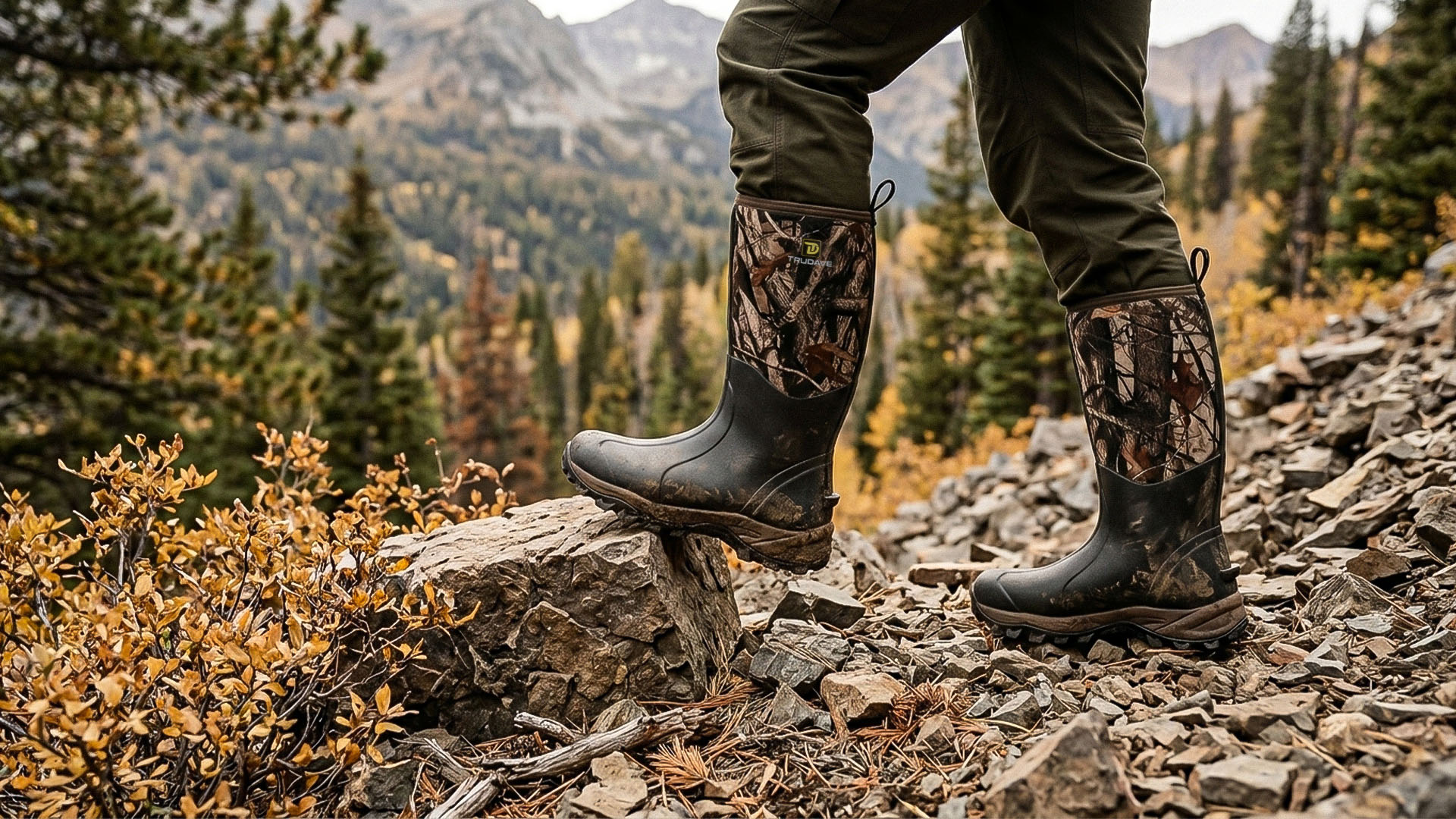
Hunters may benefit from waterproof hunting boots for Arizona quail hunting that provide secure heel retention, dependable traction, and enough ankle support for rocky oak-grassland terrain without becoming unnecessarily heavy.
Lightweight Boots Reduce Fatigue
Mearns hunting can involve substantial mileage and elevation.
Heavy Boots Add Effort
especially on repeated climbs.
But Extremely Soft Boots Can Lack Support
Rocky sidehills punish unstable footwear.
Secure Heel Fit Is Critical
Climbing exposes heel slip quickly.
Heel Slip Becomes a Blister
Toe Room Matters on Descents
Feet slide forward during long downhill travel.
Moderate Ankle Support Helps
Hidden holes and loose rock create constant instability.
Waterproofing Still Matters
Despite the dry regional climate, hunters may encounter:
- Wet grass
- Rain
- Mud
- Shallow creek crossings
Morning Dew Can Soak Boots
Tall grass transfers moisture quickly.
Breathability Is Important
Warm conditions make excessive insulation uncomfortable.
Avoid Heavy Insulation Unless Needed
Moisture-Managing Socks Help
Sweat creates friction.
Carry Spare Socks
especially on long all-day hunts.
Gaiters Can Be Very Useful
They help keep:
- Seeds
- Grass debris
- Small rocks
- Moisture
out of boots.
Seeds Inside Boots Can Ruin Comfort
Stop and remove them.
Tall Rubber Boots Are Usually Less Ideal for Steep Terrain
They may work in muddy bottoms.
But hillside hunting often favors supportive waterproof lace-up boots.
Choose Boots for the Whole Hunt
Consider:
- Elevation
- Grass
- Mud
- Rock
- Temperature
Traction Matters on Dry Ground Too
Loose rock and dry soil can slide.
Take Short Steps
Descents Can Be Harder Than Climbs
Knees, toes, and ankles take repeated stress.
Use Controlled Foot Placement
Trekking Poles Can Help
They may improve stability on:
- Steep slopes
- Loose soil
- Wet creek beds
Physical Conditioning Matters
Mearns quail hunting may require repeated climbs.
Train on Hills Before Season
Flat-road walking alone does not fully prepare the legs.
Train Downhill Too
Descents stress different muscles.
Wear Hunting Boots During Training
This helps identify:
- Hot spots
- Fit problems
- Sock issues
before the season.
Habitat Is Often Spread Across Large Areas
Do not walk every hillside randomly.
Use Maps First
Look for:
- Oak woodland
- Grassy openings
- Canyon systems
- Benches
Satellite Imagery Can Help Identify Vegetation Patterns
Recent Imagery Is Better
Fire and drought can change habitat quickly.
Burns Can Reshape Mearns Country
Wildfire may remove mature cover.
Recovery Can Create New Grass
Several years later, some burned areas may develop useful understory again.
Burn Age Matters
Hunt the Burn Edge
Where recovering grass meets surviving oak can create diverse habitat.
But Recently Burned Ground Can Be Bare
Scout current vegetation.
Grazing Can Also Change Habitat
Livestock pressure may alter:
- Grass height
- Forb abundance
- Bare ground
Moderate Variation Can Create Useful Structure
But heavily degraded grassland may hold fewer birds.
Current Habitat Condition Matters
Public Land Can Offer Opportunities
Depending on region, Mearns quail habitat may occur on:
- National forest
- State land
- Other public ground
Access Rules Vary
Check:
- Vehicle restrictions
- Seasonal closures
- Fire rules
- Hunting boundaries
Open Forest Does Not Mean Every Road Is Open
Respect Gates
Do not drive around closures.
Private Ranches Require Permission
Property Boundaries Can Be Difficult
Oak grasslands may look continuous across ownership lines.
Use Current Maps
Birds Do Not Respect Boundaries
Hunters must.
Discuss Dog Retrieval Before Hunting Near Property Lines
Leave Gates As Directed
Livestock may share the area.
Do Not Disturb Water Infrastructure
Do Not Block Ranch Roads
Respect Cattle
Coveys may use the same grassland.
Never shoot toward livestock
Working Dogs Can Encounter Cattle
Keep dogs controlled.
Horses May Also Be Present
Other Recreational Users Can Share Public Land
Possible users include:
- Hikers
- Riders
- Mountain bikers
Dense oak can hide people
Know the background before shooting.
Hunter Spacing Matters
Mearns hunting often involves:
- Several hunters
- One or more dogs
Establish Safe Shooting Zones
before entering cover.
Coveys Can Flush in Every Direction
Never Swing Through a Partner
Low Birds Require Discipline
Do not shoot when:
- Dog
- Hunter
- Livestock
could be in the background.
Bright Safety Gear Can Improve Visibility
Follow current local requirements.
Communication Matters Around Ridges
One hunter may drift:
- Uphill
- Downhill
- Behind oak cover
Reorganize Before Continuing
Positive Identification Is Essential
Mearns quail habitat may overlap with other Southwestern quail species.
Possible species can include:
- Scaled quail
- Gambel’s quail
depending on region.
Learn Montezuma Quail Features
Hunters should study:
- Body pattern
- Head pattern
- Compact shape
- Sex differences
Males Are Highly Distinctive
Females are more subdued.
Do Not Study Only Males
Juveniles May Be Less Obvious
Fast Flushes Make Identification Hard
learn species before entering the field.
Habitat Is Not Identification
A quail in oak grassland is not automatically Mearns quail.
If unsure, do not shoot
Regulations Can Vary by State and Area
Before hunting, verify current official:
- Season dates
- Daily bag limits
- Possession limits
- License requirements
- Species restrictions
- Public-land rules
- Ammunition requirements
Different Quail Species May Have Different Seasons
Combined Limits May Apply in Some Areas
check the exact current rule.
Do Not Use Last Year’s Regulation Book
Public-Land Closures Can Change
Wildfire and weather may affect access.
Check current land-management notices
before hunting.
Non-Toxic Ammunition Rules May Apply on Certain Lands
verify property-specific rules.
Habitat Conservation Is Important
Mearns quail depend heavily on healthy grassland structure.
Do Not Drive Cross-Country Through Good Cover
Stay on authorized routes.
Vehicle Tracks Can Damage Wet Soil After Monsoon Rain
Avoid Creating New Roads
Pick Up Trash
Remove:
- Food packaging
- Dog supplies
- Spent hulls
Leave the area cleaner than you found it
Clean Seeds From Gear
Plant material can travel on:
- Boots
- Socks
- Dogs
- Tires
Remove invasive seed heads where practical
before moving between areas.
Common Mearns Quail Hunting Mistakes
Hunting Only Obvious Water
Mearns quail are more closely tied to grass, oak, and feeding soil than standing water alone.
Walking Too Fast
These birds can hold extremely tight.
Ignoring Soft Ground
Feeding habitat often depends on suitable soil conditions.
Assuming They Will Run Like Scaled Quail
Mearns often rely more heavily on concealment and tight holding.
Ignoring Monsoon Grass Condition
Rainfall can strongly influence habitat quality.
Wearing Heavy, Poorly Fitting Boots
Steep oak-grassland hunting rewards lighter supportive footwear.
Letting Dogs Range Too Far in Heat
Water, cactus, snakes, and terrain create additional hazards.
Assuming All Arizona Quail Have the Same Rules
Always verify species and area regulations.
Frequently Asked Questions
Where do Mearns quail usually live?
Mearns or Montezuma quail commonly use Southwestern oak grasslands, brushy foothills, canyon slopes, bunchgrass habitat, and open woodland containing suitable ground cover and feeding soil.
Why are Mearns quail associated with oak grasslands?
Oak-grassland systems provide shade, grass cover, diverse food, leaf litter, and suitable terrain within a relatively small area.
Do Mearns quail hold tight?
Yes. They are well known for remaining hidden in grass until hunters or dogs approach closely, which makes pointing dogs especially useful.
Does monsoon rain affect Mearns quail habitat?
Yes. Seasonal rainfall can improve grass growth, soft-soil feeding conditions, insect production, and overall habitat quality.
Is Mearns quail hunting good after rain?
It can be. Moist soil may improve sign and feeding conditions, while wet grass and mud may improve scenting but make hillsides more slippery.
What boots are best for Mearns quail hunting?
Lightweight waterproof hunting boots with secure heel fit, dependable traction, durable toe protection, and moderate ankle support are practical for Arizona oak grasslands and rocky foothills.
Are rubber boots good for Mearns quail hunting?
Rubber boots can work in muddy canyon bottoms, but steep slopes, rock, and long mileage generally favor supportive waterproof lace-up hunting boots.
Can dogs help hunt Mearns quail?
Yes. Pointing dogs are extremely useful because Mearns quail often hold tightly beneath grass, but hunters should carefully manage heat, limited water, grass seeds, cactus, snakes, paw wear, and dog range.
Do Mearns quail hunting regulations vary?
Yes. Seasons, bag limits, possession limits, licensing, public-land rules, species restrictions, and ammunition requirements vary by jurisdiction and area. Hunters should verify current official regulations before hunting.
Final Thoughts
Mearns quail hunting teaches hunters that the most important habitat can be hidden beneath the grass.
One oak slope provides shade.
One bunchgrass bench provides concealment.
One monsoon season softens the soil.
One canyon holds moisture longer.
One dog points a patch of grass that looks exactly like a hundred others.
And suddenly an entire covey erupts from beneath your feet.
Slow down.
Trust the dog.
Study grass condition.
Look for soft feeding ground.
Hunt oak-covered benches.
Watch monsoon patterns.
Respect steep terrain, heat, storms, cactus, dogs, livestock, roads, and property boundaries.
Wear boots that let you cross wet grass, rocky foothills, loose soil, oak leaves, muddy canyon bottoms, shallow drainages, and miles of Arizona upland country without making blisters, wet feet, poor traction, or heavy footwear the reason the hunt ends early.
And when a covey rises from a patch of bunchgrass you would have walked past without the dog, remember the lesson.
Mearns quail do not need to run far.
Their habitat does the hiding for them.
The hunter’s job is to learn what that habitat looks like before the birds reveal themselves.
