
Scaled quail country can look almost too open to hide birds.
Short grass covers a broad Southwestern flat.
Mesquite grows in scattered patches.
Prickly pear sits low between rocks.
A dry arroyo cuts through the landscape.
Nothing moves.
A hunter walks another hundred yards.
Still nothing.
Then the dog speeds up.
A gray bird runs between grass clumps.
Another disappears behind mesquite.
Seconds later, the entire covey erupts farther ahead than expected.
That is scaled quail hunting.
These birds have a reputation for running.
And that reputation is deserved.
Hunters who expect every covey to sit tightly until approached often spend the day watching birds escape just beyond comfortable range.
Successful scaled quail hunters learn to connect:
- Grass
- Mesquite
- Arroyos
- Shrub cover
- Water
- Seed-producing plants
- Current weather
- Escape routes
The country is open.
The birds still know exactly where to disappear.
Scaled Quail Are Birds of the Southwest
Scaled quail are strongly associated with dry Southwestern environments.
Depending on region, productive habitat may include:
- Shortgrass prairie
- Desert grassland
- Mesquite flats
- Scrub
- Dry washes
- Agricultural edges
- Cactus country
They are often called:
- Scaled quail
- Blue quail
Their gray-blue coloration blends extremely well into dry open country.
Open Country Does Not Mean Easy Hunting
Scaled quail often use terrain with much greater visibility than bobwhites or mountain quail.
That does not make them easier.
Open habitat gives birds more opportunity to detect hunters.
Running Is Their Biggest Advantage
Scaled quail often run ahead rather than immediately flush.
A covey may move:
- Fifty yards
- One hundred yards
- Even farther
before finally taking flight.
Watch Dog Behavior Carefully
A dog moving quickly and repeatedly relocating may be following a running covey.
Do Not Rush
Running behind the dog usually makes birds run faster.
Use Terrain to Contain Them
Look for features that may slow or redirect a covey:
- Arroyo
- Fence line
- Dense mesquite
- Road
- Rocky slope
Think About Escape Routes
Before pushing a covey, ask:
Where can the birds run?
Grass Structure Matters
Scaled quail need more than bare desert.
Productive habitat often includes grasses that provide:
- Food
- Concealment
- Nesting cover
Shortgrass Can Be Useful
Especially when mixed with:
- Shrubs
- Forbs
- Bare ground
Extremely Dense Grass Can Be Less Ideal
Birds still need room to move underneath vegetation.
Open Ground Between Plants Matters
Scaled quail are active ground runners.
Think at Bird Height
Look beneath the vegetation.
Can a bird run through the habitat easily?
Mesquite Flats Can Be Excellent
Scattered mesquite creates:
- Shade
- Escape cover
- Food-producing edges
- Visual structure
Hunt Mesquite Clusters
A few shrubs can concentrate birds in otherwise open grassland.
Do Not Focus Only on Dense Brush
Scaled quail often prefer more open cover than some other quail.
Mesquite-Grass Transitions Are Valuable
Where brush becomes thinner and grass opens up, birds gain both:
- Movement space
- Security
Prickly Pear Can Add Cover
Cactus patches break up open ground.
But Cactus Creates Hunter and Dog Hazards
Watch every step.
Grass Can Hide Pads
A prickly pear patch may be nearly invisible beneath dry grass.
Do Not Kneel Blindly
Check the ground first.
Dry Arroyos Can Be Extremely Important
Arroyos provide:
- Lower terrain
- More vegetation
- Cooler conditions
- Travel structure
Arroyo Edges Can Hold Birds
Coveys may feed above the wash and use the drainage as escape cover.
Hunt Both Sides
One bank may contain thicker grass or shrubs.
Dry Washes Can Funnel Movement
A running covey may follow the arroyo rather than cross open ground.
Use That Pattern
Instead of following directly behind, hunters may sometimes reposition toward the likely exit.
Deep Arroyos Can Hide Birds Completely
A covey may be only fifty yards away and remain invisible.
Listen for Movement
Dry ground can reveal:
- Running feet
- Rustling vegetation
But Wind Can Mask Everything
Southwestern country can be extremely windy.
Water Can Narrow the Search
Scaled quail can survive in dry environments.
But during hot dry periods, water can still influence distribution.
Possible sources include:
- Stock tanks
- Springs
- Livestock troughs
- Seasonal pools
Hunt Habitat Around Water
Birds may not remain directly beside water for long.
Look for Sign Nearby
Soft soil may reveal:
- Tracks
- Dusting
- Repeated movement
Do Not Block Wildlife or Livestock Water
Water is a critical resource.
Stay Clear of Trough Infrastructure
Do not damage:
- Pipes
- Fences
- Float systems
Wet Years Can Spread Birds Out
More vegetation and temporary moisture can create broader usable habitat.
Dry Years Can Concentrate Coveys
Remaining good grass and reliable water become more important.
Current Conditions Matter More Than Historical Reputation
A famous area can be poor after drought.
Rain Can Transform Scaled Quail Habitat
One storm may create:
- Green-up
- Insect activity
- Temporary water
- Fresh mud
Scaled Quail Hunting After Rain Can Be Productive
Fresh tracks become much easier to read.
Dirt Roads Become Useful Scouting Surfaces
Look for small bird tracks crossing:
- Ranch roads
- Two-tracks
- Muddy washes
Rain Also Changes Vegetation
Grass and forbs may respond quickly.
New Growth Can Shift Feeding Areas
Rescout after significant precipitation.
Mud Can Make Roads Difficult
Southwestern clay can become extremely slick.
Do Not Damage Ranch Roads
If the road becomes soft:
Park and walk.
Remote Road Recovery Can Be Difficult
Do not drive deeper simply because the truck still moves forward.
Think About the Return
Arroyos Can Flash Flood
A dry wash is not always safe.
Thunderstorms Can Occur Far Away
Water may arrive from another drainage.
Do Not Park or Camp in Active Washes
Watch Current Weather
Scaled Quail Often Form Coveys
Covey hunting requires careful observation.
The First Flush Is Only the Beginning
After the initial rise, birds may scatter into:
- Grass
- Shrubs
- Arroyos
- Cactus patches
Mark Every Landing Area
Use landmarks such as:
- Mesquite
- Fence post
- Rock pile
- Arroyo bend
Open Country Can Distort Distance
Birds may land much farther away than expected.
Use Multiple Landmarks
Singles Can Hold Better
Once separated, birds may sit more tightly.
Slow Down
This is often when the hunt becomes more manageable.
Do Not Assume Every Bird Left
One or two may stay behind.
Expect Delayed Flushes
Walk the original covey location carefully.
Covey Calls Can Help
Scaled quail are vocal birds.
Listening can reveal birds before visual contact.
Early Morning Can Be Best for Listening
Still air carries calls.
Stop Frequently
Do not walk continuously through good habitat.
Use Several Listening Positions
Wind and terrain can distort sound.
A Call Across a Flat May Be Farther Away Than It Seems
Morning Feeding Can Be Productive
Cool conditions may bring coveys into:
- Open grass
- Road edges
- Agricultural margins
Midday Heat Changes Behavior
Birds may move toward:
- Shade
- Mesquite
- Deeper arroyos
Evening Can Bring Movement Again
Cooling temperatures may reopen feeding habitat.
Heat Is a Serious Factor
Scaled quail hunting often occurs in warm, dry environments.
Hunters Can Dehydrate Quickly
Dry air hides sweat.
Carry More Water Than You Think You Need
Drink Regularly
Do not wait for thirst.
Electrolytes Can Be Useful
especially during long hot hunts.
Dogs Need Even More Attention
Working dogs generate substantial heat.
Open Grassland Offers Limited Shade
Schedule Breaks
Use:
- Vehicle shade
- Mesquite shade
- Natural cover
when available.
Carry Fresh Water for Dogs
Do not depend entirely on livestock tanks.
Heat Stress Can Develop Quickly
Watch for:
- Excessive panting
- Weakness
- Slower response
- Poor coordination
End the Hunt Before Conditions Become Dangerous
Warm Ground Can Affect Dogs Too
Dry soil and rock can heat up.
Paw Pads Take Abuse
Check them repeatedly.
Cactus Is a Major Dog Hazard
Prickly pear and other spines can lodge in:
- Paws
- Legs
- Chest
Carry Appropriate Tools
for safely removing simple surface spines when possible.
Serious eye, mouth, or deeply embedded injuries need appropriate veterinary attention.
Dog Eye Protection May Be Useful
Brush and cactus create face-level hazards.
Grass Seeds Can Be Dangerous
Inspect:
- Ears
- Nose
- Paws
- Coat
Foxtails and Similar Seeds Can Migrate
Do not ignore persistent irritation.
Dry Country Is Hard on Dogs Even When Temperatures Are Moderate
Constant running over rough ground adds fatigue.
Control Dog Range
Especially near:
- Roads
- Livestock
- Property boundaries
Roads Can Be Dangerous
Quail may run toward a roadside.
Stop the Hunt Before Traffic Becomes a Risk
Fence Lines Are Common
Barbed wire can be difficult to see.
Dogs Can Hit Wire at Speed
Know the property layout
before releasing them.
Hunters Need to Watch Fences Too
Dry grass can hide lower strands.
Cross only at safe and authorized points
Scaled Quail Hunting Is Hard on Footwear
A typical hunt may involve:
- Dry grass
- Sand
- Gravel
- Rocky washes
- Mud after rain
- Cactus
- Thorny mesquite
- Long-distance walking
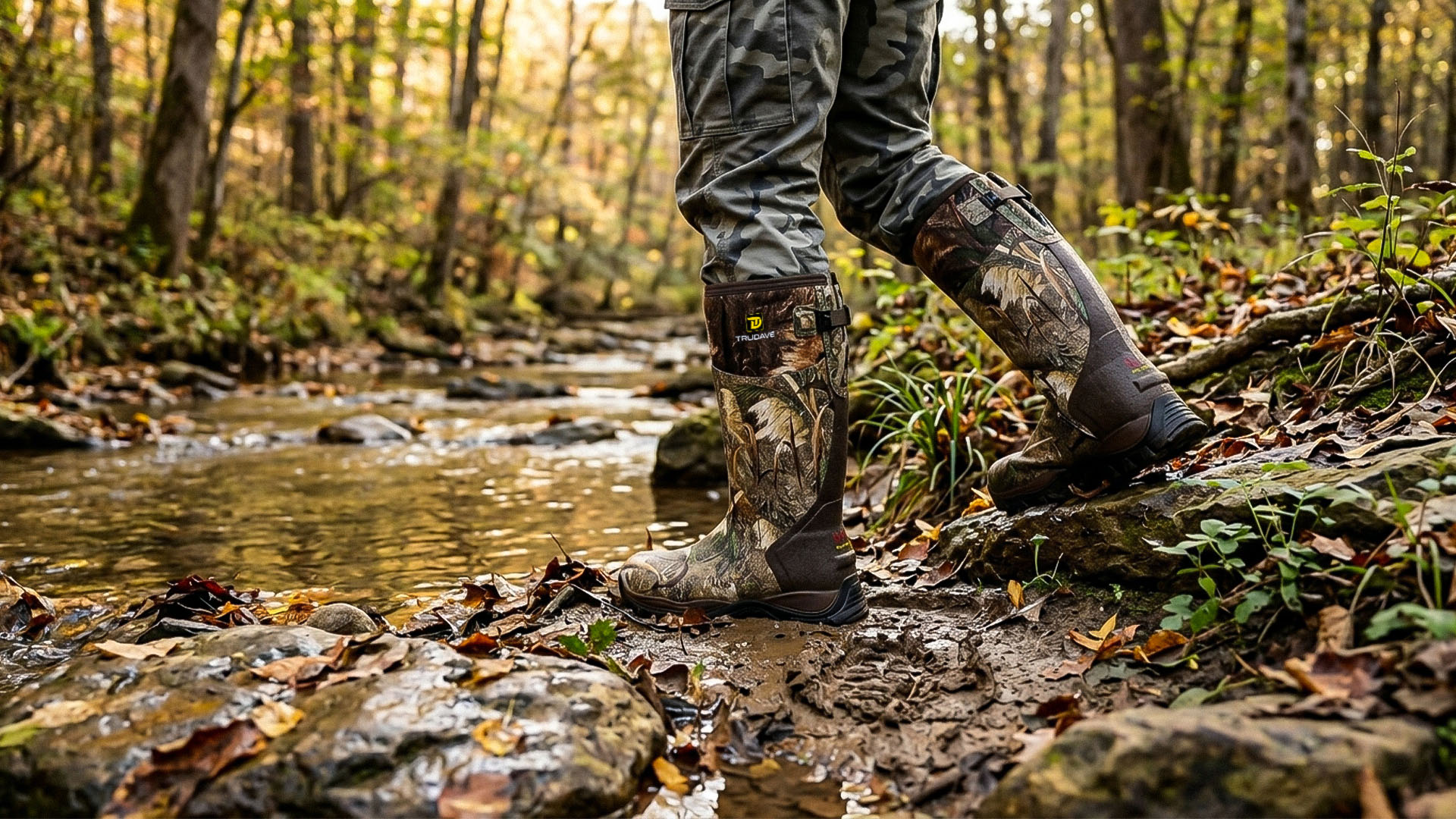
Hunters may benefit from waterproof hunting boots for Southwest quail hunting that provide secure heel retention, dependable traction, and enough protection for rock, cactus, mud, and uneven desert grassland without becoming unnecessarily heavy.
Lightweight Boots Reduce Fatigue
Scaled quail hunting often involves many miles.
Heavy Boots Become Noticeable
especially late in the day.
But Extremely Soft Footwear Can Be a Problem
Southwestern ground can include:
- Sharp rock
- Cactus
- Dry woody stems
Toe Protection Helps
Secure Heel Fit Matters
Constant walking creates blisters when the heel moves.
Moderate Ankle Support Is Useful
Dry washes and hidden holes make footing uneven.
Waterproofing Still Matters in Desert Country
Hunters may encounter:
- Rain
- Mud
- Morning dew
- Seasonal creek crossings
One Rainstorm Can Change Everything
A dry ranch road can become deep mud.
Breathability Matters
Hot conditions make heavily insulated boots uncomfortable.
Avoid Excessive Insulation
unless actual weather requires it.
Moisture-Managing Socks Help
Sweaty feet create friction.
Carry Spare Socks
especially on long hunts.
Gaiters Can Be Useful
They help keep:
- Seeds
- Sand
- Small rocks
out of boots.
Low Gaiters Can Be Enough in Dry Country
depending on terrain.
Tall Rubber Boots Are Usually Not Ideal for Long Dry Hunts
They may work in muddy low ground.
But long Southwestern mileage often favors supportive lace-up boots.
Choose Footwear for the Whole Day
Think about:
- Heat
- Rock
- Sand
- Mud
- Cactus
- Distance
Traction Matters in Arroyos
Loose sand and rock can shift underfoot.
Take Short Steps
Do Not Jump From Arroyo Banks Blindly
The bottom may contain:
- Rock
- Wire
- Cactus
Gravel Slopes Can Roll
Test footing before committing weight.
Wet Clay Is Extremely Slick
after rain.
No Sole Makes Every Surface Safe
route choice still matters.
Agricultural Edges Can Hold Birds
Scaled quail may use:
- Grain edges
- Irrigated margins
- Weedy farm borders
where available.
Food Can Concentrate Coveys
especially near secure grass.
But Clean Fields May Hold Few Birds
Look for:
- Weeds
- Shrubs
- Grass margins
Farm Corners Can Be High-Value Habitat
Equipment often misses them.
Irrigation Can Create Green Pockets
In dry country, a small irrigated edge can be significant.
Private Land Access Is Important
Many good scaled quail landscapes occur on:
- Ranches
- Farms
- Private grasslands
Ask Exactly Where You Can Hunt
Property Boundaries Can Be Hard to See
Open desert does not mean open access.
Use Current Maps
Roads Can Cross Multiple Ownerships
A Bird Crossing a Fence Does Not Create Permission
Discuss Dog Retrieval Before Hunting Boundaries
Dogs do not understand property lines.
Landowner Trust Matters
Leave Gates As Directed
Do Not Block Ranch Roads
Respect Livestock
Cattle may occupy the same water and grassland.
Never shoot toward livestock
Do Not Disturb Water Systems
Public Land Can Offer Good Hunting
Depending on region, scaled quail habitat may occur on:
- State land
- Federal land
- Public wildlife areas
Rules Can Differ
Check:
- Vehicle access
- Camping
- Hunting boundaries
- Fire restrictions
Stay on Authorized Roads
Do Not Drive Cross-Country
sensitive desert soil can be damaged.
Fire Risk Matters
Dry grasslands can burn quickly.
Avoid Parking Over Tall Dry Grass
Hot vehicle components can ignite vegetation.
Follow current fire restrictions
Carry basic fire safety awareness
Weather Can Change Rapidly
Southwestern hunts may begin calm and end with:
- Wind
- Rain
- Dust
- Cold
Carry Layers
Large Temperature Swings Are Common
Morning may be cold.
Afternoon may be warm.
Dress in layers
Sun Protection Is Essential
Use appropriate:
- Hat
- Sunscreen
- Lightweight coverage
Eye Protection Helps
Sun, wind, brush, and dust can all affect comfort.
Dust Can Be Severe
Dry roads and wind reduce visibility.
Do Not Drive Fast in Dust
Another vehicle may be ahead.
Wind Changes Quail Behavior
Strong wind can push coveys toward:
- Arroyos
- Mesquite
- Low ground
- Protected slopes
Leeward Cover Deserves Attention
Wind Also Makes Dog Scenting More Complex
Steady crosswinds can help.
Swirling terrain wind can make birds harder to pin.
Watch the Dog
Calm Conditions Can Make Birds More Difficult to Approach
They may detect sound more easily.
Walk Quietly
Dry grass can be loud
Rain Quietens the Ground
but increases mud.
Winter Weather Can Change Cover Use
Cold wind may concentrate birds around denser shrubs.
Snow Is Possible in Some Scaled Quail Regions
Fresh snow can reveal:
- Tracks
- Feeding patterns
Windblown Ground May Expose Food
But Snow Can Hide Cactus
This makes walking more dangerous.
Never assume a white patch is obstacle-free
Navigation Is Important
Open grassland can look repetitive.
Arroyos Twist Through the Landscape
A hunter can lose sight of the vehicle quickly.
Offline Maps Are Useful
Download:
- Roads
- Water
- Property boundaries
- Terrain
Mark the vehicle
Carry a headlamp
Even if the plan is to finish before dark.
Carry backup power
Cell service can be unreliable
Do not depend entirely on a phone
Remote Country Requires Extra Water
A vehicle problem can turn a short hunt into a long stay.
Keep reserve water in the vehicle
Do not use all drinking water during the outward hunt
Save enough for the return
Positive Identification Matters
Scaled quail habitat may overlap with other quail species depending on region.
Hunters may encounter:
- Bobwhite
- Gambel’s quail
- Montezuma quail
- Other local upland birds
Learn Scaled Quail Features
They have a distinctive:
- Scaled breast pattern
- Gray-blue coloration
- Short crest
Do Not Rely Only on Color
Lighting can change appearance.
Study Males and Females
Fast Flushes Make Identification Difficult
learn species before hunting.
Habitat Is a Clue, Not Proof
If unsure, do not shoot
Regulations Vary by State and Unit
Before hunting, verify current official:
- Season dates
- Daily bag limits
- Possession limits
- License requirements
- Public-land restrictions
- Ammunition rules
Quail Species May Have Different Limits
Do not assume one limit covers all birds.
Some Areas May Have Combined Quail Limits
Check the current regulation.
Do Not Use Last Year’s Rules
Public Areas May Require Additional Permits
Non-Toxic Ammunition Rules May Apply on Some Lands
verify the exact property.
Hunter-Orange Rules May Differ
follow current requirements.
Recovery Can Be Difficult
Scaled quail blend perfectly into:
- Gray grass
- Rock
- Dust
- Mesquite shadow
Watch Every Bird to the Ground
Mark the fall immediately
Use fixed features such as:
- Mesquite tree
- Fence post
- Rock pile
- Arroyo bend
Open country distorts distance
Use two or more landmarks.
Dogs Greatly Improve Recovery
Allow them time to work.
Do Not Trample the Fall Zone Immediately
Without a Dog, Search Methodically
Use:
- Small circles
- Parallel passes
Check Under Shrubs
A bird can disappear beneath very little cover.
Cactus Complicates Recovery
Move carefully.
A Bird Is Not Worth Running Blindly Through Prickly Pear
Ethical Shot Selection Includes Recovery
A bird headed toward:
- Road
- Private property
- Deep cactus
- Unsafe livestock area
may be a poor opportunity.
Warm Weather Requires Game Care
Southwestern quail seasons can include mild or warm days.
Keep Harvested Birds Clean and Cool
Direct Sun Adds Heat Quickly
Carry Appropriate Storage
Do Not Leave Game in a Hot Vehicle
follow current food-safety guidance.
Common Scaled Quail Hunting Mistakes
Expecting Coveys to Hold Like Bobwhites
Scaled quail often run aggressively.
Chasing Directly Behind Running Birds
Use terrain to contain or redirect them.
Ignoring Arroyos
Dry washes can provide travel, shade, and concentrated cover.
Hunting Only Dense Brush
Scaled quail often prefer open grass mixed with shrubs.
Carrying Too Little Water
Dry climate and long walking increase hydration needs.
Wearing Heavy, Hot Boots
Southwestern hunting often rewards lighter supportive footwear.
Letting Dogs Range Too Far Near Roads or Cactus
Open-country hazards can develop quickly.
Assuming Every Southwestern Quail Has the Same Regulations
Always verify the species and jurisdiction.
Frequently Asked Questions
Where do scaled quail usually live?
Scaled quail commonly use Southwestern grasslands, desert grassland, mesquite flats, scrub, dry arroyos, cactus country, and agricultural edges containing a mixture of food and escape cover.
Why are scaled quail called blue quail?
Their gray-blue overall coloration has led many hunters to call them blue quail.
Do scaled quail run before flushing?
Yes. Scaled quail are well known for running ahead of hunters and dogs before eventually flushing, which can make them challenging to hunt.
Are mesquite flats good for scaled quail?
Yes. Scattered mesquite mixed with grass can provide shade, security, feeding habitat, and useful structure.
Are dry arroyos good scaled quail habitat?
They can be excellent because they often contain denser vegetation, cooler conditions, travel cover, and sometimes more moisture than surrounding flats.
Does rain improve scaled quail hunting?
Rain can create green vegetation, insect activity, temporary water, and fresh tracking surfaces, but it can also make ranch roads and clay soils difficult to travel.
What boots are best for scaled quail hunting?
Lightweight waterproof hunting boots with secure heel fit, dependable traction, durable toe protection, and moderate ankle support for rock, sand, cactus country, and long Southwestern walks are practical.
Are rubber boots good for scaled quail hunting?
Rubber boots can be useful in muddy low areas after rain, but long dry grassland hunts usually favor supportive waterproof lace-up boots with better fit and breathability.
Can dogs help hunt scaled quail?
Yes. Dogs can be extremely effective, but scaled quail frequently run, and hunters must carefully manage heat, water, cactus, grass seeds, roads, fencing, and dog range.
Do scaled quail hunting regulations vary?
Yes. Seasons, bag limits, possession limits, licenses, public-land rules, species limits, and ammunition requirements vary by jurisdiction. Hunters should verify current official regulations before hunting.
Final Thoughts
Scaled quail hunting teaches hunters that open country does not mean simple country.
One mesquite patch provides shade.
One arroyo creates a travel corridor.
One grass flat produces food.
One stock tank keeps nearby habitat usable during drought.
One rainstorm changes the entire desert floor.
And one covey can run far enough to make a hunter question whether the birds were ever there at all.
Do not chase blindly.
Read the terrain.
Watch the dog.
Use arroyos and edges.
Find grass close to escape cover.
Carry enough water.
Respect cactus, heat, livestock, ranch roads, fences, and property boundaries.
Wear boots that let you cross dry grass, loose gravel, sandy washes, rocky ground, muddy ranch roads, mesquite flats, cactus country, and miles of Southwestern terrain without making blisters, wet feet, poor traction, or unnecessary weight the reason the hunt ends early.
And when a covey finally erupts from the far side of a mesquite patch after running ahead for several hundred yards, remember the lesson.
Scaled quail do not always wait for the hunter.
They make the hunter solve the landscape first.
