
Northern pintail country often looks simple.
A shallow wetland spreads across open prairie.
Short emergent vegetation breaks up the water.
A harvested grain field sits beside the marsh.
Mud surrounds the low ground.
A few ducks circle high above the landscape.
Then one flock begins to drop.
They stay cautious.
They make another pass.
Several birds slide toward a shallow flooded edge.
A pair lands well away from the densest cattails.
That is classic pintail behavior.
Northern pintails are elegant, wary, highly mobile ducks that often favor habitat where:
- Water is shallow
- Visibility is open
- Food is accessible
- Wetlands connect with agricultural ground
- Disturbance is relatively low
Successful hunters learn that pintails often prefer a different type of wetland than ducks that favor dense timber or thick cattails.
The landscape may appear open.
The habitat choices are still very specific.
Northern Pintails Are Birds of Open Wetlands
Northern pintails commonly use broad open habitats such as:
- Prairie potholes
- Shallow marshes
- Flooded grain fields
- Moist-soil wetlands
- Seasonal ponds
- Open agricultural wetlands
They often appear comfortable in country where they can see long distances.
Visibility Matters
Pintails may avoid extremely enclosed marsh pockets that appeal to other ducks.
Open water mixed with low vegetation can provide:
- Feeding habitat
- Security
- Long sight lines
Think Shallow
Northern pintails often use water that is surprisingly shallow.
Look for:
- Flooded grass
- Mud edges
- Sheet water
- Shallow agricultural flooding
Deep Water Is Not Automatically Better
A large deep marsh may hold ducks.
But pintails may spend more time on a nearby shallow flat.
Water Depth Controls Food Access
Shallow water allows birds to reach:
- Seeds
- Aquatic vegetation
- Invertebrates
- Agricultural food
more efficiently.
Flooded Grain Fields Can Be Excellent
Harvested agricultural ground can become highly attractive when shallow water covers:
- Rice stubble
- Grain residue
- Crop edges
Food and Water Together Create Strong Habitat
A field that offers both can attract repeated use.
But Not Every Flooded Field Is Equal
Differences include:
- Water depth
- Remaining grain
- Disturbance
- Nearby roosting water
Watch Exact Bird Position
Do not record only:
“Pintails in flooded grain.”
Notice whether they are using:
- Field corners
- Shallow levees
- Open centers
- Drainage edges
Slight Elevation Changes Matter
A few inches can determine whether water is:
- Too deep
- Just right
- Exposed mud
Low Corners Often Attract Birds
Runoff and field contour may create preferred feeding areas.
Levees Can Create Dry Resting Spots
Birds may stand along slightly raised strips between flooded sections.
Do Not Assume Levees Are Safe Walking
Mud can be soft on both sides.
Prairie Potholes Can Be Important
Shallow natural wetlands across grassland regions can provide excellent pintail habitat.
Seasonal Wetlands Deserve Attention
Small shallow ponds may hold birds even when larger permanent water nearby looks more impressive.
Wetland Complexes Are More Valuable Than One Pond
Pintails may move among:
- Feeding wetlands
- Resting ponds
- Agricultural fields
throughout the day.
Watch Inter-Wetland Movement
Flight direction can reveal the larger pattern.
Morning Flights Can Be Strong
Birds may leave overnight water and move toward feeding habitat.
Midday Movement Can Still Matter
Pintails often relocate during the day.
Do Not Assume Sunrise Is the Only Good Period
Weather and disturbance can create movement later.
Evening Flights Can Reveal Feeding Patterns
Birds returning toward larger resting water may show where they spent the day.
Wind Strongly Influences Pintail Behavior
Pintails can be especially responsive to wind while approaching open wetlands.
Study Landing Direction
Birds may make long deliberate approaches into the wind.
Crosswinds Can Shift Flight Lines
A small change in direction can make one side of a field much more productive.
Strong Wind Can Lower Birds
But it also increases:
- Cold exposure
- Equipment movement
- Walking difficulty
Calm Days Can Be Hard
Pintails may circle repeatedly.
They have more time to inspect the area.
Concealment Becomes More Important
Reduce:
- Head movement
- Standing
- Bright equipment
Open Habitat Gives Birds Long Visibility
This is one of the biggest challenges.
Low Profile Matters
Use natural cover where available.
Do Not Overbuild the Setup
Large unnatural shapes can stand out in open wetlands.
Mud Flats Can Be Productive
Falling water may expose:
- Seeds
- Invertebrates
- Soft feeding ground
Birds May Feed Along the Water Line
Look for shallow transition zones.
Fresh Mud Can Reveal Use
Tracks and feeding disturbance may confirm current activity.
Rain Can Transform Pintail Habitat
Heavy rainfall may flood:
- Grain stubble
- Low pasture
- Seasonal wetlands
Pintail Hunting After Rain Can Be Excellent
New shallow water often creates fresh feeding opportunities.
Newly Flooded Ground Deserves Immediate Attention
Birds may discover it quickly.
Rising Water Can Also Make Habitat Too Deep
A previously productive spot may lose value.
Rescout After Major Rain
Do not assume yesterday’s water depth remains ideal.
Agricultural Water Management Can Change Conditions Overnight
Managed wetlands may be intentionally:
- Flooded
- Drained
- Refilled
Never Alter Water-Control Structures
Leave:
- Gates
- Boards
- Pumps
- Pipes
alone unless authorized.
Wetland managers control water for habitat and farming
Respect the system.
Pintails Often Prefer Less Disturbed Areas
Heavy hunting pressure can push them toward:
- Remote wetlands
- Private fields
- Larger open water
Pressure Changes Flight Height
Educated birds may fly higher and circle longer.
Current Scouting Matters
A field full of birds three days ago may now be empty.
Do Not Hunt Historical Memories
Hunt today’s birds.
Binoculars Are Extremely Useful
Open wetland landscapes are ideal for glassing.
Use Optics Before Entering
Watch:
- Feeding position
- Species composition
- Flight direction
- Disturbance
Avoid Pushing Birds During Scouting
Observe from distance when possible.
Exact Feeding Location Matters
One flock using the north corner tells you more than knowing which wetland they are on.
Pintails Often Mix With Other Dabbling Ducks
Possible companions include:
- Mallards
- Gadwalls
- Wigeon
- Teal
Mixed Flocks Require Careful Identification
Do not assume every bird in the group is a pintail.
Mature Drakes Are Distinctive
They typically show a long pointed tail and contrasting plumage.
Hens Require More Study
Female pintails have much subtler coloration.
Learn Both Sexes
Do not study only adult drakes.
Low Light Changes Color
Use:
- Body shape
- Neck length
- Tail structure
- Wing pattern
together.
Pintails Have a Slender Appearance
Their profile can look more elongated than many other dabblers.
Flight Style Can Help
But should not replace visual confirmation.
If Unsure, Do Not Shoot
Species-Specific Limits Can Matter
Pintail regulations may be more restrictive than the general duck limit.
Positive Identification Is Legally Important
Know exactly what bird you are targeting.
Open-Water Flight Can Be Fast
Pintails may approach high, drop quickly, and turn sharply.
Stay Ready
But do not rush.
Smooth Shooting Is Safer Than Panicked Shooting
Pick One Bird
If several approach together, choose one clear target.
Do Not Shoot Into the Flock
Low Birds Require Awareness
Never shoot toward:
- Dogs
- Boats
- Partners
- Roads
Flat Wetlands Are Not Backstops
Know what lies beyond.
Agricultural Areas Often Contain Buildings
Possible hazards include:
- Farmhouses
- Barns
- Roads
- Workers
- Livestock
Scout the Entire Background
Flooded Fields Can Hide Equipment
Irrigation structures and farm machinery may sit below the horizon.
Know the property before hunting
Pintail Hunting Is Hard on Footwear
A typical hunt may involve:
- Shallow water
- Sticky mud
- Wet stubble
- Grass
- Levees
- Ditches
- Long equipment carries
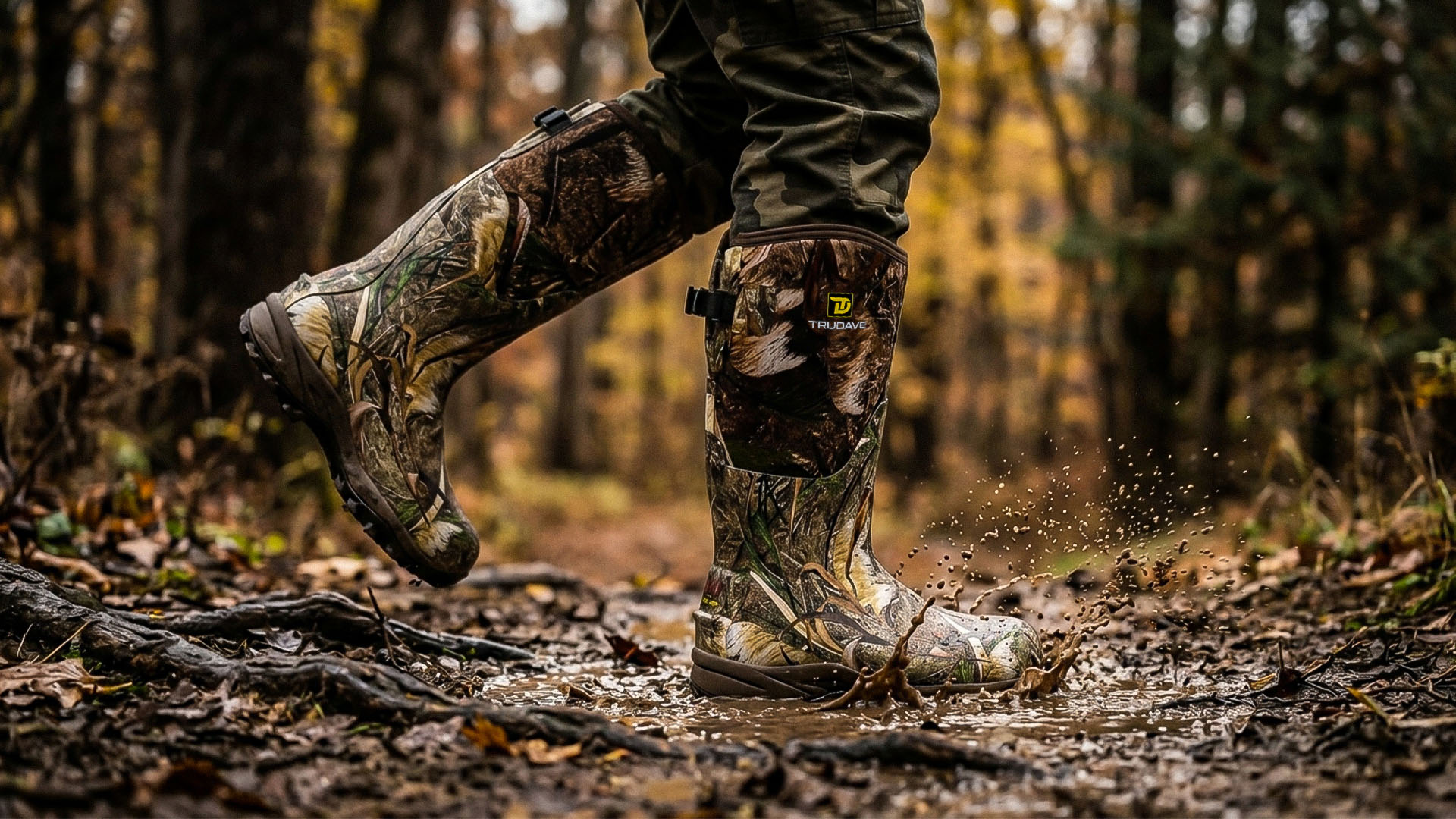
Hunters may benefit from waterproof hunting boots for pintail hunting that provide secure heel retention, dependable mud traction, and enough waterproof protection for repeated movement through flooded agricultural and prairie wetland habitat.
Tall Rubber Boots Can Work Extremely Well
Where water remains below boot height, rubber hunting boots are practical.
They Handle:
- Mud
- Wet grass
- Shallow water
- Flooded stubble
well.
Boot Height Matters
One hidden tractor rut can be much deeper than surrounding water.
Secure Heel Fit Is Critical
Sticky agricultural mud creates strong suction.
Loose Boots Can Nearly Pull Off
Heel Slip Creates Blisters
Especially during long gear carries.
Traction Matters
Mud over hard clay can become extremely slick.
Deep Tread Helps
But mud can fill the grooves.
Clear Soles When Practical
Lace-Up Waterproof Boots Can Be Better on Firmer Access
If the route includes mostly:
- Dikes
- Gravel roads
- Grass
supportive waterproof lace-ups may provide better walking comfort.
Choose Boots for the Entire Route
Consider:
- Parking
- Field access
- Mud
- Water depth
- Temperature
Waders May Be Necessary in Deeper Habitat
Where water regularly exceeds boot height, properly fitted hunting waders may be more appropriate.
Waders Do Not Make Water Safe
They do not remove:
- Deep ditches
- Soft bottom
- Cold-water risk
Use a Wading Belt Properly
Follow manufacturer guidance.
Chest Waders Are Not Flotation Devices
Avoid Unknown Deep Water
Agricultural Ditches Can Be Dangerous
A shallow flooded field may contain a much deeper drainage channel.
Scout crossings in daylight
Grass Can Hide Ditch Banks
Never step blindly.
Culverts May Provide Safer Crossings
Where legal and accessible.
Mud Suction Can Be Exhausting
Move slowly.
Take Short Steps
A Walking Staff Can Help
Use it to test:
- Bottom depth
- Mud firmness
- Hidden ruts
Warm Early-Season Weather Can Be Deceptive
Pintails may migrate through areas still experiencing mild or warm conditions.
Avoid Excessive Insulation
Heavy boots and waders can cause overheating.
Breathable Gear Can Improve Comfort
depending on temperature and water depth.
Cold Late-Season Weather Creates the Opposite Challenge
Open wetlands expose hunters to wind.
Insulation Matters
But activity matters too.
Walking Through Mud Produces Heat
Do not overdress during access.
Sweat Becomes Cold During Long Sits
Vent Before Overheating
Add warm layers after setup.
Carry Spare Socks
A flooded boot can happen quickly.
Store Dry Clothing in Waterproof Bags
Gloves Get Wet Easily
Hunters may handle:
- Decoys
- Muddy stakes
- Birds
- Water-control edges
Carry a Dry Backup Pair
Windproof Layers Matter
Prairie wetlands offer little protection.
Face and Neck Protection Can Improve Comfort
especially late in the season.
Fog Can Create Identification Problems
Open wetlands can develop morning fog.
Do Not Shoot at Unidentified Silhouettes
Navigation Can Become Difficult Too
Flooded fields and marshes may look identical.
Offline Maps Are Useful
Download:
- Property boundaries
- Dikes
- Wetlands
- Access roads
Mark the vehicle
Carry a Headlamp
Most waterfowl hunts begin before daylight.
Scout access routes during daylight
before using them in darkness.
Boats Can Help on Larger Wetlands
Where legal and appropriate, small marsh boats may improve access.
Do Not Overload
Hunters may carry:
- Decoys
- Waders
- Dogs
- Heavy clothing
Weight adds quickly
Wear appropriate flotation equipment
Shallow water still contains deep channels
Hidden mud can strand boats
Know the route.
Wind Can Build Waves
Even inland prairie lakes can become rough.
Monitor current conditions
Boat ramps can become muddy or icy
Walk carefully.
Dogs Can Be Valuable Retrievers
A trained retriever can help recover pintails from:
- Open water
- Flooded grain
- Marsh vegetation
But flooded agricultural habitat creates hazards
Dogs may encounter:
- Deep ditches
- Wire
- Mud
- Sharp stubble
Keep dogs controlled
Do Not Send Dogs Into Unsafe Water
Cold Water Can Chill Dogs
Watch for:
- Shivering
- Reduced strength
- Slower response
Provide a dry resting place
Warm Weather Can Cause Heat Stress
Open fields often provide little shade.
Carry fresh drinking water
Do not depend on marsh water.
Mud Exhausts Dogs Too
Crop Stubble Can Irritate Paws
Check pads regularly.
Wire Can Hide Beneath Water
Know the property layout.
Recovery Starts Before the Shot
Ask:
Can I safely retrieve that bird from where it is likely to fall?
Mark Every Fall
Use fixed features such as:
- Levee corner
- Utility pole
- Cattail patch
- Fence post
Open agricultural ground distorts distance
Use more than one landmark.
Do Not Immediately Look for Another Flock
Watch the bird to the ground.
Wounded Pintails May Swim or Run
Begin recovery promptly.
Dogs Greatly Improve Recovery
But maintain safe awareness of their location.
Without a Dog, Search Systematically
Use:
- Parallel lines
- Expanding circles
Flooded Vegetation Can Hide Birds
Check beneath grass and crop residue.
Wind Can Move Downed Birds
Especially on shallow open water.
Ethical Shot Selection Includes Recovery
If a bird is headed toward:
- Private property
- Deep ditch
- Closed refuge
consider passing.
Private Agricultural Land Requires Permission
Much productive pintail habitat occurs on working farms.
Clarify:
- Parking
- Walking routes
- Vehicle access
- Retrieval
before hunting.
Water Does Not Erase Property Boundaries
One flooded field may touch several ownerships.
A Bird Crossing the Line Does Not Create Access
Plan recovery rules beforehand.
Leave Gates As Directed
Livestock may share surrounding ground.
Do Not Block Farm Roads
Do Not Damage Levees
Agricultural water control depends on them.
Avoid driving across soft fields
unless specifically authorized.
Deep ruts can damage crops and drainage
Landowner trust matters
Public Wetlands Can Be Excellent
Wildlife areas may provide managed shallow-water habitat.
But Public Rules Can Be More Restrictive
Possible rules include:
- Draw systems
- Entry times
- Assigned areas
- Boat restrictions
Check the exact property
Non-Toxic Ammunition Requirements Apply to Waterfowl Hunting
Hunters should verify current legal ammunition rules.
Pintails Are Migratory Game Birds
Before hunting, confirm current official:
- Season dates
- Daily bag limits
- Possession limits
- Pintail-specific limits
- Shooting hours
- License requirements
- Migratory bird requirements
- Public-land restrictions
Pintail Limits May Change From Year to Year
Do not assume last season’s rules still apply.
Species-Specific Restrictions Are Important
A hunter can be within the overall duck limit but still violate a species limit.
Know the current number before hunting
Do Not Use Old Screenshots or Old Regulation Books
Habitat Conservation Matters
Northern pintails depend on healthy wetlands and surrounding upland landscapes.
Seasonal Wetlands Have High Value
Even shallow temporary water can support many birds.
Do Not Drive Through Wetland Habitat
Stay on authorized routes.
Managed Flooding Requires Infrastructure
Do not alter:
- Gates
- Boards
- Pumps
Clean Gear Between Wetlands
Mud and aquatic vegetation can spread invasive species.
Inspect:
- Boots
- Waders
- Boats
- Trailers
Remove vegetation
Drain water where required
Pick Up Spent Hulls
Remove all trash
Leave the wetland cleaner than you found it.
Hunting Pressure Can Change Pintail Behavior
Heavily hunted birds may become extremely cautious.
They May Fly Higher
They May Shift to Larger Open Water
They May Use Private Feeding Fields
Scouting Becomes More Important Later in the Season
Quiet Secondary Wetlands Can Hold Birds
But only if food is available.
Remote Does Not Automatically Mean Productive
Find habitat first
Migration Can Change Numbers Overnight
Pintails are highly mobile.
A Cold Front Can Bring New Birds
Another Weather System Can Move Them Out
Current Bird Numbers Matter More Than Reports From Last Week
Watch Weather and Rescout
Snow Can Change Agricultural Habitat
Deep snow may cover food.
Flooded Grain May Remain Accessible Longer
Windblown Areas Can Expose Seed
Freeze-Up Can Concentrate Birds
Remaining open shallow water becomes more valuable.
But Ice Adds Risk
Never walk on unknown wetland ice.
Vegetation Weakens Ice
Water-control structures can create thin spots
Wildlife tracks do not prove safety
Stay on known routes
Common Northern Pintail Hunting Mistakes
Hunting Water That Is Too Deep
Pintails often favor shallow feeding habitat.
Ignoring Open Visibility
They may prefer more open wetlands than some other ducks.
Scouting Only General Bird Numbers
Exact field position matters.
Ignoring Water-Level Changes
A few inches can change habitat quality.
Wearing Loose Boots in Agricultural Mud
Suction makes poor fit exhausting.
Assuming Waders Make Ditches Safe
They do not.
Misidentifying Hens or Mixed Flocks
Positive identification matters.
Forgetting Pintail-Specific Limits
Always verify current species regulations.
Frequently Asked Questions
Where do northern pintails usually live during migration?
Northern pintails commonly use shallow prairie wetlands, seasonal ponds, flooded grass, moist-soil wetlands, and flooded agricultural fields where food is accessible.
Do pintails prefer shallow water?
They frequently use shallow water because it allows easier access to seeds, aquatic vegetation, and other feeding resources.
Are flooded grain fields good for pintail hunting?
They can be excellent when waste grain remains available and water depth stays shallow enough for efficient feeding.
Does rain affect pintail hunting?
Yes. Rain can create new flooded habitat, change water depth, expose fresh feeding areas, and move birds between wetlands.
What boots are best for pintail hunting?
Waterproof hunting boots with secure heel fit, strong mud traction, and enough height for shallow agricultural water are practical. Tall rubber boots work especially well in flooded fields.
Are waders necessary for pintail hunting?
Not always. Many shallow flooded fields and wetland edges can be hunted in tall waterproof boots, while deeper setups may require properly fitted hunting waders.
Can retrievers help hunt pintails?
Yes. Retrievers can be extremely useful for recovery in flooded grain and marsh vegetation, but deep ditches, mud, wire, cold water, and stubble require careful management.
Do northern pintail hunting regulations vary?
Yes. Season dates, pintail-specific bag limits, possession limits, shooting hours, licensing, ammunition requirements, and public-land rules vary by jurisdiction and year. Hunters should verify current official regulations before hunting.
Final Thoughts
Northern pintail hunting teaches hunters that open wetlands are full of subtle differences.
One field holds more grain.
One low corner stays shallow.
One wetland offers better visibility.
One levee creates a dry edge.
One rainstorm floods completely new habitat.
One cold front brings fresh birds overnight.
From a distance, the country may look uniform.
The pintails notice every difference.
Scout current birds.
Watch exact feeding locations.
Study water depth.
Use the wind.
Respect mud, hidden ditches, dogs, private-property boundaries, and species-specific regulations.
Wear boots that let you cross wet prairie grass, flooded grain stubble, sticky agricultural mud, levees, drainage edges, shallow marsh water, and long open-country access routes without making wet feet, heel slip, or poor traction the reason the hunt ends early.
Use properly fitted waders when water depth actually requires them.
And when a flock of pintails passes over a deep marsh, circles a flooded field twice, and finally drops into one shallow corner where grain remains exposed beneath only a few inches of water, remember the lesson.
They are not choosing the biggest wetland.
They are choosing the exact combination of depth, food, visibility, wind, and security that works for them at that moment.
