
Many hunters approach feral hogs the same way they hunt whitetail deer.
They arrive before sunrise.
They hunt until mid-morning.
Return for the last two hours of daylight.
Then head home.
Sometimes that strategy works.
Often, it doesn’t.
Feral hogs don’t always follow the predictable movement patterns hunters expect from deer. Their activity is influenced by food availability, hunting pressure, temperature, water, and human disturbance. In some areas, hogs become almost completely nocturnal. In others, they feed throughout the day when conditions are favorable.
Hunters who understand why hogs move—not just when they move—often find success while others continue watching empty fields.
Feral Hogs Adapt Faster Than Many Hunters Realize
Wild hogs are among the most adaptable game animals in North America.
Pressure changes them quickly.
If they experience repeated disturbance near feeding areas, they often adjust their schedule.
Travel routes shift.
Feeding times change.
Daylight activity decreases.
Unlike deer, which often follow relatively consistent seasonal patterns, feral hogs can alter behavior within days.
This flexibility is one reason populations continue expanding across much of the United States.
Temperature Influences Daily Movement
Hot weather changes everything.
In southern states, afternoon temperatures can become extreme.
Rather than exposing themselves in open areas, hogs often remain near heavy cover, shaded creek bottoms, or muddy wallows during the hottest part of the day.
As temperatures cool, activity frequently increases.
This doesn’t always mean sunset.
Cloud cover, rain, and cool fronts can encourage earlier movement.
Hunters should monitor weather instead of relying only on the clock.
Water Is More Than a Drinking Source
Hogs depend heavily on water.
Creeks.
Ponds.
Marshes.
Drainage ditches.
Small springs.
These locations provide:
- Drinking water
- Cooling opportunities
- Mud wallows
- Soft soil for rooting
- Thick security cover
Instead of hunting directly over water, study how hogs travel between bedding areas and water sources.
Fresh sign often appears along these routes.
Fresh Rooting Reveals Current Activity
Unlike deer sign that may remain visible for weeks, rooting often tells a more immediate story.
Freshly disturbed soil usually appears darker.
Moist dirt remains loose.
Recently overturned vegetation has not yet dried.
If rooting looks old, continue scouting.
Fresh sign saves time.
Old sign only confirms hogs visited sometime in the past.
Hogs Prefer Thick Cover
Many first-time hog hunters spend too much time watching large open fields.
Hogs often feel more secure inside:
- Thick brush
- Swamp edges
- River bottoms
- Young pine plantations
- Dense creek drainages
- Overgrown pastures
These areas offer protection from predators and human activity.
The biggest boars often avoid unnecessary exposure during daylight.
Rain Can Increase Midday Opportunities
Light rain changes the woods.
Temperatures fall.
Human activity often decreases.
Noise levels drop.
Rooting becomes easier in softened soil.
Many hunters leave the property when rain begins.
Hogs don’t necessarily do the same.
Pay attention to weather transitions rather than avoiding wet conditions altogether.
Sound Travels Differently Around Hogs
Hogs rely heavily on smell, but hearing also plays an important role.
Walking carelessly through dry leaves or snapping branches can alert nearby animals before you ever see them.
Wet conditions sometimes reduce ground noise, allowing quieter approaches.
Move slowly.
Pause often.
Listen before taking the next step.
Wind Is Still Critical
Some hunters underestimate a hog’s sense of smell.
That mistake usually ends the hunt.
Always approach with favorable wind.
Avoid crossing expected travel routes.
Monitor wind changes throughout the hunt.
A large boar may disappear long before becoming visible if it detects human scent.
Bedding Areas Are Often Close to Food
Unlike migratory animals that travel great distances daily, hogs frequently bed relatively close to reliable food.
Oak flats.
Agricultural fields.
Food plots.
Rooting areas.
Wetlands.
Finding this relationship is often more productive than simply hunting where food exists.
Don’t Ignore Public Land
Private ranches receive much of the attention, but many states offer excellent public opportunities.
Study regulations carefully.
Look for:
- Remote drainages
- Creek systems
- Swamp edges
- Recently disturbed soil
- Wallows
- Fresh tracks
Pressure varies significantly between properties.
Sometimes walking another half mile creates a completely different hunting experience.
Boots Matter in Hog Country
Wild hog habitat is rarely dry.
Mud.
Standing water.
Marsh edges.
Flooded timber.
Creek crossings.
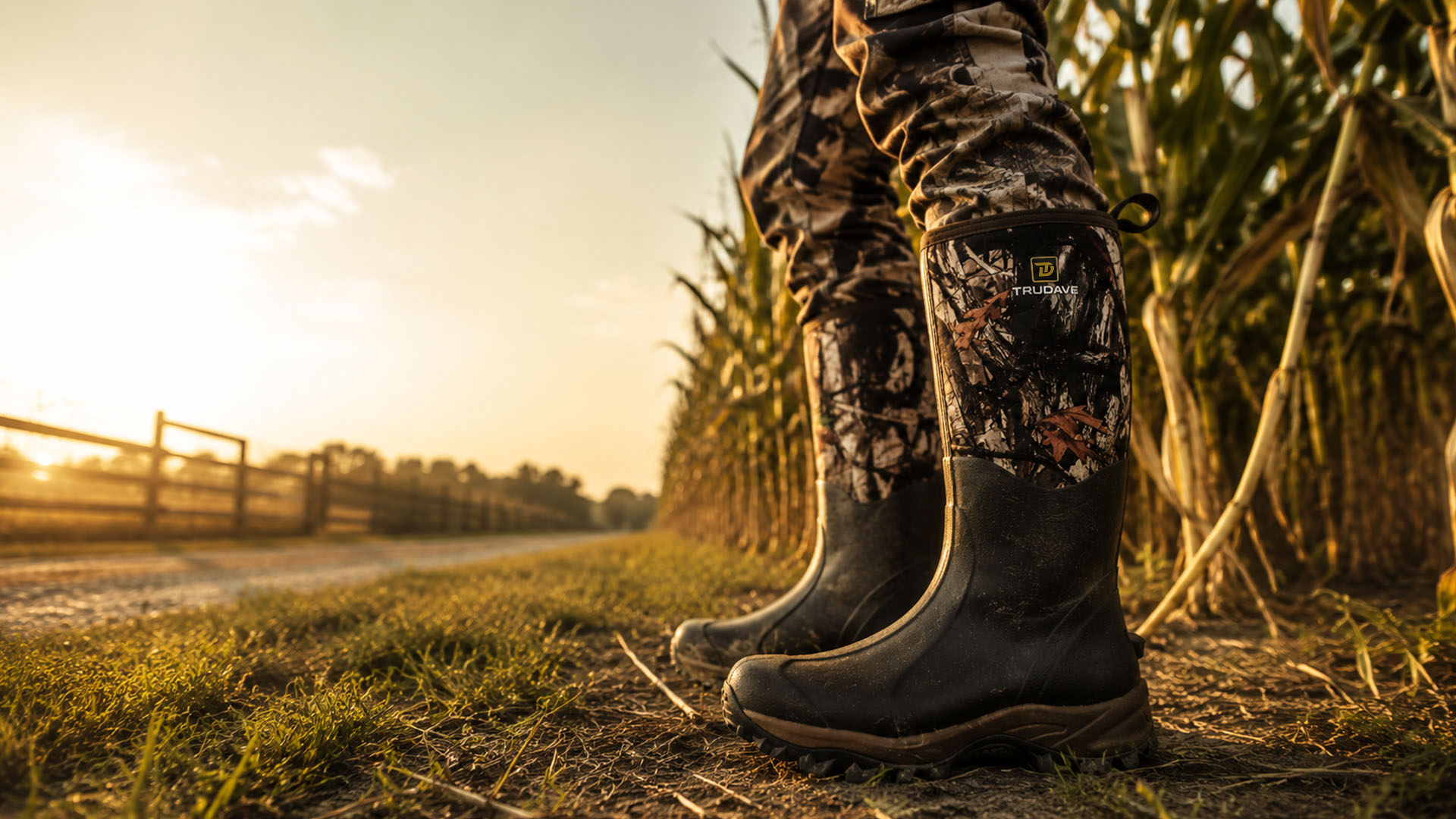
Hunters covering these environments often appreciate waterproof hunting boots for swampy hog hunting terrain that provide dependable traction and all-day comfort during repeated trips through wet ground.
Choosing footwear that matches the terrain allows hunters to stay mobile without constantly worrying about soaked feet.
Learn to Recognize Hog Tracks
Fresh tracks reveal:
- Direction of travel
- Group size
- Relative size of animals
- Recent activity
Large rounded tracks often belong to mature boars.
Multiple overlapping tracks usually indicate family groups.
Combine track observations with rooting and wallows to determine where hogs are spending time now—not last month.
Wallows Are Temporary Clues
A muddy wallow can be productive.
But don’t assume hogs remain there all day.
Wallows often function like rest stops.
Look for connecting trails leading toward food and bedding.
Movement between resources generally offers better hunting opportunities than waiting directly over a single feature.
Midday Scouting Builds Better Evening Hunts
Even if movement slows during the middle of the day, scouting remains valuable.
Locate:
- Fresh rooting
- New tracks
- Rubbed trees
- Bedding cover
- Active trails
Information gathered at noon often leads to better stand placement that evening or the following morning.
Pressure Changes Behavior Quickly
Repeated ATV traffic.
Constant shooting.
Frequent human scent.
Dog hunting.
These factors all influence hog movement.
Areas receiving less disturbance frequently produce more consistent daylight opportunities.
Think beyond food.
Consider how comfortable hogs feel using an area during legal shooting hours.
Common Hog Hunting Mistakes
Hunting Them Exactly Like Deer
Different animals respond differently to pressure.
Ignoring Fresh Rooting
Old sign wastes valuable hunting time.
Sitting Over Open Fields All Day
Many mature hogs remain inside nearby cover.
Forgetting About Wind
Their noses work exceptionally well.
Walking Too Fast
Slow movement reveals more sign and creates fewer opportunities to alert nearby animals.
Overlooking Water Sources
Water shapes daily movement throughout much of the year.
Leaving After the Morning Hunt
Changing weather and reduced pressure can create daytime opportunities.
Frequently Asked Questions
What is the best time of day to hunt feral hogs?
Movement depends on temperature, hunting pressure, food, and weather. Early morning, evening, nighttime where legal, and cool overcast days often produce consistent activity.
Do hogs move during rain?
Light rain and cooler temperatures may encourage movement, especially when softened ground improves rooting conditions.
Where do feral hogs bed during the day?
They commonly seek dense cover near water, swamps, creek bottoms, thick brush, and shaded vegetation.
How do you know if hog sign is fresh?
Fresh rooting appears moist, loose, and recently disturbed. Fresh tracks also show sharp edges before weather and time begin softening them.
Are public lands good for hog hunting?
Many public properties offer productive hog hunting opportunities when hunters locate fresh sign and understand local regulations.
Final Thoughts
Successful hog hunting isn’t about waiting for sunset.
It’s about understanding why hogs choose certain places at certain times.
Food matters.
Water matters.
Pressure matters.
Weather matters.
Fresh sign matters most.
Learn to read rooting.
Study travel routes.
Respect the wind.
Pay attention to changing conditions.
And remember that adaptable animals require adaptable hunters.
The more flexible your approach becomes, the more likely you’ll find feral hogs where—and when—other hunters assume nothing is moving.
