
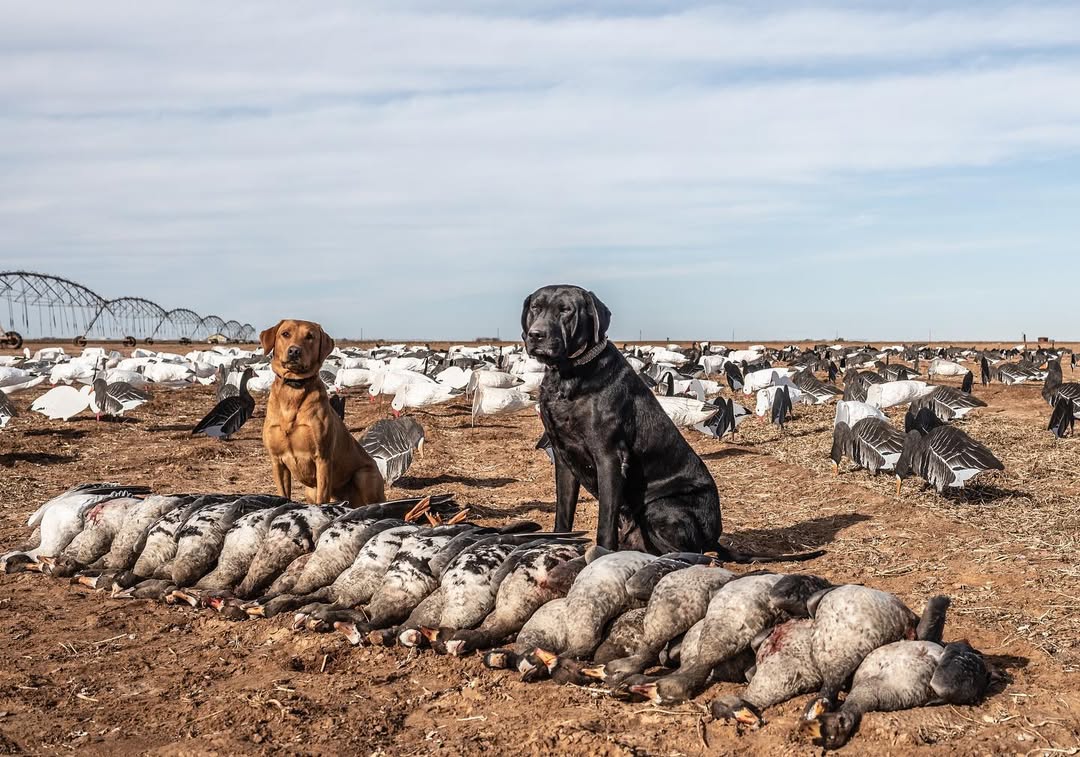
Every waterfowler knows the feeling: the north wind picks up, the temperature drops, the sky turns steel gray—and suddenly, ducks that ignored spreads for days begin to lock, drop, and finish like you painted a landing strip for them. Brutal weather doesn’t just make for gritty hunts; it changes duck behavior in predictable, huntable ways.
Understanding why ducks commit better during north-wind systems gives hunters a massive advantage, especially from December through the deep freeze of January. When the weather gets mean, duck hunters who know how birds respond can turn harsh conditions into the most productive hunts of the season.
This article breaks down exactly why north wind days produce the kind of finishing behavior waterfowlers dream about—and how to set yourself up to capitalize every single time.
Why the North Wind Matters: The Science Behind the Shift
Ducks don’t move randomly. Their behavior is tied to:
- temperature drops
- barometric pressure swings
- wind direction
- food availability
- open-water shrinking
- energy conservation
A north wind signals incoming Arctic air, and that’s a biological trigger—one ducks have evolved to respond to for thousands of years.
Here’s what north winds actually do:
1. They Push Migrating Ducks South
North winds act like a tailwind conveyor belt. Migrating ducks burn far less energy riding a north wind than pushing into a headwind. So when that cold front blows through?
Fresh ducks flood in.
New birds haven’t been pressured by calling, shots, or decoy spreads yet, making them more likely to finish.
2. Cold Air Forces Ducks to Feed Heavily
When temperatures drop fast, ducks need calories—now. They burn massive energy trying to maintain body heat, especially overnight.
The result?
They move early, move often, and respond aggressively to decoys that suggest safe feeding or loafing.
3. Brutal Winds Reduce Their Visibility
Strong winds limit a duck’s ability to study a spread from afar.
That’s good news.
Instead of circling five times like wary late-season mallards normally do, north-wind birds often commit quickly because staying airborne burns energy fast.
4. Rough Weather Pushes Ducks Toward Certain Types of Water
When conditions get harsh, ducks seek places where:
- wind breaks
- ice hasn’t fully formed
- food is accessible
- they can land safely without losing control
This concentrates ducks into predictable water systems—giving north-wind hunters a clear playbook.
Where Ducks Go When Weather Turns Brutal
The key to north-wind success is understanding the type of water that becomes prime habitat when conditions get nasty.
1. Wind-protected coves and backwaters
High winds make landing dangerous on open water, so ducks slide into:
- tucked-away ponds
- creek bends
- marsh pockets
- lee sides of islands
- timber edges
These areas become gold when the north wind howls.
2. Small patches of open water near ice lines
As shallow water freezes, ducks stack in the remaining open pockets because:
- predators are less likely
- landing is easier
- water is warmer than surrounding ice
- food stays accessible
If you can find ice-line openings on a north-wind day, you’re in the money.
3. Feed fields near big roost waters
Severe cold means ducks must feed earlier and sometimes multiple times per day.
Corn, beans, and even winter wheat fields near big water come alive as soon as the front hits.
How North Wind Changes Duck Commitment Behavior
Most hunters notice ducks finishing better in brutal weather—but few understand exactly why.
Here are the big behavioral shifts to exploit:
1. Ducks commit faster
Cold + wind = urgency.
They can’t afford to waste time circling.
2. Ducks drop lower on approach
Wind pushes birds downward. Many come in wing-locked, cupped, and slower, giving hunters the closest shots of the season.
3. Ducks bunch tighter
Feeding groups appear more realistic, which means your decoy spread is more convincing.
4. Ducks follow terrain and wind edges
They’ll ride the wind into your spread if you set it correctly.
Dialing in Your Spread for North-Wind Hunts
Now that we know how birds behave, here’s how to build a spread that pulls them in:
1. Keep decoys tight
Cold-weather ducks cluster close. A wide-open spread looks unnatural.
2. Create obvious landing pockets
A 15–20 yard hole downwind gives ducks a clear runway.
3. Use larger species for visibility
A few oversized mallards or geese work wonders in rough weather.
4. Put motion where the wind hits hardest
In powerful north winds, natural ripples might be enough. But if not, a jerk rig or pulsating decoy adds realism.
5. Keep your hide bulletproof
Ducks fly lower in strong winds.
That means they see everything.
Use:
- brush-over blinds
- snow covers
- back shadows
- head nets
A weak hide ruins more north-wind hunts than calling mistakes ever will.
Calling Strategies for Brutal-Weather Ducks
Wind and cold change how ducks hear and respond to calling.
What works:
- bold hail calls to grab attention through wind
- sharp feeding chatter
- aggressive quacks
- building call sequences that match the wind’s rhythm
What doesn’t:
- soft calling (it disappears in strong wind)
- high frequency squeals
- overly long sequences
Match your calling volume to the wind, and give birds every reason to believe your spread is a safe, energy-saving place to settle.
Why Brutal Weather Is Worth Hunting
It’s easy to stay home when the forecast reads:
- 10°F
- 25 mph north wind
- wind chill near zero
- possible snow
But those are exactly the days when ducks respond best.
When fresh birds fly.
When wary mallards act like early-season dumb ones.
When the tough conditions keep 90% of hunters off the marsh.
Brutal weather doesn’t make hunting harder.
It makes the hunting better—if you understand what ducks are doing and adjust your approach.
Final Take: North Wind Turns Tough Hunts Into Opportunities
The north wind is more than weather—it’s a migration trigger, a feeding driver, and a behavior shifter. Ducks commit harder because the cold forces them to make fast decisions, conserve energy, and find secure landing spots.
If you learn how to read these conditions and set up accordingly, those brutal north-wind days become your highest-odds hunts of the year.
When the front hits, grab your decoys, tighten your blind, brace against the wind, and get ready.
Because when the north wind blows, ducks don’t just work—they finish.
