
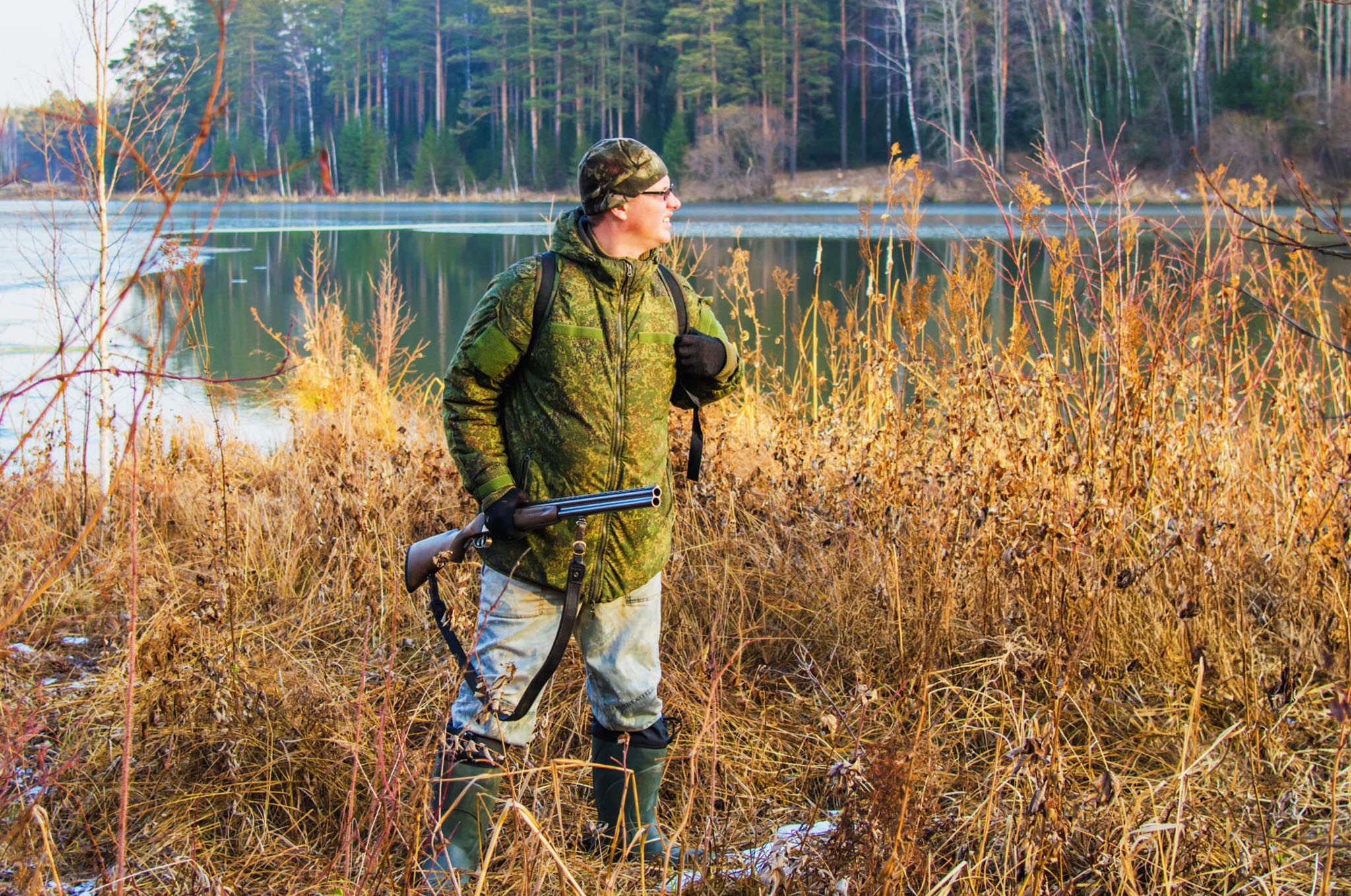
When December rolls in with its biting winds and the first real Arctic blasts of the season, most hunters assume the birds have either moved south or become impossible to pattern. But the truth is far more predictable—and much more exciting. In early winter, ducks begin to pile into certain ponds with unbelievable consistency, turning small pieces of open water into high-traffic hotspots.
And it’s not luck. It’s science, weather, biology, and survival instinct aligning perfectly.
This article breaks down exactly why ducks concentrate on specific ponds during December, how Arctic fronts influence their behavior, and how you can use these patterns to put birds in your lap all season long.
Why Arctic Winds Change Everything for December Ducks
When a true Arctic air mass slips south, it brings:
- Sharp temperature drops
- Sustained, bitter winds
- Rapid ice formation
- A collapse of smaller wetlands
Ducks don’t choose ponds randomly. The first deep freeze divides the landscape into two distinct categories:
Frozen water
and
the few pockets that remain open.
Survival in winter is a game of energy conservation. Ducks must spend the least amount of calories to find the most usable water. As ice spreads across marshes and backwaters, open ponds become magnets for every bird within miles.
The Core Reason Ducks Stack In: Open Water Means Life
Ducks need open water for three primary reasons:
1. They Need Water to Feed
When the tundra winds lock everything in ice, birds lose access to:
- Invertebrates
- Seeds
- Submerged vegetation
- Shallow feeding zones
A pond that stays open—especially near food sources—becomes their safest, warmest, and most consistent option.
2. They Need Water to Roost
Ducks prefer roosting on water at night because it gives them:
- 360° visibility
- Predator protection
- A thermal buffer
- Room to escape
If only three ponds stay open in a five-mile radius, guess where the entire flyway funnels?
3. Moving Water Stays Workable
Ducks simply cannot loaf or feed on ice. Water is survival.
Ponds that resist freezing—thanks to wind exposure, springs, current, or depth—become nature’s last refuge.
Why Only Certain Ponds Stay Open in Deep December
1. Wind-Swept Ponds Resist Ice Buildup
Arctic winds are brutal—but they help keep water open.
The ponds that ducks prefer in December share a common trait:
wind hits them hard enough to prevent ice from forming.
Consistent wave action keeps the surface broken, delaying freeze-up even when temperatures plunge.
Perfect candidates:
- Large, open ponds
- Reservoir corners exposed to north winds
- Bays that funnel wind between tree lines
- Gravel pits with high shoreline exposure
If wind rips across it, ducks will eventually find it.
2. Springs and Groundwater Keep Temperatures Stable
Spring-fed ponds behave differently from shallow marshes.
They maintain:
- Higher baseline water temperature
- Slow, steady movement
- Reduced surface ice
These thermal qualities attract ducks like magnets.
Even tiny groundwater seeps along the bank can create pockets of open water big enough to hold dozens—or hundreds—of birds.
3. Depth Keeps Water Liquid Longer
Shallow marshes freeze fast.
Deeper water slows ice formation significantly.
Ponds with depth gradients (drop-offs, channels, pits) maintain open water far longer than:
- flooded timber
- backwater sloughs
- shallow cattail marshes
When temperatures crash, depth becomes currency—and ducks follow it.
Migratory Instinct + Arctic Blast = Fresh Birds Overnight
December fronts often bring waves of fresh ducks from the north. These birds ride tailwinds until they find food and open water, and they settle fast.
This is why hunters suddenly see:
- big flocks appearing “out of nowhere”
- ducks circling the same pond day after day
- new species mixing together (pintails, mallards, gadwalls)
Migration isn’t slow this time of year—it’s pulsed and powerful.
When fresh birds arrive on frigid wind, they immediately locate the nearest open pond and lock onto it until ice forces them to move again.
How Ducks Use These Ponds Throughout the Day
Morning: Feeding Flights
Birds leave roost ponds just before sunrise to hit surrounding fields. They return to open water once crops freeze over.
Best time to intercept?
First hour of daylight.
Midday: Loafing on Warm Edges
Sunlight warms the shoreline slightly. Ducks love these micro-warm zones for resting.
Afternoon: Staging on Larger Open Ponds
If the nearby marsh is frozen, ducks stage on open ponds before heading out to feed again.
Evening: Roost Returns
When the temperature plummets near sunset, ducks pile into the safest open water they can find.
And the same pond becomes the cycle’s centerpiece.
How to Hunt Ducks When They Stack Into Open Ponds
1. Set Up on the Upwind Edge
Ducks approach into the wind—especially when it’s Arctic cold.
Position yourself so they finish directly in front of you.
2. Use Fewer Decoys, Not More
Stacked ponds draw huge numbers, but pressured ducks get smart.
Use:
- 6–12 mallard decoys
- 1–2 sleepers
- A single confidence goose or pintail
Simplicity wins in frozen conditions.
3. Hide Like It’s the Last Hunt of Your Life
Ice season makes birds skittish.
Blend into:
- cattails
- snow banks
- low brush
- exposed dirt edges
Your concealment is more important than your decoys.
4. Scout Twice as Much as You Hunt
With limited open water, ducks pick patterns fast. Your job is to:
- Glass from distance
- Observe flight times
- Note which pond they actually land in
- Track how wind shifts their roosting pocket
December hunting success is 80% scouting, 20% shooting.
Mistakes Hunters Make on December Open Water
❌ Hunting the wrong pond because it “looks good”
❌ Setting up on the downwind bank
❌ Overcalling pressured ducks
❌ Breaking ice and leaving shine everywhere
❌ Getting too close to the roost
❌ Not accounting for frozen vegetation reducing cover
If you avoid these, you’re already ahead of most hunters.
Final Thoughts: Open Water Is the December Lifeline
When Arctic winds push through in December, ducks follow a simple rule:
Find open water and stay alive.
If you locate the ponds that stay open the longest—wind-swept corners, spring-fed openings, deep holes, and thermal pockets—you’ve found the exact places ducks will stack into day after day.
Pattern those ponds correctly, and December turns into one of the most reliable, action-packed months of the entire waterfowl season.
