
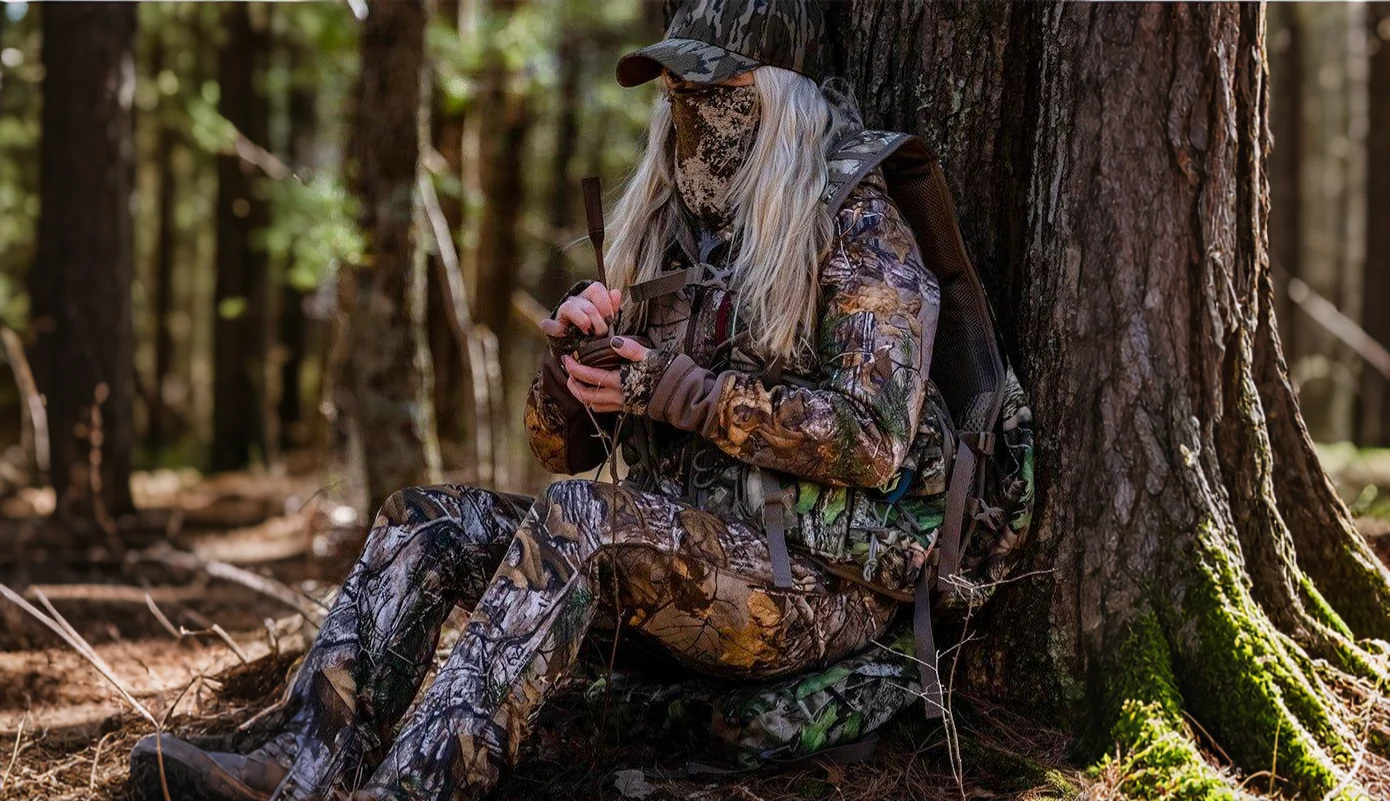
As the leaves turn and the crisp air of autumn settles in, hunters across the country gear up for one of the most exciting times of the year: fall hunting season. Whether you’re chasing whitetails through hardwood ridges, calling in turkeys on frosty mornings, or glassing elk in high country, the right gear can make all the difference. Fall brings unpredictable weather, shifting animal behavior, and longer days in the field—meaning preparation is key.
In this guide, we’ll cover the essential fall hunting gear every outdoorsman needs to stay safe, comfortable, and successful in the woods.
1. Layered Clothing System
Fall weather is notoriously unpredictable—you might start the morning in near-freezing temperatures and finish the afternoon in sunshine. A reliable layering system helps you adapt.
- Base Layer: Moisture-wicking materials like merino wool or synthetic blends keep sweat off your skin.
- Mid Layer: Insulating layers such as fleece or lightweight down trap heat when temps drop.
- Outer Layer: A waterproof, windproof shell protects you from rain and chilly winds.
Look for hunting-specific camo patterns suited for fall landscapes, blending with browns, grays, and faded greens.
2. Quality Hunting Boots
Wet leaves, muddy trails, and frost-covered ground demand footwear that’s waterproof, warm, and built to last. A pair of insulated hunting boots provides comfort during long sits in a stand or miles of tracking.
Features to prioritize:
- Waterproof membranes like Gore-Tex or neoprene.
- Aggressive traction to handle mud and slick surfaces.
- Proper insulation (400–800 grams) for chilly mornings without overheating mid-day.
3. Scent Control Essentials
As deer and other big game grow wary in fall, scent control becomes a critical part of your gear list. Bucks especially rely on their noses to detect danger.
- Scent-free detergent and sprays to wash and treat clothing.
- Carbon-lined or ozone scent bags for storing gear.
- Field wipes and scent-eliminating body wash to reduce odor in the field.
Maintaining strict scent discipline can mean the difference between a close encounter and a deer blowing out of range.
4. Reliable Optics
Whether you’re hunting open country or thick woods, quality optics give you an advantage.
- Binoculars: Essential for glassing fields, ridges, or timber edges.
- Rangefinder: Ensures accurate shot placement, especially when elevation changes impact distance.
- Spotting Scope: Useful for elk, mule deer, or western hunts where long-range observation is necessary.
5. Tree Stand or Ground Blind Gear
For whitetail hunters, stands and blinds are central to success. Having the right gear ensures comfort and stealth.
- Safety Harness: Non-negotiable when using tree stands.
- Comfortable seat cushion or blind chair: Makes long sits manageable.
- Shooting rest or bow holder: Keeps your weapon steady and within easy reach.
6. Calls and Lures
Early to mid-fall is when calling can start producing results. Bucks respond to light grunts, turkeys may answer clucks, and predators can be lured in with distress calls.
- Deer calls: Grunt tubes and bleat cans for pre-rut setups.
- Turkey calls: Slate, diaphragm, or box calls for fall flocks.
- Scents and lures: Doe urine or mock scrapes can bring bucks into shooting lanes.
7. Field Dressing Kit
If your hunt ends successfully, you’ll need the right tools to process game quickly and cleanly.
- Sharp hunting knife or replaceable-blade knife.
- Compact bone saw for larger game.
- Gloves for hygiene and safety.
- Lightweight game bags to protect meat during transport.
8. Navigation and Safety Gear
Fall days grow shorter, and it’s easy to lose daylight faster than expected. Hunters should always pack essentials for navigation and emergencies.
- GPS device or reliable hunting app.
- Headlamp with extra batteries.
- Compass and paper map as a backup.
- First aid kit and fire starter.
Staying safe is just as important as filling the freezer.
9. Backpack or Gear Pack
All this gear needs a home. A sturdy hunting pack keeps everything organized and accessible.
- Choose a pack with multiple compartments for separating calls, optics, and food.
- Look for hydration bladder compatibility for long hikes.
- Ensure comfort with padded straps and waist support.
10. Seasonal Extras
Depending on where you hunt, a few extra items can round out your kit:
- Hand warmers: For frosty mornings.
- Rain gear: Lightweight ponchos or packable jackets.
- Extra socks and gloves: Wet gear can ruin a hunt.
- Portable seat or pad: Keeps you dry on damp ground.
Final Thoughts
Fall hunting is a season of transition—animals shift their patterns, temperatures fluctuate, and the landscape itself changes almost daily. Having the right gear ensures you can adapt to these conditions while staying safe and maximizing your chances of success.
From layered clothing systems to scent control tools and reliable optics, these essentials form the backbone of a successful fall hunt. The outdoors always has surprises in store, but with smart preparation, you’ll be ready for whatever autumn throws your way.
