
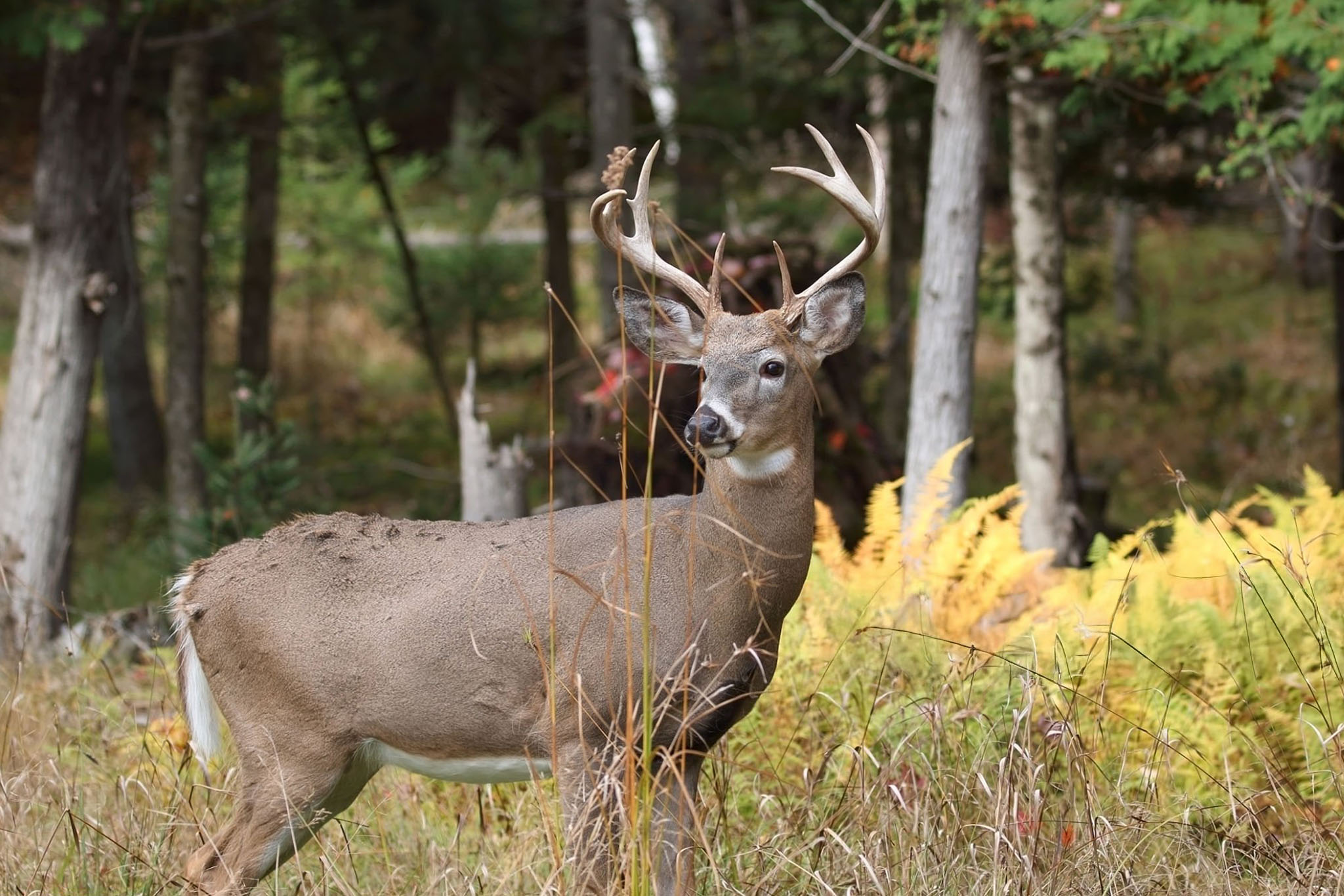
When September mornings turn crisp and the first leaves begin to fall, whitetail hunters know it’s time to shift gears. Early fall deer hunts can be some of the most rewarding of the season, especially if you’re focused on tracking bucks before the rut begins. While peak rutting activity draws plenty of attention later in the season, hunters who understand pre-rut patterns often get the first crack at mature bucks.
In this guide, we’ll break down how to read deer movement in early fall, which habitats to scout, and the tactics that can help you tag a buck before rut frenzy changes everything.
Why Early Fall Hunting Matters
The weeks leading up to the rut are unique. Bucks aren’t yet consumed by chasing does, which means their behavior is far more predictable. They move on a routine: bedding, feeding, watering, and then back to cover. For hunters, this provides a window of opportunity to pattern deer more effectively.
Unlike during the rut, bucks in early fall are still cautious, making scouting and stealth critical. If you can pinpoint their travel corridors now, you’ll be ahead of the game when other hunters flood the woods later in the season.
Scouting for Early Fall Bucks
1. Food Sources Are King
Acorns, soft mast (like persimmons and apples), and agricultural fields are magnets for deer in early fall. Mature bucks will often stage in thick cover nearby before stepping into open fields at dusk. Locate feeding areas and track trails leading in and out to find likely ambush spots.
2. Bedding Areas
During early fall, bucks often bed close to food sources to conserve energy. Look for thick brush, cedar thickets, or tall grasses near food plots and hardwood ridges. Identifying these bedding areas is crucial to intercepting deer along their travel routes.
3. Water and Heat Relief
Early fall can still bring warm afternoons. Streams, ponds, and shaded creek bottoms are prime hangouts. Bucks may head for water before or after feeding, giving hunters an additional chance to catch them moving.
Tactics for Success
1. Tree Stand Placement
Early fall hunts are often won or lost by stand location. Position yourself along entry and exit trails, but avoid placing stands directly on a food source. Bucks are more cautious in open areas and may hang back until after shooting light.
2. Ground Blinds for Stealth
If you’re hunting agricultural edges, ground blinds brushed into natural cover can help conceal your outline. Set them in advance so deer become accustomed to the structure.
3. Minimal Calling and Scent Control
Unlike during the rut, aggressive calling or scent strategies don’t work well this time of year. Instead, focus on staying quiet, controlling your scent, and letting the deer’s natural patterns play out.
4. Evening Hunts Are Prime
Morning hunts can be tricky in early fall, as deer may already be back in their beds by first light. Evening sits near feeding areas are often the best bet, giving you a chance to intercept bucks moving at dusk.
Reading Early Fall Buck Behavior
One of the key elements of early fall deer hunting is understanding subtle signs:
- Fresh Rubs: Bucks begin to shed velvet and polish their antlers, leaving rubs that indicate core areas.
- Scrapes: While not as active as peak rut scrapes, early signs of scraping activity can mark territory.
- Travel Trails: Pay attention to well-worn paths connecting bedding, feeding, and watering areas.
Gear Considerations
- Lightweight Clothing: Early fall can mean chilly mornings and warm afternoons, so dress in layers.
- Scent-Free Boots: Bucks are extremely cautious; rubber boots or hunting boots designed for scent control help reduce your footprint.
- Trail Cameras: Place them on entry routes to food sources and bedding edges to monitor buck movement without constant intrusion.
Final Thoughts
Early fall deer hunts are about patience, preparation, and precision. By learning how to track bucks before the rut, you put yourself in position to capitalize when their patterns are still predictable. Focus on food sources, scout bedding cover, and hunt smart along travel routes. If done right, you’ll beat the crowds and may find your trophy buck long before rut madness begins.
