
Fall is a special season for hunters. The forests are alive with deer on the move, turkeys flocking together, and small game preparing for winter. But while scouting, stand placement, and scent control play big roles in success, the choice of weapon often determines not only the outcome of the hunt but also the type of experience you’ll have in the field.
From traditional archery setups to modern firearms, fall offers hunters a wide spectrum of options. Deciding whether to carry a bow or a rifle—and which specific setup fits your quarry—requires careful thought. This guide explores the pros, cons, and practical applications of bows, crossbows, shotguns, and rifles so you can match the right weapon to your fall game.
Bowhunting: Tradition Meets Stealth
Bowhunting is as much about patience and discipline as it is about skill. Fall archery seasons often open earlier than rifle seasons, giving bowhunters a chance at less-pressured deer.
Advantages of Bowhunting
- Longer Season Access: Many states open bow seasons weeks before gun season, offering more hunting opportunities.
- Closer Encounters: Success requires getting within 20–40 yards, making for thrilling, up-close experiences.
- Quiet and Stealthy: A properly tuned bow is nearly silent, helping you avoid spooking game in pressured areas.
Drawbacks
- Steep Learning Curve: Accuracy takes time and practice, especially under hunting conditions.
- Limited Range: Ethical shots are typically under 40 yards.
- Gear Dependence: Broadhead choice, arrow weight, and tuning matter as much as the bow itself.
Best Targets for Bows in Fall
- Whitetail deer: Classic early season quarry.
- Elk: Archery elk hunts are legendary in September.
- Turkey: Challenging but rewarding with the right broadheads.
Crossbows: Bridging the Gap
Crossbows offer the stealth of archery with an easier learning curve. In many states, regulations now allow crossbows during archery season, making them an accessible choice.
Advantages of Crossbows
- Ease of Use: Less physical demand compared to drawing a traditional bow.
- Accuracy: With a scope and trigger, crossbows mimic the feel of shooting a firearm.
- Extended Access: Like bows, they often fall under archery season dates.
Drawbacks
- Weight and Bulk: Heavier and less maneuverable than compound bows.
- Range Still Limited: Typically effective to about 40–50 yards.
Best Targets for Crossbows in Fall
- Deer and bear: Excellent option for treestand or blind hunters.
- Turkey: Allows precision at short range with less motion.
Shotguns: Versatility in the Field
When it comes to flexibility, few weapons rival the shotgun. From chasing flocks of fall turkeys to busting through brush for rabbits, a shotgun adapts to countless scenarios.
Advantages of Shotguns
- Close to Mid-Range Effectiveness: Great for wooded terrain where long rifle shots aren’t possible.
- Ammo Variety: Slugs for deer, buckshot for predators, birdshot for turkey or upland birds.
- Accessibility: Shotguns are widely available and often more affordable.
Drawbacks
- Range Limitations: Slugs max out around 100 yards, much shorter than rifles.
- Recoil: Heavy loads can be punishing without proper fit or shooting form.
Best Targets for Shotguns in Fall
- Wild turkey: A fall staple for shotgun hunters.
- Upland birds: Pheasant, grouse, and quail thrive in autumn cover.
- Deer in shotgun-only states: Effective with rifled barrels and modern slugs.
Rifles: Precision and Power
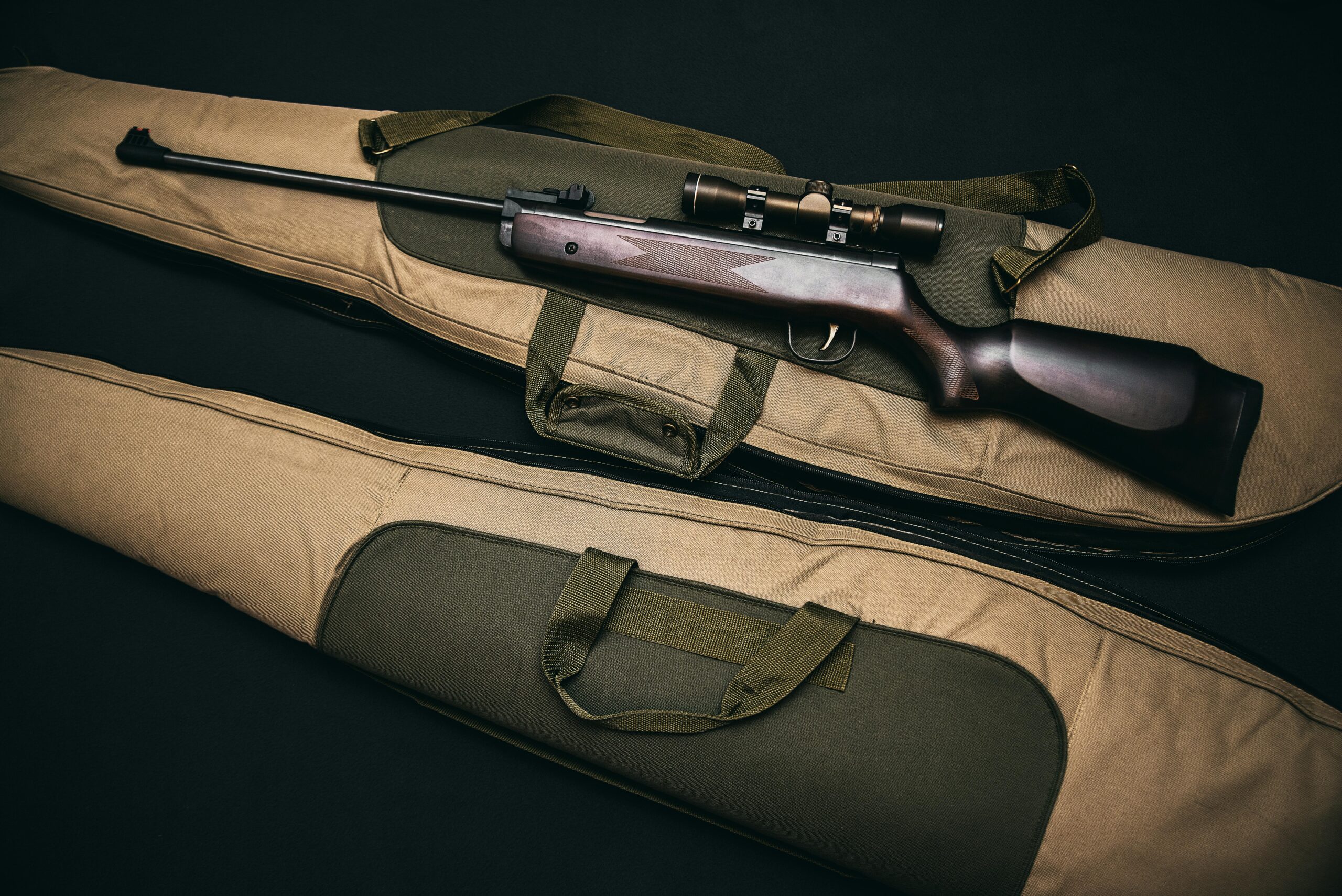
Rifles dominate most late fall big-game seasons. They combine reach, stopping power, and accuracy—making them the weapon of choice for hunters pursuing deer, elk, and other large animals.
Advantages of Rifles
- Long Range: Capable of accurate shots well beyond 200 yards with the right setup.
- Stopping Power: Essential for large game like elk or black bear.
- Variety of Calibers: From .243 for deer to .30-06 or .300 Win Mag for elk and moose.
Drawbacks
- Noise: Rifle shots can spook game across large areas.
- Season Restrictions: Often shorter, highly regulated seasons compared to archery.
- Weight and Bulk: Some big-game rifles can be heavy to carry in steep terrain.
Best Targets for Rifles in Fall
- Whitetail and mule deer: Peak hunting happens during rifle seasons.
- Elk and moose: The rifle’s power and reach shine in open country.
- Predators: Coyotes and wolves at longer ranges.
Factors to Consider When Choosing Your Weapon
1. Game Species
Match the weapon to the animal. A bow offers intimacy for deer or turkey, while a rifle delivers ethical shots on elk across a canyon.
2. Hunting Terrain
- Dense woods? A shotgun or bow may be better.
- Open plains or high country? A rifle shines.
3. Season Dates and Regulations
Every state sets different rules. Archery hunters may enjoy longer seasons, while rifle hunters often wait until peak rut.
4. Personal Skill and Preference
Some hunters thrive on the challenge of bowhunting; others prefer the precision of a scoped rifle. Choose the method that makes the hunt meaningful for you.
Final Thoughts
The decision between bows, crossbows, shotguns, and rifles isn’t just about range or firepower—it’s about crafting the type of hunting experience you want. Fall provides opportunities for every weapon, from the quiet challenge of archery to the power and reach of rifles.
Whether you’re stalking deer in early September with a bow or glassing elk ridges in November with a rifle, the right weapon ensures your hunt is both ethical and rewarding. Ultimately, the best choice is the one that aligns with your skills, your quarry, and your vision of the hunt.
