
Introduction: When Every Step Hurts
The alarm goes off at 4 a.m. The thermos is filled, the bow case is in the truck, and the stand is waiting an hour’s walk into public ground. But before you even lace up, a familiar dread creeps in—not about the hunt, but about your feet. Plantar fasciitis that stabs through your heel with the first step out of bed. Bunions that throb inside stiff leather boots. Arthritis that turns a cold morning sit into an endurance test. For millions of hunters, foot pain isn’t a minor nuisance; it’s the reason trips get cut short, stands get left un-hung, and freezer tags go unfilled.
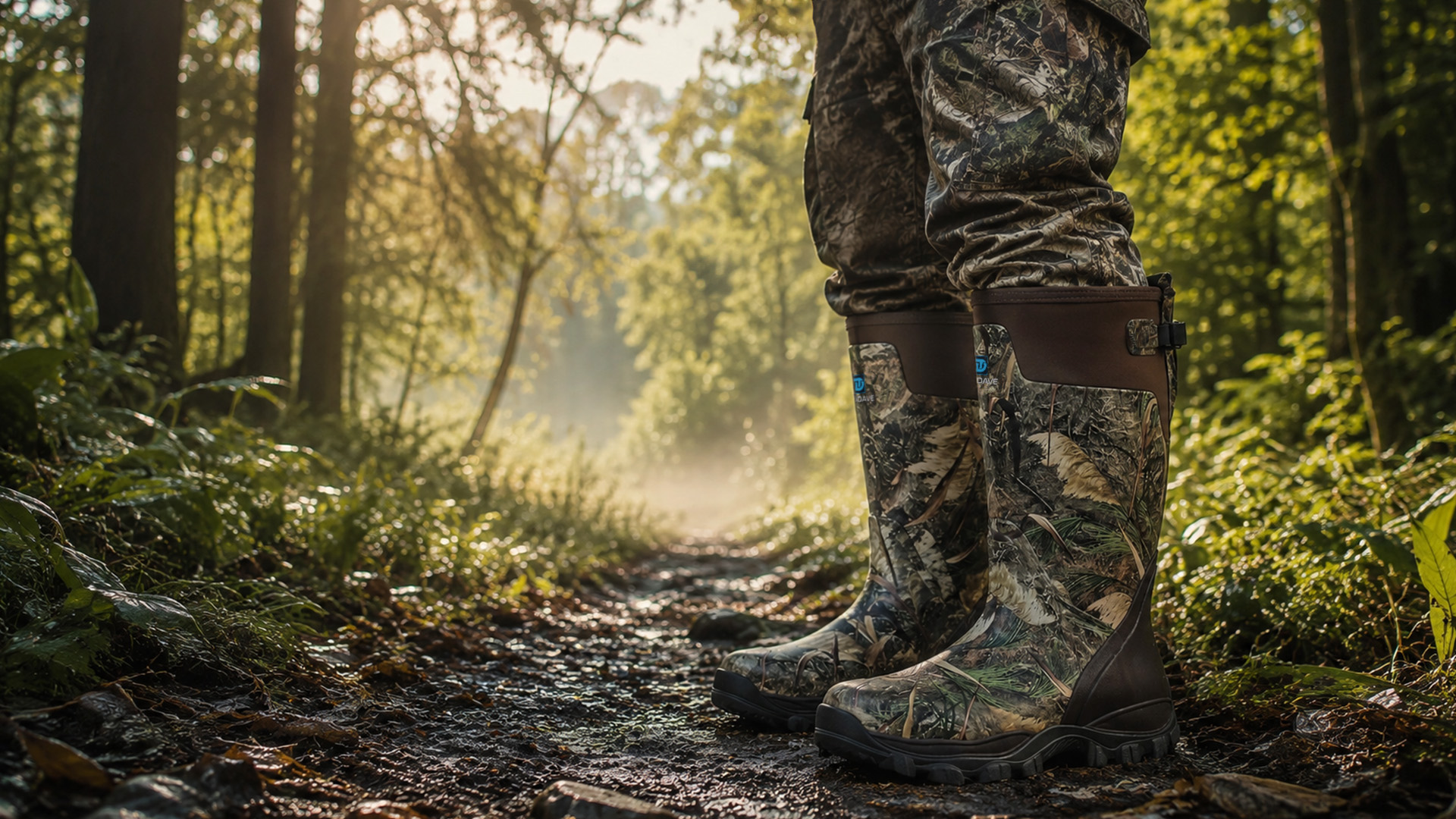
You don’t have to choose between your passion and your pain. Trudave Gear’s hunting boots—the WildGuard, TrailGuard, and DryFlow—aren’t built in a podiatrist’s office, but they share a surprising number of features with what foot-health experts recommend. A naturally roomy toe box. Flexible, non-binding uppers made of insulating neoprene. Zero steel shanks that cut weight and eliminate harsh pressure points. Removable EVA insoles that welcome custom orthotics. And a level of cushioning that absorbs the shock of miles of ridgeline and frozen dirt.
This guide is for the hunter whose feet hurt. Whether you’re managing plantar fasciitis, arthritis, bunions, or diabetic foot concerns, you’ll find a Trudave boot that can keep you in the field longer—and in less pain. We’ll walk through the specific features that make these boots different, how to match the right model to your condition, and how to customize the fit with insoles and socks for your best day on the mountain, in the marsh, or up a tree.
1. Why Foot Pain and Hunting Boots Often Clash
Most hunting boots are built for the mythical “average” foot—a foot that almost nobody has. Stiff, heavy leather uppers pinch narrow toe boxes. Rigid steel shanks concentrate pressure under the arch. Flat, glued-in insoles provide zero cushioning or support. For a hunter already dealing with chronic foot pain, these designs don’t just fail to help—they actively make things worse. Pain alters your gait, throws off your balance on uneven terrain, and makes you fidget in the stand, spooking game.
Trudave takes a different approach. Every hunting boot in the lineup is built around a few core principles: flexibility, cushioning, and customizability. The vulcanized natural rubber shell is tough but supple. The midsole is EVA (ethylene-vinyl acetate) foam—lightweight, shock-absorbing, and never a steel shank. The insole is removable, so you can replace it with one that matches your arch and pressure points. The toe box is generously rounded, letting your forefoot spread naturally.
These are not medical devices. But for the hunter who has been told to “just tough it out,” they’re a revelation.
2. The Big Three: Matching Your Condition to the Right Boot
Different foot problems demand different things from a boot. Here’s how the Trudave lineup lines up with three of the most common issues.
Plantar Fasciitis
The sharp, stabbing heel pain of plantar fasciitis is caused by inflammation of the tissue band running along the sole of the foot. It’s aggravated by impact, by standing for long hours on hard ground, and by inadequate arch support. The right boot needs a deep, cushioned heel cup to absorb shock and cradle the heel, plus firm arch support to keep the plantar fascia in a relaxed, neutral position.
Best Trudave Match: The TrailGuard is the stand hunter’s choice here. Its thick EVA midsole and fleece-lined 5mm neoprene upper provide substantial cushioning without a rigid shank. The removable insole is the key—swap in Trudave’s own ToughCush Comfort Insole, which has a deep heel cup and pronounced arch support, or use a custom orthotic prescribed by your podiatrist. The TrailGuard’s generous interior volume easily accommodates a thicker orthotic without squeezing your foot. For spot-and-stalk hunters, the lighter WildGuard offers the same arch- and heel-friendly insole compatibility with a breathable liner that prevents the sweat buildup that can lead to blisters on already tender feet.
Arthritis and Bunions
Arthritis in the toe joints and painful bunions demand one thing above all else: space. A boot with a narrow, pointed toe box forces the toes together, creating constant pressure and pain. The solution is a wide, rounded toe box that lets the forefoot spread, combined with a flexible upper that doesn’t fight the foot’s natural shape.
Best Trudave Match: The WildGuard and TrailGuard both feature a roomy, anatomical toe box that is a world apart from the cramped interiors of traditional leather boots. The neoprene upper is soft and forgiving, stretching slightly to accommodate bunions and hammertoes without rubbing. The pull-on design eliminates laces, which is a blessing for hunters whose arthritic hands struggle with fine motor tasks in the cold. The DryFlow, with its industrial-grade rubber upper, is slightly less flexible than the neoprene models, but still provides the wide fit and zero-shank comfort that sensitive feet need.
Flat Feet and Overpronation
Flat arches collapse inward with every step, straining the posterior tibial tendon and causing fatigue and pain. A flat-footed hunter needs a boot with a moderate, semi-rigid arch support that prevents overpronation without creating a painful pressure point.
Best Trudave Match: Any Trudave hunting boot can be adapted for flat feet, thanks to the removable insole. Remove the stock EVA insole and replace it with an aftermarket insole designed for low arches. Look for one with a firm but not aggressive arch contour and plenty of heel cushioning. The WildGuard and TrailGuard offer the most interior volume for a thicker orthotic, while the DryFlow works well with a lower-volume flat-foot insole. Because Trudave boots lack a steel shank, the midsole flexes with the foot, reducing the leverage that rigid boots apply to an overpronating arch.
3. Customizing the Fit: Insoles, Socks, and Simple Adjustments
A Trudave boot is a platform, not a fixed fit. The removable insole is your most powerful customization tool. Start with the stock EVA insole. If you need more arch support, try the ToughCush Comfort Insole, which adds a deeper heel cup, a more pronounced arch, and a shock-absorbing pad. For medical-grade correction, drop in your custom orthotic—the boot’s volume is designed to handle it.
Socks are the second layer of defense. Avoid cotton entirely—it traps moisture, collapses, and causes friction. Choose merino wool for its natural wicking and cushioning. For sensitive feet, look for socks with flat, seamless toe closures to prevent rubbing. A heavyweight sock can add volume and padding for a roomy boot; a lightweight sock can free up space if the boot feels snug with an orthotic.
A final, inexpensive fix: adhesive heel grips applied to the inside of the boot shaft can eliminate the heel slip that causes blisters and forces the toes to grip. For the hunter with bunions or hammertoes, a small toe sleeve or gel pad worn inside the sock can prevent direct rubbing against the boot upper.
4. Real Hunters, Real Relief
The best evidence comes from the field. A bowhunter in Ohio with plantar fasciitis switched to the WildGuard and replaced the stock insole with a ToughCush. “I used to limp back to the truck after a morning sit,” he said. “Now I can stay on stand all day during the rut and walk out with my feet tired but not in agony. The heel cup in that insole makes all the difference.”
A Wisconsin rifle hunter with arthritis chose the TrailGuard for its pull-on design and roomy toe box. “I can’t tie laces in the cold anymore,” she said. “These boots slide on easily, and my toes have room to move. I don’t finish the day with throbbing feet like I did in my old leather boots.”
A Colorado elk hunter with flat feet uses the DryFlow with a custom orthotic during archery season. “The zero-shank construction is a game-changer for me. My arches don’t fight the boot, and I can cover ten miles a day without my feet cramping.”
These are not miracle cures. But they are real improvements—a direct result of a boot built with generous room, flexible materials, and a removable footbed that puts the hunter in control of the fit.
5. The Diabetes Consideration: Safety and Sensation
Hunters with diabetes face additional risks. Neuropathy can dull sensation in the feet, making it harder to detect a developing blister or pressure sore. Poor circulation slows healing. A boot must be seamless, non-abrasive, and protective, with no internal ridges or rough seams that could cause skin breakdown.
Trudave’s vulcanized construction means the boot interior is smooth and seamless, with no abrasive stitching. The neoprene uppers on the WildGuard and TrailGuard are soft and conforming, minimizing friction. The roomy toe box prevents crowding that can lead to unnoticed sores. And because the insole is removable, a hunter can insert a diabetic-specific insole with extra cushioning and a pressure-distributing design.
Always consult a podiatrist before choosing hunting boots if you have diabetes. But as a foundation, the TrailGuard and WildGuard offer many of the protective features that diabetic foot care demands: smooth, seamless interiors; cushioning; and room for therapeutic inserts. Regular foot checks at camp are still essential, but the right boot can help prevent problems before they start.
6. Post-Hunt Care for Tired Feet
A foot-friendly boot deserves foot-friendly care. Remove the insoles after every hunt and let them air dry to prevent bacteria buildup. If you’ve been walking in mud or snow, rinse the boots and dry them at room temperature—never with heat. Inspect your feet after every hunt, especially if you have reduced sensation. A small hot spot caught early can be treated with moleskin; ignored, it becomes a wound.
Replace your insoles when they lose their cushioning—usually after a season of hard use. A flattened insole no longer supports your arch or absorbs shock, even if the boot looks fine. Trudave’s ToughCush insoles are an affordable, drop-in upgrade that can extend the comfort life of your boots significantly.
Conclusion: Don’t Let Your Feet Limit Your Hunt
Foot pain doesn’t have to be the price of admission to the woods. The right hunting boot—one with a roomy toe box, a cushioned and supportive midsole, a removable insole, and a flexible, non-binding upper—can make the difference between a hunt you endure and a hunt you savor. Trudave Gear’s WildGuard, TrailGuard, and DryFlow boots are built with these principles in mind, and they’re backed by a direct-to-consumer model that puts premium materials within reach of working hunters.
Match the boot to your condition. Customize the fit with the right insole and sock. And then let your feet disappear from your awareness, so you can focus on the buck, the gobbler, or the bull of a lifetime.
To explore the complete Trudave Gear hunting boot lineup and find the right pair for your feet, visit trudavegear.com.
