
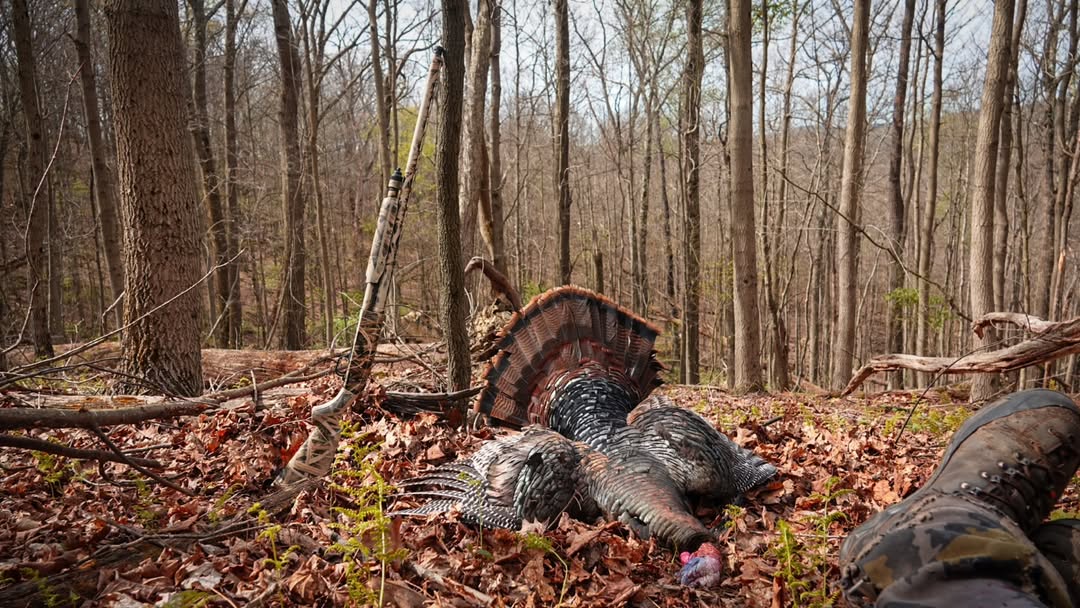
Late spring is a transformative time in North America’s forests, grasslands, and wetlands. Vegetation grows rapidly, creating subtle yet critical changes in the landscape that wildlife responds to in ways hunters often overlook. Understanding these cues can help hunters anticipate animal movement, even before the full heat of summer arrives.
1. Rapid Spring Growth Alters Game Pathways
As plants flourish in late spring:
- Brush, shrubs, and grasses become denser, reshaping travel corridors for animals.
- Traditional game trails may shift as new cover blocks older paths.
- Animals favor routes that balance concealment with access to food and water.
Hunters who rely solely on historical trails may find their usual spots empty, as game seeks more protective vegetation.
2. Edge Habitats Become Movement Highways
Edge zones—the areas between thick vegetation and open fields—gain importance:
- Animals move along edges to stay concealed while accessing feeding areas.
- Subtle shifts in brush density or new sapling growth can make some edges more attractive than others.
- Even minor differences in shade or cover can direct traffic through these corridors.
Observing these edge changes allows hunters to place stands or blinds where animals naturally funnel.
3. Early Summer Water Access Interacts With Vegetation
Before the full onset of summer heat:
- Shrubs and low trees near streams, ponds, and marshes create shaded microhabitats.
- Animals often travel along these vegetative corridors to reach water while remaining hidden.
- Newly grown plants may guide movement away from open terrain and into concealed paths.
Water plus cover dictates much of late spring wildlife travel, often more than topography alone.
4. Subtle Changes in Plant Height and Density
Hunters often overlook small seasonal shifts:
- Grass height increases just a few inches, enough to change how deer or turkeys move through fields.
- Shrub density can alter sightlines and perceived safety.
- Animals adjust movement speed and direction based on these minor vegetation changes.
These seemingly minor growth patterns create “invisible highways” that determine daily travel routes.
5. Seasonal Food Availability Shapes Movement
Late spring brings a new suite of forage:
- Early shoots, berries, and fresh leaves attract herbivores to specific patches.
- Animals plan travel routes to access these seasonal foods efficiently while minimizing exposure.
- Hunters who identify these new food sources can predict where game will concentrate.
Movement is often guided by the location of fresh forage combined with cover, not just terrain.
6. Predator Pressure Amplifies Vegetation Influence
Predators also respond to vegetation:
- Thick cover provides both protection for prey and concealment for predators.
- Animals may shift routes to avoid predator-favored areas, even subtly, making some trails less active.
- Hunters must consider both prey and predator behavior in interpreting vegetation changes.
Understanding how vegetation shapes predator-prey interactions gives hunters a strategic edge.
7. How to Scout Vegetation for Hunting Advantage
To take advantage of subtle vegetation cues:
- Walk the edges: Note new sapling growth, tall grass, or brush that changes line-of-sight.
- Observe microhabitats: Look for shaded corridors along streams or field edges.
- Track seasonal forage: Identify where fresh leaves, shoots, or berries are drawing game.
- Adjust blinds and stands: Position hunting spots along newly favored movement corridors.
- Monitor trails regularly: Shifts can occur week to week, so update your knowledge often.
Early scouting based on vegetation changes is more reliable than following old GPS waypoints alone.
8. Why This Matters Before Summer
As summer approaches:
- Heat further compresses animal activity into shaded, covered areas.
- Pre-existing late spring vegetation patterns heavily influence summer routes.
- Missing these subtle spring shifts can mean missing the most productive areas later.
Observing vegetation in late spring gives hunters foresight for early summer success.
Conclusion
Subtle changes in vegetation—growth of brush, shifts in grass height, new edge cover—quietly direct wildlife movement before the heat of summer hits. Hunters who understand and observe these nuances can:
- Predict daily travel corridors
- Identify optimal stand and blind locations
- Stay ahead of changing animal behavior
In late spring hunting, the forest speaks in the language of leaves and stems—listen carefully, and it will guide you to success. 🌿🦌
