
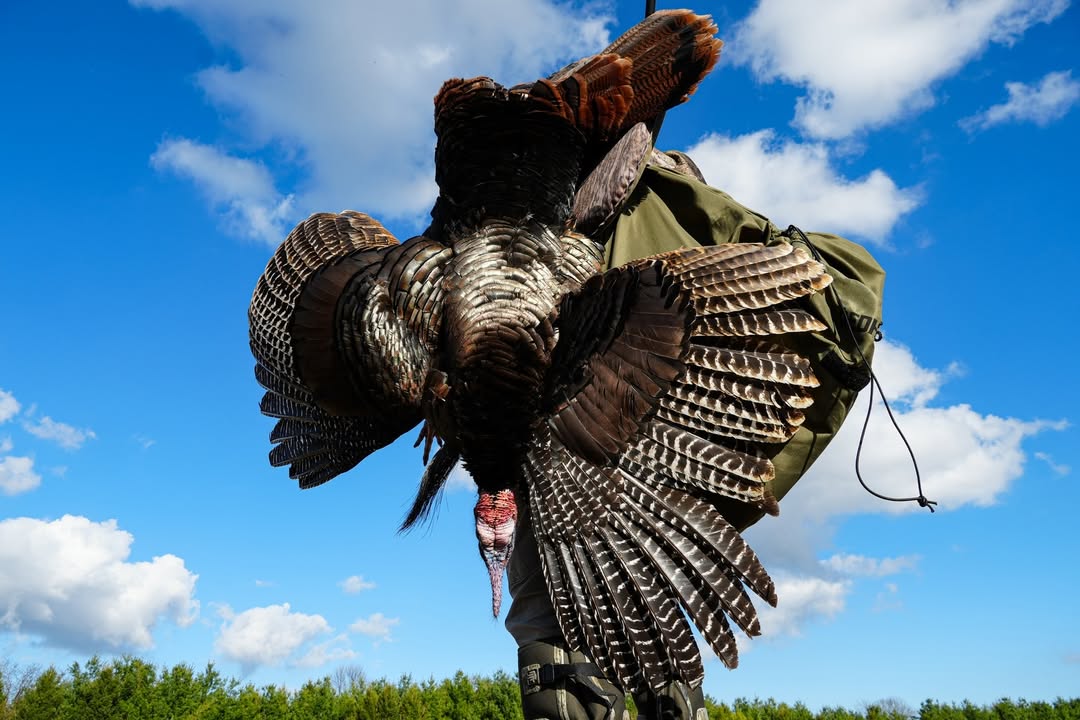
As late spring transitions toward early summer, hunters often find that areas once teeming with wildlife suddenly seem empty. This shift isn’t random—hunting pressure can profoundly alter animal behavior, pushing game into unexpected or less accessible locations. Understanding this phenomenon is crucial for adapting your strategies and staying successful in the field.
1. Hunting Pressure Alters Wildlife Routines
Wildlife naturally seek to minimize risk, and hunting activity introduces a new threat that can override feeding or mating instincts:
- Avoidance behavior: Deer, turkeys, and other game species often shift their daily patterns to avoid heavily hunted areas. This may include changing feeding times, moving at night, or bypassing open trails.
- Microhabitat selection: Animals will seek cover in denser vegetation, rugged terrain, or secluded water sources that are less frequented by humans.
- Temporary displacement: Some game may completely vacate areas during peak hunting times but return during periods of lower human activity.
Even moderate hunting pressure can trigger these behavioral adjustments, making previously reliable spots seem empty.
2. Early Summer Green-Up Compounds the Effect
Late spring vegetation growth creates natural cover, which combined with hunting pressure, makes wildlife harder to predict:
- Dense foliage: Provides new hiding spots, forcing animals off open paths.
- Shifting food sources: As leaves, buds, and early summer fruits emerge, game may relocate to exploit these resources in safer areas.
- Trail rerouting: Animals often create alternate routes, avoiding open meadows or frequently traversed paths.
Understanding how both cover and hunting pressure influence movement helps hunters anticipate these changes.
3. Species-Specific Responses
Different animals respond uniquely to hunting pressure:
- Deer: Tend to move deeper into woodlands or along riparian buffers to avoid hunters.
- Turkey: May shift roosts or feeding grounds, becoming more nocturnal or early-morning active.
- Waterfowl and upland birds: Often relocate to quieter wetlands or secluded grain fields.
Observing these patterns can provide clues for adjusting your hunting strategy.
4. Indicators That Wildlife Has Shifted
Recognizing subtle signs of displacement is essential:
- Fresh sign in unexpected areas: Tracks, droppings, and feeding signs may appear in locations you previously overlooked.
- Changes in trail activity: Paths once active may become overgrown or abandoned.
- Increased nocturnal activity: Game may shift to twilight or nighttime movement to avoid human presence.
Tracking these indicators allows hunters to follow wildlife rather than chase old habits.
5. Strategies to Adapt to Hunting Pressure
To maintain success during periods of high hunting pressure:
- Scout for new cover: Focus on thick vegetation, isolated water sources, or less accessible terrain.
- Adjust timing: Hunt during periods of low human activity to exploit wildlife’s temporary comfort zones.
- Follow signs, not history: Rely on fresh tracks, droppings, and feeding evidence rather than previous success areas.
- Be unpredictable: Change your approach patterns, hunting locations, and entry/exit routes to stay ahead.
- Blend with the environment: Reduce scent and noise to avoid triggering further displacement.
Flexibility and observation are key to turning hunting pressure challenges into opportunities.
6. Conclusion
Hunting pressure is a powerful force that can push wildlife into unexpected locations, altering daily routines, habitat selection, and movement patterns. By understanding how animals respond and adapting your strategies accordingly, you can:
- Predict new travel corridors
- Identify overlooked feeding or bedding areas
- Increase your hunting success even when traditional spots go quiet
Remember, the animals are not disappearing—they are adapting. The more attuned you are to these behavioral shifts, the more effective and ethical your hunting will be.
