
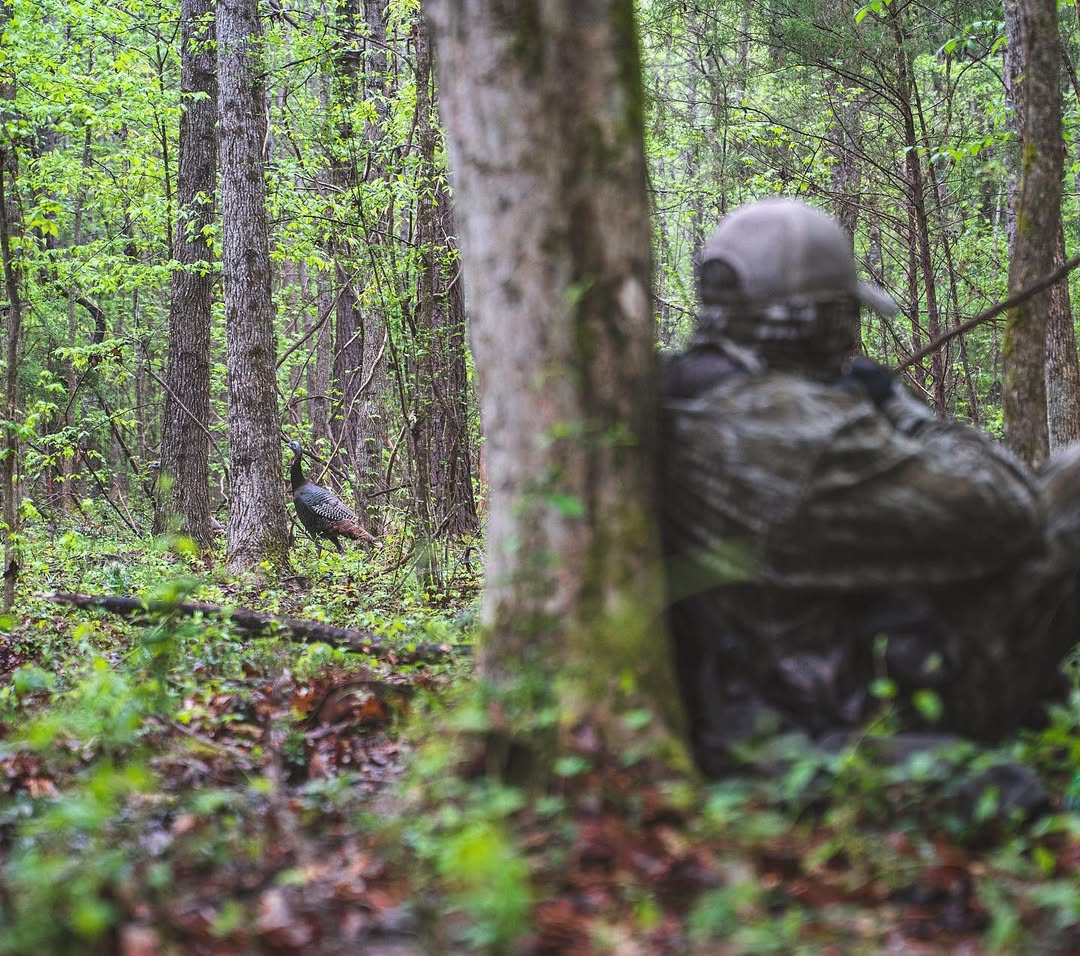
Every hunter has that one spot—the place that consistently produces.
It might be:
- A reliable funnel between bedding and feeding
- A well-used trail crossing
- A food edge that always held activity
And then, seemingly overnight, it changes.
You hunt it the same way. You sit the same wind. The sign is still there.
But the movement is gone—or worse, inconsistent.
When your best spots suddenly feel unpredictable, it’s not because they stopped being good—it’s because the conditions that made them reliable have shifted.
Understanding those shifts is the key to regaining control.
1. Reliability Depends on Stable Conditions
A “good spot” is only good because it fits a specific set of conditions:
- Food availability
- Bedding location
- Wind direction
- Seasonal behavior
When those factors align, movement becomes predictable.
But in late summer and seasonal transition periods:
Those variables start changing—quietly and unevenly.
The spot hasn’t failed. The system around it has.
2. Food Sources Are No Longer Consistent
One of the biggest reasons a reliable spot becomes unpredictable is changing food dynamics.
Right now:
- Some food sources are losing nutritional value
- Others are just becoming attractive
- Availability varies across short distances
This causes animals to:
- Shift feeding locations
- Alter travel routes
- Abandon previously consistent entry points
If the destination changes, the path to your spot changes too.
3. Movement Patterns Become Short-Term Instead of Repetitive
Earlier in the season, patterns are stable:
- Same trails
- Same timing
- Same direction of movement
Now:
- Movement becomes more situational
- Routes change based on recent conditions
- Activity may not repeat day-to-day
This leads to:
Spots that feel random—even though they’re responding to real-time changes.
4. Bedding Areas Begin to Shift Subtly
Animals don’t always relocate far—but they adjust just enough to disrupt patterns.
These shifts are driven by:
- Heat and airflow
- Pressure and disturbance
- Proximity to changing food sources
Even a small bedding adjustment can:
- Change entry and exit routes
- Alter timing of movement
- Reduce daylight exposure
Your stand may now be slightly out of position—even if it worked perfectly before.
5. Heat Still Limits Daytime Movement
Despite seasonal shifts beginning, summer heat still plays a major role.
Animals continue to:
- Move less during daylight
- Stay tight to cover
- Travel during low-light windows
So even if your spot is still being used:
- Movement may occur earlier or later than your sit
- Exposure time may be shorter
- Routes may stay deeper in cover
The activity didn’t disappear—it just became harder to catch.
6. Vegetation Is at Its Thickest Point
Late summer brings maximum cover:
- Thick understory growth
- Dense foliage
- Reduced visibility
This affects hunting in two ways:
- Animals can move closer without being seen
- You lose the ability to monitor surrounding movement
What feels like unpredictability is often just reduced visibility.
7. Wind and Thermals Become Less Reliable
As temperatures fluctuate throughout the day:
- Thermals shift more aggressively
- Wind direction becomes less consistent in timber
- Scent control becomes harder to maintain
Animals respond by:
- Avoiding exposed routes
- Using safer, less predictable paths
- Adjusting movement based on wind advantage
A spot that worked under stable wind now produces inconsistent results.
8. Early Pressure Changes Animal Behavior
Even light human activity can impact movement:
- Scouting pressure
- Trail camera checks
- Increased land use
Animals begin to:
- Move more cautiously
- Avoid predictable routes
- Shift into lower-risk areas
This doesn’t eliminate activity—it redistributes it.
Your best spot may now be just outside the new movement zone.
9. Why Sign Still Exists but Movement Feels Off
One of the most confusing aspects is seeing fresh sign in a spot that no longer produces.
This happens because:
- Animals still pass through—but not consistently
- Movement timing has shifted
- Routes have become less direct
So you see:
- Tracks
- Droppings
- Occasional disturbance
But you don’t see:
- Repeatable movement
- Predictable timing
- Reliable encounters
The spot is still active—but no longer dependable.
10. How to Adjust When Your Best Spots Stop Producing
1. Re-Evaluate the “Why” Behind the Spot
- Was it food-driven, bedding-driven, or terrain-driven?
- Identify what factor has changed
2. Expand Your Focus Area
- Look just outside your original setup
- Movement may have shifted 50–100 yards—not miles
3. Track Recent Activity, Not Historical Success
- Prioritize fresh, current sign
- Avoid relying on last season or early summer patterns
4. Adjust for Timing, Not Just Location
- Shift sits earlier or later
- Focus on tighter movement windows
5. Stay Mobile
- Late summer rewards adaptability
- Fixed setups lose effectiveness quickly
11. The Key Insight Most Hunters Miss
The biggest misconception is this:
“If a spot worked before, it should still work now.”
But in reality:
A spot is only as reliable as the conditions that support it—and those conditions are changing right now.
Your best spot hasn’t gone bad.
It has simply:
- Lost alignment with current behavior
- Fallen out of sync with movement patterns
- Become one piece behind the shifting system
Conclusion
When your best spots suddenly feel unpredictable, it’s not failure—it’s transition.
Late summer creates:
- Changing food sources
- Shifting bedding areas
- Unstable movement patterns
- Reduced visibility and tighter timing windows
All of these combine to disrupt consistency.
Hunters who succeed during this phase don’t abandon good spots—they adapt around them.
Because in changing conditions:
The best spot isn’t the one that used to work—it’s the one that matches what animals are doing right now. 🦌🔥
