
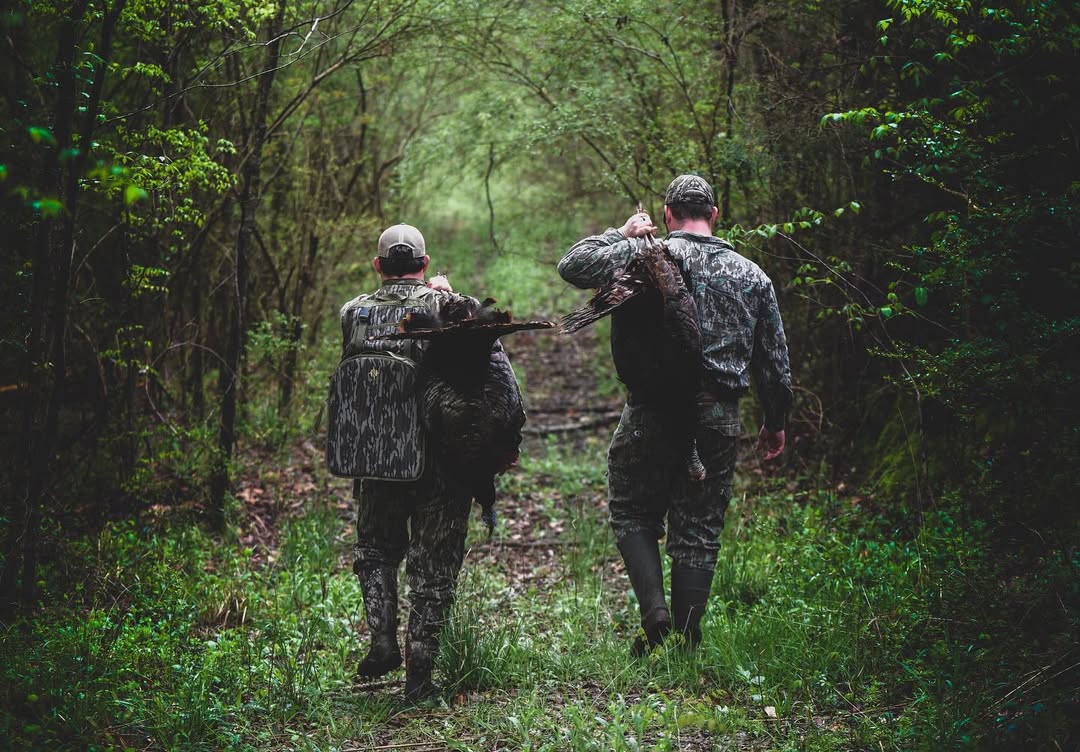
Silent gobblers are one of the most frustrating challenges in spring turkey hunting. They don’t answer calls, they don’t shock gobble at first light, and they rarely give away their exact location. You know they’re out there—but getting one to close the distance feels almost impossible.
Most hunters try to solve this with louder calling or more aggressive sequences. But in reality, that usually pushes silent birds even farther away.
The truth is, there’s one setup adjustment that consistently turns silent gobblers into killable birds:
You stop setting up where you expect them to respond—and start setting up where they naturally have to travel.
This single shift changes everything.
Why Silent Gobblers Are Different
A silent gobbler isn’t necessarily unresponsive. He’s just operating differently based on pressure, breeding status, or environmental conditions.
Common reasons gobblers go silent include:
- Heavy hunting pressure in the area
- Late-stage breeding behavior
- Wind or weather masking sound
- Traveling instead of staying stationary
- Following hens quietly without needing to gobble
In all these cases, calling harder doesn’t fix the problem. You’re not dealing with a “call-response” bird—you’re dealing with a movement-based bird.
That’s where most setups fail.
The Mistake Most Hunters Make
The most common approach is simple but flawed:
- Hear or assume gobbler location
- Set up within calling distance
- Start calling aggressively
- Wait for a response that never comes
This works well with vocal gobblers—but silent birds don’t follow that script.
Instead of responding to sound, they:
- Move along predictable terrain
- Use cover edges for security
- Travel through feeding-to-bedding corridors
- Avoid open exposure unless necessary
If your setup is based on “where he should answer,” you’re already behind.
The One Setup Adjustment: Shift to Travel Interception
The key adjustment is this:
Stop setting up on the gobbler. Start setting up on his route.
This means identifying where the gobbler is going, not where he was heard.
How to Identify a Silent Gobbler’s Travel Route
Even silent birds leave patterns behind. You just have to read the landscape differently.
Look for:
1. Natural Funnels
- Creek crossings
- Fence gaps
- Ridge saddles
- Timber pinch points
These areas concentrate movement even when birds aren’t vocal.
2. Edge Transitions
Silent gobblers love edges because they offer:
- Visibility in one direction
- Cover in the other
Focus on:
- Field-to-woods transitions
- Thick-to-open breaks
- Elevation changes
3. Food-to-Cover Routes
In spring, gobblers often follow hens between:
- Early feeding areas
- Midday loafing zones
- Evening cover
If you can identify either end, you can predict the middle.
Where Most Hunters Should Actually Set Up
Instead of setting up near calling points, move to:
- 50–150 yards ahead of likely travel direction
- Slightly off-center from open paths
- Inside cover edges rather than open fields
- Terrain features that force direction changes
The goal is simple:
Make the gobbler pass you, not respond to you.
Why This Works So Well on Silent Birds
Silent gobblers rely on confidence, not communication.
They move when:
- They feel safe
- The route is familiar
- Cover allows concealment
When you position yourself along their travel path, you are not asking them to react—you are waiting for them to naturally appear.
This removes the need for:
- Vocal engagement
- Calling pressure
- Sound confirmation
And replaces it with:
- Visual encounter
- Natural movement interception
- Close-range surprise opportunities
Minimal Calling Strategy (Critical Adjustment)
Once you’re set up on a travel route, your calling should change completely.
Use very light calling:
- Soft clucks
- Occasional purrs
- Long pauses
Why?
Because silent gobblers are not looking for conversation—they are looking for realism. Overcalling in a travel setup can still cause hesitation.
Sometimes, the best call is almost no call at all.
Reading When You’re in the Right Spot
You’ll know your setup is correct when:
- You hear distant but inconsistent gobbles (not direct responses)
- You see hens before gobblers appear
- Birds show up without warning rather than responding to calls
- Movement happens across terrain instead of toward your calls
This is classic interception behavior.
When to Abandon a Setup
Even a good interception setup isn’t permanent. Move if:
- No sign of movement after 60–90 minutes in active morning periods
- Fresh sign indicates a different direction than expected
- Wind shift changes bird travel patterns
- You confirm gobbler is consistently using a different corridor
Silent birds are mobile—you must be willing to adjust faster than they do.
Advanced Tip: Pair Setup With “Soft Pressure Zones”
Silent gobblers often avoid:
- Heavily hunted edges
- Easy calling setups near roads or fields
- Overexposed terrain
Instead, they move through:
- Slightly thicker cover
- Less obvious terrain breaks
- Secondary routes parallel to main paths
If you can find the “less obvious” line of travel, you increase your odds dramatically.
The Mindset Shift That Changes Everything
Most hunters think success comes from:
“Getting the gobbler to respond.”
But with silent birds, success comes from:
“Being where the gobbler must pass.”
This is a completely different approach:
- From reactive to predictive
- From calling-based to movement-based
- From waiting for sound to waiting for shape
Once you make this shift, silent gobblers stop feeling impossible—and start feeling predictable.
Final Thoughts
The one setup adjustment that consistently brings silent gobblers into range is simple but powerful: stop setting up where you expect a response and start setting up on their natural travel routes.
When you align your position with how gobblers actually move—not how you hope they behave—you eliminate the need for perfect calling, perfect timing, or perfect vocal birds.
You just need patience, observation, and the right spot.
And in turkey hunting, that’s often what makes the difference between hearing gobbles all morning—and finally closing the distance when it matters.
