
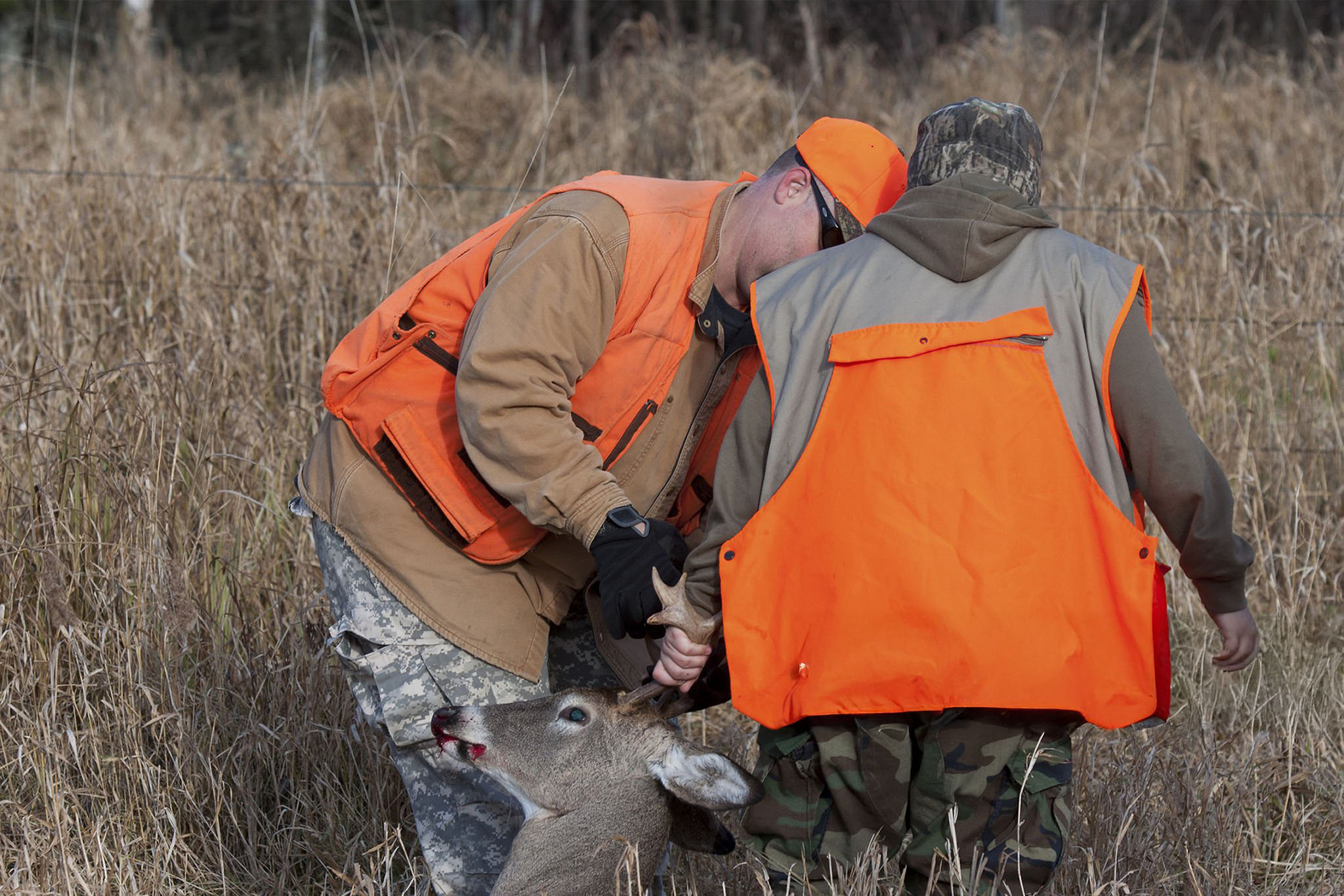
As September mornings cool and leaves start to turn, many hunters find themselves itching to get back into the woods. Early fall marks a unique window in whitetail deer hunting: bucks are still in their late-summer patterns, feeding heavily, moving predictably, and not yet consumed by the chaos of the rut. For hunters chasing big bucks, understanding these early fall patterns can mean the difference between a slow sit and a filled tag.
Why Early Fall Hunting Matters
Early fall offers a distinct advantage. Mature whitetails, still recovering from summer’s velvet growth, are focused on one thing: food intake. With testosterone levels not yet surging, bucks often stick to consistent travel routes between bedding and feeding areas. This period provides hunters with a rare chance to target big bucks before their behavior becomes erratic in the rut.
Food Sources Drive Movement
Agricultural Fields
Soybeans and alfalfa are top draws during late summer and early fall. Bucks often hit these fields in the evening, making evening sits along field edges productive. Once soybeans begin to yellow, deer often shift quickly to other food sources.
Acorn Drop
One of the biggest early fall game-changers is the acorn drop. White oaks produce sweet acorns that deer devour, and when these start hitting the ground, bucks will abandon fields and focus on timber. Successful hunters scout oak flats, ridges, and transition areas where acorns are plentiful.
Food Plots
Hunters with access to planted food plots can capitalize on clover, brassicas, or early-season grains. These can be magnets when agricultural fields are less appealing.
Bedding and Transition Zones
Mature bucks often bed in thick cover, using wind and terrain to their advantage. Early fall travel patterns typically involve short, predictable movements:
- From bedding to staging areas in the evening.
- From staging areas to primary feeding areas after dark.
- Back to bedding cover before daylight.
Hunting near bedding areas can be risky this time of year—pressured deer will change routines quickly. Instead, focus on transition corridors, creek crossings, and inside corners of fields where bucks feel safe moving in daylight.
Weather Influences on Buck Behavior
Cooler Days
Sudden temperature drops can spark daylight activity. A cold front rolling through in September often gets mature bucks on their feet earlier than usual.
Wind Direction
Bucks use wind to their advantage, often approaching food sources with the wind in their favor. Hunters should select stands that allow for safe access without alerting deer.
Moon Phases
While debated, many hunters track moon phases to predict evening or morning movement. A rising evening moon during early fall can increase feeding activity before dark.
Low-Pressure Access Is Key
One of the biggest mistakes hunters make in early fall is applying too much pressure. Mature bucks are hypersensitive to intrusion. To avoid bumping deer:
- Use creeks or ditches for silent, scent-free entry.
- Hunt with favorable winds, even if it means passing on a good-looking stand.
- Rotate stands to prevent overhunting one location.
Trail Cameras: Eyes in the Woods
Digital scouting with trail cameras has revolutionized early fall hunting. Place cameras on field edges, mineral sites (where legal), and oak flats to identify consistent patterns. Cellular cameras reduce intrusion by sending real-time updates, allowing hunters to adjust strategies without leaving scent in the woods.
Early Fall Hunting Tactics
- Evening Hunts on Food Sources – Ideal for catching bucks transitioning to fields.
- Morning Hunts with Caution – Risky in early fall but possible if you know bedding areas intimately.
- Ground Blinds and Mobile Setups – Allow flexible positioning as patterns shift.
- Mock Scrapes – Though pre-rut isn’t in full swing, bucks will investigate mock scrapes near travel corridors.
Common Mistakes to Avoid
- Hunting too aggressively near bedding areas.
- Ignoring shifting food sources (especially when soybeans yellow or acorns drop).
- Overhunting one stand, causing mature bucks to go nocturnal.
Final Thoughts
Early fall may not have the chaos of the rut, but it offers strategic hunters a prime opportunity to target mature bucks before patterns dissolve. By focusing on food sources, understanding travel corridors, hunting smart with wind and access, and using trail cameras effectively, hunters can capitalize on this predictable phase of whitetail behavior.
If you’re chasing big bucks this fall, patience and discipline will pay off. The woods are quieter, deer are still patterned, and with the right approach, early fall could deliver the buck of a lifetime.
