
There’s nothing more frustrating than spending weeks prepping for deer season, only to have that one mature buck—let’s call him the “ghost”—disappear just before opening day. These elusive whitetails seem to vanish into thin air, leaving behind only vague signs and shattered hopes. But make no mistake—ghost bucks are real, and they’re still around. The key is learning how to scout them without tipping your hand.
Late summer is a critical time for gathering intel on mature bucks, but if you’re sloppy or too aggressive, you’ll educate the very deer you’re hoping to tag. Here’s how to scout with surgical precision and keep ghost bucks on your radar.
1. Understand Why Mature Bucks “Disappear”
Older bucks didn’t get old by being reckless. Around late summer, their behavior subtly shifts:
- Bachelor groups begin to break up.
- They shift from high-visibility feeding areas to more secluded cover.
- Human scent and disturbance make them go nocturnal—or worse, relocate altogether.
They don’t disappear. They adapt. Your job is to keep up without letting them know you’re there.
2. Rely More on Technology, Less on Boot Leather
Scouting with boots on the ground has its place—but for targeting ghost bucks, low-impact tools are your best friend:
- Trail Cameras: Position them along travel corridors, mineral licks, and water sources. Use cellular models if possible to reduce intrusion. Angle cameras slightly downward to avoid detection and mount them waist-high to prevent silhouetting.
- Digital Mapping Apps: Tools like onX or HuntStand can help you identify pinch points, terrain breaks, and bedding areas—without stepping foot in the woods.
- Drones (Where Legal): In states where it’s allowed, a drone can offer a top-down view of bedding cover, food source activity, and entry routes.
Remember: every step you take leaves scent. The less time you spend in their world, the better.
3. Scout at a Distance
If you’re watching fields or food plots, long-range glassing is your best move:
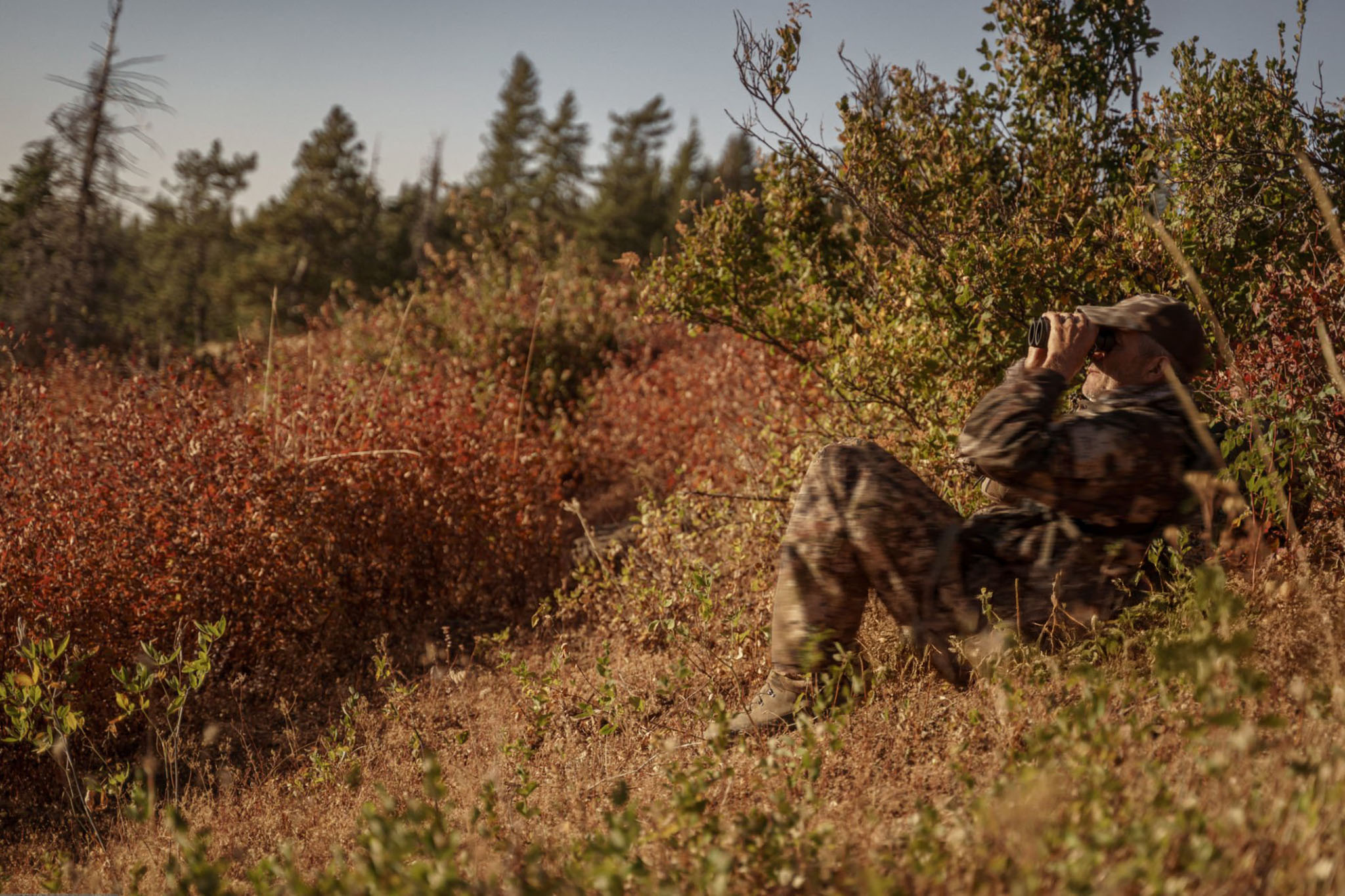
- Use a spotting scope or binoculars from a half-mile away or more.
- Set up during the last hour of daylight, when bucks are likely to stage up in edge cover.
- Watch how deer enter and exit, and how they use the wind.
Once you see a pattern, don’t press in. Let the deer show you their habits before you ever consider setting a stand.
4. Play the Wind—Always
Whether you’re hanging cameras or glassing from a distance, always check the wind and thermal direction:
- Never walk into a known or suspected bedding area with a crosswind or tailwind.
- Use milkweed or wind checkers to understand how thermals shift throughout the day—especially near creek bottoms, benches, and ridges.
Ghost bucks often bed in spots where they can see ahead, hear behind, and smell below. Be smarter than their senses.
5. Hang Stands and Trim Early—or Go Mobile
If you know where you want to hunt, get your stands up early—preferably before the first week of August:
- Trim only what you need. A ghost buck will pick up on anything unnatural.
- Use gloves and rubber boots when hanging gear. Keep your ground scent to a minimum.
Better yet, consider hunting mobile. A lightweight climbing stand or saddle lets you adapt without leaving permanent sign that might spook your target.
6. Don’t Get Greedy With Cameras
Too many hunters blow their shot by checking cameras too often. Resist the urge:
- Use lithium batteries and large SD cards so you don’t have to visit as often.
- Check them mid-day during rainy or humid conditions, which help suppress scent.
- Better yet, run cell cams and keep your distance entirely.
Your presence—no matter how careful—is a variable bucks don’t forget.
7. Trust Sign, Not Just Sightings
Mature bucks leave subtle clues, even if you rarely see them in daylight:
- Faint trails that parallel field edges—those are often used by big bucks staging in thick cover.
- Isolated rubs and early scrapes, especially in staging areas or on field edges with good wind cover.
- Fresh droppings, turned leaves, or shallow beds tucked into shaded corners.
Put the pieces together like a puzzle—but don’t force a piece that doesn’t fit.
8. Back Out Before It’s Too Late
Once you have enough intel to form a game plan—stop scouting.
- Avoid putting pressure on the area.
- Let the deer settle into their late summer to early fall patterns.
- Save your intrusion for the right wind, weather, and timing.
Over-scouting is the number one reason ghost bucks vanish just before season. Let patience work in your favor.
Final Thoughts
Scouting for mature bucks in late summer is part science, part strategy, and all about restraint. The difference between bumping a buck and tagging him in October often comes down to how you approach the preseason game.
So if you’re chasing a ghost this season, remember: stealth wins. Stay smart, scout light, and let the buck write the pattern—you just have to read it without leaving fingerprints.
