
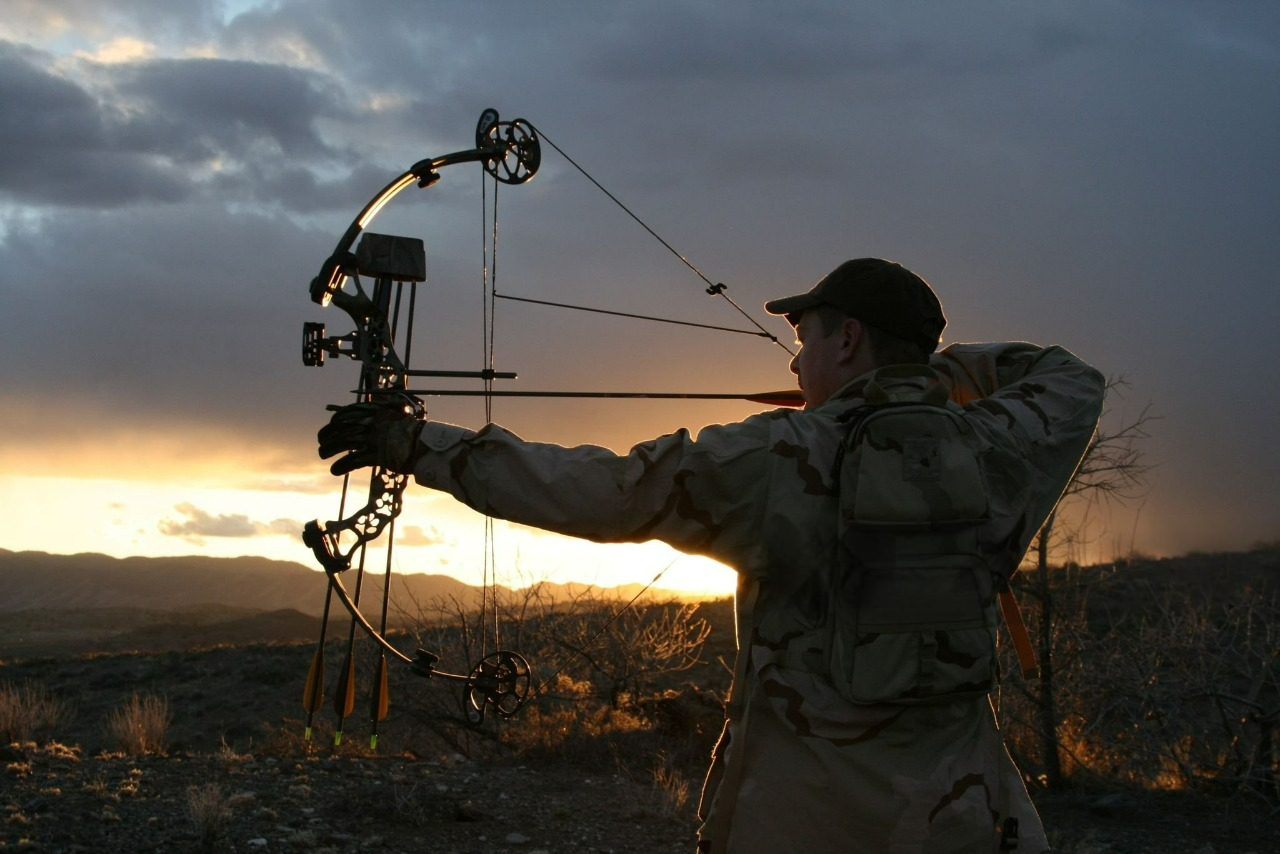
With the opening day of archery season just around the corner, it’s easy to get caught up in trail cam photos, stand placements, and weather forecasts. But even the most seasoned bowhunter can overlook one critical step that could make or break a hunt: a well-tuned bow.
Before you hit the woods this fall, take time to revisit the fundamentals. Tuning your bow isn’t just for gearheads—it’s essential for consistency, accuracy, and confidence in the field. Whether you’re a traditional shooter or a compound bow junkie, here’s how to get your setup dialed in the right way—starting from square one.
Step 1: Start with a Thorough Inspection
Before diving into fine-tuning, do a full gear once-over. Look for:
- Frayed or worn bowstrings and cables – If your string has seen better days, get it replaced. Don’t risk failure in the field.
- Loose limb bolts or riser screws – Use a torque wrench to check and tighten all hardware.
- Cam timing – Draw your bow slowly and listen/feel for inconsistencies between the cams. Uneven draw cycles mean your timing is off.
- Peep sight alignment – Ensure it rotates consistently and lands in the correct position every time you draw.
Think of this as the “pre-flight check” for your rig. Don’t skip it.
Step 2: Set (or Reset) Your Center Shot and Rest
Your arrow rest needs to be aligned properly with the bow’s center shot for optimal arrow flight. Here’s how to check:
- Use a bow square or laser tool to align the rest horizontally and vertically.
- For compound bows, a good starting point is typically 13/16″ from the riser to the center of the arrow shaft.
- Ensure the arrow passes cleanly through the berger hole (if applicable) when at full draw.
If you’ve changed arrows or broadheads since last season, you’ll want to double-check all of this.
Step 3: Nocking Point & D-Loop Placement
The nocking point should sit level or slightly above center. Use a bow square to set this accurately, and tie in your D-loop if needed.
- If your arrows consistently hit high or low, a poor nocking point setup is often the culprit.
- Double-check that your release hand doesn’t torque the D-loop—this can throw off accuracy without you even realizing it.
Step 4: Paper Tune Your Bow
Paper tuning gives you immediate visual feedback on how your arrow leaves the bow.
- Shoot an arrow through a suspended sheet of paper from about 6 feet away.
- Look for a clean, bullet-hole tear with three even fletching cuts.
- If your tear shows a high, low, left, or right paper tear, you’ll need to adjust your rest, nocking point, or even spine stiffness.
Repeat until you get consistent, clean tears with your hunting setup—not just field points.
Step 5: Broadhead Tuning (Don’t Skip It)
This is where the rubber meets the road. Your broadheads—especially fixed-blades—may not fly the same as field points.
- Shoot both broadheads and field points at the same distance (try 20 and 40 yards).
- If the broadheads hit left or low of your field points, adjust your rest in very small increments toward the direction of the broadhead group.
- Continue until both impact points match. This is a sign of a truly tuned setup.
Mechanical broadheads may require less tuning, but it’s still smart to shoot them before season.
Step 6: Check Draw Length and Anchor Point Consistency
Over time, your form can change slightly without you noticing.
- Stand in front of a mirror while drawing and anchoring. Ensure your elbow, release hand, and nose contact are consistent.
- If you’re hunching forward or struggling to hit your anchor, your draw length may need a slight tweak.
A well-tuned bow is only as accurate as the shooter behind it.
Step 7: Fine-Tune Sight and Stabilizer Setup
Once your arrows are flying true:
- Dial in your pin gaps and sight tape at varying distances. Don’t trust last year’s numbers blindly.
- Balance your stabilizer setup to your shooting style. Try different weights and positions until your hold is rock-steady.
A tuned bow should feel like an extension of your body—not like you’re fighting it every shot.
Step 8: Practice With Purpose
Now that your bow is tuned, shoot under different conditions:
- Vary light, angle, and elevation.
- Practice from a treestand or blind.
- Wear your full hunting gear.
This is where it all comes together. You’re not just shooting to hit foam—you’re preparing to make a clean, ethical shot on a living animal.
Final Thoughts
Tuning your bow is more than just a preseason chore—it’s a commitment to precision, ethics, and confidence in the moment of truth. Skipping the basics might save you time now, but it could cost you the shot of a lifetime come September.
So don’t rush it. Go back to square one, get your gear dialed, and trust the process. When that buck steps into range, you’ll know that every inch of your shot has been built on a solid foundation.
