
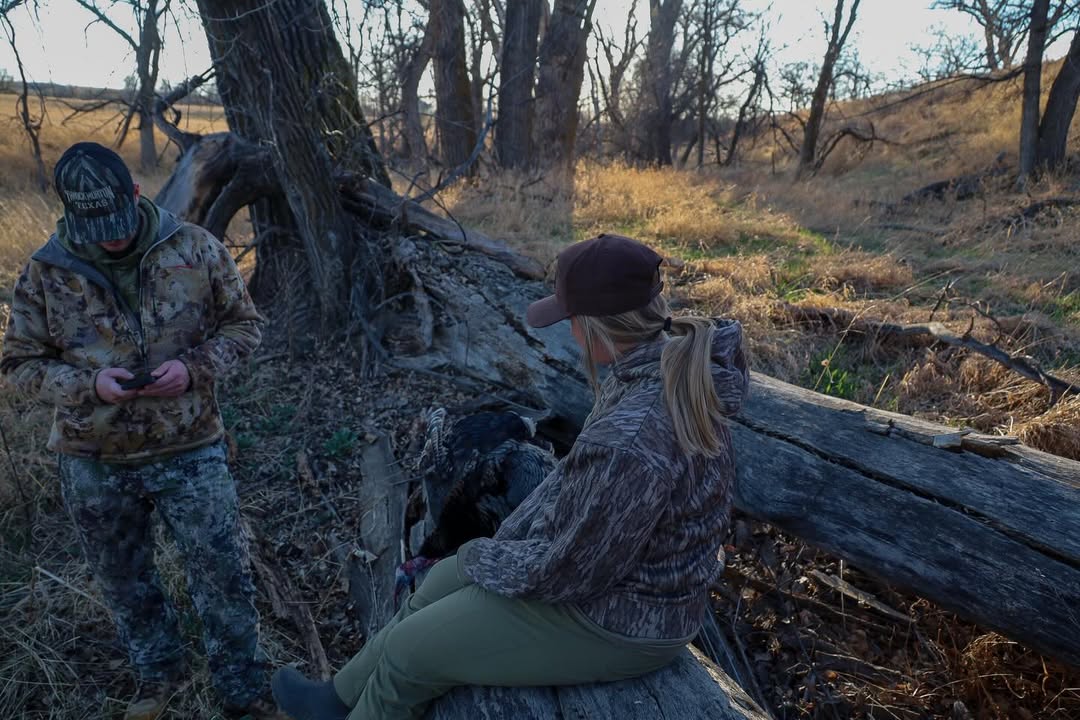
Ask any hunter about early-to-mid summer and you’ll hear the same thing: “Everything feels dead.” Long sits, empty trails, and very few sightings can make it seem like game animals have disappeared.
They haven’t.
In summer conditions, animals simply reduce movement, tighten their range, and become highly selective about when and where they move. What looks like low activity is actually compressed, predictable behavior.
The hunters who succeed aren’t chasing more movement—they’re turning limited movement into high-probability encounters.
Why Summer Hunting Feels So Slow
Understanding the slowdown is the first step to beating it.
1. Heat Reduces Movement
High temperatures force animals to:
- Conserve energy
- Avoid daytime travel
- Move only when necessary
2. Abundant Resources Shrink Travel Distance
In summer:
- Food is everywhere
- Water is often nearby
- Cover is dense
Animals no longer need to travel far—so they don’t.
3. Pressure Changes Behavior
Even light human activity causes:
- Increased nocturnal movement
- Avoidance of open areas
- Preference for thick, secure cover
4. Movement Becomes Predictable—but Brief
Instead of random movement:
- Animals follow tight routines
- Movement occurs in short windows
- Patterns repeat daily
Key Insight: Low activity doesn’t mean low opportunity—it means higher precision is required.
Step 1: Stop Hunting for Quantity—Start Hunting for Timing
In summer, more time in the woods doesn’t equal better results.
Focus on:
- First light movement (returning to bedding)
- Last light movement (leaving cover)
These windows may only last:
- 30–60 minutes
Strategy Shift: Hunt fewer hours, but hunt the right hours.
Step 2: Target Core Areas, Not Travel Routes
Traditional travel corridors become less reliable.
Instead, focus on:
- Bedding zones
- Water access points
- Short-range feeding areas
Animals are spending most of their time in these areas.
Step 3: Think in Micro-Distances
Summer movement is tight.
Instead of covering large areas:
- Focus on 50–100 yard zones
- Identify short routes between essentials
- Set up where movement must happen
Step 4: Prioritize Water + Cover Combinations
Water alone isn’t enough.
The best setups include:
- Water sources near thick cover
- Shaded approach routes
- Limited visibility areas
These spots allow animals to:
- Stay cool
- Stay hidden
- Minimize exposure
Step 5: Use Heat to Your Advantage
Heat doesn’t just limit animals—it forces predictability.
Animals will:
- Stay in the coolest available areas
- Avoid exposed terrain
- Move along shaded routes
Your job:
- Find those cooler micro-locations
- Position along their limited movement paths
Step 6: Slow Down Your Hunting Style
Aggressive movement ruins summer hunts.
Adjust by:
- Moving quietly and deliberately
- Minimizing time spent walking
- Letting the hunt come to you
Key Insight: In summer, less movement from you means more opportunity.
Step 7: Control Your Entry and Exit
On low-activity days:
- You may only get one chance
- Spooking animals ruins future opportunities
Best practices:
- Enter early and quietly
- Avoid crossing key movement paths
- Exit without disturbing core areas
Step 8: Watch for Subtle Signs of Activity
Summer sign is harder to see—but it’s there.
Look for:
- Slight ground disturbance
- Narrow, barely visible trails
- Fresh droppings in shaded areas
- Light vegetation movement
Tip: The smallest signs often lead to the best setups.
Step 9: Commit to a Pattern
Don’t jump between locations too quickly.
Instead:
- Hunt the same area multiple times
- Observe timing patterns
- Adjust based on consistency
Key Insight: Patterns reveal themselves over time—not instantly.
Step 10: Be Ready for Fast Opportunities
When movement happens:
- It’s quick
- It’s often close-range
- It doesn’t last long
Preparation matters:
- Clear shooting lanes
- Stay alert at all times
- Anticipate direction of travel
Common Mistakes to Avoid
1. Hunting like it’s spring or fall
Summer requires a completely different approach.
2. Moving too much during the hunt
You create pressure and miss opportunities.
3. Ignoring small areas
Big movement is gone—focus small.
4. Giving up too early
Low-activity days still hold high-value moments.
Real-World Scenario
You hunt a large feeding area with no success.
Instead of abandoning the hunt:
- Move closer to a shaded bedding area
- Identify a short trail leading to water
- Set up before first light
Within a short window, movement occurs—and you’re in position.
Why it worked: You focused on where animals had to be, not where they might be.
Final Thoughts
Summer hunting isn’t about chasing activity—it’s about understanding limitation. Animals move less, but they move with purpose. When you align your strategy with that purpose, even the slowest days can produce real opportunities.
The key is shifting your mindset:
- From covering ground → to precise positioning
- From long sits → to perfect timing
- From hoping → to predicting
Because in summer conditions, success doesn’t come from more chances—
it comes from making the most of the few that truly matter.
