
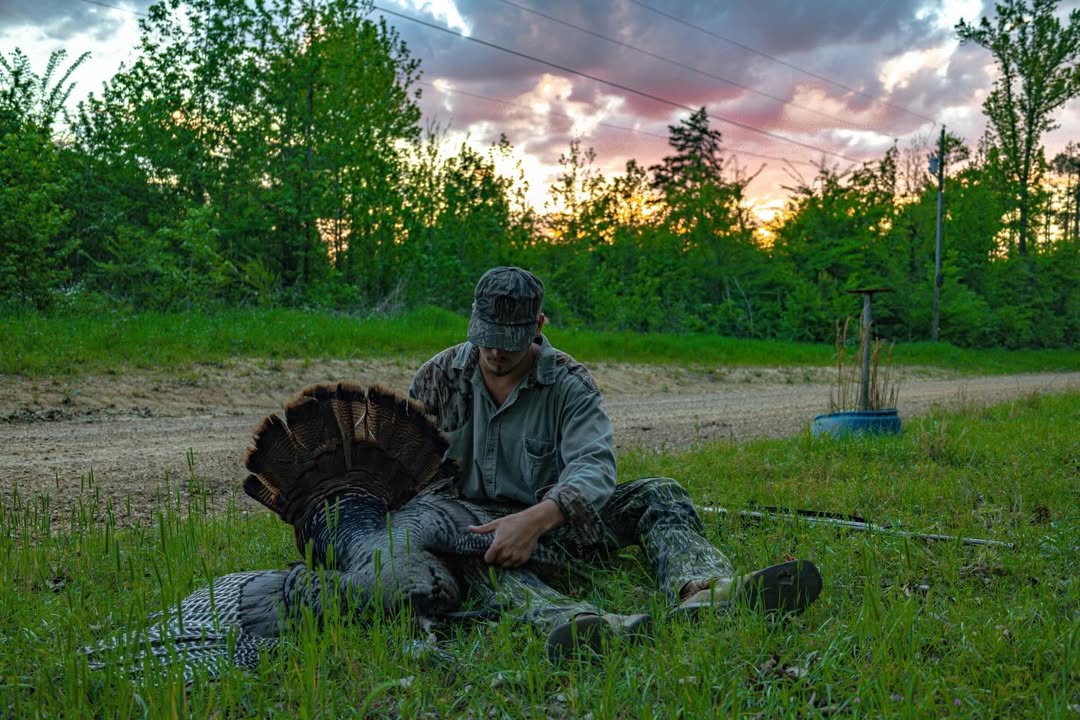
As early summer transitions toward peak heat across the United States, many hunters notice a frustrating shift: game animals seem to vanish. Trails go cold, open areas sit empty, and sightings drop sharply. But the reality is simple—animals haven’t disappeared, they’ve moved into thick cover.
Dense vegetation, brush, and shaded bedding zones become the primary refuge for deer and other game during hot-weather months. If you want to stay successful, you need to stop hunting where animals used to be—and start learning how to hunt inside the cover they depend on.
Why Game Animals Move Into Thick Cover
1. Temperature Control and Survival
Thick cover provides:
- Cooler ground temperatures
- Reduced direct sunlight
- Better airflow and humidity balance
In extreme heat, even a few degrees of difference can determine where animals spend most of their day.
2. Security from Predators and Pressure
Dense vegetation offers:
- Visual concealment
- Reduced exposure to human activity
- Safer bedding locations
As hunting pressure and human presence increase, animals naturally shift deeper into areas that feel secure.
3. Reduced Need for Long-Distance Movement
In early summer:
- Food is abundant
- Water sources are often nearby
- Cover provides everything in one place
This allows animals to minimize movement and conserve energy.
4. Better Moisture and Food Conditions
Thick cover often holds:
- More moisture in soil and vegetation
- Fresher, more palatable forage
- Cooler microclimates
These small environmental advantages make a big difference.
What “Thick Cover” Really Means
Not all cover is equal. Productive thick cover usually includes:
- Dense brush or undergrowth
- Overgrown field edges
- Young timber stands
- Creek bottoms with heavy vegetation
- Areas with tangled vines or fallen trees
Key Insight: The best cover combines shade, security, and nearby resources.
How Animal Behavior Changes Inside Thick Cover
When animals move into dense areas, their behavior shifts:
1. Movement Becomes Short and Controlled
- Travel distances shrink
- Movement paths tighten
- Routes become more predictable
2. Activity Shifts to Low-Light Periods
- Early morning and late evening dominate
- Midday movement is minimal
- Movement inside cover may still occur, but subtly
3. Trails Become Less Visible
- Overgrowth hides tracks
- Paths are narrower and less defined
- Sign becomes harder to read
4. Animals Rely on Micro-Routes
Instead of obvious trails, they use:
- Small openings in brush
- Slight terrain changes
- Hidden corridors
How to Find Game Inside Thick Cover
1. Look for Edges Within the Cover
Even inside dense areas, animals follow structure.
Identify:
- Transitions between thick and slightly open areas
- Changes in vegetation type
- Subtle openings or lanes
2. Focus on Bedding Zones
Key characteristics:
- Shaded areas
- Slight elevation or airflow advantage
- Close proximity to water or food
Look for:
- Flattened vegetation
- Droppings
- Consistent entry/exit paths
3. Identify Hidden Travel Corridors
Animals still move—but along concealed routes:
- Narrow paths through brush
- Creek edges
- Low spots between dense growth
4. Use Terrain to Your Advantage
Even in heavy cover, terrain matters:
- Small ridges
- Depressions
- Drainage lines
These features guide movement naturally.
How to Hunt Inside Thick Cover Effectively
1. Move Slower Than You Think
Noise travels differently in dense vegetation:
- Every step matters
- Brush contact creates sound
- Visibility is limited
Strategy: Take fewer steps, but make each one count.
2. Set Up Closer to Core Areas
Because movement is limited:
- Traditional stand locations may be too far away
- You need to be closer to bedding and travel routes
But be careful:
- Avoid pushing too deep and spooking animals
3. Hunt the First Movement Window
The most valuable opportunity is when animals first rise:
- Early morning return to bedding
- Late evening exit from cover
Position yourself where movement begins—not where it ends.
4. Use Tight Shooting Lanes
In thick cover:
- Visibility is limited
- Shots are shorter and faster
Prepare by:
- Clearing minimal shooting lanes
- Anticipating direction of movement
- Staying ready for quick opportunities
5. Control Your Scent Carefully
Dense cover holds scent longer:
- Air movement is reduced
- Scent can linger in one area
Best practices:
- Always stay downwind
- Use terrain and vegetation to your advantage
- Avoid contaminating core areas
Common Mistakes Hunters Make
1. Avoiding thick cover entirely
This is where most animals are during early summer.
2. Moving too aggressively
You’ll spook animals before ever seeing them.
3. Hunting edges only
Edges are good—but core cover holds more consistent movement.
4. Expecting long-distance visibility
This is close-range hunting—adjust expectations.
Advanced Strategy: Hunt “Inside the Edge”
The most productive zone is often not the outer edge—but slightly inside it.
This area offers:
- Security for animals
- Enough openness for movement
- Predictable travel paths
Position yourself:
- Just inside cover transitions
- Along hidden corridors
- Within short-range movement zones
Real-World Scenario
Instead of hunting an open field:
- Move into the adjacent thick brush
- Locate a narrow trail leading to a bedding area
- Set up downwind within shooting range
You may see fewer animals—but your chances of a close, controlled encounter increase significantly.
Final Thoughts
Thick cover hunting is a shift in mindset. It requires patience, precision, and a deeper understanding of how animals adapt to heat and pressure. While visibility decreases, predictability often increases for those willing to adjust.
When game animals limit movement to dense cover, they’re not avoiding you—they’re following survival instincts. Hunters who learn to operate inside these environments gain access to the most consistent and least pressured opportunities.
Because in early summer hunting, success isn’t about seeing more animals—
it’s about understanding where they feel safest and meeting them there.
