
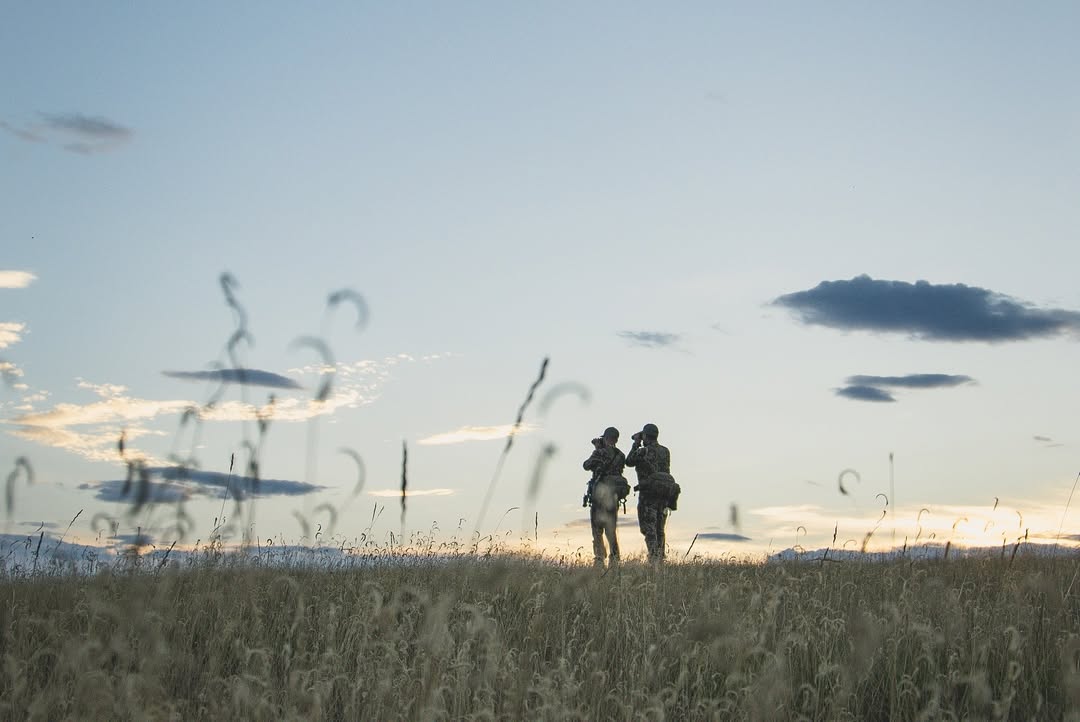
Consistently killing mature gobblers isn’t about chasing gobbles—it’s about understanding movement. One of the most overlooked yet deadly effective strategies in turkey hunting is intercepting birds as they travel between bedding and feeding zones. These transitional movements happen daily, often quietly, and usually outside the high-pressure windows when most hunters are active.
If you can identify and position yourself along these routes, you don’t need a gobbler to sound off—you’ll already be where he’s going.
Understanding Daily Turkey Movement Patterns
Wild turkeys operate on a loose but predictable daily cycle, especially during the spring season.
Morning: Roost to Feed
At first light, gobblers fly down and typically move toward feeding areas—fields, openings, or bug-rich zones. This phase is often loud and chaotic, with hens and toms interacting.
Midday: Feed to Loaf
As the morning progresses, birds drift away from feeding areas into shaded, secure bedding or loafing zones. These areas offer safety and comfort, especially during warmer hours.
Afternoon: Loaf to Feed (Again)
Later in the day, gobblers often rise from their resting areas and begin moving back toward feeding zones or strut areas. This movement is quieter, slower, and far less predictable—but it’s also where interception hunting shines.
What Are Bedding and Feeding Zones?
Bedding (Loafing) Areas
These are not “beds” like deer use, but rather comfortable zones where turkeys:
- Rest during the day
- Dust themselves
- Stay in shaded, secure cover
Look for:
- Open hardwoods with leaf litter
- Creek bottoms with soft ground
- North-facing slopes with consistent shade
Feeding Areas
Turkeys feed throughout the day, but certain locations consistently attract them:
- Field edges (especially with fresh growth)
- Pastures with insects and seeds
- Recently disturbed soil (logging roads, burns, or disc fields)
Understanding both ends of this movement is critical—but the real opportunity lies in between.
Identifying Travel Routes Between Zones
Gobblers rarely walk in straight lines, but they do favor certain terrain features that make travel easier and safer.
Natural Funnels and Terrain Features
Focus on:
- Ridge lines and gentle elevation changes
- Saddles between hills
- Logging roads and old trails
- Narrow strips of timber between open areas
These act as natural corridors that guide turkey movement.
Edge Lines and Transition Cover
Turkeys love edges—places where two types of habitat meet. For example:
- Timber to field
- Thick cover to open woods
- Creek bottoms to higher ground
These edges provide both visibility and security, making them ideal travel routes.
Sign That Tells the Story
Even when birds are quiet, the ground speaks:
- Tracks in soft soil or mud
- Droppings along trails
- Feathers and scratch marks
- Dusting bowls in dry areas
If you find consistent sign between a feeding and bedding area, you’ve likely found a travel route worth hunting.
How to Set Up for an Interception
This style of hunting is less reactive and more strategic. You’re not calling birds from afar—you’re getting in their path.
Get Ahead of the Bird
Based on your scouting, position yourself:
- 50–150 yards off a known feeding or bedding area
- Along a likely travel corridor
- With good visibility and minimal obstruction
You don’t want to be on top of the destination—you want to catch the bird in transit.
Set Up with Stealth and Precision
Because birds may already be close:
- Move in quietly and early
- Avoid skyline exposure
- Use natural cover (large trees, brush)
Once you’re set, stay still. Interception hunts often reward patience over movement.
Control Your Shooting Lanes
Clear small shooting windows if needed, but keep it natural. Gobblers may appear suddenly and silently, so you need a clear line of sight without excessive movement.
Calling Tactics for Interception Hunts
Calling plays a different role here—it’s not about pulling birds from long distances.
Use Soft, Strategic Calls
Think subtle:
- Light yelps
- Soft clucks
- Occasional purrs
You’re not trying to locate a bird—you’re simply letting him know a hen is nearby.
Call Sparingly
In many cases, less is more. A gobbler already traveling your direction doesn’t need much encouragement. Overcalling can cause him to hang up or change direction.
Let Curiosity Do the Work
A lone hen sound in the middle of a travel route can be irresistible to a gobbler, especially if he’s already separated from hens.
Best Times for Interception Hunting
While this strategy can work all day, it’s especially effective during:
- Late Morning (9:30 AM – 12 PM) → Birds leaving feeding zones
- Early Afternoon (12 PM – 3 PM) → Birds transitioning back to feed
- Late Season → When gobblers become less vocal but still follow routines
These windows are often overlooked by hunters focused only on early morning action.
Common Mistakes to Avoid
- Setting up too close to the destination – You risk bumping birds before they arrive
- Ignoring terrain – Flat maps don’t tell the full story; elevation matters
- Overcalling – Especially dangerous with pressured birds
- Moving too much – Birds can appear without warning
- Lack of scouting – Interception relies heavily on knowing the land
Why This Strategy Works So Well
Most hunters hunt where birds were—the roost, the field, the last gobble. Interception hunting focuses on where birds are going. It removes the guesswork and reduces reliance on vocal birds.
Mature gobblers, especially late in the season, often travel silently and avoid obvious setups. But they still need to move between bedding and feeding zones—and that movement creates opportunity.
Final Thoughts
Intercepting gobblers isn’t about luck—it’s about positioning, timing, and understanding how turkeys use the landscape. When you stop chasing gobbles and start hunting movement, your success rate can change dramatically.
The next time the woods go quiet, don’t assume the hunt is over. Instead, think ahead. Find the route. Get in position. Stay patient.
Because the gobbler you never heard might be walking straight toward you.
