
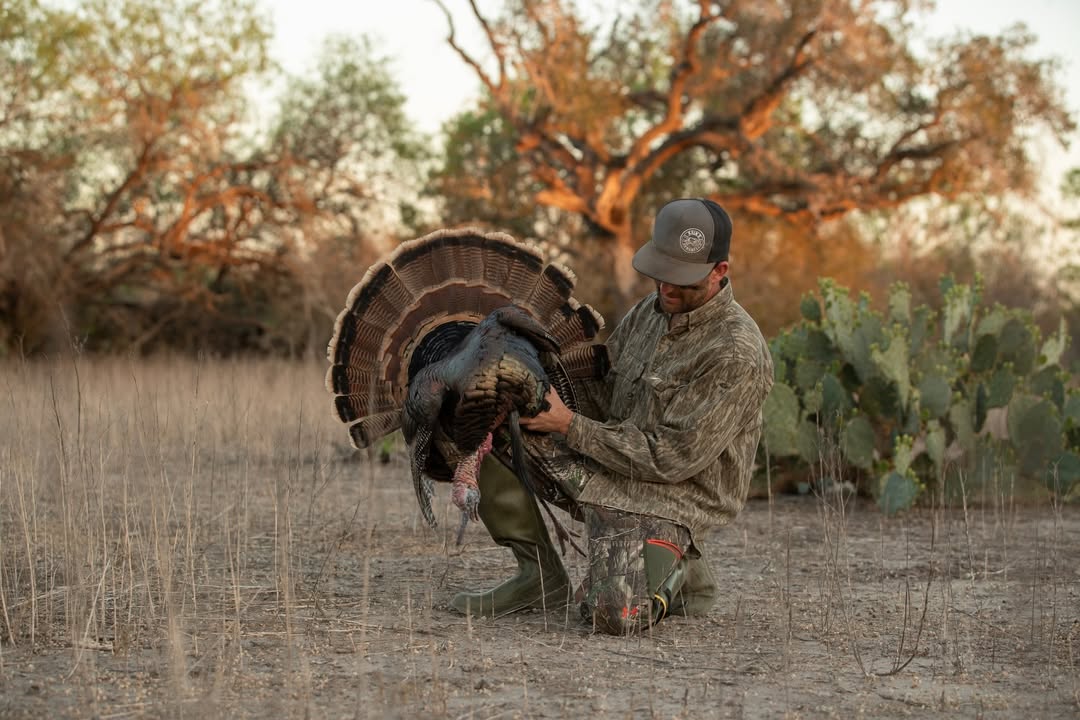
For many turkey hunters, the hunt feels over once the early morning gobbling dies down. Birds fly down, link up with hens, and the woods go quiet. By mid-morning, a lot of hunters are already heading back to the truck.
But here’s what experienced hunters know: late morning can be one of the most productive—and overlooked—windows of the entire day.
Once gobblers leave the roost and hens start drifting away, a new opportunity opens. The key is adjusting your setup to match this shift in behavior.
Why Late Morning Is So Effective
After fly-down, gobblers often spend time with hens. But as the morning progresses:
- Hens leave to nest, feed, or lay eggs
- Gobblers become more independent
- Birds start searching again—but more quietly
This creates a window where gobblers are alone, receptive, and actively moving, even if they aren’t gobbling much.
How Gobbler Behavior Changes After Roost Time
Understanding this shift is critical.
Late-morning gobblers:
- Travel more ground looking for hens
- Use predictable routes like ridges, logging roads, and field edges
- Respond better to subtle, realistic calling
- Approach quietly, often without gobbling
This is no longer a “call them off the roost” situation—it’s a positioning and patience game.
The Ideal Late-Morning Setup
1. Focus on Travel Corridors
Instead of setting up near roost sites, shift your attention to movement routes.
Look for:
- Ridge tops and benches
- Logging roads and trails
- Field edges and transition zones
- Funnels between feeding and bedding areas
These are natural pathways gobblers use while cruising for hens.
2. Set Up Where Birds Want to Go—Not Where They Were
A common mistake is staying near the roost area too long.
Instead:
- Move to areas birds naturally travel through later in the morning
- Think ahead of the bird’s movement, not behind it
- Set up in locations that connect multiple habitat types
Positioning becomes more important than calling volume.
3. Use Cover to Control the Approach
Late-morning birds are more cautious and less vocal.
- Set up with your back against a large tree or natural cover
- Use terrain to limit how a bird can approach
- Create a situation where the gobbler must enter your shooting lane to investigate
Visibility control is key to closing the distance.
4. Call Sparingly and Naturally
Less is more during this phase.
- Use soft yelps, clucks, and purrs
- Call just enough to suggest a relaxed, content hen
- Allow long pauses between sequences
Overcalling can push a cautious gobbler away.
5. Stay Put Longer Than You Think
Late-morning success often comes to those who wait.
- Give each setup at least 45–60 minutes
- Expect birds to approach slowly and quietly
- Resist the urge to move too quickly
Many opportunities are missed because hunters leave just before a gobbler arrives.
Why Birds Come in Silent
One of the biggest adjustments in late morning hunting is accepting that gobblers often stop gobbling.
Reasons include:
- Reduced need to advertise once hens are nearby
- Increased caution from hunting pressure
- Natural behavior when searching quietly
This means you must hunt with the expectation that a bird could appear at any moment without warning.
Decoy Strategy for Late Morning
Decoys can still be effective—but should be used strategically.
- Place decoys within close range (20–30 yards)
- Keep setups simple—often a single hen decoy works best
- In pressured areas, consider going without decoys entirely
The goal is to avoid anything that might make a cautious bird hesitate.
Common Late-Morning Mistakes
- Leaving the woods too early
- Overcalling when birds go quiet
- Staying near the roost area too long
- Moving too frequently and spooking unseen birds
Avoiding these mistakes can immediately improve your odds.
Why Late Morning Gives You an Edge
Most hunters are gone by late morning. That means:
- Less pressure on birds
- More natural movement patterns
- Better chances of encountering a relaxed gobbler
By simply staying in the woods and adjusting your setup, you gain a major advantage.
Final Thoughts
Late-morning turkey hunting isn’t about chasing gobbles—it’s about understanding movement, positioning yourself correctly, and letting the hunt come to you.
When birds leave the roost and go quiet, many hunters think the action is over. In reality, a new and often better opportunity has just begun.
The key takeaway:
When the woods go quiet, don’t leave—set up where birds are going next, and let patience do the work.
