
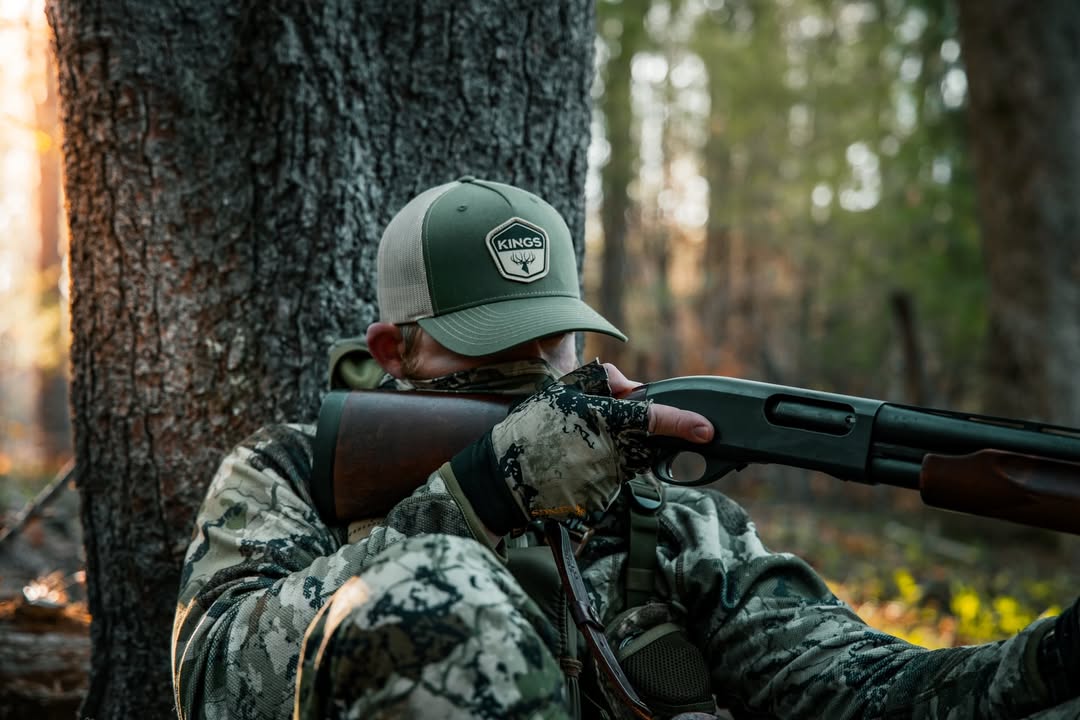
Every hunting season tells the same story: some hunters fill their tags within the first few days, while others grind it out for weeks with little to show. It’s easy to chalk it up to luck—but consistent early success is rarely accidental.
The truth is, successful hunters approach the season differently. They prepare smarter, adapt faster, and understand animal behavior on a deeper level. If you’ve ever wondered why the gap exists, it comes down to a few critical differences that separate early-season success from season-long frustration.
1. Preparation Starts Long Before Opening Day
Hunters who tag out early usually begin their work weeks—or even months—before the season opens.
They:
- Scout regularly during the off-season and early spring
- Identify travel corridors, feeding zones, and bedding areas
- Set trail cameras and monitor patterns over time
Instead of reacting to what they see on opening day, they already have a game plan based on real data.
In contrast, hunters who struggle often rely on guesswork, heading into the woods without a clear understanding of animal movement.
2. They Hunt Patterns, Not Hope
Successful hunters focus on predictable movement patterns, not random encounters.
They understand:
- Where animals move at specific times of day
- How terrain influences travel routes
- How weather impacts behavior
Rather than sitting and hoping something walks by, they position themselves where animals are most likely to pass.
This shift—from passive waiting to intentional positioning—is one of the biggest differences between consistent success and ongoing frustration.
3. They Adapt Quickly to Changing Conditions
No two days in the field are the same. Weather shifts, hunting pressure increases, and animal behavior evolves throughout the season.
Hunters who tag out early:
- Adjust stand locations based on fresh sign
- Change tactics when animals stop responding
- Move when a setup isn’t producing results
Hunters who struggle often stay locked into one plan, even when it’s clearly not working.
Adaptability turns slow days into productive ones.
4. They Manage Pressure—Both Theirs and the Animal’s
Early-season animals are less pressured, making them easier to pattern and approach. Successful hunters take full advantage of this window.
They:
- Hunt aggressively early before pressure builds
- Avoid over-hunting the same area
- Enter and exit setups without alerting game
Once animals become pressured, behavior changes dramatically. Hunters who don’t adjust quickly often fall behind and spend the rest of the season chasing smarter, more cautious game.
5. They Pay Attention to Small Details
The difference between success and failure often comes down to details that many overlook:
- Wind direction and thermals
- Entry and exit routes
- Noise and movement discipline
- Shot opportunities and positioning
Top hunters treat every detail as critical. They understand that one small mistake can undo hours—or days—of effort.
6. They Hunt High-Probability Time Windows
While many hunters focus only on traditional times like early morning, successful hunters expand their approach.
They target:
- Transition periods between feeding and bedding
- Midday movement windows that others ignore
- Weather-driven activity spikes
By hunting when others aren’t, they reduce competition and increase their chances of encountering undisturbed animals.
7. They Stay Mentally Disciplined
Hunting is as much mental as it is physical. Hunters who succeed early maintain:
- Confidence in their strategy
- Patience during slow periods
- Focus even after missed opportunities
Those who struggle often second-guess themselves, abandon good setups too soon, or lose motivation after a few tough hunts.
Consistency in mindset leads to consistency in results.
Why Early Success Compounds
Tagging out early isn’t just about one successful hunt—it’s about momentum.
- Less pressure means better encounters
- Early success builds confidence
- Hunters can refine strategies for future seasons
Meanwhile, those who struggle early often face increasing pressure, reduced animal movement, and mounting frustration.
Final Thoughts
The difference between hunters who tag out early and those who struggle all season isn’t luck—it’s preparation, adaptability, and attention to detail.
By scouting ahead of time, hunting patterns instead of hoping, adjusting to changing conditions, and staying disciplined in both strategy and mindset, you can dramatically improve your success rate.
The takeaway is simple:
Success favors the hunter who is ready before the season even begins—and who adapts faster than everyone else once it starts.
