
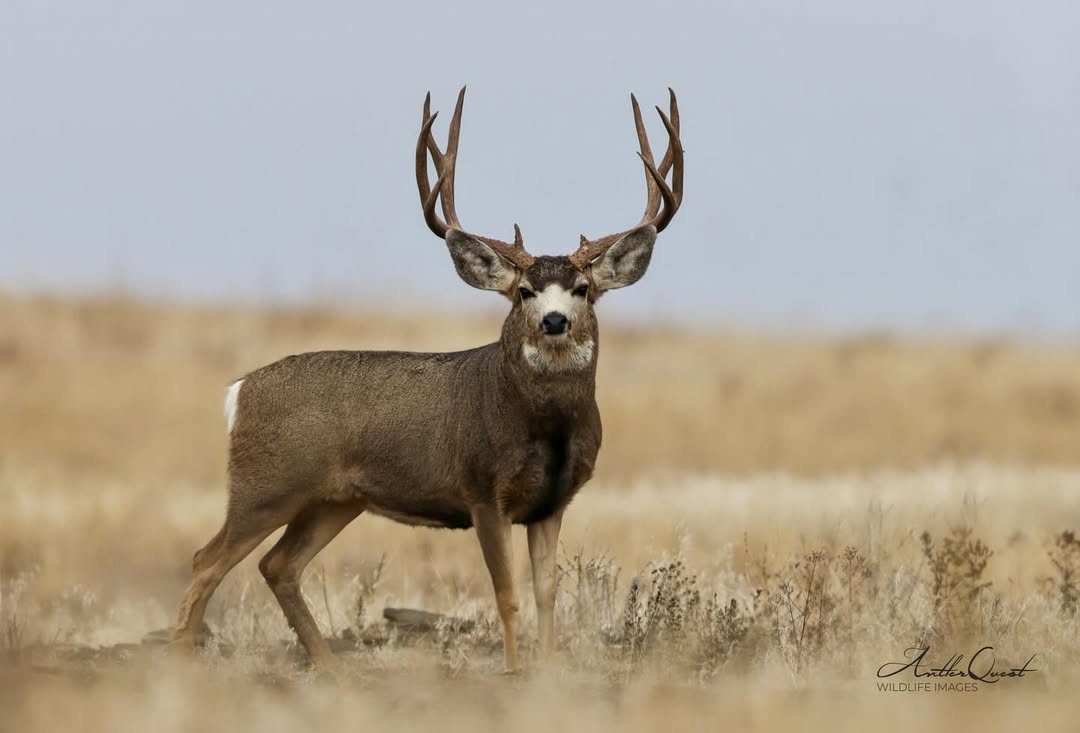
For serious whitetail hunters, early spring isn’t the offseason—it’s the truth season. As snow melts and the woods begin to open up, the landscape tells a story that was hidden for months. Tracks, trails, beds, rubs, and forgotten travel routes suddenly reappear, offering a clear look at how deer actually lived through the toughest part of the year.
Snowmelt scouting gives hunters something fall hunting never can: uninterrupted, pressure-free insight into last season’s real deer patterns. If you know how to read it, early spring reveals where deer felt safe, how they moved under stress, and which bucks consistently survived.
Why Snowmelt Changes Everything
Winter snow acts like a cover, not an eraser. Deer leave behind sign all season long, but it stays preserved until thaw. When snow pulls back, you’re not just seeing random sign—you’re seeing months of accumulated movement, often with very little human disturbance.
Unlike fall scouting, where fresh sign can be misleading or temporary, early spring sign reflects:
- Survival routes, not convenience
- Low-pressure movement, not rut chaos
- Core bedding and feeding behavior, not short-term patterns
That makes snowmelt one of the most honest windows into deer behavior all year.
Tracks That Tell a Bigger Story
Early spring ground often holds moisture, which makes tracks easier to spot and read. But what matters most isn’t individual prints—it’s track density and direction.
Look for:
- Repeated parallel tracks heading between cover and food
- Tracks hugging terrain edges, not wide-open timber
- Consistent travel lines that ignore obvious human access points
If you see heavy track traffic along the same routes, those paths weren’t accidental. Deer used them repeatedly because they offered safety, efficiency, and concealment. These are the same travel corridors bucks are likely to favor again in early fall.
Winter Trails That Never Show Up in October
Snowmelt often reveals trails that don’t look “traditional.” They may cut through thick cover, skirt steep hillsides, or run low through drainage bottoms. These trails exist for one reason: survival.
Pay close attention to:
- Trails that avoid ridgelines and skyline exposure
- Routes that stay inside edge cover
- Travel paths that connect bedding to late-season food
Many of these trails fade visually once green-up happens, but deer remember them. Mark them now, because by bow season they’ll be nearly invisible.
Bedding Areas Exposed by Thaw
One of the biggest advantages of early spring scouting is bedding discovery. Without foliage, deer beds stand out clearly—especially on south-facing slopes and thermal cover areas.
Key bedding indicators include:
- Oval depressions with hair present
- Beds positioned with downhill visibility and wind advantage
- Multiple beds clustered together, indicating seasonal use
Pay attention to bed size and spacing. Large, isolated beds with good escape routes often belong to mature bucks. These locations rarely show up in-season because deer don’t linger long once pressure increases.
Rub Lines That Still Matter
Many hunters ignore old rubs in spring, but that’s a mistake. Rub lines revealed after snowmelt often show preferred buck travel routes, especially during late season and post-rut periods.
Instead of focusing on individual rubs, look for:
- Rubs lining travel corridors
- Rubs near bedding transitions
- Old rubs that align with terrain features
If a rub line matches consistent track patterns, it’s likely part of a long-term movement route—not just rut activity.
Food Sources That Kept Deer Alive
Winter food sources are critical clues. Early spring shows exactly where deer were forced to feed when options were limited.
Common winter food indicators include:
- Browsed woody tips
- Concentrated droppings near food edges
- Trails leading into thick cover near food
These locations often double as early-season feeding areas in fall, especially during drought years or after crop rotation changes.
Rebuilding Last Season’s Movement Map
The real value of snowmelt sign isn’t individual discoveries—it’s how everything connects.
Ask yourself:
- Where did deer bed during cold, pressure-heavy months?
- Which routes linked bedding to food without exposure?
- Where did mature bucks avoid human intrusion?
When you connect beds, trails, and feeding areas, you’re rebuilding last season’s movement map. That map helps you predict future behavior far better than random fall sightings ever will.
Turning Spring Intel into Fall Success
Early spring scouting is about collecting information, not hunting memories. Use this time to:
- Mark travel corridors and bedding zones
- Identify stand locations that work with prevailing fall winds
- Adjust access routes to avoid bumping deer later
Deer may shift slightly with food changes, but their need for safety doesn’t change. The patterns that kept them alive through winter often shape how they move once the season opens again.
Final Thoughts
Snowmelt doesn’t just reveal tracks—it reveals truth. Early spring shows you how deer behave when survival matters most, and that information is priceless. Hunters who take the time to read these signs gain an advantage that can’t be matched by trail cameras or in-season guesswork.
If you want to understand deer instead of chasing them, start where winter ends. The woods are finally ready to talk—if you’re willing to listen.
