
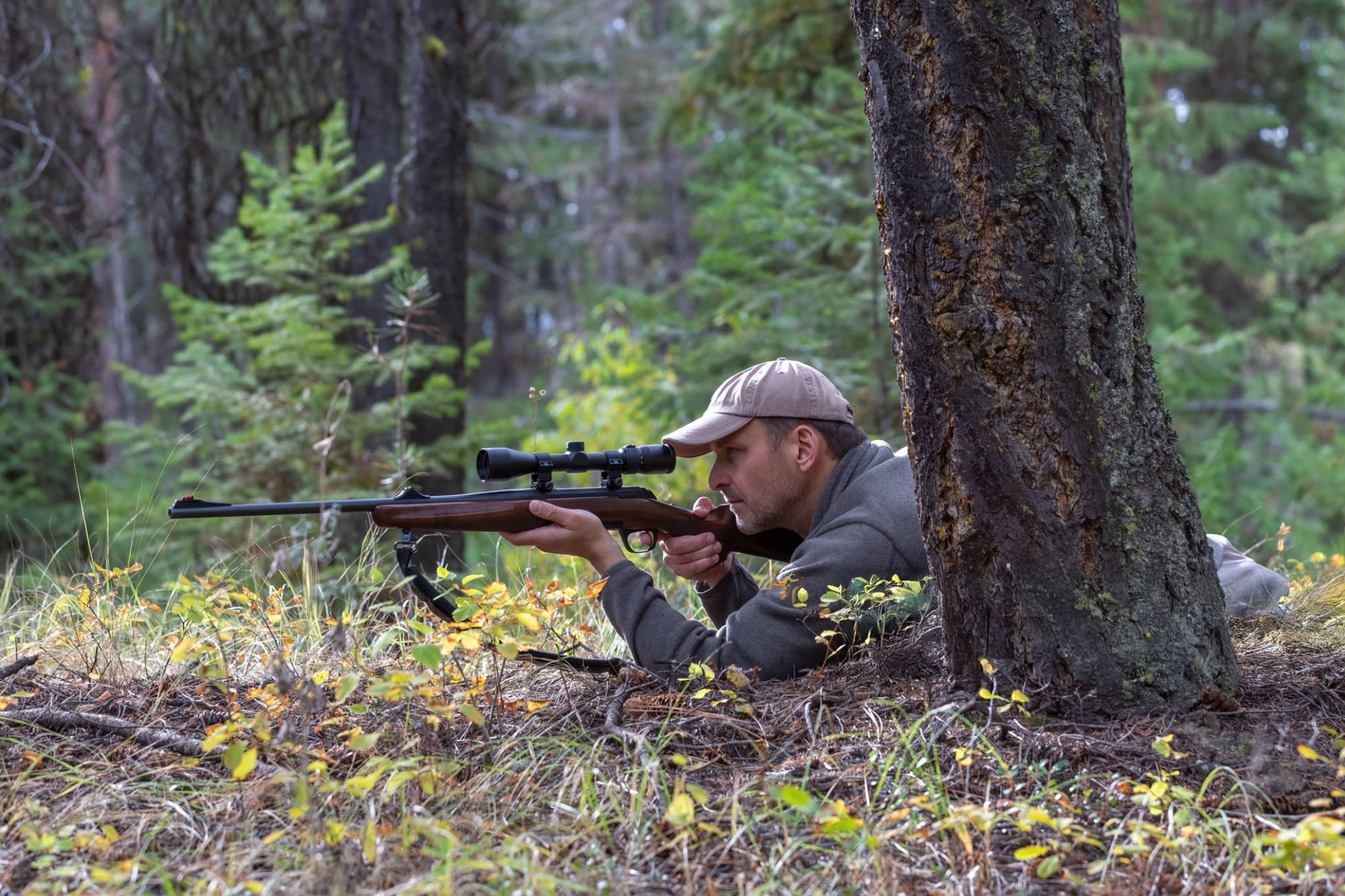
When the woods fall silent and the air carries the bite of winter, most hunters believe the whitetail season is winding down. But for those who understand how deer adapt when temperatures plummet and daylight fades, the late season offers one of the most tactical and rewarding hunts of the year. Whitetails don’t disappear—they simply move differently, think differently, and survive differently. To be successful now, hunters must learn to read the quiet woods and track the moving shadows.
Understanding the Shift: Survival Over Routine
By late November and into December, the rut has mostly run its course. Bucks that once roamed recklessly across miles are now battered, hungry, and cautious. Their focus shifts from breeding to survival. This behavioral transformation is key—food and security now drive every move they make.
Deer metabolism changes in winter. Bucks that burned thousands of calories during the rut need to rebuild fat reserves. Their movement patterns revolve around high-calorie food sources—corn, soybeans, acorns, or leftover browse. However, because pressure from hunters and cold fronts make them wary, these feeding windows shrink to narrow, low-light periods.
Understanding this means one thing: you’re not hunting deer anymore—you’re hunting their needs.
Cold Weather = Tight Movement
As the mercury drops, whitetails conserve energy. Movement becomes minimal, strategic, and often concentrated near bedding areas. Bucks will bed on south-facing slopes to soak up warmth or seek thick cover that blocks wind—cedar swamps, pine thickets, or tall grass draws.
Their travel routes now prioritize efficiency. Instead of wandering, they use defined corridors between bedding and feeding grounds—often the same path every night. Finding these “micro-patterns” is crucial. A single trail with fresh tracks in snow or mud can reveal more than a week of camera data.
Hunters who slow down, scout precisely, and recognize subtle sign—rubs on young trees, fresh droppings near thermal cover, or snow-melt paths—gain a real edge. Late-season deer aren’t ghosts; they’re just careful survivors.
Food Is the King of Winter Strategy
In the late season, the best hunts begin and end at the food.
Deer gravitate to reliable, high-energy feed. If your area has agricultural land, focus on cut cornfields, leftover soybeans, or winter wheat. In the timber, look for remaining mast crops—acorns or beechnuts—and browse-rich edges near thick cover.
Timing is everything. Late-season feeding usually peaks just before sunset or at first light on the coldest days. If you’re hunting evenings, set up early along the downwind edge of a feeding zone. In the mornings, intercept deer as they travel back to bedding areas after a pre-dawn meal.
A well-timed cold front can supercharge this movement. As temperatures drop rapidly or snow moves in, deer feed aggressively ahead of storms to prepare for the coming hardship. Those are the moments when the woods wake up again—and when your odds rise dramatically.
Pressure and Silence: The Human Factor
By now, deer have endured months of human pressure—opening-day gunfire, scent trails, and movement through their core areas. They’re jumpy, hyper-aware, and far less forgiving.
To overcome this, stealth and scent control become everything. Enter stands quietly, avoid overhunting the same area, and plan entry routes using wind direction to stay undetected. Sometimes, less is more—skipping a hunt until conditions are perfect can lead to a far better outcome than pushing deer out of the area too soon.
Ground blinds and mobile setups also shine this time of year. Whitetails have grown accustomed to certain field layouts; adding new ground cover or shifting position slightly can make a world of difference.
Gear and Preparation: Outlasting the Elements
Late-season hunts test endurance as much as patience. Dressing right can mean the difference between quitting early and tagging out. Layering is key—start with moisture-wicking base layers, add insulating mid-layers, and top it off with windproof, waterproof outerwear. Don’t overlook boots; insulated, waterproof models keep your feet dry and your focus sharp even on frozen ground.
Portable heaters or hand warmers can help you stay still longer, which is vital when every movement risks spooking wary deer. Cold weather amplifies every sound—the snap of a branch or crunch of ice can end a hunt instantly. Stay warm, stay quiet, and let the forest work for you.
Patience Rewards the Prepared
Late-season whitetail hunting isn’t about covering ground—it’s about letting time work in your favor. The woods are still, the light is low, and the deer are careful. But when that single shadow moves across the frost-lined timber, and a tired buck steps into view, the reward feels richer than any early-season hunt.
Every decision—your wind choice, your stand placement, your timing—culminates in that one silent moment. Late-season hunting is chess, not checkers, and those who think three moves ahead reap the rewards.
Final Thoughts
When the woods grow quiet and the shadows stretch long, many hunters hang it up for the season. But those who stay—the ones who read the wind, study the food, and respect the stillness—know that late-season whitetails tell their story in whispers, not shouts.
Stay patient. Move smart. Hunt the needs, not the noise. Because in the still woods of winter, even the smallest shadow might be the biggest buck you’ll see all year.
