
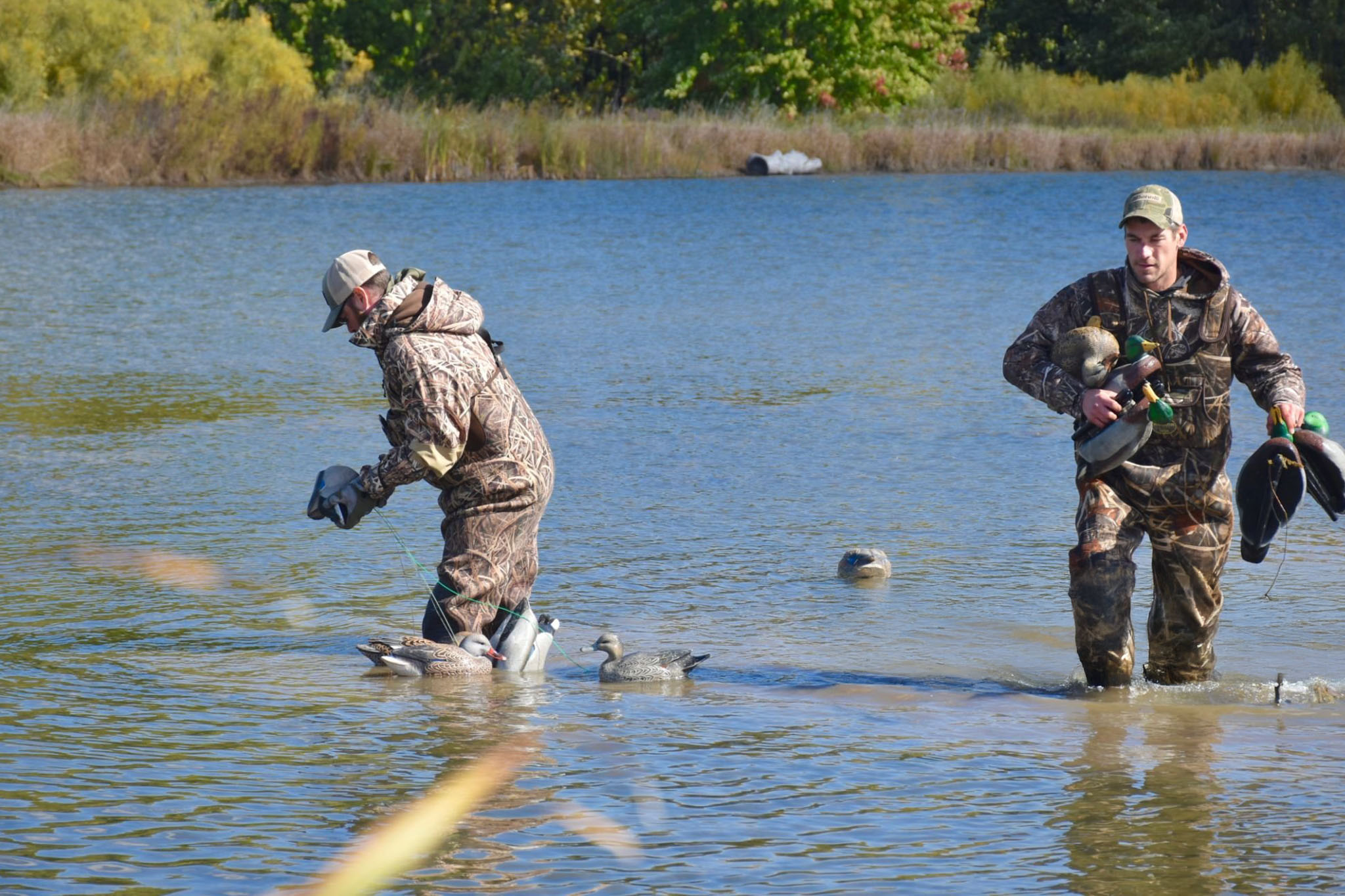
By December, the marsh takes on a different character. The early-season chaos—the chatter of flocks, the restless motion, the careless swings over open spreads—fades into silence. The ducks that remain have survived weeks of pressure. They’ve seen hundreds of decoy setups, heard every variation of a mallard call, and learned the difference between real waterfowl and hunters hiding behind brush. Late-season success, therefore, depends on subtlety. When the marsh goes quiet, it’s time to think like the birds—and to make your decoy spread as convincing as nature itself.
The Late-Season Mindset: Ducks Don’t Fall for Flash Anymore
By now, survival instincts rule. These ducks have been shot at from Canada to the Central Flyway, and every call that sounds too perfect, every decoy that sits too stiff, sends them flaring sky-high. What used to attract them in October—motion spinners, oversized spreads, loud hail calls—now warns them off.
Late-season birds crave security and realism. They look for quiet water, tight groups of resting ducks, and subtle ripples rather than splashing commotion. Hunters who shift their setups to reflect these natural behaviors can turn tough conditions into some of the most rewarding hunts of the year.
1. Read the Marsh Before You Set Up
Every successful spread starts with observation. Late-season ducks behave differently depending on weather, water conditions, and pressure. Before tossing a single decoy, take five to ten minutes to study the water.
- Look for open pockets where wind or current has kept ice from forming. Ducks will naturally concentrate on these.
- Watch how real birds group up. Are they feeding tight together or spread along a bank? Late-season flocks are often compact and calm, conserving energy in the cold.
- Pay attention to light and reflection. Ducks flying in from afar notice contrast. A poorly placed decoy spread that glows in the sun or sits unnaturally still will spook them immediately.
In winter, every detail matters—right down to the way sunlight hits the water.
2. Shrink Your Spread: Less Is Often More
When the season winds down, large decoy spreads lose their edge. The birds that migrate late have seen the big, flashy displays since September. Instead, go smaller and smarter.
A dozen decoys, properly placed, can outwork six dozen that scream “hunter.” Try these configurations:
- The Resting Pocket: A tight group of 8–12 decoys positioned in calm, shallow water suggests safety and relaxation. Perfect for mallards and gadwalls on sunny, windless days.
- The Feed Line: Place 10–15 decoys in a curved line stretching downwind from your blind, imitating birds drifting naturally while feeding.
- The Open Water Pair: Two or three decoys sitting apart from the main cluster—especially a drake and hen—add realism that signals confidence to approaching ducks.
Always leave a landing pocket—an open area downwind where incoming birds can touch down naturally.
3. Natural Motion Beats Mechanical Flash
Motion remains critical—but it needs to feel alive, not artificial. Late-season ducks spook easily at constant or erratic spinner wings. Instead, opt for natural water movement:
- Jerk rigs or bungee cords create ripples that mimic feeding motion. They work especially well in icy or calm conditions.
- Wind-activated decoys add subtle life without batteries or hum.
- Switch off spinners early. If you use a motion decoy to attract attention at dawn, turn it off once birds start circling. At this point, realism matters more than visibility.
Remember, stillness is part of the season. A little motion goes a long way.
4. Match the Mood: Decoy Posture and Placement
Just as important as number and motion is how your decoys sit. Late in the season, ducks spend more time resting, preening, or tucking their heads under their wings. Feeding and flapping decoys can look suspicious if they’re overused.
Balance your spread with:
- 50% Resting decoys: Heads tucked or low to the water. These convey calm and safety.
- 30% Sleepers or loafing decoys: Floating close together in tight groups.
- 20% Active decoys: One or two with raised heads or feeding postures for realism.
Keep spacing tight—just a few feet apart. Cold-weather ducks huddle for warmth and wind protection. Mimic that behavior, and your spread will blend seamlessly with nature.
5. Use the Wind Like a Guide
In late-season hunts, wind is both your ally and your challenge. Birds approach into it, using it to slow their descent and control landings. But strong gusts can also blow your decoys together or push your spread out of shape.
- Set decoys slightly crosswind from your blind to avoid being directly upwind. Ducks that land crosswind give you a cleaner shot angle.
- Anchor your decoys well. Ice, wind, and current can drift them away fast.
- Adjust mid-hunt. As the wind shifts—often in the middle of a cold morning—so should your spread. A five-minute tweak can make the difference between empty skies and full straps.
Experienced hunters often carry extra anchors or cord lengths for this reason alone.
6. Blending In: Your Blind Should Match the Silence
Your decoy spread isn’t the only thing that needs to adapt. Late-season concealment demands just as much finesse. With the marsh quiet and vegetation thinned out, blinds stand out like never before.
- Use natural cover from the hunt area. Reeds, cattails, or willow branches help you match the environment.
- Brush heavily. The colder it gets, the more conservative ducks become—any shine or sharp edge can flare them off.
- Stay still. In clear winter light, even a slow head turn or gun lift can be detected. Move only when birds commit.
The goal is to disappear completely—both your blind and your spread should look like they belong.
7. Reading Duck Behavior in the Air
When birds start circling but won’t commit, they’re telling you something. Sharp-eyed hunters use that feedback to fine-tune their setup.
- If ducks flare high: Your spread might be too big or too symmetrical. Pull a few decoys or break up patterns.
- If they swing wide: They may be wary of glare or movement near your blind. Adjust your position or brush more.
- If they circle but never land: They may not trust the landing pocket. Shift decoys to create more open water directly downwind.
Late-season success means constant adaptation. The hunters who stay alert and adjust mid-hunt usually outshoot those who set up once and wait.
8. Patience and Timing: The Late-Season Edge
Late-season ducks often move later in the day, especially when temperatures dip below freezing. Don’t pack up at 9 a.m. Just because the marsh is quiet at dawn doesn’t mean it will stay that way.
Sunlight warms shallow water by late morning, creating small pockets of open surface that attract ducks returning from feeding fields. Some of the best hunts of the season happen between 10 a.m. and 2 p.m. when other hunters have already left.
Stay patient, stay still, and stay ready—your best flight might arrive when the frost is melting off your blind.
Conclusion: Subtle Wins the Season
Late-season duck hunting isn’t about loud calling, big spreads, or flashy tricks. It’s about patience, observation, and subtle realism. The marsh is quiet for a reason—and those who can mirror that quietness in their strategy are the ones who finish strong.
When the decoys sit naturally, the blind disappears into the reeds, and the only sound is a faint whistle of wings over frozen water, that’s when you know you’ve adapted perfectly.
Because in the quiet marsh, success doesn’t come from noise—it comes from knowing when to stay still, when to adjust, and when to let your spread do the talking.
