
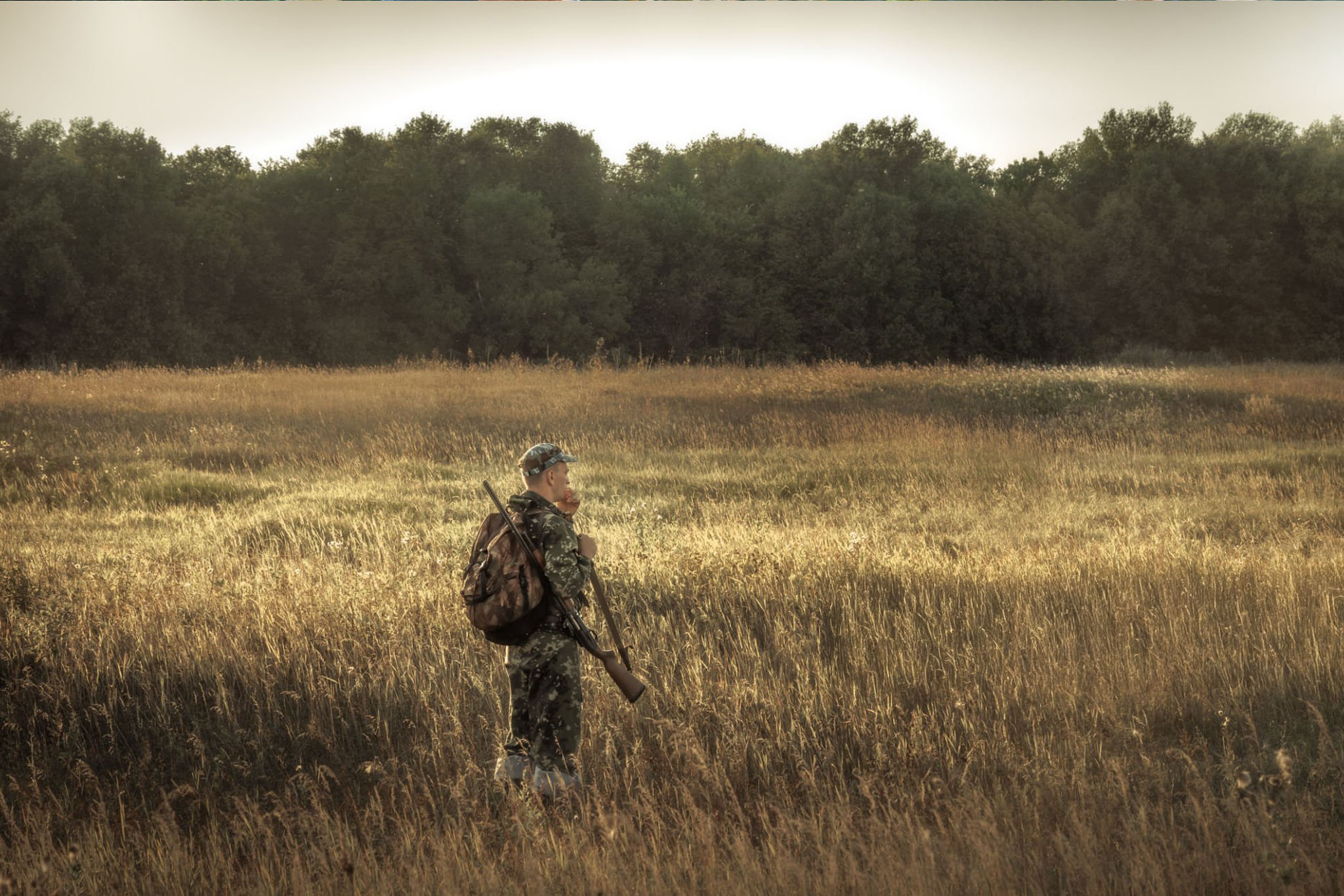
When the leaves have fallen, the rut is fading, and the wind cuts like a blade, hunting becomes less about gear—and more about grit. The late-season woods test every hunter’s resolve. Long hours in freezing temperatures demand more than patience; they require true mental toughness. “The art of the sit” isn’t just about waiting quietly—it’s a mindset built on discipline, focus, and endurance.
Why Mental Toughness Matters in Late-Season Hunts
When temperatures drop below freezing and the woods grow silent, even seasoned hunters start to question their resolve. The mental challenge begins long before sunrise—rolling out of a warm bed, pulling on cold layers, and convincing yourself that today might be the day.
Late-season deer and waterfowl hunts often come down to who can outlast the cold. Bucks move less. Ducks migrate slower. But the hunter who stays in position—still, quiet, and ready—often ends the day with a story worth telling. The truth is simple: mental toughness fills tags when weather and fatigue break others.
Training the Mind Before You Step Into the Woods
Mental endurance isn’t built overnight. Like marksmanship or scouting, it’s a skill that improves with practice. Hunters who thrive in cold, still hunts prepare both physically and mentally before the season begins.
- Visualize success. Picture your hunt before it happens—the stand, the cold, the moment you draw your bow or shoulder your shotgun. Mental rehearsal helps normalize discomfort.
- Embrace short discomforts. Spend extra time outdoors in colder conditions to acclimate. The more familiar your body becomes with the cold, the less it distracts your focus.
- Set realistic expectations. Don’t measure success only by the harvest. Success may mean lasting one more hour, staying alert through the lull, or simply learning new animal behavior patterns.
The key? View discomfort as part of the process—not an obstacle.
Staying Still When Everything Tells You to Move
Stillness is harder than it sounds. The cold bites at your fingers. A shiver creeps up your spine. Every instinct screams for movement. But movement—especially during those peak late-morning or evening windows—can cost you your chance.
The best hunters know how to reset their focus instead of giving in to fidgeting.
Try this:
- Micro-movements: Shift slowly, one limb at a time, when absolutely necessary.
- Breathing control: Deep, measured breaths calm both the body and mind.
- Mental anchoring: Focus on small details—wind direction, bird calls, or the subtle creak of the woods—to stay engaged.
Remember, animals detect unnatural motion faster than sound or scent. Your stillness is your greatest camouflage.
The Gear That Keeps You in the Game
While mental grit leads the way, the right gear keeps you in the fight. Comfort isn’t luxury—it’s survival for focus.
- Insulated boots and base layers: Cold feet end hunts faster than anything else. A quality pair like Trudave hunting boots or insulated waterproof waders can extend your stay dramatically.
- Windproof outerwear: Layer smartly with a wind-stopping shell to trap heat and block biting gusts.
- Hand warmers and seat pads: Small comforts keep morale high when the hours stretch long.
Good gear won’t make you mentally tougher—but it removes unnecessary distractions, letting you stay in the zone longer.
The Psychology of Patience
There’s a rhythm to still hunts—one that mirrors meditation more than sport. You learn to quiet your thoughts, to let the forest breathe around you. Every sound—the crunch of ice, a distant crow call, the slow drip of melting frost—becomes part of your focus.
Hunters who master the art of the sit don’t wait passively. They’re tuned in, mentally sharp, and reading the woods like a language. This state of focus—what psychologists call “flow”—is where success often happens.
When the Moment Finally Comes
After hours of silence, when you finally see that flicker of movement or hear distant wingbeats, your patience pays off. The heart rate spikes, the adrenaline surges—but your mind stays calm. That calm, forged through discomfort and stillness, is the edge that separates hunters who almost had a chance from those who make it count.
When you can stay still, stay focused, and stay present—no matter the cold—you’ve mastered more than hunting. You’ve mastered yourself.
Final Thoughts
In the end, “the art of the sit” is about far more than enduring the cold. It’s about respecting the process, embracing discomfort, and understanding that the woods reward those who wait with purpose. Each minute in the stand, each gust of frozen wind, builds not just a better hunter—but a tougher one.
So next time the cold bites and you think about heading home early, remember: the deer, the ducks, and the opportunity are all out there. But only the mentally tough are still sitting when it counts.
