
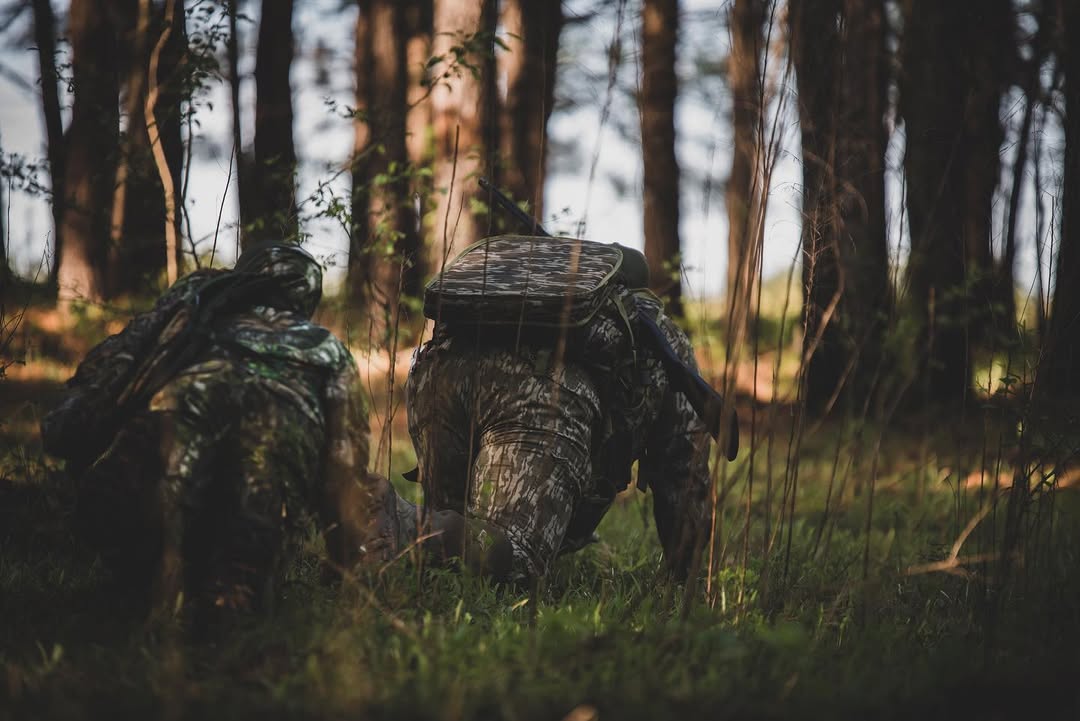
Summer deer hunting and scouting often frustrate hunters because traditional movement signs become far less obvious. Heavy vegetation covers trails, daylight movement shrinks, and many deer stop using predictable open feeding areas altogether. As temperatures rise, mature deer shift toward low-pressure survival patterns that can make even heavily populated areas seem empty.
But while visible movement declines, deer still leave behind one of the most reliable clues available during summer: browse pressure.
Learning how to identify subtle summer browse pressure can help hunters locate highly active deer pockets hidden inside dense cover, overlooked terrain, and low-visibility feeding zones. These signs are often far more valuable than heavily worn trails during the hottest months of the year.
Hunters who understand summer browse behavior gain access to a completely different level of deer patterning.
What Is Browse Pressure?
Browse pressure refers to the impact deer feeding activity leaves on natural vegetation.
Unlike agricultural feeding patterns, browsing focuses on:
- Leaves
- Soft stems
- Vines
- Young shoots
- Woody vegetation
- Regenerating growth
In summer, deer often rely heavily on naturally available browse hidden inside secure cover rather than exposing themselves in open feeding areas during daylight.
Why Summer Browse Becomes So Important
During late spring and summer:
- Vegetation explodes rapidly
- Food sources become widespread
- Deer movement becomes localized
Because food is abundant nearly everywhere, deer no longer need to travel long distances consistently.
Instead, they:
- Feed in small secure pockets
- Browse opportunistically
- Stay close to bedding cover
- Reduce unnecessary exposure
This creates small but highly active feeding zones most hunters overlook.
Why Traditional Deer Sign Becomes Less Reliable in Summer
Summer terrain changes dramatically.
Heavy growth:
- Covers trails quickly
- Softens ground sign
- Hides movement patterns
- Creates countless feeding options
As a result:
- Major trails may appear inactive
- Open feeding areas lose daylight movement
- Deer activity becomes scattered and subtle
Browse pressure often becomes the clearest indicator of current deer use.
Understanding Summer Browse Behavior
Deer browsing patterns change significantly during hot weather.
They prioritize:
- Moisture-rich vegetation
- Nutrient-dense regrowth
- Low-pressure feeding zones
- Shade-protected food sources
This creates highly specific browse pockets inside favorable summer habitat.
Key Signs of Subtle Summer Browse Pressure
1. Torn Leaf Ends Instead of Clean Cuts
Deer lack upper front teeth, so browsing leaves:
- Ragged edges
- Torn stem tips
- Uneven leaf removal
This helps distinguish deer feeding from:
- Rabbits
- Livestock
- Insect damage
Fresh browsing often appears lighter in color before oxidation darkens exposed plant tissue.
2. Repeated Browsing on Specific Plant Clusters
One of the strongest signs of active deer pockets is repeated feeding pressure in concentrated areas.
Look for:
- Multiple nipped stems within a small radius
- Consistent browsing height
- Regrowth repeatedly eaten back
This usually indicates regular summer use.
3. Browse Lines Inside Dense Cover
Many summer deer browse deep inside:
- Thick creek bottoms
- Overgrown logging cuts
- Young timber regeneration
- Brush transitions
Small browse lanes hidden inside vegetation often reveal:
- Internal feeding routes
- Bedding proximity
- Thermal-safe movement zones
4. Moisture-Rich Vegetation Pressure
During summer heat, deer often target plants with higher water content.
Common heavily browsed vegetation includes:
- Green briars
- Young saplings
- Tender vine growth
- Regenerating shoots after rain
These plants help deer maintain hydration while minimizing movement.
Why Active Deer Pockets Form in Summer
Summer deer behavior compresses into small comfort zones.
These areas usually combine:
- Shade
- Thermal protection
- Nearby water
- Consistent browse availability
- Low human disturbance
Instead of traveling broadly, deer often circulate within surprisingly small areas.
How to Locate Summer Deer Pockets Using Browse Pressure
Step 1: Scout Thick Cover Instead of Open Areas
Many hunters spend too much time:
- Watching fields
- Scouting food plots
- Checking exposed trails
But mature summer deer often stay:
- Deep inside cover systems
- Near bedding habitat
- Along internal browse zones
Step 2: Search for “Concentrated Feeding Clusters”
The goal is not isolated browse.
The goal is finding:
- Multiple heavily browsed plants
- Repeated feeding patterns
- Fresh pressure within a confined area
This usually indicates a reliable summer pocket.
Step 3: Connect Browse to Thermal Habitat
Summer deer rarely feed far from thermal security.
The best browse zones often occur near:
- Creek-bottom shade
- North-facing slopes
- Thick cedar cover
- Cool airflow corridors
Step 4: Watch for Freshness Carefully
Fresh browse matters enormously.
Recent feeding signs include:
- Bright exposed stem tissue
- Soft torn edges
- Wilted but still-green plant tips
- Recently bent vegetation
Old browsing quickly becomes misleading in summer.
Why Browse Pressure Often Predicts Daylight Activity
Heavy trail use does not always equal daylight movement.
But concentrated browse pressure inside secure cover often means:
- Deer feel safe there
- Feeding occurs during legal shooting hours
- Bedding areas are nearby
This creates much more huntable summer movement patterns.
How Weather Changes Browse Activity
Summer browse behavior shifts rapidly based on:
- Rainfall
- Heat waves
- Humidity
- Vegetation recovery
After rainfall:
- Fresh growth appears quickly
- Deer often concentrate heavily on new regrowth
During drought:
- Moisture-rich browse becomes even more valuable
Why Mature Bucks Often Leave Minimal Trail Sign
Mature deer in summer frequently:
- Move short distances
- Use randomized micro-routes
- Feed casually through thick cover
This means:
- Browse pressure may reveal activity long before trails do
Hunters focused only on trail systems often miss these deer entirely.
Common Mistakes Hunters Make
1. Looking only for obvious feeding areas
Summer deer often feed inside hidden browse pockets.
2. Ignoring subtle feeding sign
Small repeated browse pressure is often more important than large trails.
3. Overestimating movement distance
Summer deer may remain inside a tiny habitat zone for days.
4. Scouting too aggressively
Pressure inside summer bedding zones quickly disrupts movement.
Real-World Scenario
A hunter struggles to locate consistent summer deer activity despite abundant crop fields nearby.
After shifting focus into dense creek-bottom cover:
- Small clusters of repeatedly browsed saplings appear
- Fresh torn vine tips line shaded interior trails
- Light feeding pressure concentrates near cool thermal pockets
The hunter identifies:
- A small internal feeding zone close to bedding cover
- Minimal visible trail activity but heavy browse repetition
By setting up near the browse cluster:
- Daylight deer sightings increase dramatically
- Movement patterns become predictable
- Multiple mature deer use the pocket consistently during evening hours
Why it worked: The hunter stopped chasing large feeding patterns and started reading hidden summer browse behavior.
Final Thoughts
Summer deer behavior often becomes invisible to hunters relying on traditional movement sign alone. As vegetation thickens and movement shrinks, browse pressure becomes one of the most valuable tools for locating active deer pockets hidden inside secure habitat.
Subtle feeding patterns reveal:
- Preferred thermal zones
- Bedding proximity
- Low-pressure feeding behavior
- Consistent daylight activity areas
Hunters who learn to read summer browse correctly gain insight into where deer actually live during difficult warm-weather conditions—not just where they occasionally travel.
Because in peak summer, successful deer scouting is not about finding the biggest trails—
it’s about understanding the small feeding clues that reveal where deer feel safest spending their time.
